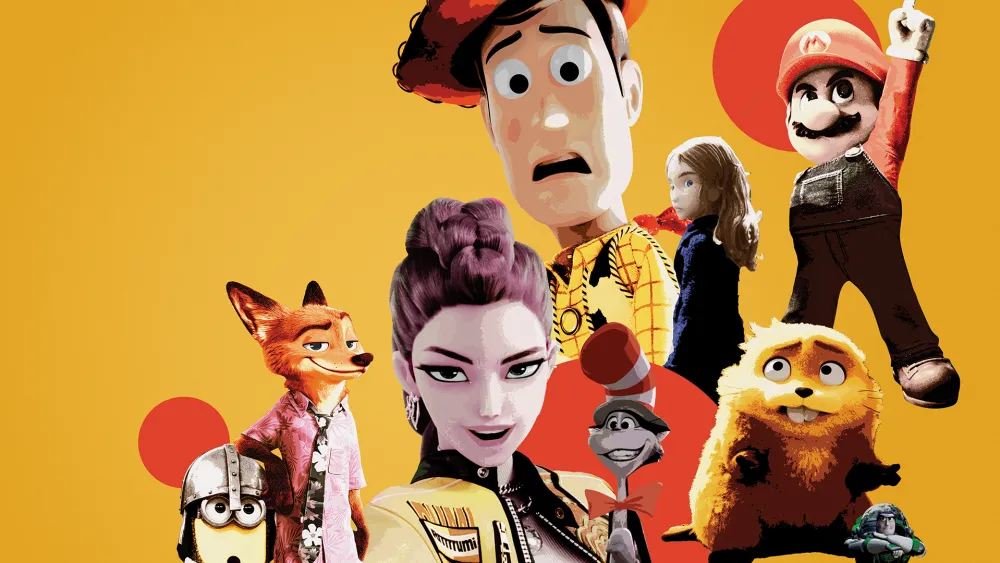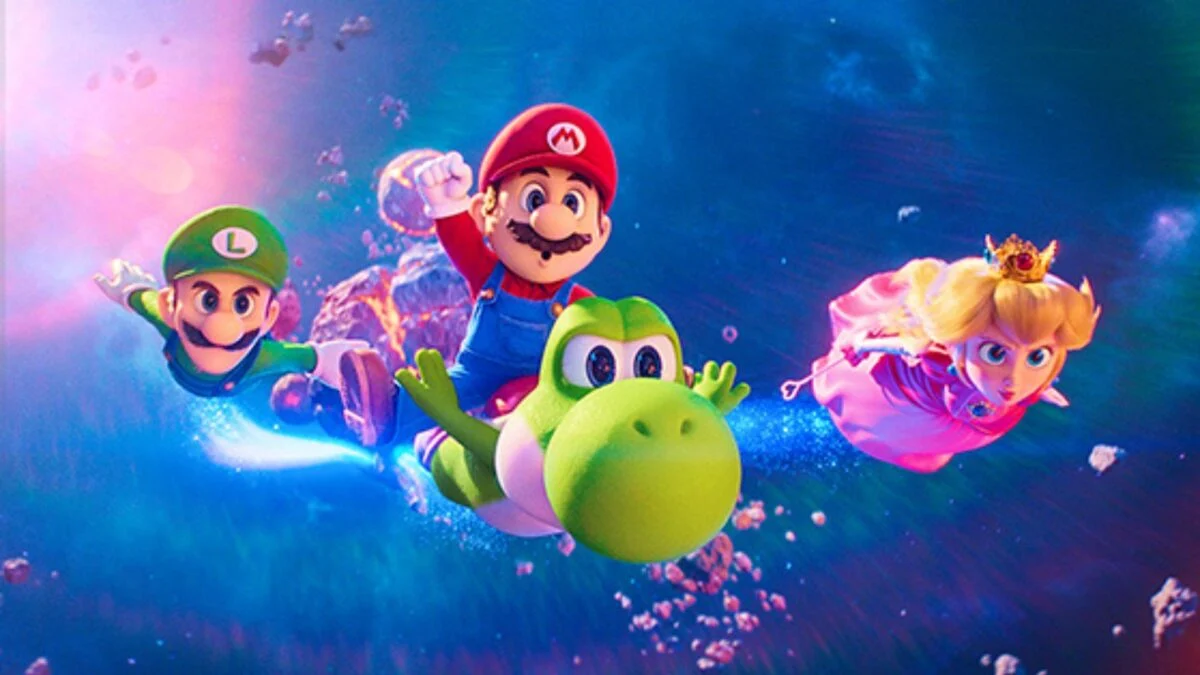
Years after Guillermo del Toro declared “animation is cinema” at the Oscars, the industry remains a redheaded stepchild of Hollywood. A recent Variety report with several professionals in the industry discuss how animation’s perceived in the west. At the same time it’s viewed as a “babysitter” medium mainly meant for entertaining kids, it’s been a reliable moneymaker for decades. The Super Mario Galaxy Movie is currently 2026’s only movie to make over $1 billion, while Inside Out 2 and Zootopia 2 have been big hits for Disney. But as one animator told the outlet, the success has also been “frustrating” to see: a studio will brag about an animated film’s financial and awards success, then “turn to people who’ve worked here forever and say, ‘We don’t need you anymore.'” While Pixar president Jim Morris rightfully noted animation’s “propping up a lot of studios right now,” chief creative officer Pete Docter had a different view. He said animation can’t not be considered “films for kids” when most of said films are “funny, goofy, [and] a little bit like babysitter material. We could step our game up [as an industry].” However, Docter doesn’t expound on what “stepping up” would entail, and it’s worth acknowledging Pixar’s backtracking on more specific themes and perspectives in recent years—and his views on such walk backs. Alternatively, Laika’s solution is making people see their movies as simply movies. Chief marketing officer David Burke told Variety the Wildwood studio doesn’t actively sell their films as animated, instead trusting “[our] audience to find our movies, irrespective of the medium. They defy categorization.” Granted, this may also be due to the studio having a number of live-action projects in development, but Burke’s general point stands: to avoid stigma, animated movies can (and should) be promoted like they’re just regular movies.
The Animation Industry Still Hopes for Hollywood's Full Respect
What needs to be done for Hollywood to quit holding animation at arm's length? Industry veterans have some ideas.
426 words~2 min read