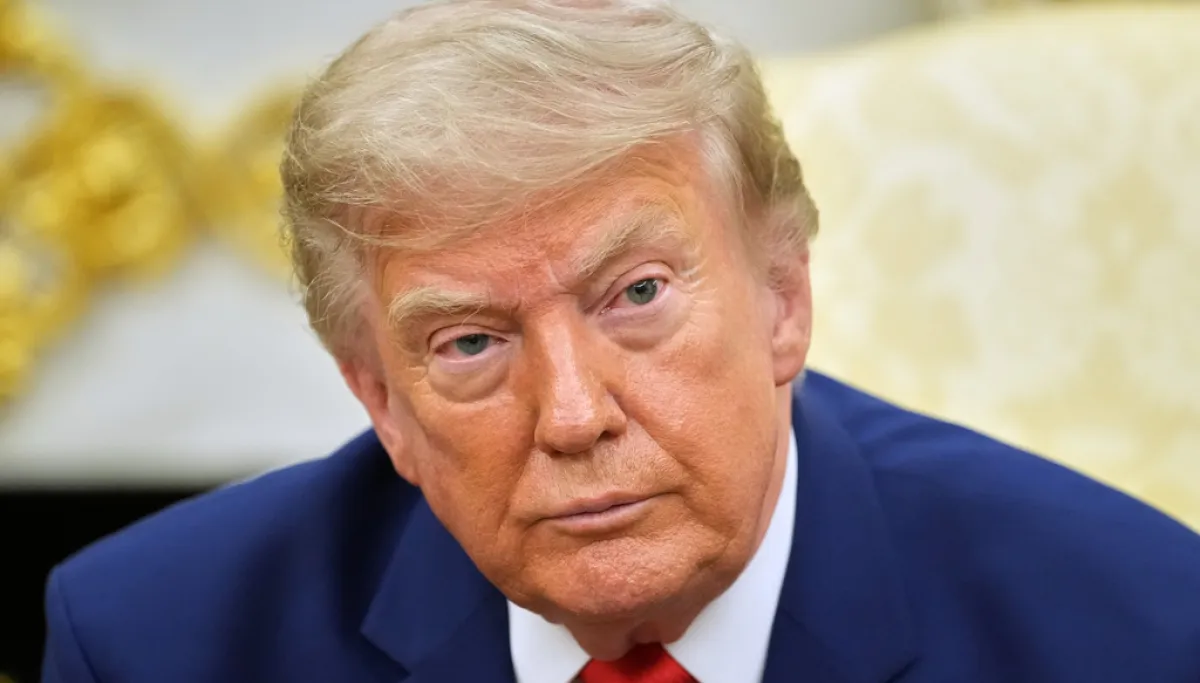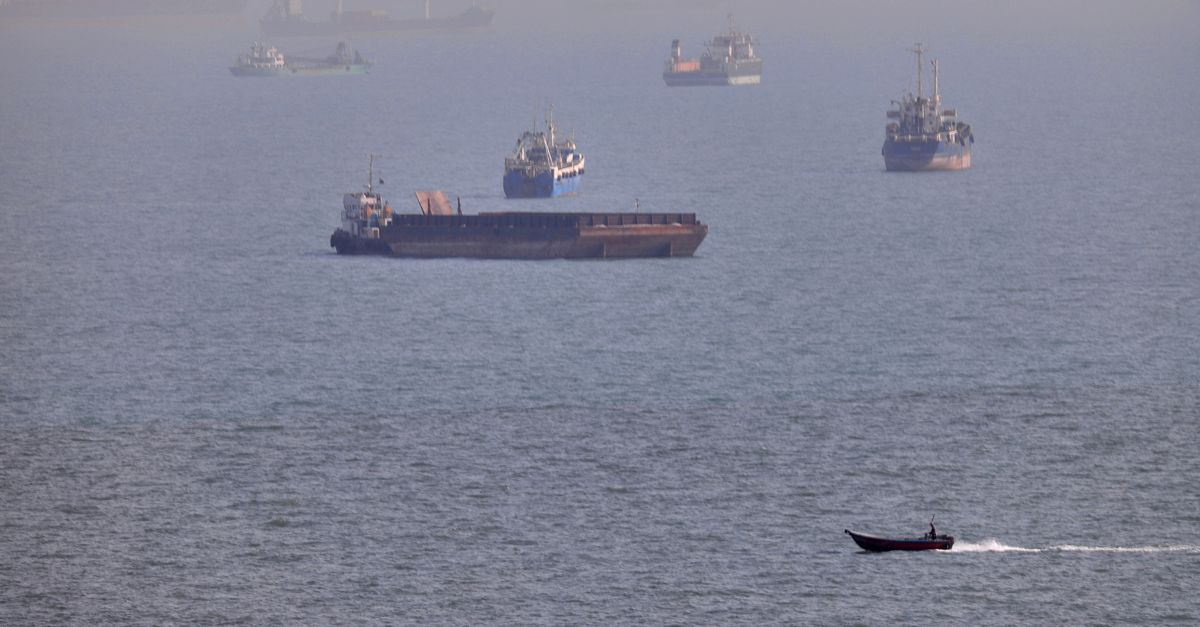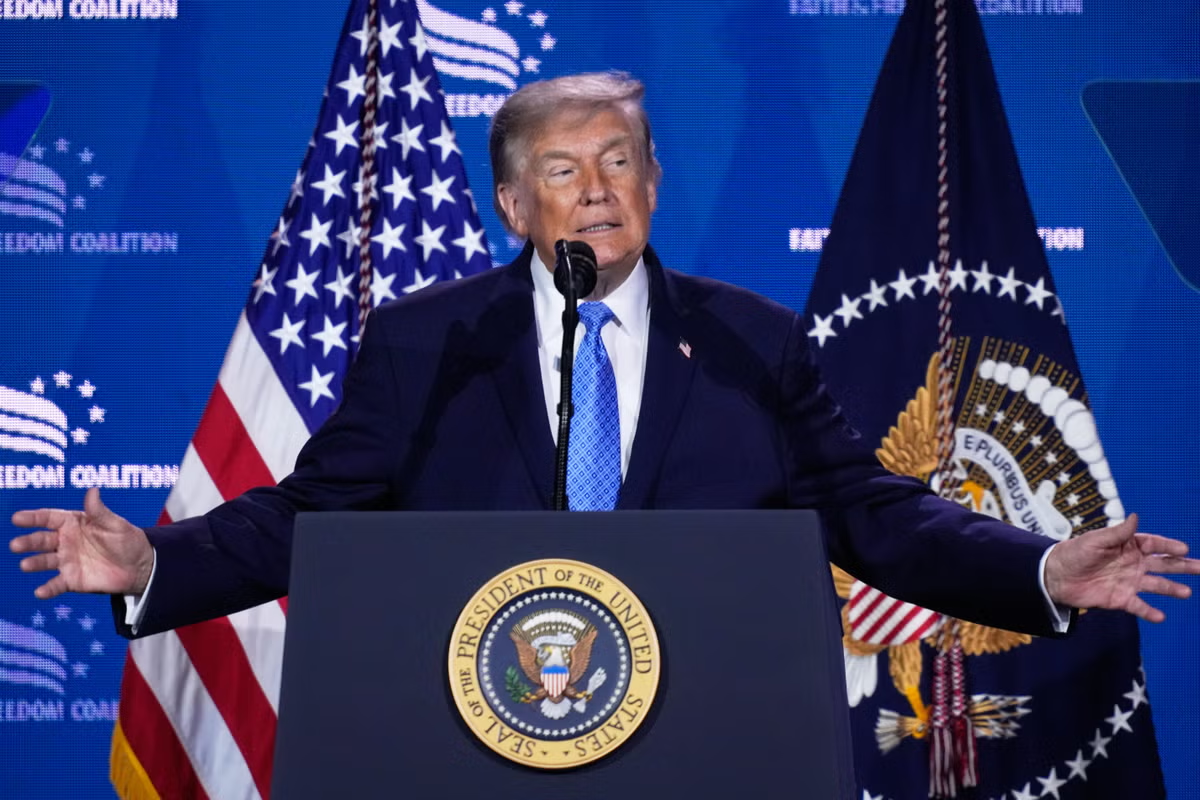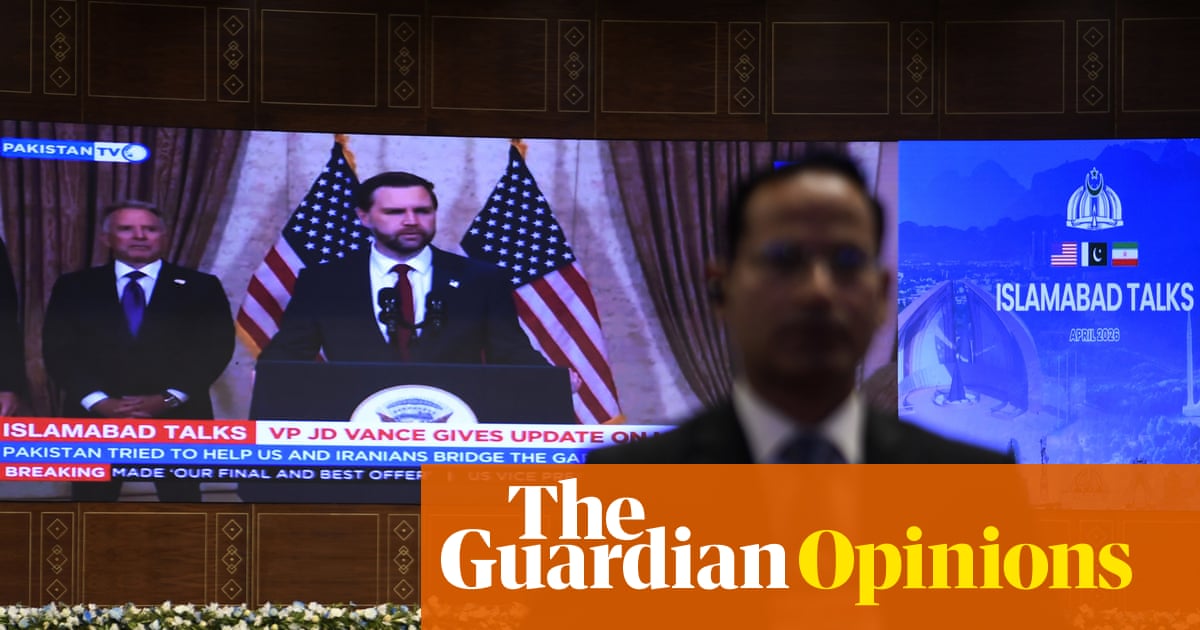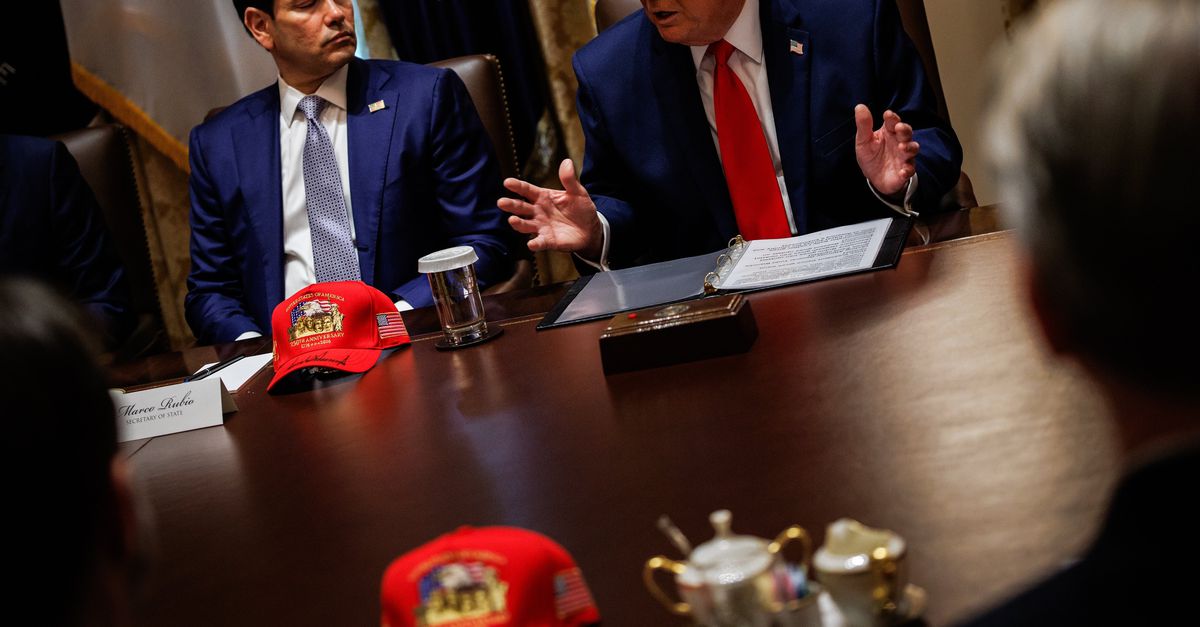
When Donald Trump proposed peace with Iran, he could hardly have offered better terms. In return for Iran opening the Strait of Hormuz and forswearing all ambitions for a nuclear bomb, America held out the prospect of hundreds of billions of dollars of income and investment in an economy ravaged by sanctions and war. The horrified reaction of Iran hawks in America and Israel tells you that no other American leader would have surrendered so much.
The bleak message from the upsurge in fighting over the past week is that, for Iran, money alone is not enough. The hardliners are in charge. They want something more, and it cannot be good—be it revenge, control over the strait, regional dominance or a nuclear programme. America must not yield.
De redactie van NRC selecteert de beste artikelen uit The Economist voor een breder perspectief op internationale politiek en economie.
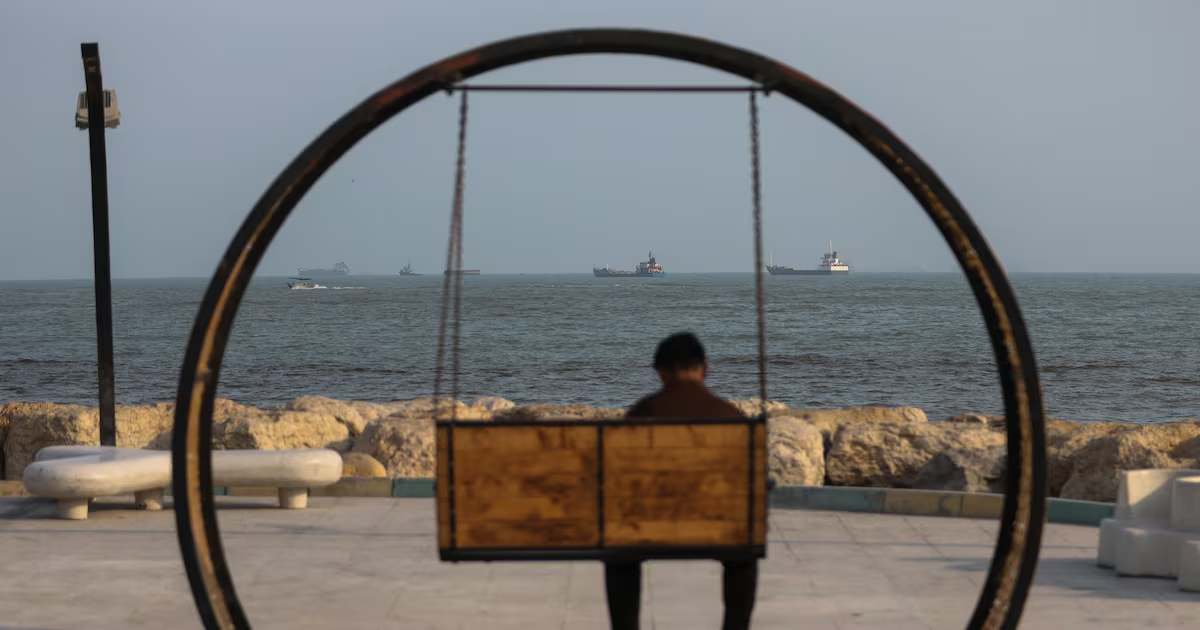
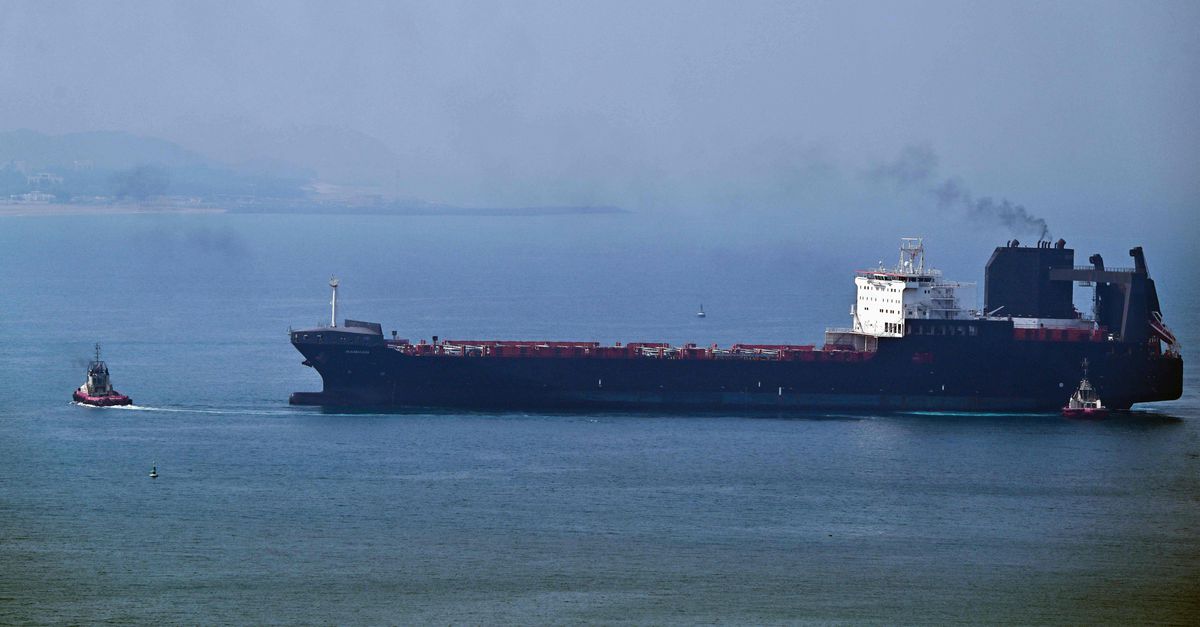
The memorandum of understanding (MoU), signed a month ago, allows 60 days to bring peace. Halfway through, it has itself become the focus of conflict. It asks Iran to „make arrangements to ensure the safe passage of commercial vessels free of charge for 60 days”. Iran takes that to imply it is in charge; for America it means that Iran must not restrict sea traffic.