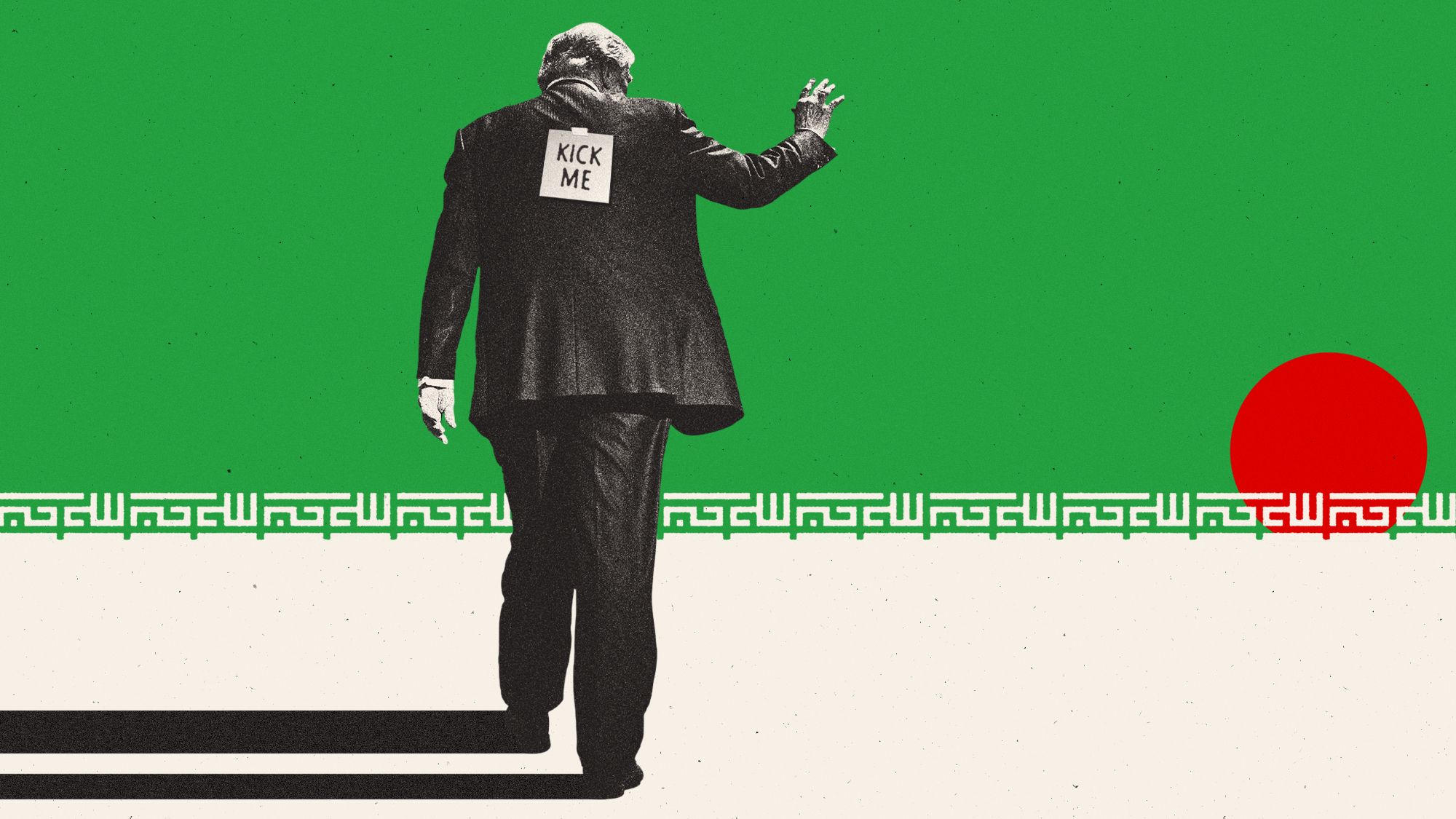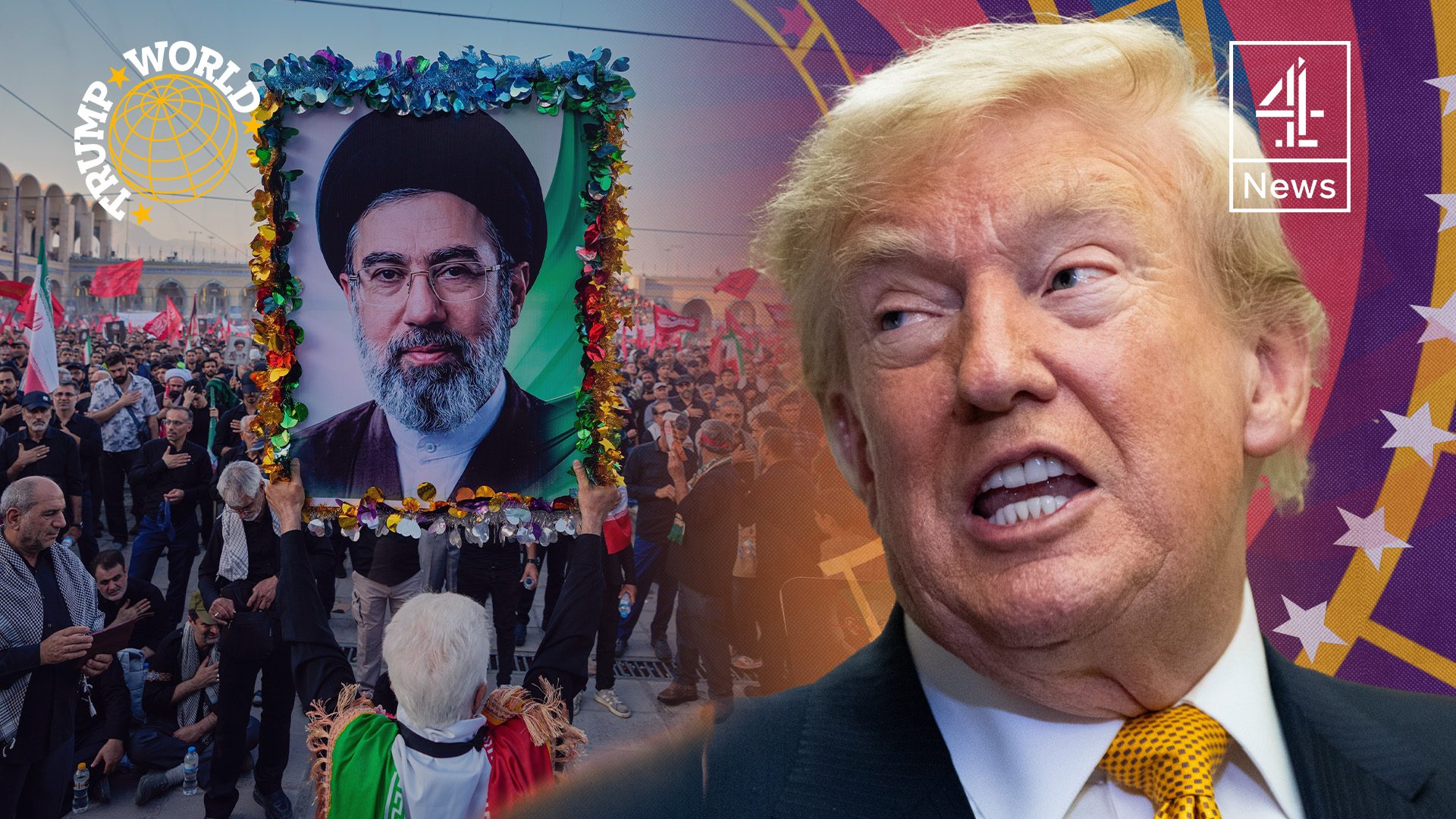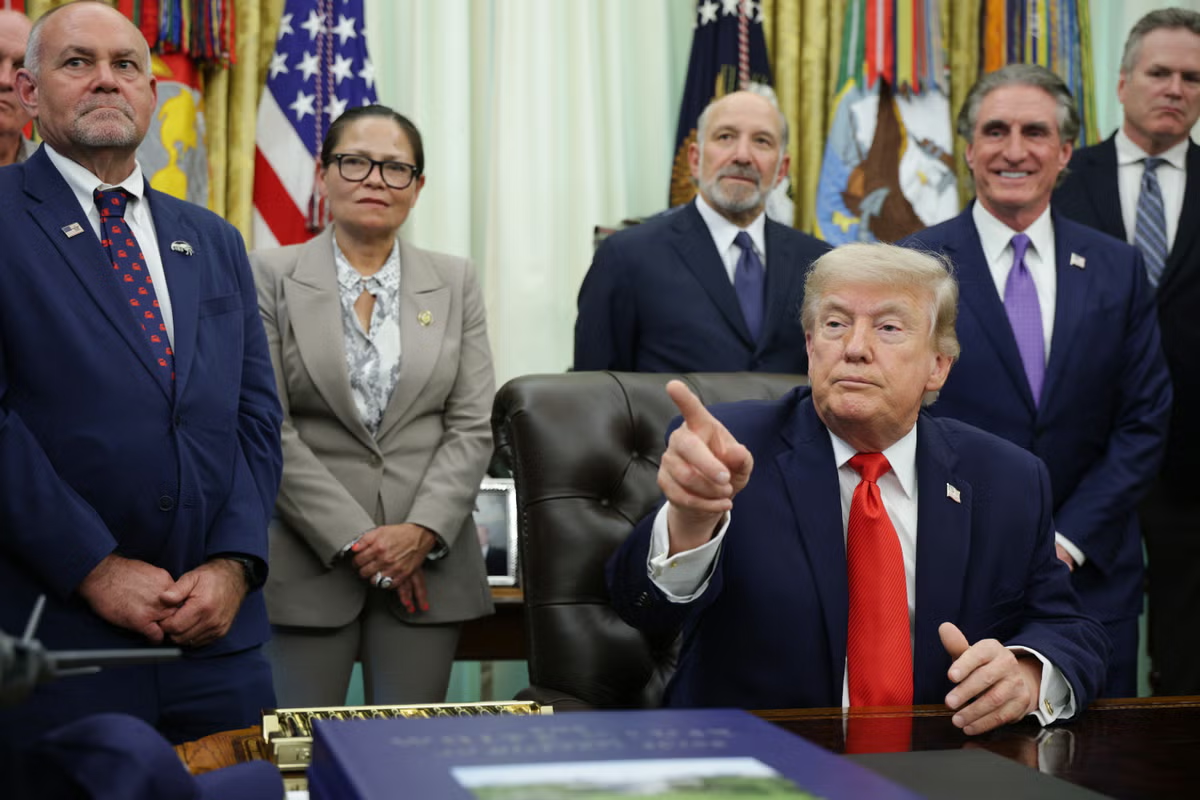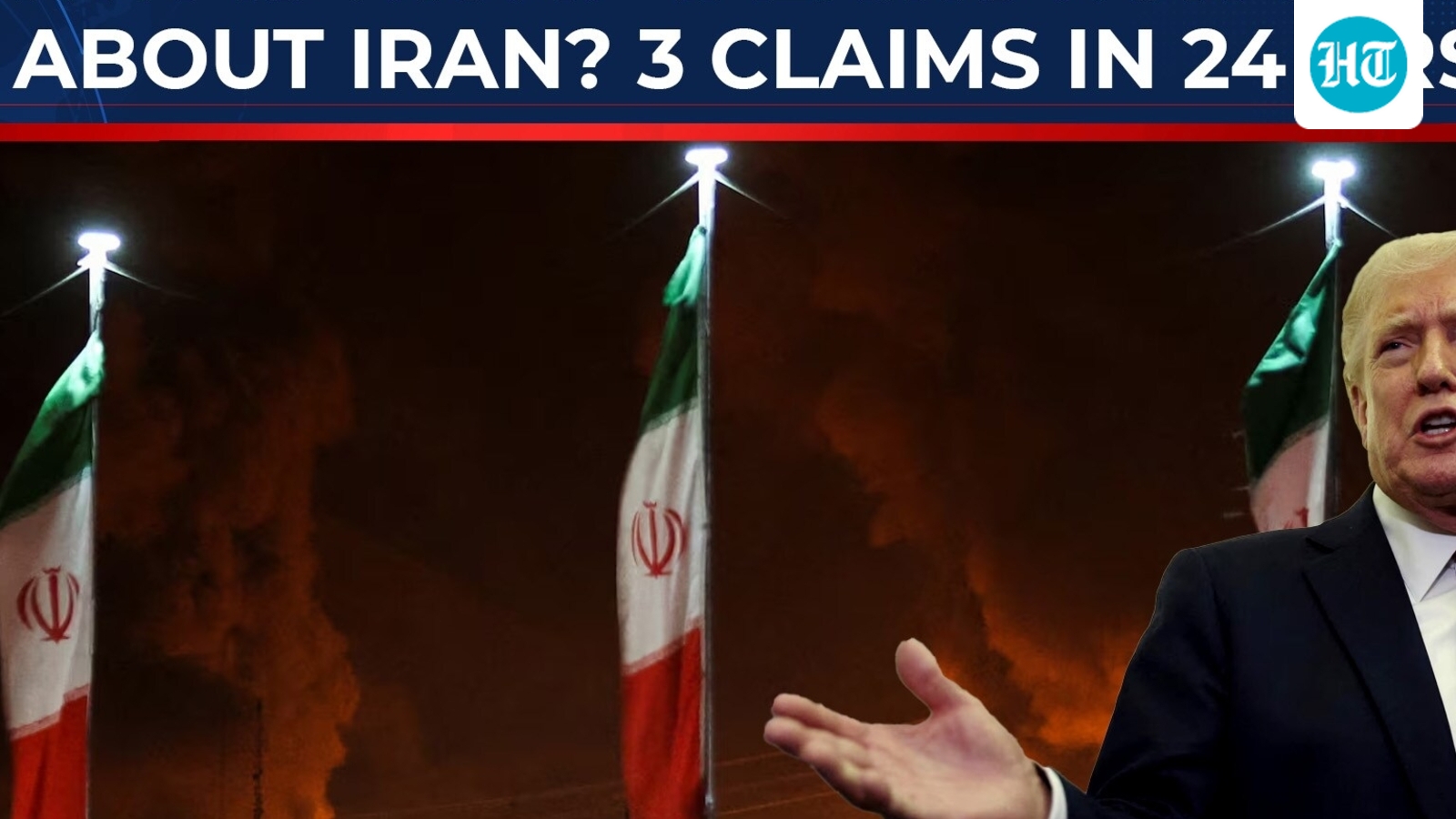
Once again, Iran has been „completely defeated”, said Donald Trump on June 10th. Confusingly, the „Bully of the Middle East”, despite being „DEAD!!!”, will have to „pay the price!!!” of not agreeing to Mr Trump’s peace terms. In reality, despite more than 100 days of being bombed and blockaded by the world’s top military superpower and its Israeli ally, the Iranian regime is emboldened. This week it downed an American helicopter and fired missiles at its Gulf neighbours and Israel. It is almost as if Iran is daring Mr Trump to scrap the shaky ceasefire and restart a hot war.
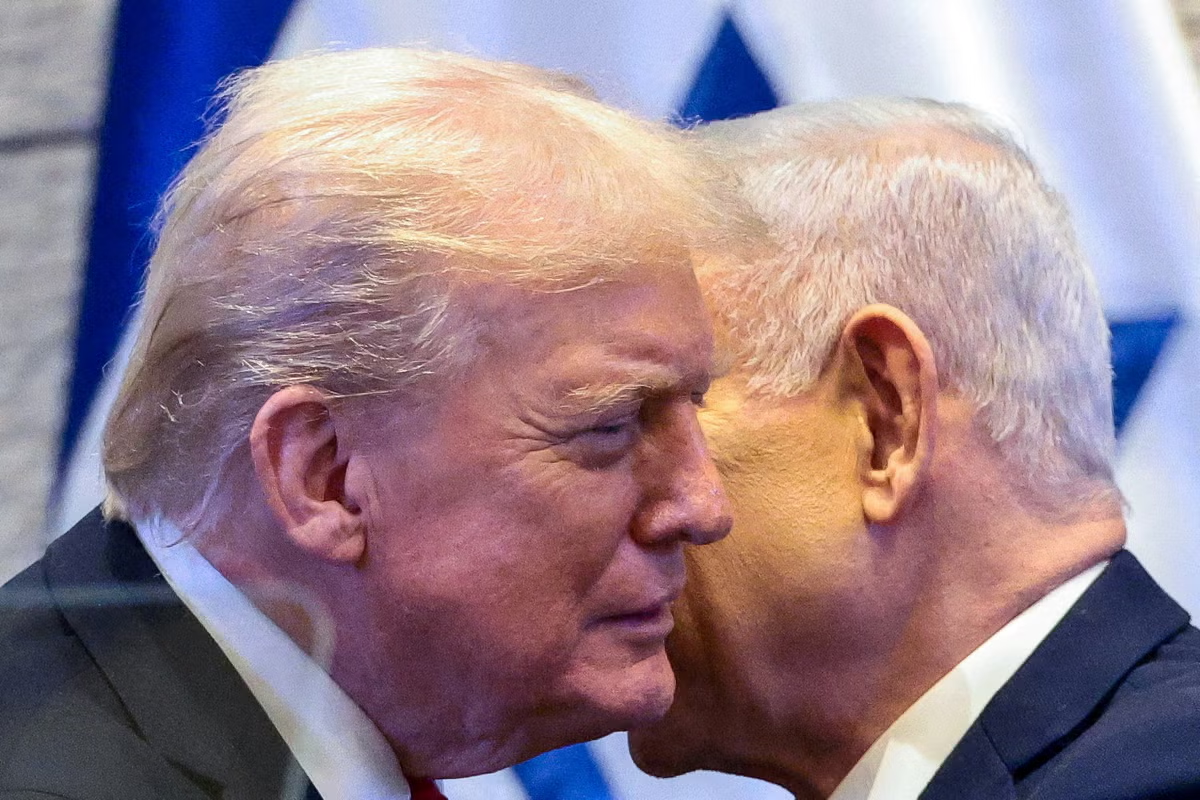
Mr Trump is in a triple bind. Iran is garrotting the global energy supply by threatening tankers in the Strait of Hormuz. Israel is bombing Lebanon, despite Mr Trump telling it not to. And hawks in America are pressing Mr Trump to chase unrealistic war aims. Something must eventually give. But the mess that Mr Trump created by starting the war could take longer to clear up than markets are expecting. The world must prepare for higher energy prices.
De redactie van NRC selecteert de beste artikelen uit The Economist voor een breder perspectief op internationale politiek en economie.
Inside Iran the situation is opaque. But the war seems to have strengthened the hand of hardliners, notably the Revolutionary Guards, who appear to be in charge. Iran’s people are suffering misery, penury and power cuts, but the latest attacks suggest that their rulers would rather risk a return to full-scale conflict than accept a peace deal on Mr Trump’s terms. After first playing down the tension, Mr Trump ordered retaliatory strikes, which in turn spurred Iran to launch more missiles.