AI and ML
Connect all the things and watch what happens
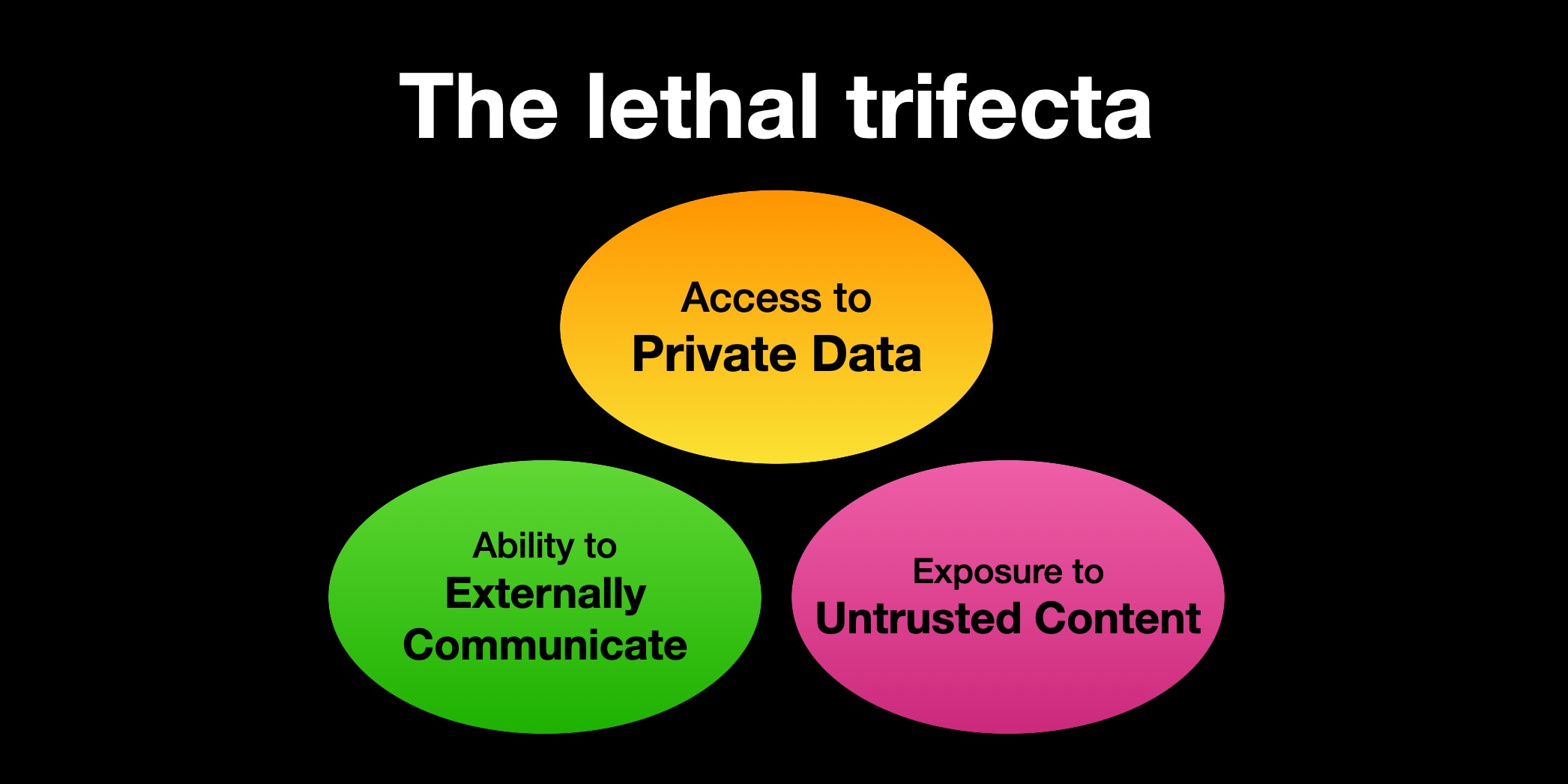
Avoiding the "lethal trifecta" – access to private data, exposure to untrusted content, and an external communication path – is difficult enough when working with AI agents.But the use of connectors – integrations with third-party services like Gmail or Slack – expands the scope of concern in a way that makes it exceedingly difficult to reason about defensive due diligence.PromptArmor, an AI security biz, recently looked at how OpenAI's ChatGPT and Anthropic's Claude work with connectors. The results are not reassuring.
Shankar Krishnan, co-founder of PromptArmor, told The Register in an email that enterprise adoption of connectors and the rate of change among connectors helped focus concern on the connector ecosystem.
Connectors share some of the risks of MCP servers, upon which connectors are based. "For connectors, the risks are mostly about the type of tools, what they can do, where the data is going, and what is being done with the data," said Krishnan.Introduced about a year ago, connectors (for Claude or ChatGPT) have been going through a lot of changes recently. According to PromptArmor, 931 of 2,517 connectors (37 percent) changed over the six-week period from mid-May to the end of June. So any security assumptions based on declared capabilities may no longer be valid.PromptArmor found that 1,686 new tools were added to connectors that were already live, creating new ways for AI models to operate on user data and interact with third-party services.It also found that 1,127 tool descriptions were rewritten, potentially changing how and when an AI model decides to invoke a tool.And there are a variety of other changes, all of which potentially could raise data security concerns or invalidate governance assumptions.PromptArmor cited the Dropbox connector as an example, noting that at the start of the study it exposed eight tools and by the end of the study that number had risen to 24. It went from having three write-capable tools to 10, and from zero potentially destructive tools to four. Permission scopes changed and injected instructions for the model were added.