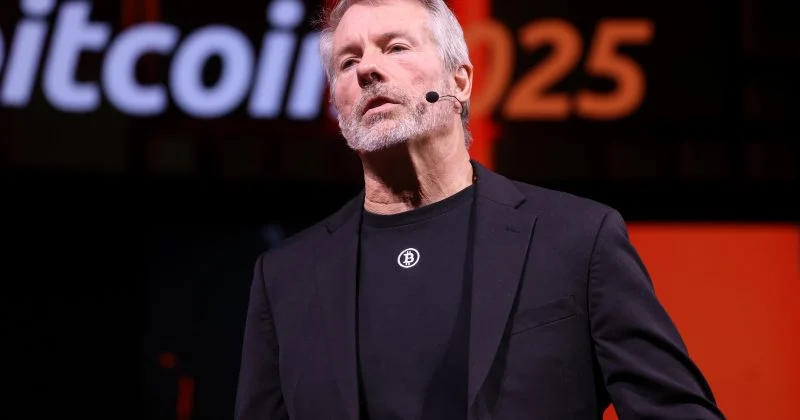
Michael Saylor, the man whose company holds more Bitcoin than some small nations hold in gold reserves, has a message for anyone trying to tidy up the blockchain: don’t.
The Strategy executive chairman published a lengthy essay and social media thread on July 18-19 laying out what he calls “110 reasons” against BIP-110, a proposed temporary soft fork designed to restrict the embedding of large non-financial data in Bitcoin transactions.
What BIP-110 actually proposes
BIP-110, formally titled the “Reduced Data Temporary Softfork,” would introduce several technical constraints aimed at curbing what its supporters consider blockchain spam. The proposal would cap outputs at 34 bytes and restore an 83-byte limit on OP_RETURN outputs, effectively invalidating data strings over 256 bytes that protocols like Ordinals have been using to embed images, text, and other non-monetary content directly onto Bitcoin.
The soft fork is designed to be temporary, lasting roughly one year before the community would evaluate whether to continue it. Activation would require approximately 55% miner signaling, a threshold that sounds modest but has proven difficult to reach.