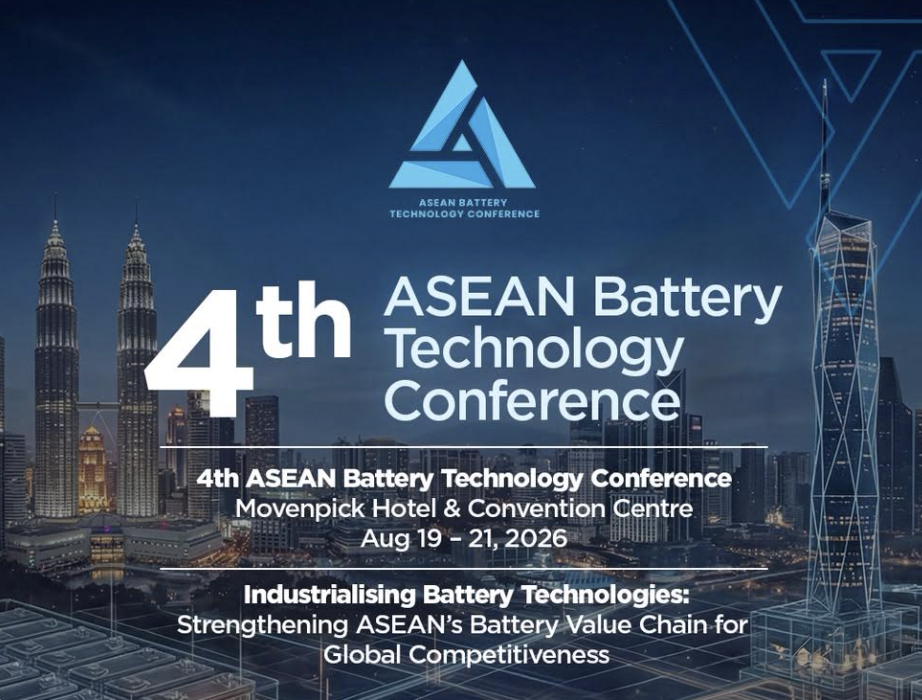
PUTRAJAYA, Malaysia — The rapid transition of Southeast Asia toward clean energy is moving from the early adoption of electric mobility to a regional industrialization effort. When the 4th ASEAN Battery Technology Conference opens next month in Sepang, Malaysia, the focus will pivot from policy framework proposals toward the engineering realities of cell manufacturing, thermal runaway mitigation, and localized chemical supply loops.
This transition represents an evolutionary step for the Association of Southeast Asian Nations. While the region has long held significant raw mineral assets, it has historically lacked the integrated manufacturing stack required to compete with global battery super-factories. The upcoming conference, scheduled for August 19 to 21 at the Mövenpick Hotel & Convention Centre KLIA under the theme “Industrialising Battery Technologies: Strengthening ASEAN’s Battery Value Chain for Global Competitiveness,” aims to address this industrial deficit.
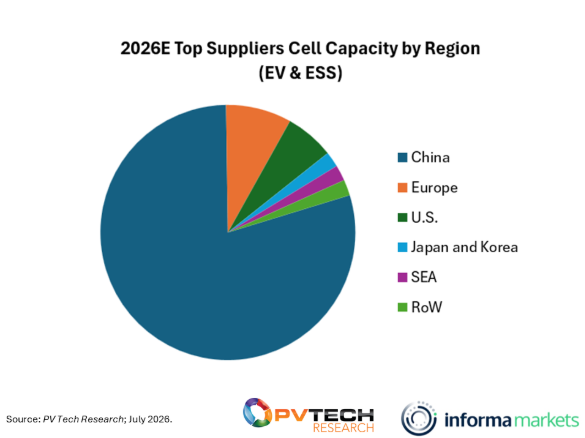
Historically, Southeast Asia approached the energy storage economy through the lens of extraction. Indonesia holds vast nickel reserves, while neighboring nations manage critical components of the global supply chain. However, exporting raw precursors or unrefined ore does not create a resilient regional industry. The technical presentations scheduled for the gathering highlight a definitive push toward domestic chemical synthesis, active material processing, and specialized cell design tailored for the unique climate and market conditions of the tropics.