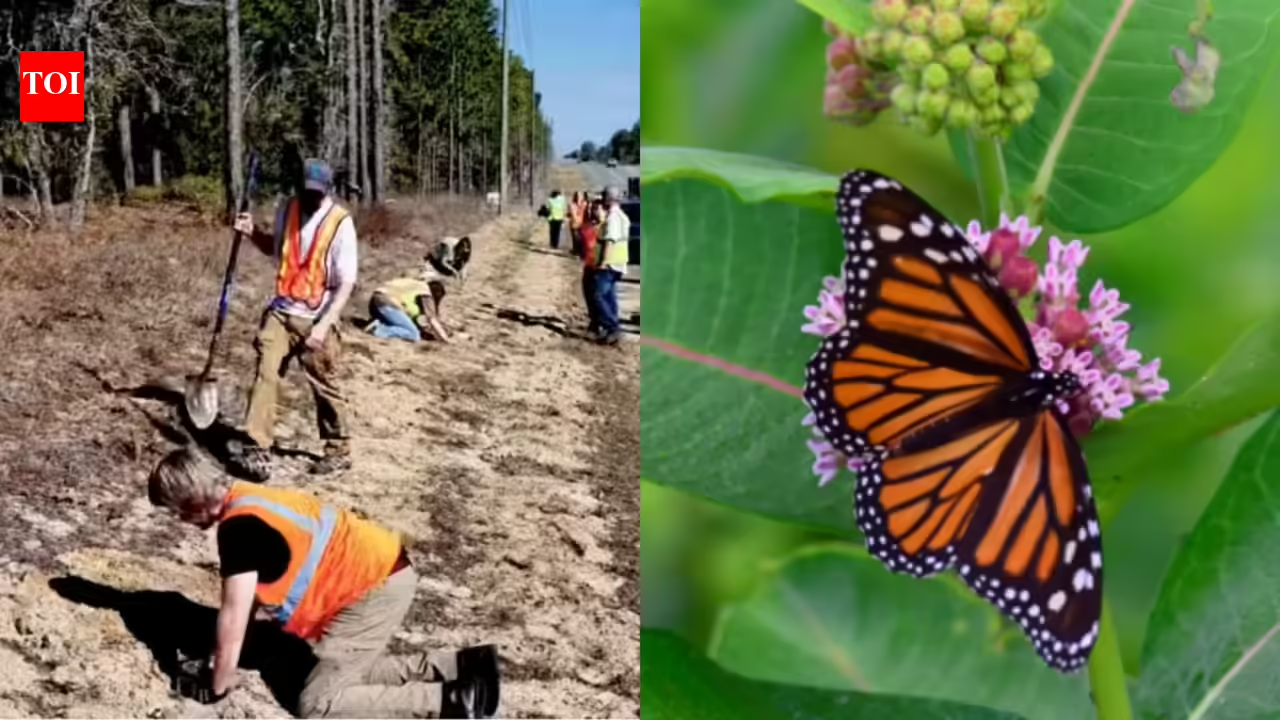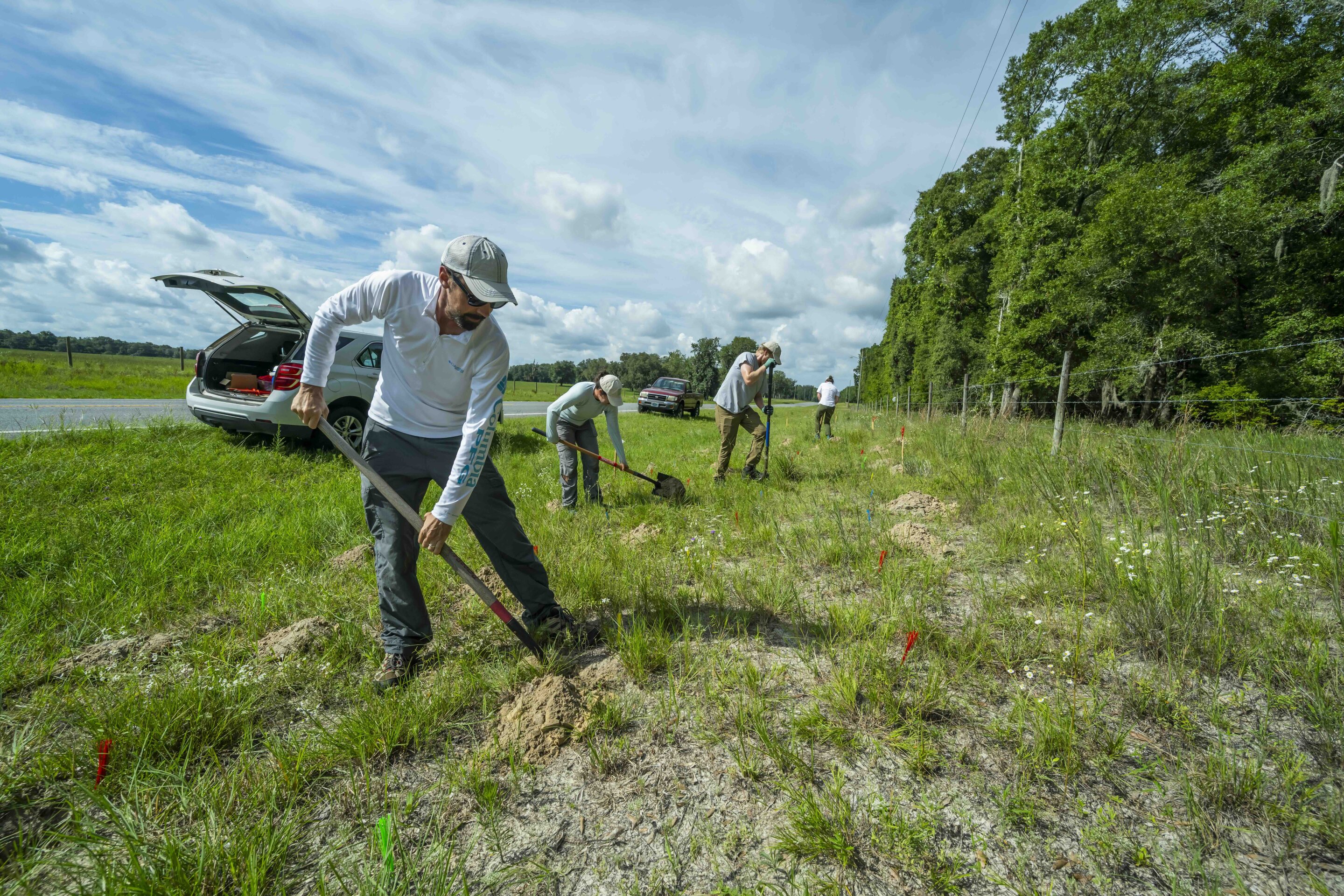
Museum and FDOT employees both had boots on the ground to help get plants established. Credit: Florida Museum photo by Jeff Gage
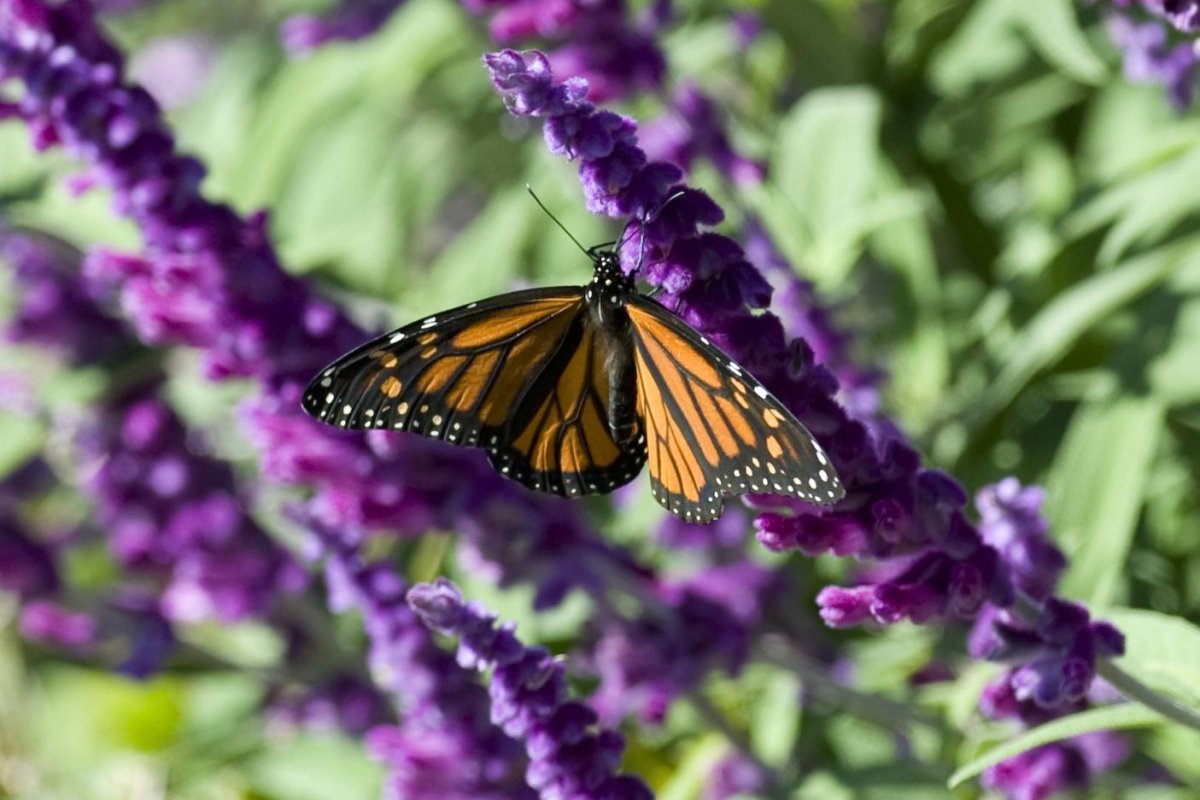
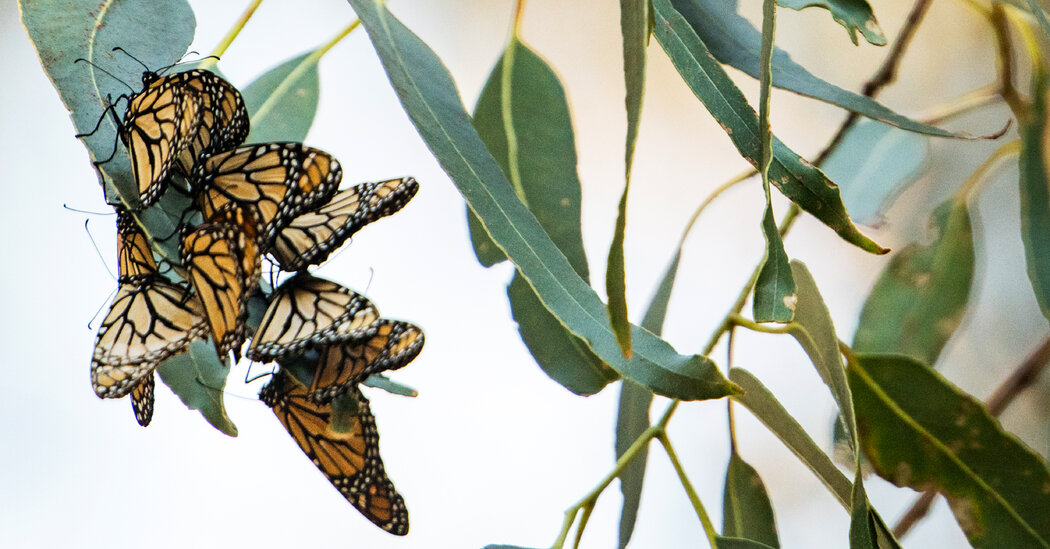
If you've driven down two-lane highways in rural parts of North Florida recently, you may have noticed a spate of new signs that designate the grassy knolls bordering the asphalt as wildflower areas. The signs likely feel redundant right about now as thousands of milkweeds produce thick umbels packed full of pentagonal buds and fully developed flowers. Many of these flowers and all the monarchs they attract have the same attention-grabbing orange color as the safety vests worn by workers who carefully planted each milkweed by hand months earlier.
"It's been a lot of work but also really exciting to see," said Jaret Daniels, curator of Lepidoptera at the Florida Museum of Natural History. "We've had good success with plant establishment, and we've seen monarchs using the plants already in the field."
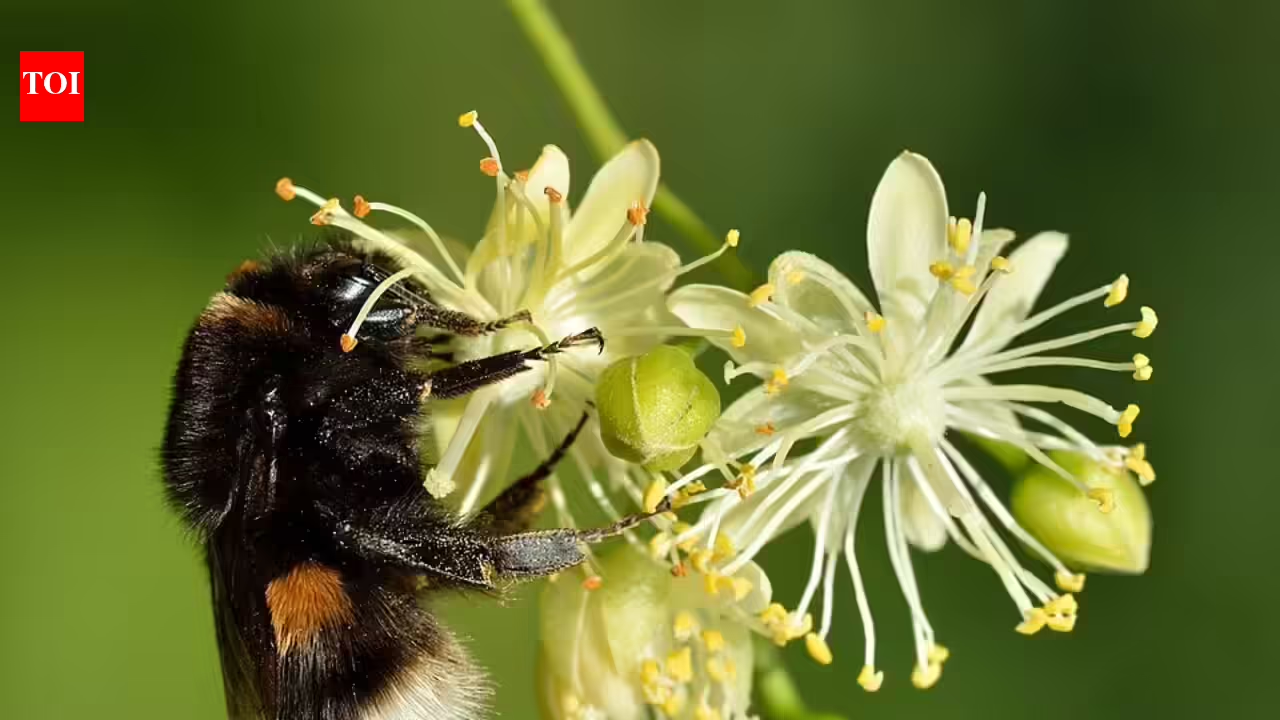
The work is part of an initiative led by the University of Illinois Chicago to transform the vacant rights-of-way alongside roads, power lines and train tracks into environmental corridors for monarch butterflies and other pollinators. The Florida Department of Transportation signed on to this voluntary initiative—given the lengthy name of a candidate conservation agreement with assurances for the monarch butterfly—in 2024, agreeing to manage 10,200 acres (16 square miles) of roadside real estate for conservation, in part, by adding a few pollinator pit stops in strategic locations.