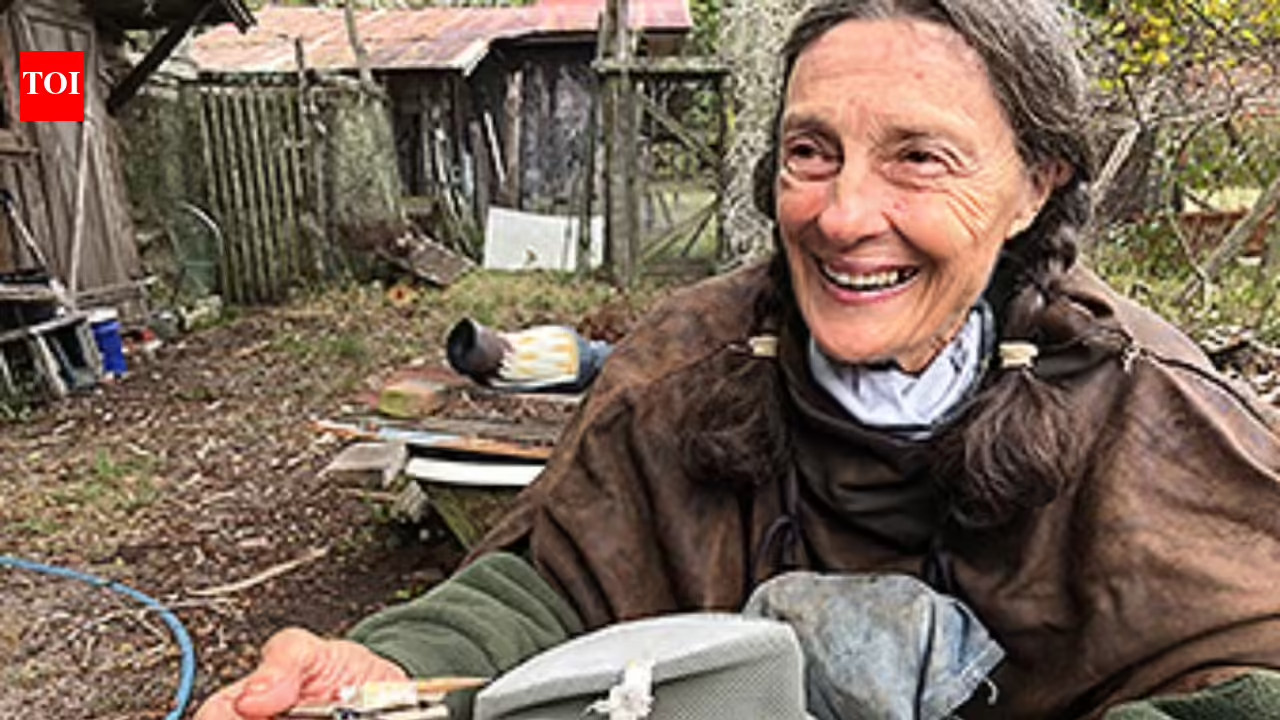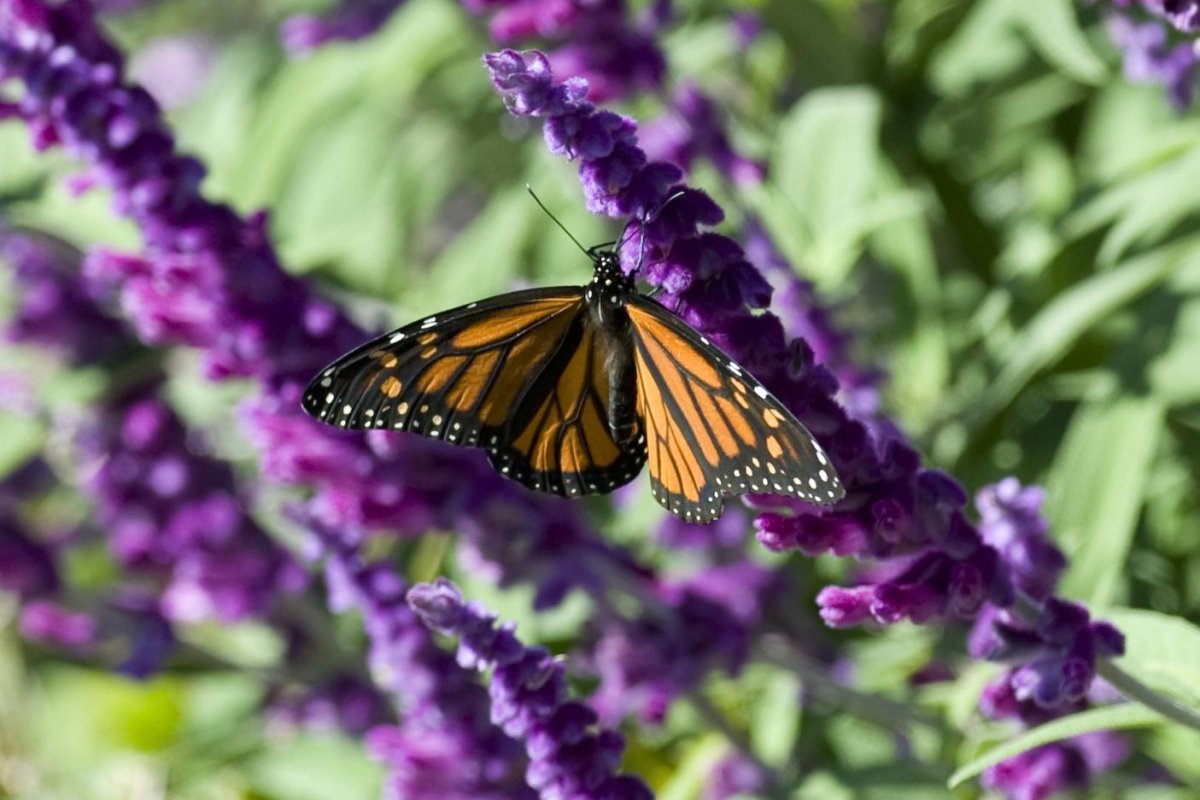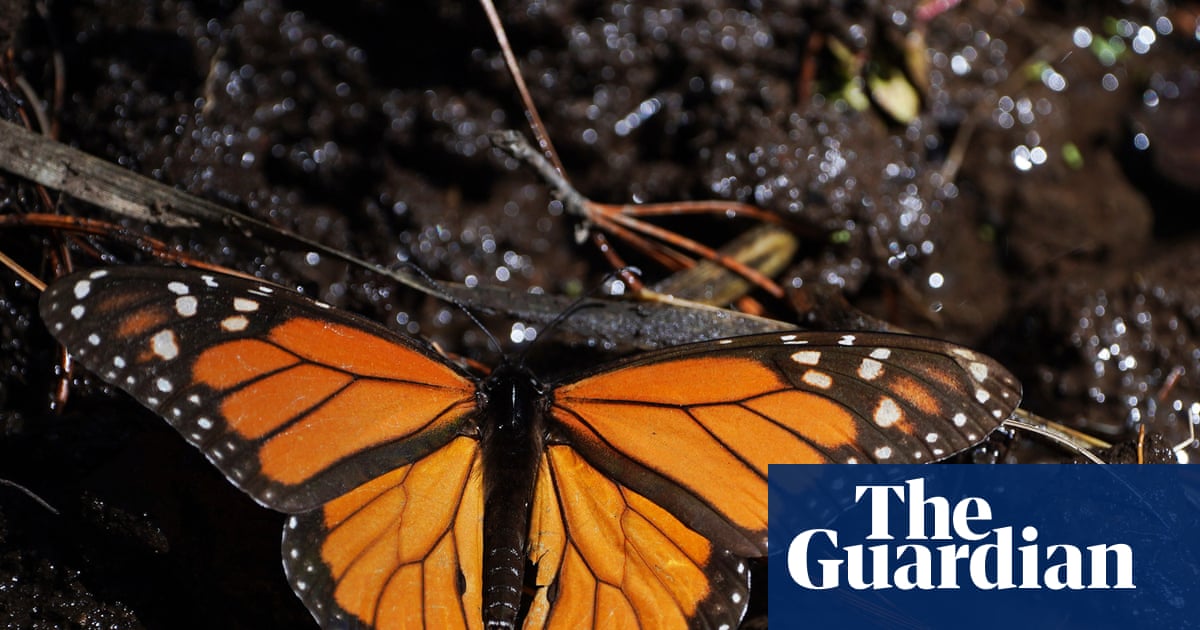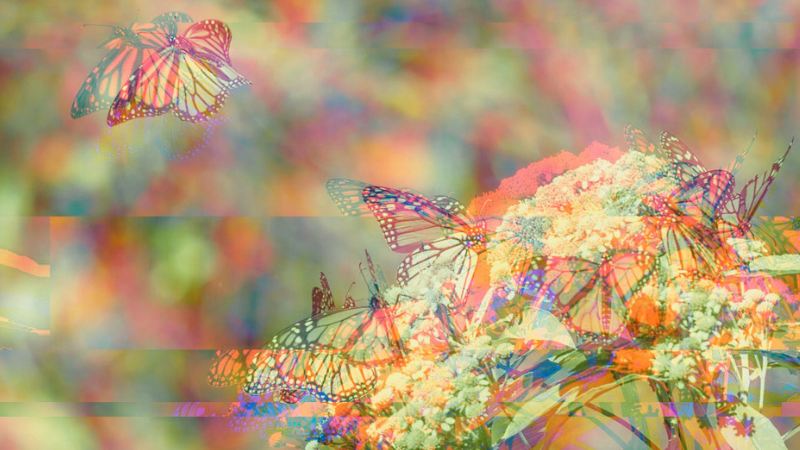
When she was growing up, Mia Monroe remembers, monarch butterflies were a natural part of the rhythm of life. This was in the 1960s, and Mia and her family lived in San Carlos, California, at that time a bedroom community of redwood bungalows and postwar cottages located south of San Francisco. She was a “nature kid,” and from a very early age, she recalls, monarchs shaped her emotional landscape.
She gathered the milkweed that grew in clumps along the railroad tracks near the town’s train station, then took the plants home to rear sets of caterpillars. Fall was marked by the arrival of migrating monarchs making their way to their rainy-season homes on the coast. Winter meant going with her grandmother to the famed butterfly clustering site at the Monarch Grove Sanctuary in the town of Pacific Grove.
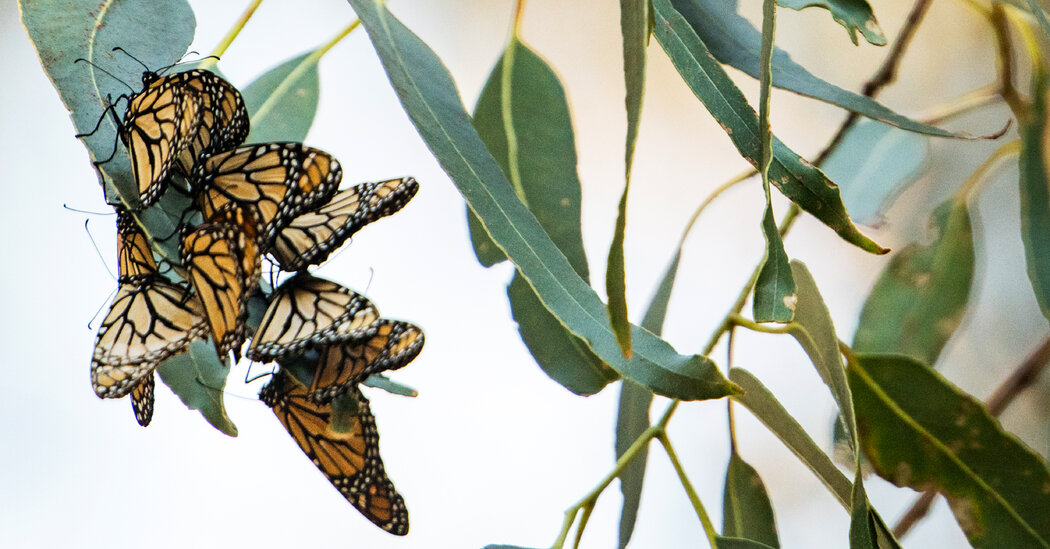
Pacific Grove—a cute little seaside village on the southern lip of Monterey Bay—had long been a tourist destination for monarch-spotting. A 1914 monograph, The Butterfly Trees, celebrated how the monarchs came to town each winter to “hang in masses from the boughs, thousands upon thousands…absolutely countless.” There in the stands of pine and eucalyptus, Mia and her grandmother would stare upward, their eyes working to pick out the patterns of folded wings in the overstory. Whole limbs were frocked with ochre insects like coppery Christmas-tree decorations. The clusters dripped earthward: orange-and-black bangles dangling from needle and leaf.