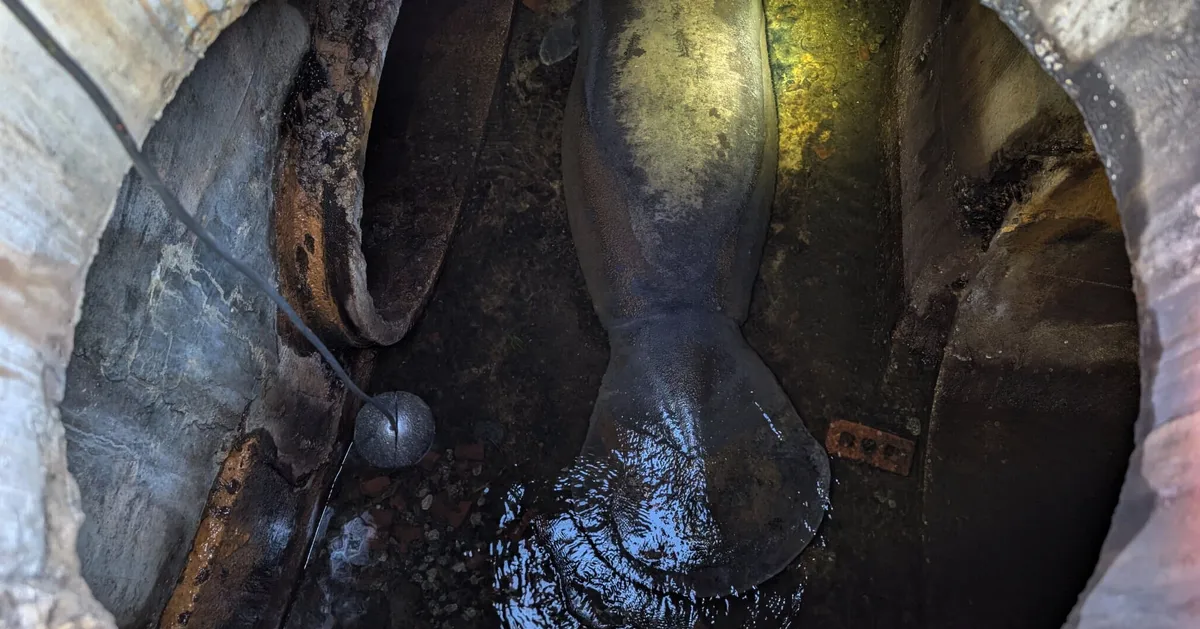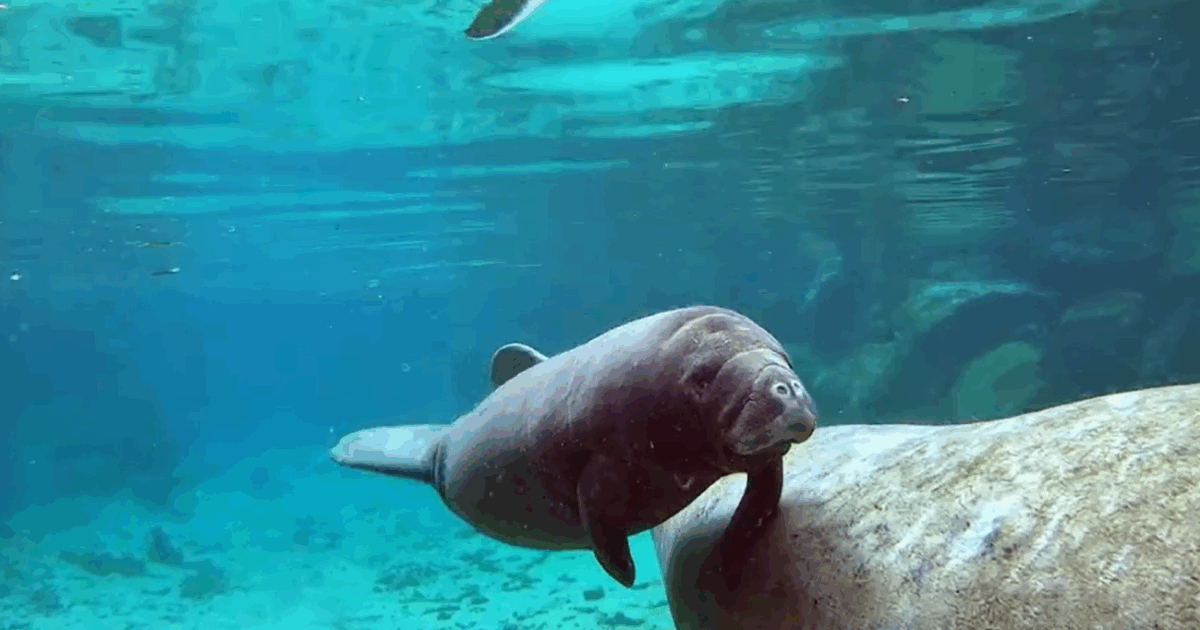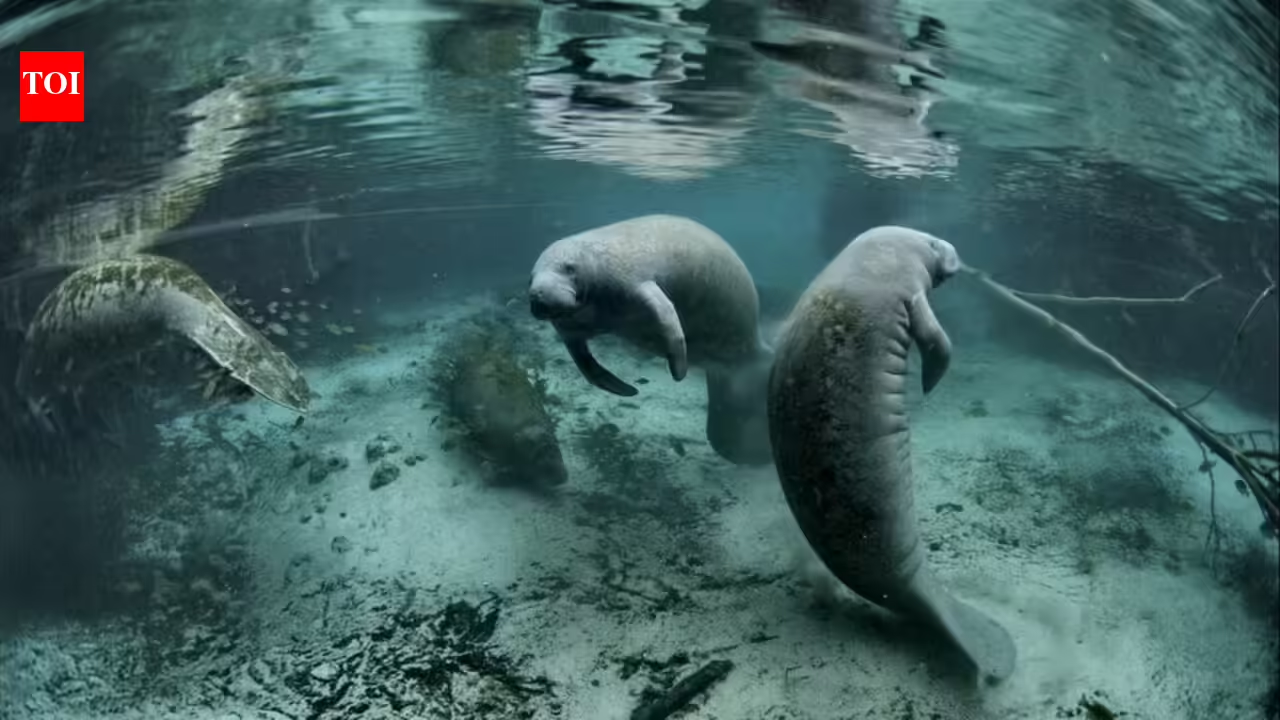
Florida officials provided thousands of pounds of lettuce weekly to starving manatees. This emergency measure addressed an all-time high number of manatee deaths in 2021. Image Credit: Wikimedia CommonsWildlife officials were seen dumping truckloads of lettuce into the water. In Florida during the winter of 2021–22, state and federal authorities launched an emergency effort to save one of the state’s most cherished marine mammals.With manatee deaths due to starvation reaching an all-time high, authorities began providing up to 20,000 pounds (approximately 9,000 kilograms) of lettuce to the Indian River Lagoon each week. The program was an emergency measure and had not previously been used for wild manatees.According to the Florida Fish and Wildlife Conservation Commission (FWC), 1,101 manatees died in Florida in 2021, making it the deadliest year ever recorded for the species. Many of the deaths were linked to starvation, especially among manatees living near Florida’s Atlantic coast.Why were Florida manatees dying of starvation?The crisis centered on the Indian River Lagoon, one of North America’s most biologically diverse estuaries and a winter refuge for Florida manatees. During colder months, large numbers of manatees gathered in warm-water effluents released by power plants within the lagoon.These manatees typically relied on extensive seagrass beds for food. However, the lagoon had been under pressure from pollution for years. This caused recurring algal blooms that blocked sunlight from reaching the seabed and killed the seagrass.According to the Florida Fish and Wildlife Conservation Commission, manatees are almost completely herbivorous, eating 4 to 9 percent of their body weight in vegetation daily. With little food available, many manatees could not survive. Officials classified the incident as an “unusual mortality event,” and starvation became the main cause of death in the affected area.Manatees faced starvation as pollution killed essential seagrass beds in the Indian River Lagoon. While the feeding program helped some animals, it was not a long-term solution. Restoring water quality and seagrass habitat remains crucial for manatee survival. Image Credit: Wikimedia CommonsThe first emergency feeding programmeTo save more animals, the Florida Fish and Wildlife Conservation Commission and the U.S. Fish and Wildlife Service launched an emergency supplemental feeding programme in December 2021. The program was new because officials were feeding wild manatees in the wild rather than animals in rehabilitation centers.Wildlife experts eventually delivered up to 20,000 pounds of Florida lettuce each week to the feeding location at the Indian River Lagoon. At first, the manatees did not eat the lettuce, raising concerns about the program’s effectiveness. After several weeks, however, the animals began consuming it, allowing the program to expand. The program was temporary, and experts advise people not to feed manatees because it can alter their natural behaviour.Was the lettuce initiative effective?Although the emergency feeding helped some debilitated manatees survive, scientists never considered it a long-term solution. According to the Associated Press, more than 200,000 pounds of lettuce were distributed during the first feeding period. While manatee deaths declined in 2022 compared with 2021, authorities stressed that emergency feeding alone could not address the underlying problem.Conservation experts say feeding wild manatees is no substitute for healthy natural ecosystems. According to the Florida Fish and Wildlife Conservation Commission and the U.S. Fish and Wildlife Service, improving water quality and restoring seagrass habitat are key to sustaining Florida’s manatee population.Controlling nutrient pollution is considered essential to prevent harmful algal blooms and help underwater vegetation recover. Restoration work has begun in the Indian River Lagoon, but it will take time to restore the seagrass beds.An illustration of how vulnerable ecosystems can becomeImages of boats transporting thousands of pounds of lettuce to starving manatees drew worldwide attention and showed how far conservationists would go to protect the species. The story also underscored that the crisis was driven not by a lack of lettuce but by damage to the ecosystem manatees depend on. While the emergency feeding program helped prevent further deaths in the short term, specialists say Florida’s manatees can thrive only if their habitat is protected.
In 2021, Florida officials began trucking 20,000 pounds of lettuce a week to starving manatees in the Indian River Lagoon, a first-ever bid to halt a record die-off
Wildlife officials were seen dumping truckloads of lettuce into the water. In Florida during the winter of 2021–22, state and federal authorities launched an emergency effort to save one of the state’s most cherished marine mammals.
660 words~3 min read