(Image credit: Paramount Pictures)
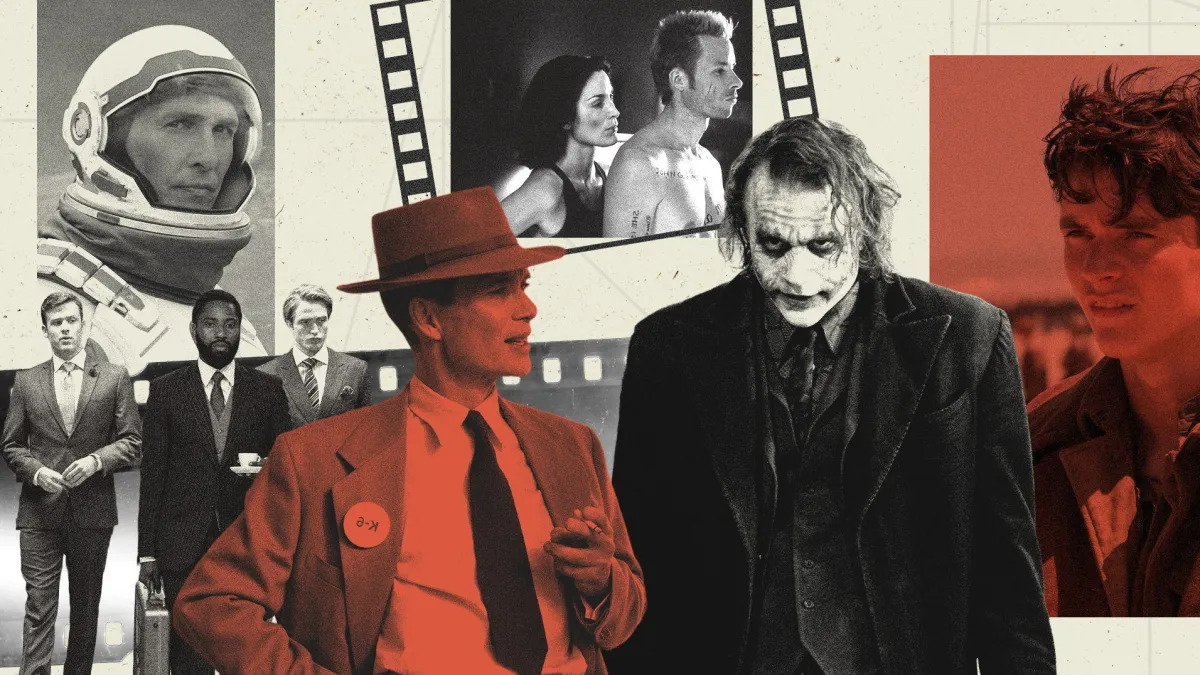
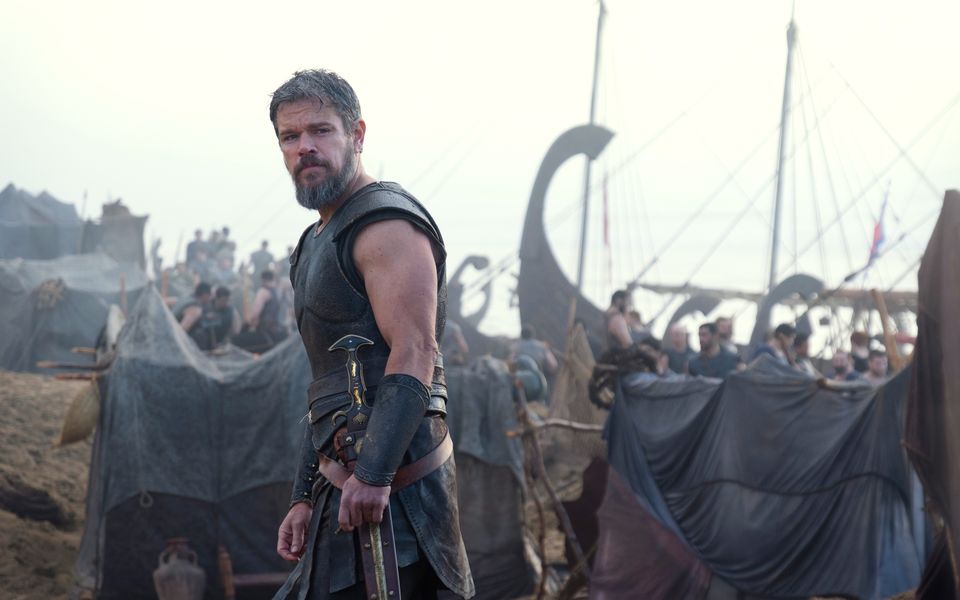
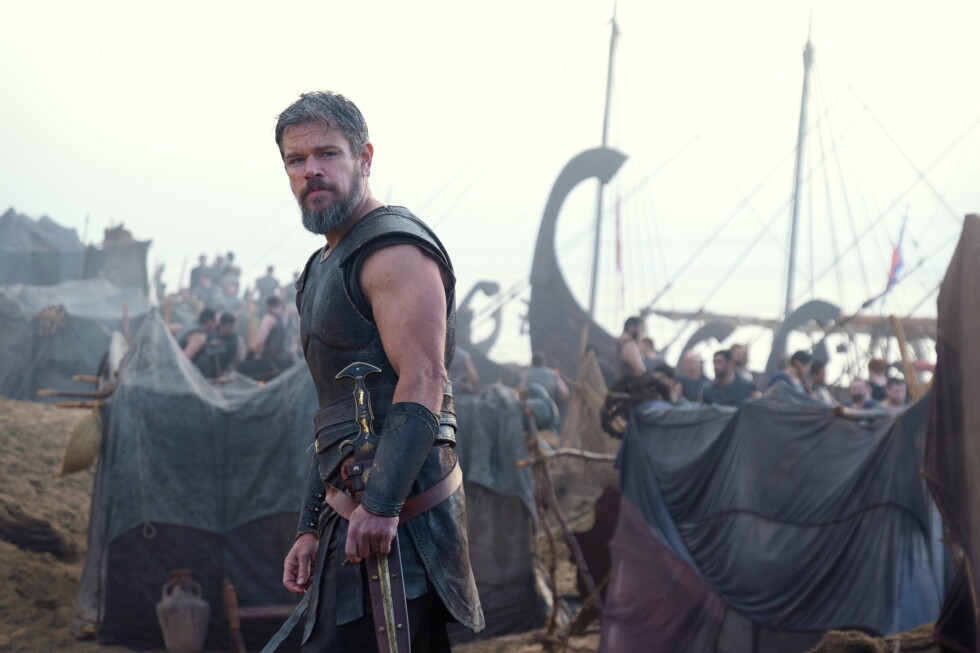
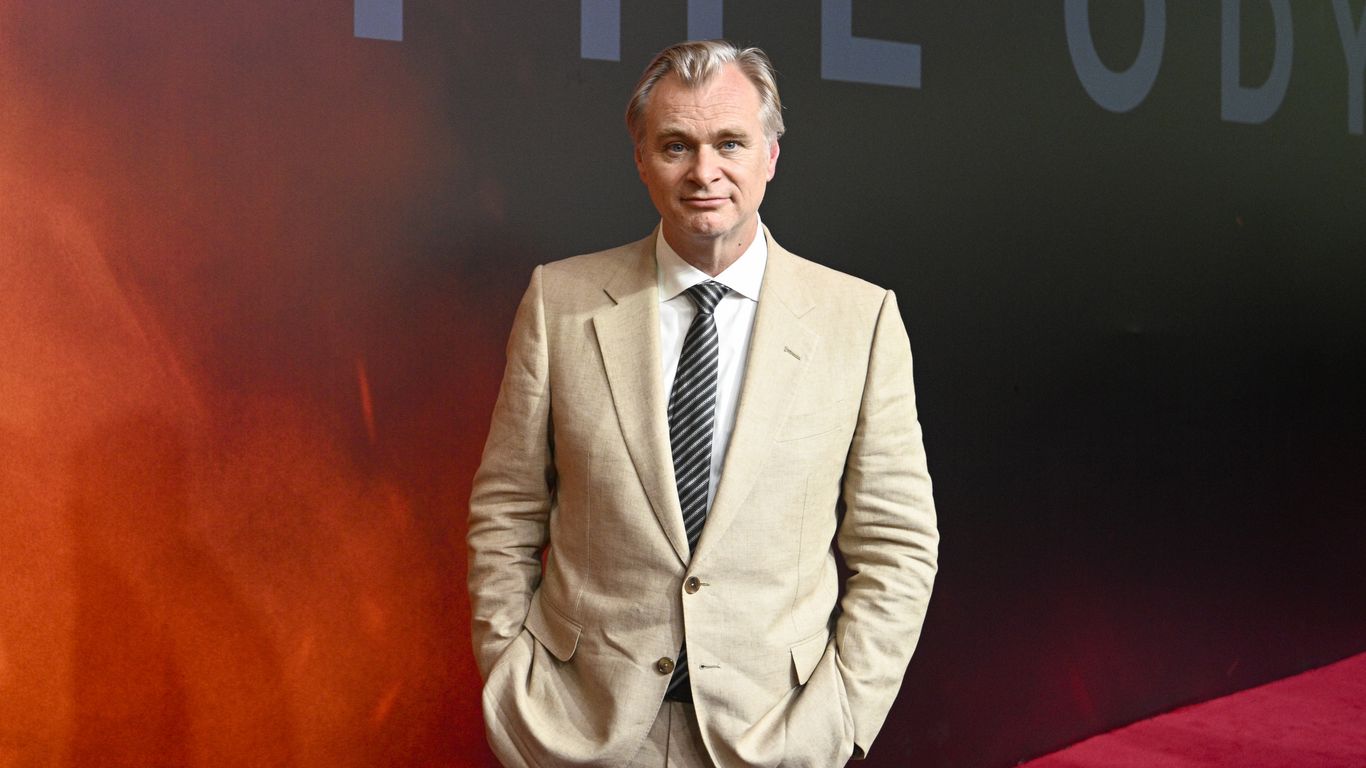
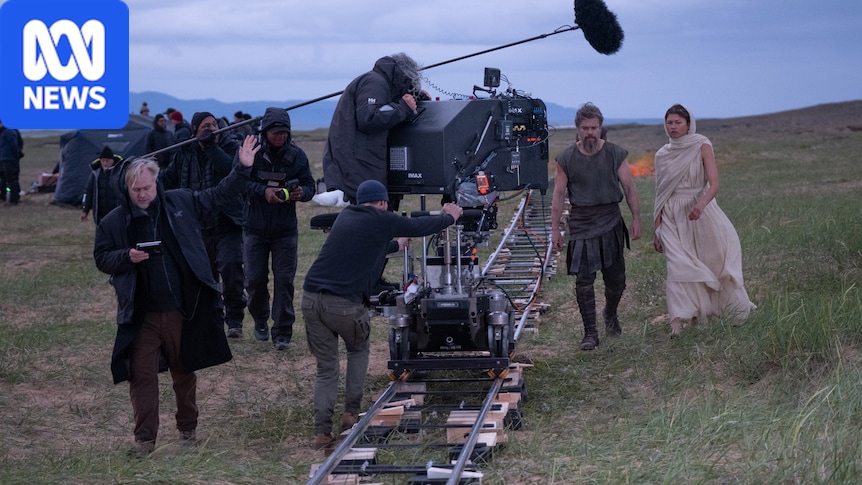
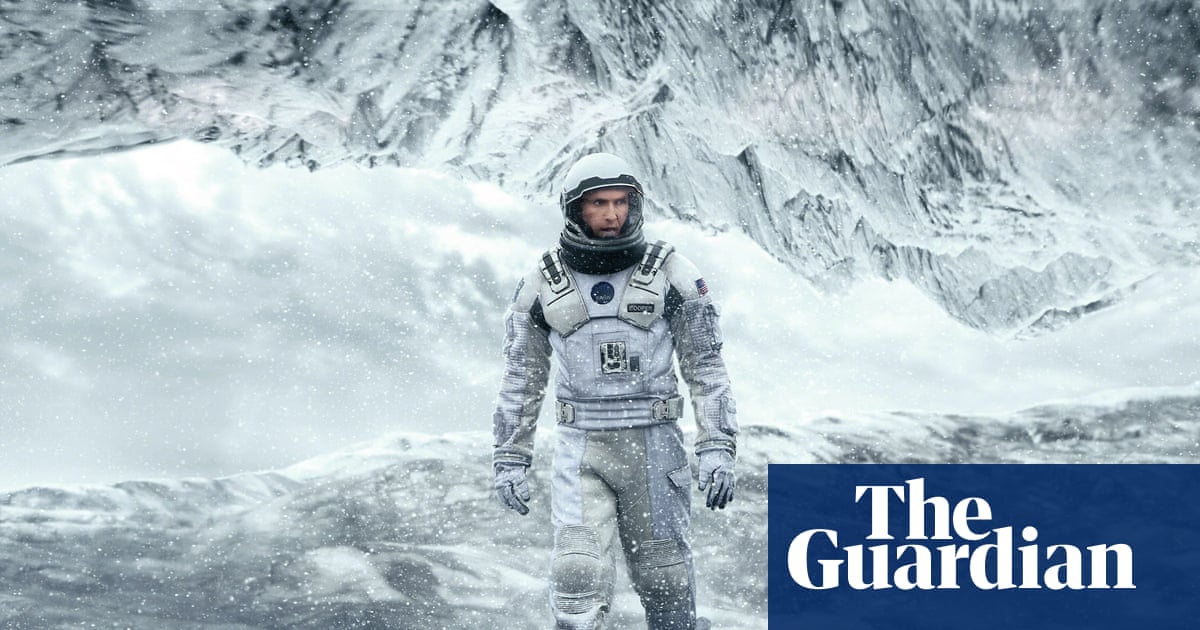
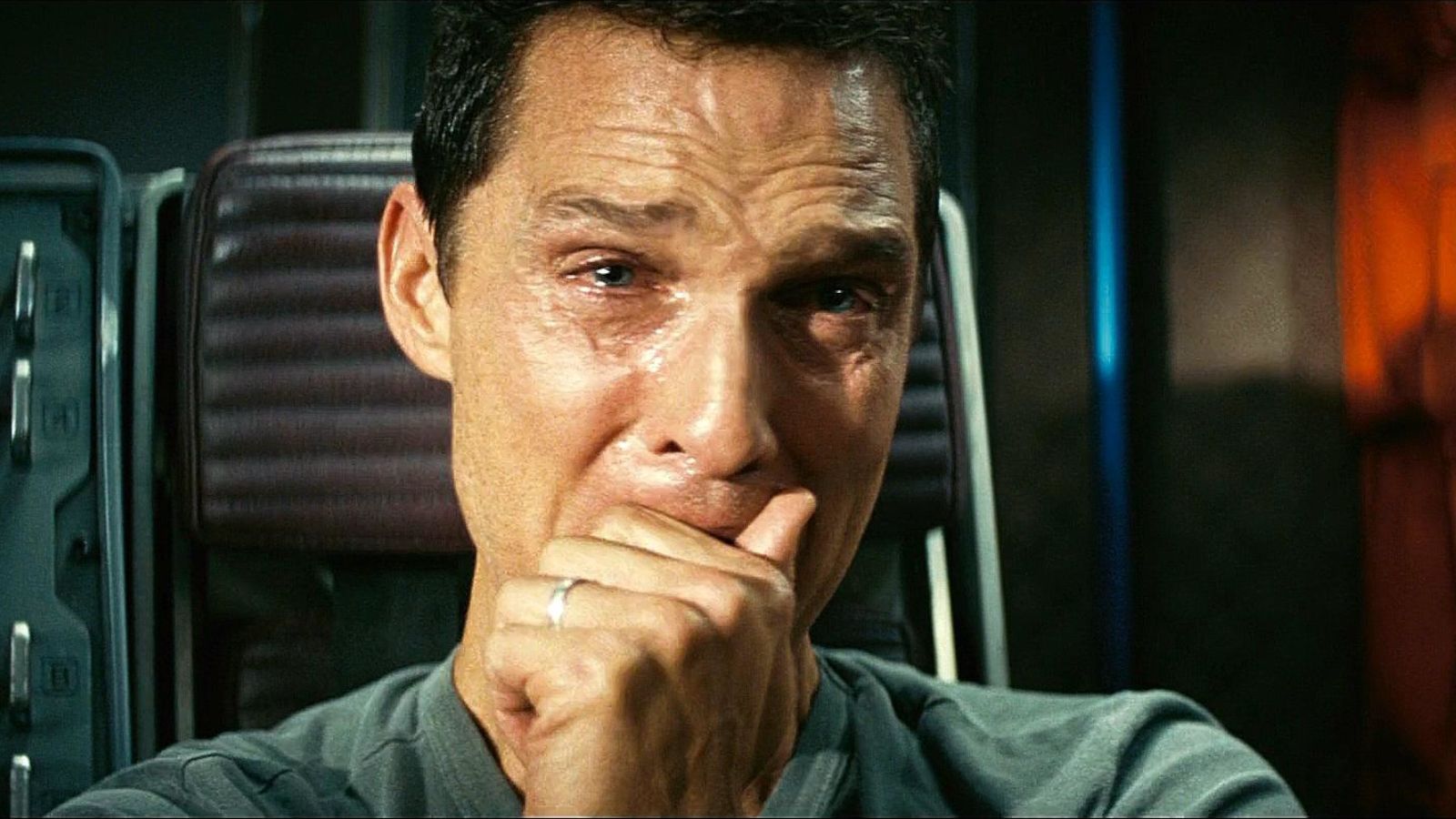
The biggest blockbusters of 2014 threw up a varied rogues' gallery of bad guys. In "Transformers: Age of Extinction", it was a reincarnated version of Optimus Prime's perma-nemesis, Megatron, while Captain America faced off against a reborn Hydra infiltrating the upper echelons of the US government in "The Winter Soldier". For Spider-Man, it was Electro, while Maleficent showed up in live-action to give Sleeping Beauty nightmares.Christopher Nolan has never been one to go with the Hollywood crowd, however, and in his outer space opus "Interstellar", the antagonist was time itself — or, to be more specific, Einstein's theory of general relativity.Nolan, whose Homeric epic "The Odyssey" makes landfall in theaters this week, has always been obsessed with time, and our perception of it. From "Memento"'s backwards narrative to "Tenet"'s time-flipping terrorists, the director has tended to steer clear of linear narratives. Even the three interweaving plotlines of his World War II drama, "Dunkirk", unfold at completely different speeds. In short, Nolan is not a filmmaker you should ever set your clock by.But time has never been as cruel as it is in "Interstellar", where the fundamental constants of the universe combine to wreak havoc with human emotions. "Time is relative," explains Anne Hathaway's biologist/astronaut Amelia Brand. "It can stretch, and it can squeeze, but it can't run backwards. It just can't."She's summed up "Interstellar" in a nutshell, so it's not hard to see why this was the story Nolan wanted to tell when he added his own entry to the canon of cerebral cinematic sci-fi.