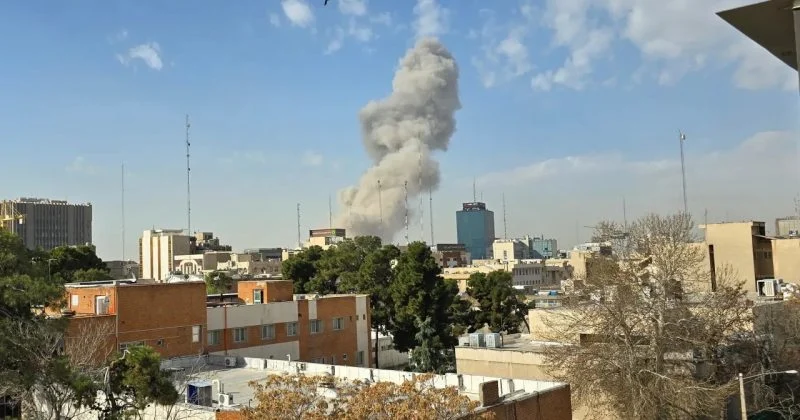
Geopolitics has a habit of showing up uninvited to the crypto party. This time, it arrived with missiles.
Iranian strikes on the Al Azraq base in Jordan on July 18 killed two American service members and left one missing. The US responded with airstrikes of its own, breaking a fragile ceasefire that had briefly cooled tensions in the Strait of Hormuz region. What followed in financial markets was predictable: investors reached for the exits on anything that looked remotely risky.
Bitcoin, which had been trading near $65,500 just before the escalation, retreated toward the $64,000 level as the exchange of attacks intensified. That is a roughly 2% pullback in a matter of sessions, not catastrophic by crypto standards, but the direction of travel told the real story.
Why a military conflict in the Middle East moves Bitcoin
The Strait of Hormuz is the chokepoint through which a significant share of global oil supply passes. Any credible threat to that corridor sends oil prices higher, which in turn raises inflation expectations, which tightens the financial conditions that risk assets depend on. The chain reaction from military strike to Bitcoin price is indirect, but it is real and it is consistent.