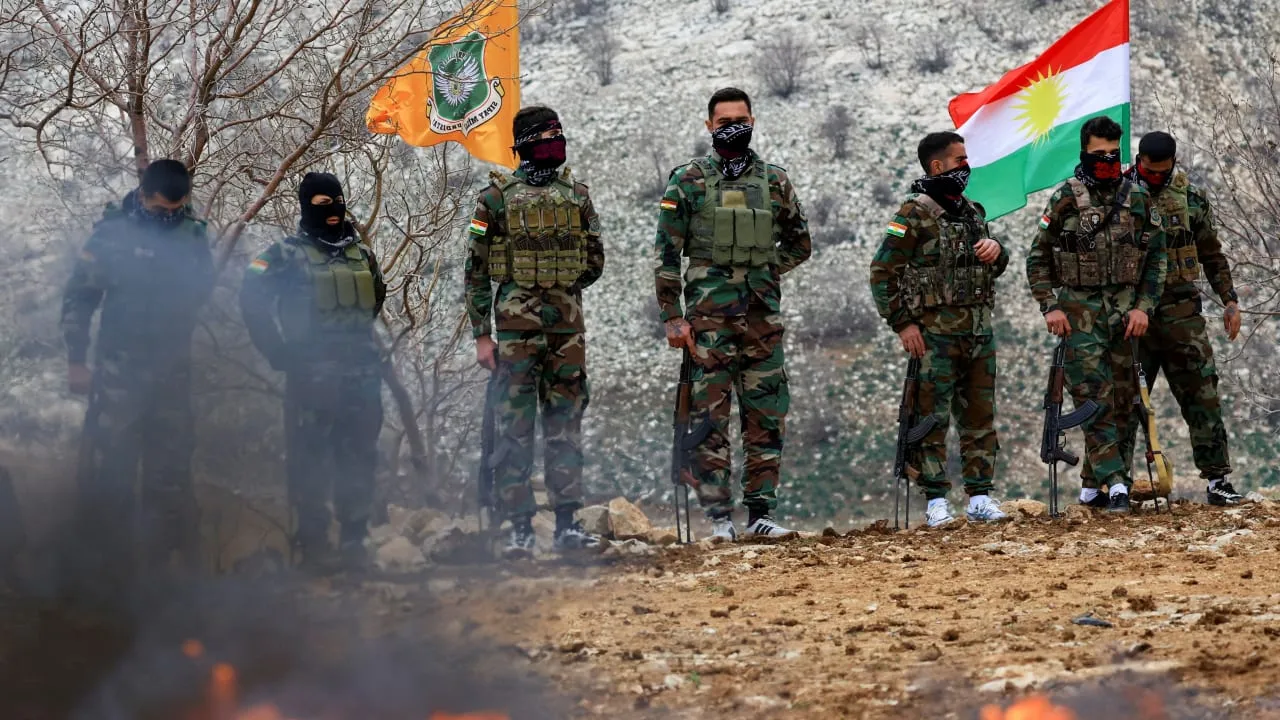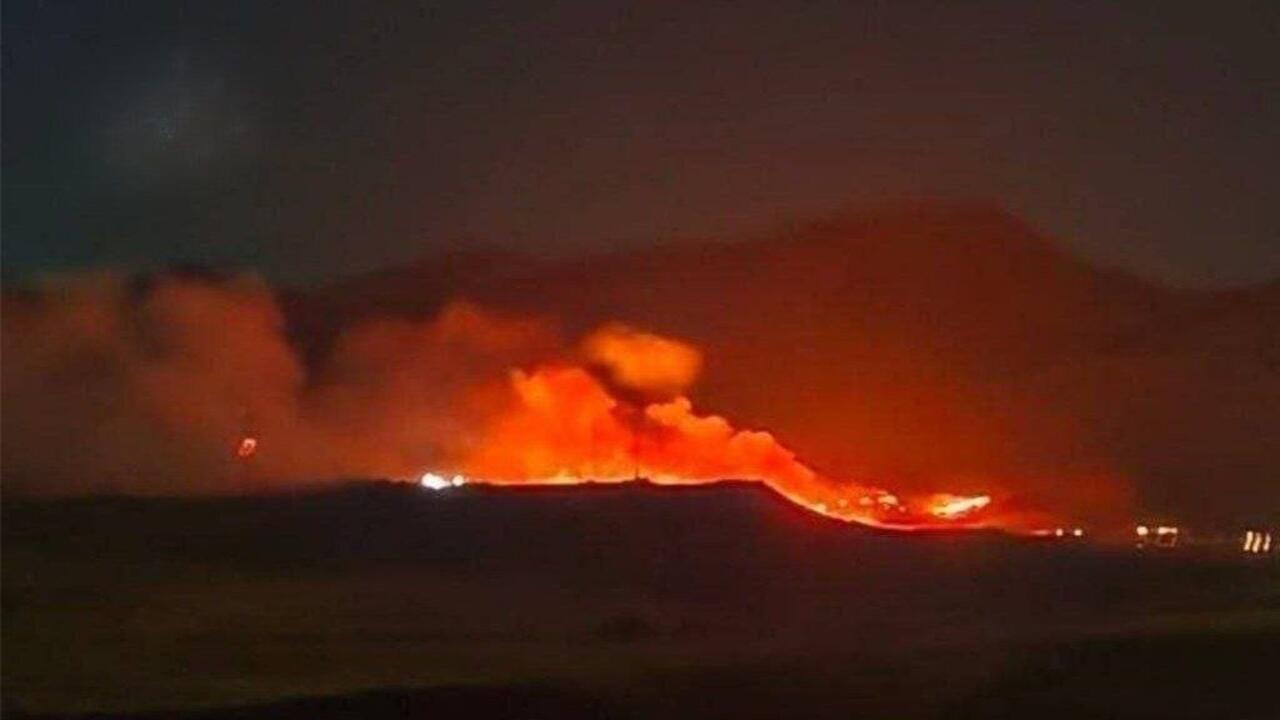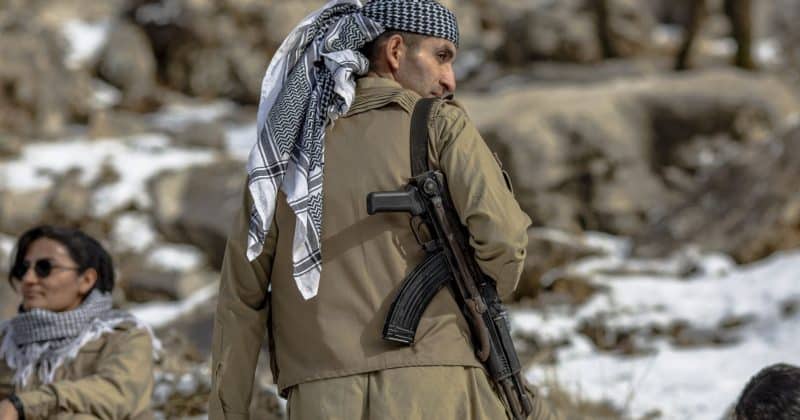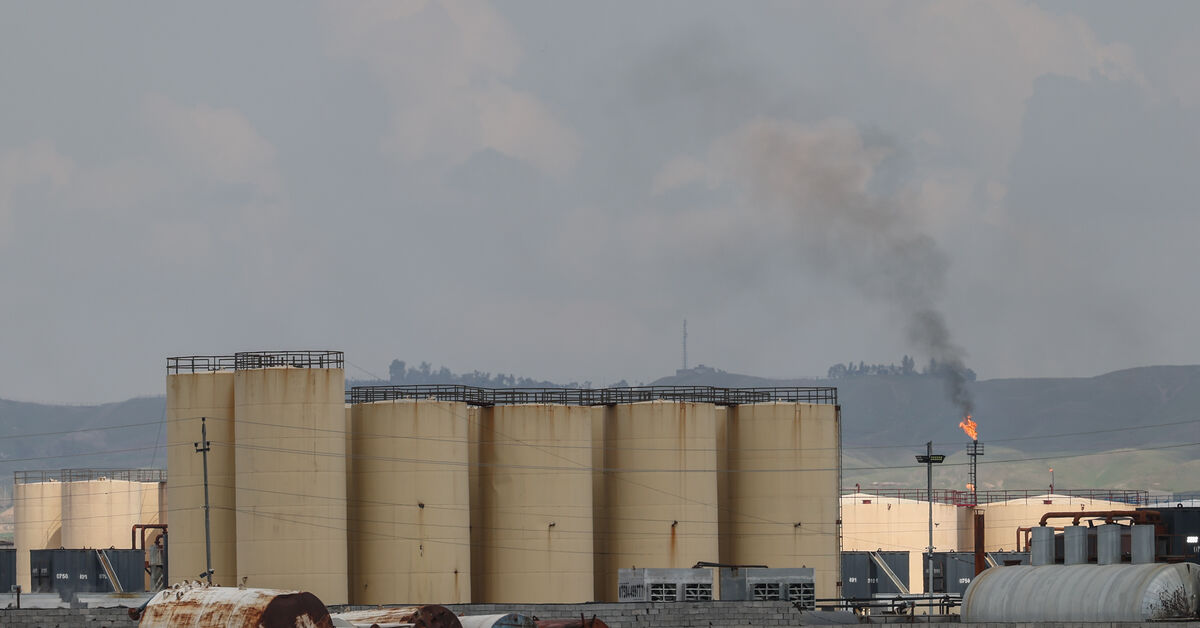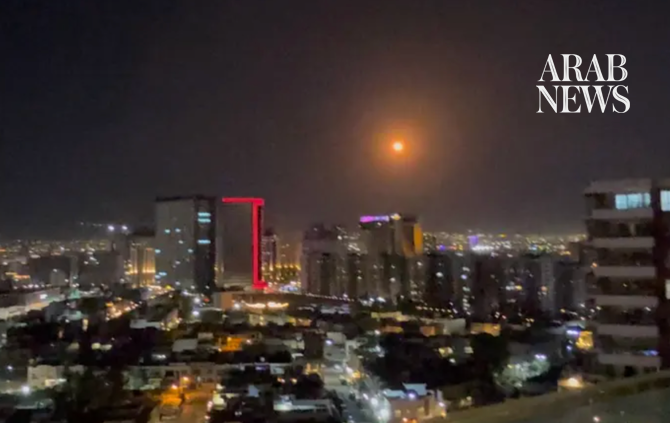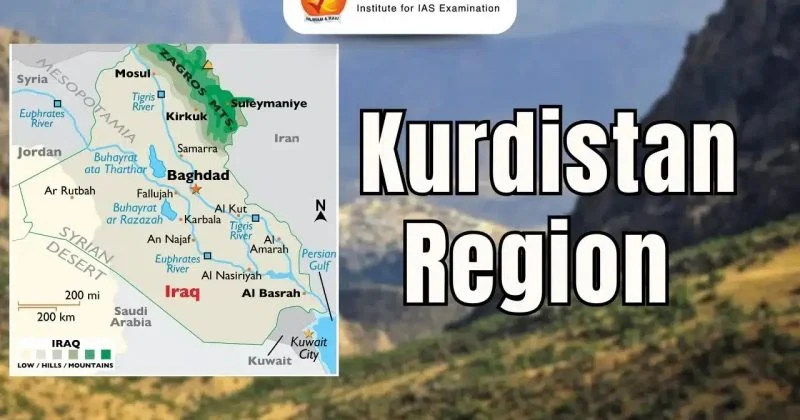
Iran has intensified its missile and drone attacks on the Kurdistan Region of Iraq, leading to disruptions in energy supplies and increased regional tensions, according to an analysis by the Jerusalem Post. The attacks have particularly targeted the Khor Mor gas field, a vital energy source in the region, resulting in gas price surges and energy shutdowns. This escalation is part of a broader conflict involving Iran, the United States, and Israel. The Iranian Revolutionary Guard Corps (IRGC) has significantly increased its direct involvement in these strikes, despite a ceasefire agreement with Washington earlier this year. This ongoing military action appears to be heightening instability in the region.
Key Takeaways
The escalation appears to increase the perceived likelihood of instability within Iran, consistent with scenarios where the regime could face significant internal challenges.
Market pricing suggests a decrease in confidence that normal shipping will resume in the Strait of Hormuz by the end of August, reflecting concerns over regional security.
The direct involvement of the IRGC in these attacks may indicate a shift in Iran’s military strategy, suggesting a higher level of commitment to its regional objectives.