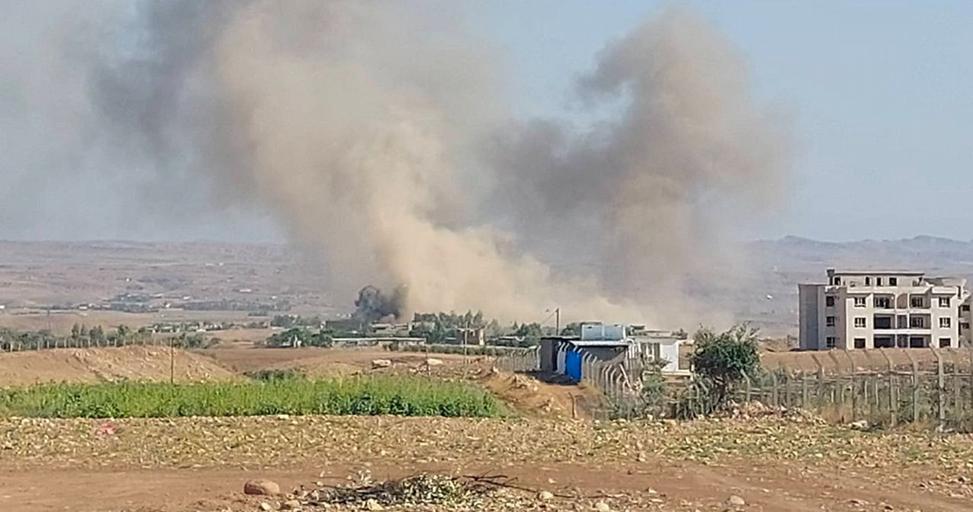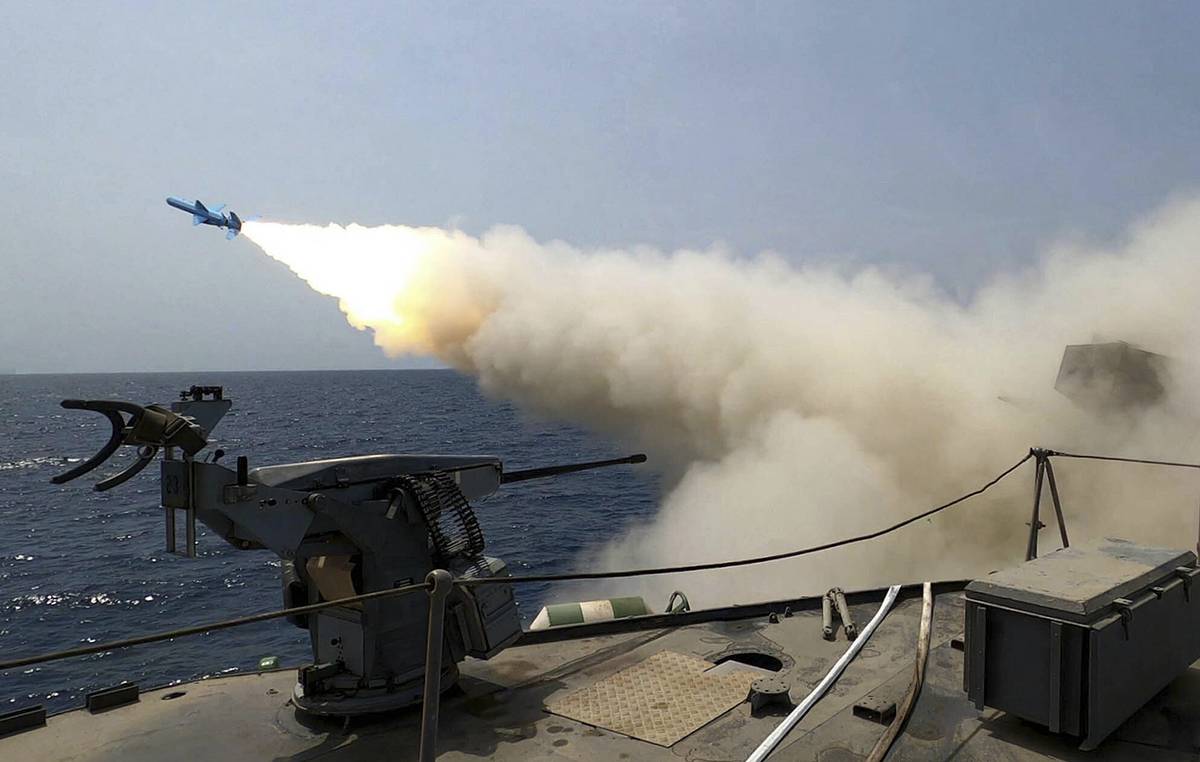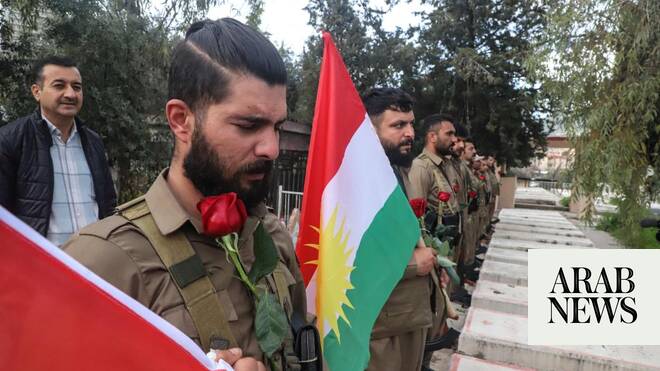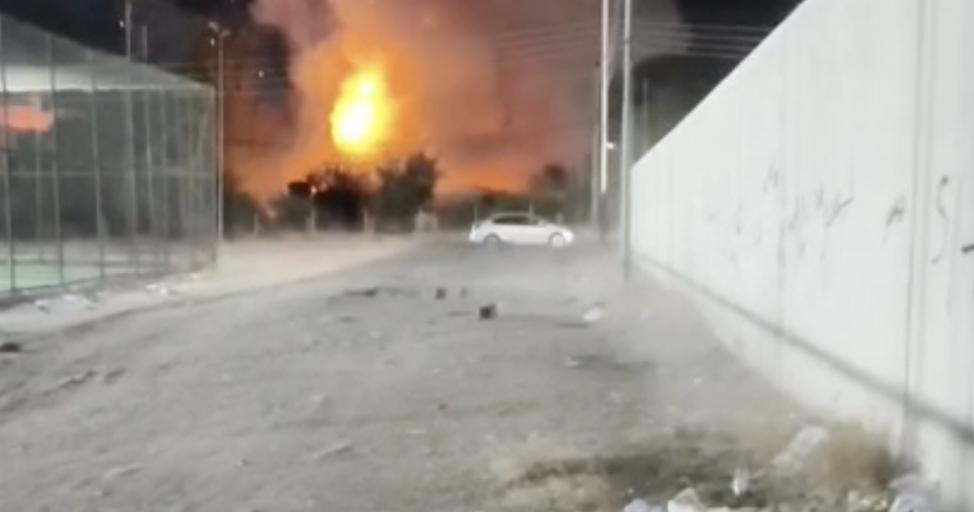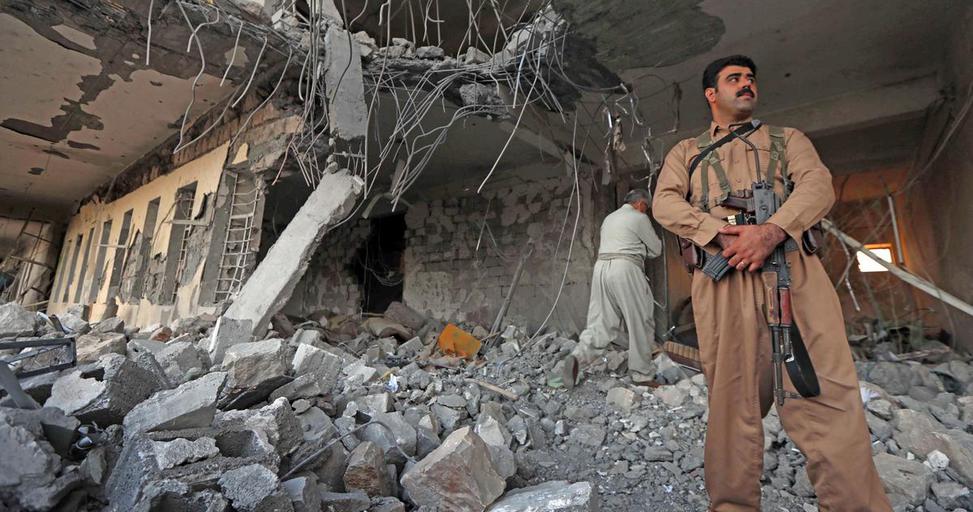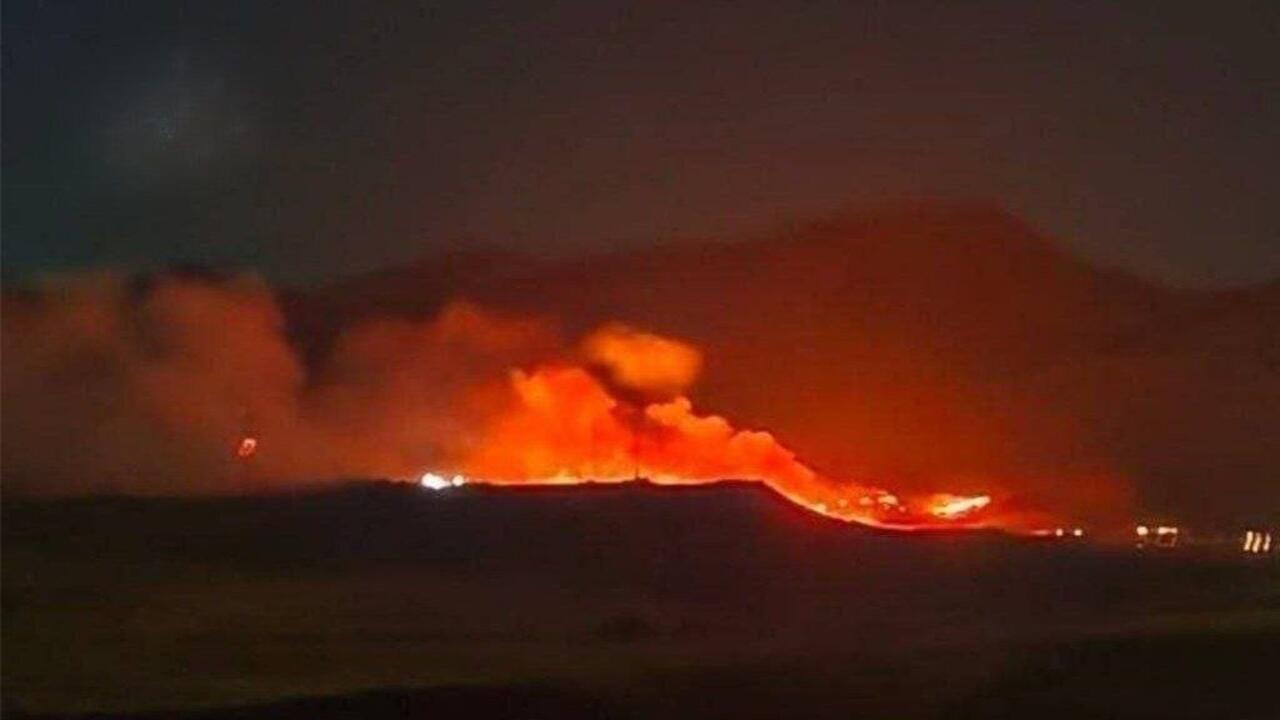
On July 1 and 2, the Islamic Revolutionary Guard Corps (IRGC) hit a Kurdistan Freedom Party (PAK) camp near Erbil in Iraq's Kurdistan region with two ballistic missiles and two drones. Fighters from this Iranian Kurdish militia are established in this region of eastern Iraq, near the border with the Islamic Republic. Videos posted by locals from a distance during the night showed massive fires. The Iranian IRGC hit camps belonging to at least two other Iranian dissident Kurdish parties in Iraqi Kurdistan with missiles, rockets and drones within a 48-hour period.
A video posted by local residents in the Erbil region shows the flames rising from the PAK camp on July 1, 2026.
To display this content from Telegram, you must enable advertisement tracking and audience measurement.
The operations followed at least four reported clashes between Iranian forces and Kurdish dissident armed groups in Mahabad, Saravan and Paveh in Iran’s Kurdish region. Five IRGC members were killed during the fighting on June 29 and 30, according to Tehran, while six fighters from the Democratic Party of Iranian Kurdistan were killed on July 1, and four men from another Kurdish group, PJAK, reportedly died on June 30. The tensions come against the backdrop of the US-Israel war on Iran, which broke out on February 28. A New York Times article in May 2026 also claimed that some Kurdish groups were expected to begin attacks and advance inside Iran as part of the initial Israeli-US war plan, but that US President Donald Trump changed his mind at the last moment and did not approve the attack. The Kurdish groups, for their part, denied receiving any weapons. In the initial days of the conflict, Israeli jets bombed border posts between Iran and the Iraqi Kurdistan region and Iranian military bases near the border – areas where Kurdish militia groups are active. Meanwhile, Iran launched dozens of drone, rocket and missile attacks on Iranian Kurdish militia camps in Iraqi Kurdistan. According to Kurdish parties, these drone and missile attacks left five dead among the militia and one 17-year-old boy, while the Iranian side claims dozens of deaths. The FRANCE 24 Observers team could not independently verify the real number of casualties of these attacks. Four Iranian Kurdish groups There are four primary Kurdish dissident groups in Iran, operating as both political and military organisations. Historically, the two main independent Iranian Kurdish dissident parties with military branches have been Komala, founded in the 1960s, and the Democratic Party of Iranian Kurdistan, founded in the 1940s. The other two groups are more recent: the PAK (2006) and the PJAK (2004), affiliated with the Kurdistan Workers’ Party (PKK). The PKK was the primary armed Kurdish movement active in Iraq and Turkey until it announced its dissolution in May 2025. The EU, the US and Israel have designated the PKK as a “terrorist” group for years. During the war, the attacks remained unilateral, with Iran targeting Komala and the Democratic Party of Iranian Kurdistan. After the announced US-Iran ceasefire on June 17, some Iranian Kurdish militia groups began attacks on Iranian forces, including assassinations of IRGC members and ambushes. In recent weeks, several clashes have broken out within Iranian Kurdistan between the IRGC and both the PJAK and forces of the Democratic Party of Iranian Kurdistan. ‘The Islamic Republic appears to feel more confident’ Saman Rasoulpour, a London-based journalist and expert on Iran’s Kurdish region, told our team: “Following the recent war involving the United States, Israel and Iran, the Islamic Republic appears to feel more confident and has increased pressure on both the Iraqi government and the Kurdistan Regional Government to disarm Iranian Kurdish opposition groups. Tehran has also pursued requests against the leaders of these groups through Interpol, while continuing drone and missile attacks on their bases in Iraq. The attacks have targeted the Democratic Party of Iranian Kurdistan, Komala and PAK (the Kurdistan Freedom Party). PJAK, however, has barely been directly targeted, likely because many of its forces are based in difficult mountainous and border areas, and because a significant part of them are present inside Iranian Kurdistan itself. The Islamic Republic has also intensified pressure on the Kurdish population through some sections of pro-regime Kurdish tribes, alongside a wider security crackdown on civil activists. On July 1, a 19-year-old man was stabbed to death in Mahabad by a member of one of these groups. These developments have contributed to anti-regime protests.”