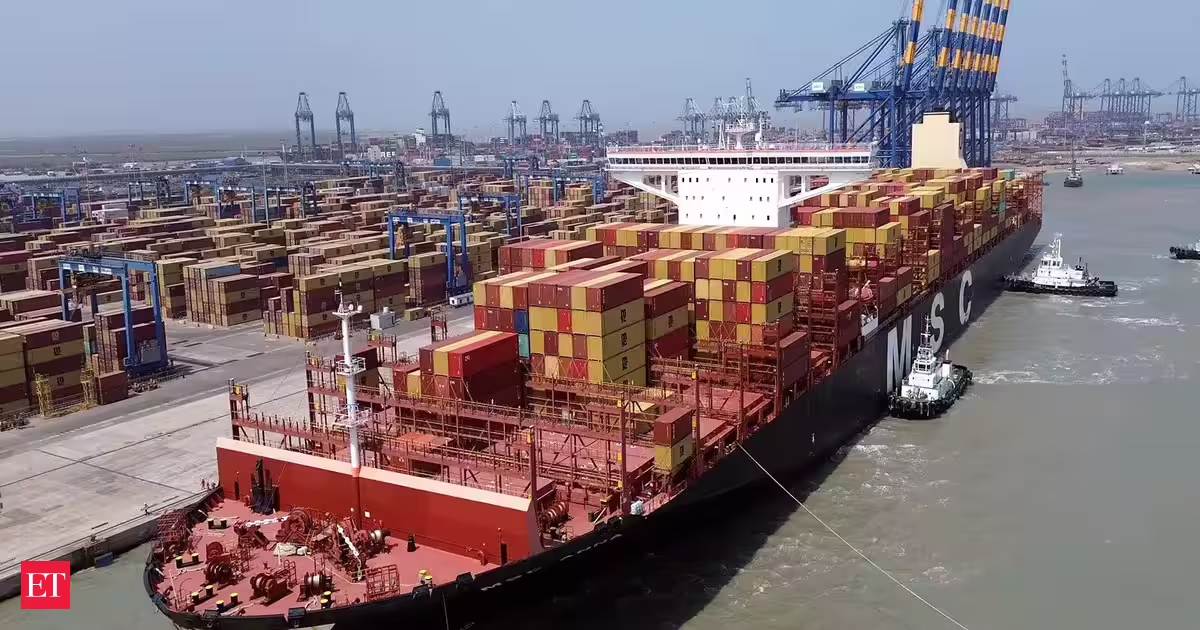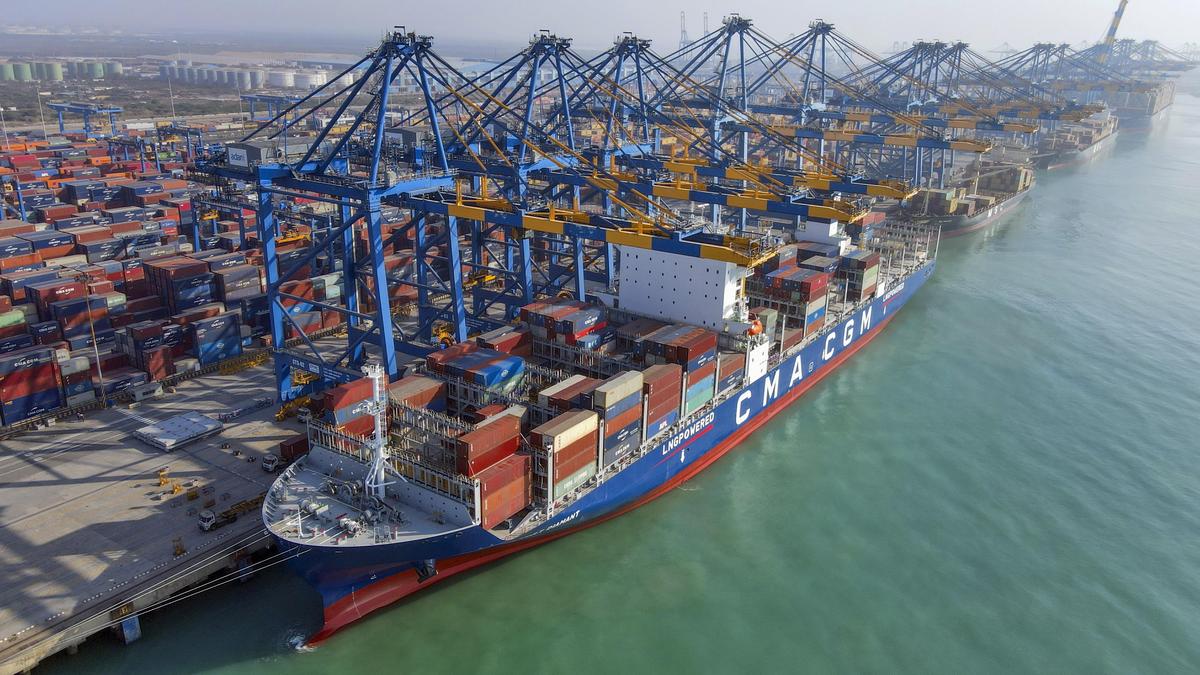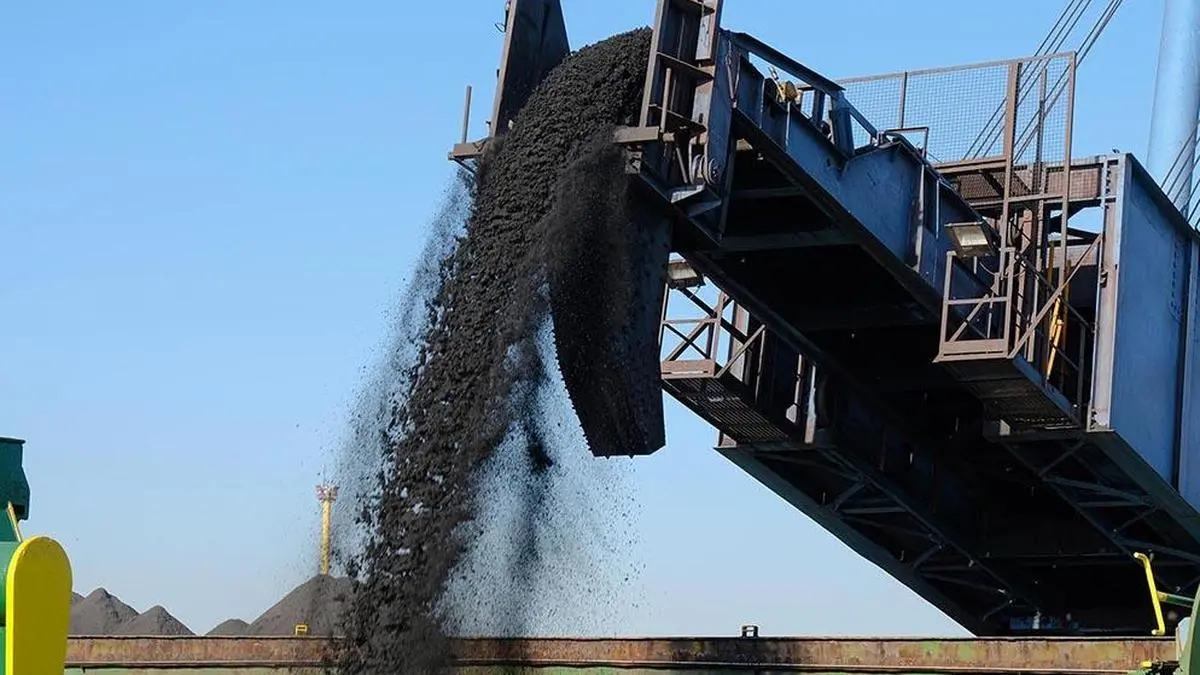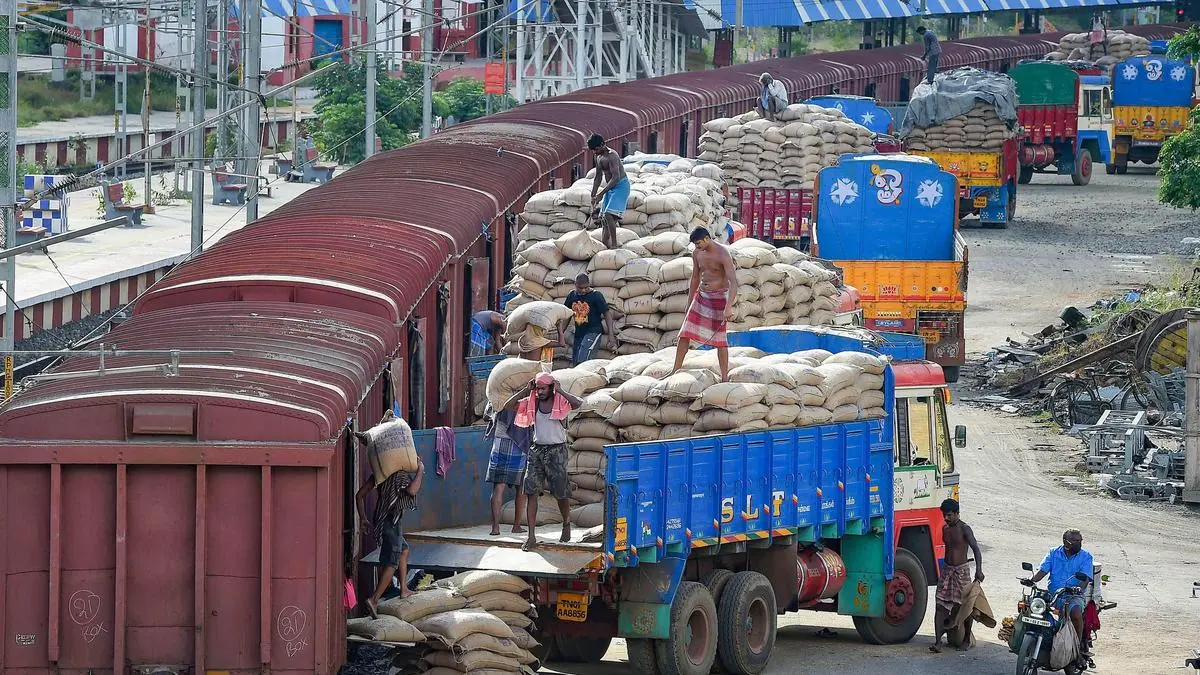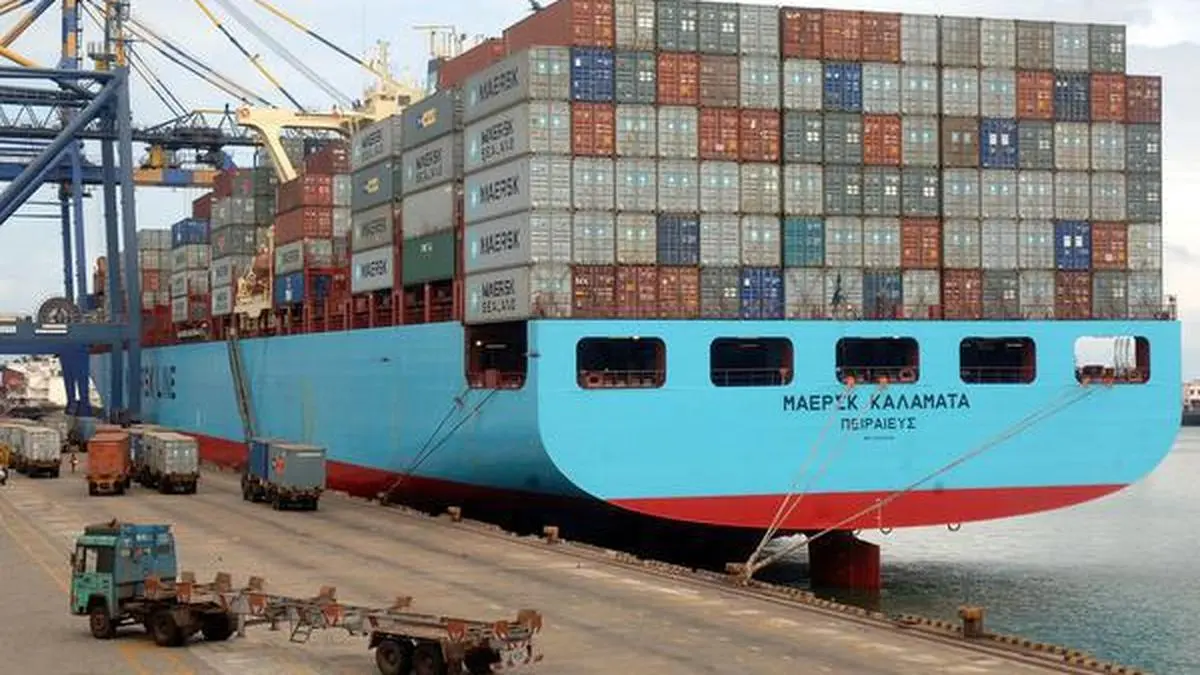
India’s port sector is entering a differentiated growth phase, with container volumes emerging as the strongest driver while coal traffic declines and POL and iron ore post moderate gains.According to a research report by Motilal Oswal Financial Services, “Container traffic is expected to remain a key growth driver for Indian ports, supported by favourable macroeconomic conditions, rising domestic consumption, and greater adoption of containerisation, with volumes projected to expand at a 7-9 per cent CAGR over FY26-FY28,” the brokerage said. The brokerage expects private players to gain disproportionately. “While the industry growth rate is expected to be 4-5 per cent over the medium term, both APSEZ and JSWINFRA are set for sustained growth of 2-3x the industry, supported by continued organic and inorganic expansions and integrated logistics solutions,” the brokerage said.Policy support is providing the tailwind. Under NMP 2.0, the government has identified 44 brownfield port infrastructure projects--including terminals, berths, and jetties--for monetisation through PPP models aiming to unlock ₹1.2 trillion during FY26-FY30. The larger ambition comes from Maritime Amrit Kaal Vision 2047, which “aims to develop six mega ports with world-class infrastructure and boost India’s total port handling capacity from 2,800 MTPA to 10,000 MTPA by 2047,” according to the brokerage.FY26 data shows the divergence between major and non-major ports. India’s major ports delivered strong performance in FY26, with cargo volumes rising ~7 per cent y-o-y to 915 MMT, driven by healthy growth in both overseas (+6.6 per cent y-o-y) and coastal (+8 per cent y-o-y) traffic. POL & crude led with 16 per cent y-o-y growth, while coal and containers also posted robust gains. In contrast, “non-major ports reported modest growth, with cargo volumes increasing ~1.4 per cent y-o-y to 753 MMT in FY26,” the report said.Commodity mix is shifting. Coal traffic is likely to “post a compounding decline of 2-4 per cent” as domestic production and renewables rise, while “iron ore traffic is expected to recover at a 5-7 per cent CAGR during FY26-FY28” on higher coastal movement. “POL traffic is projected to clock a moderate 2-4 per cent CAGR over FY26-FY28, driven by stable fuel demand but moderated by improving fuel efficiency.”India’s location adds to the opportunity. Motilal said, “Aided by 20,275km of national waterways across 24 states, the sector benefits from its strategic location in the Indian Ocean. This positioning aligns India with 80 per cent of the global maritime oil trade, underscoring its potential to become a leading maritime player.”On valuations, Motilal expects Adani Ports to deliver strong earnings momentum. The brokerage forecasts revenue to grow at 17 per cent compounded annually, EBITDA at 18 per cent and PAT at 22 per cent between FY26 and FY28. For JSWINFRA, it projects volume growth of 19 per cent compounded annually, with revenue rising 39 per cent, EBITDA 34 per cent and APAT 31 per cent over the same period.“India is well-positioned to emerge as a global maritime hub,” the report said. However, it cautioned that risks remain. Key challenges include geopolitical tensions, rising competition from private and regional ports, volatility in global trade, and uncertainty around policy and regulation.Published on July 19, 2026
Container traffic to grow 7-9% as major ports outpace non-majors; POL, coal and iron ore trends diverge
Coal traffic is likely to post a compounding decline of 2-4% as domestic production and renewables rise, while iron ore traffic is expected to recover at a 5-7% CAGR during FY26-FY28 on higher coastal movement
518 words~2 min read