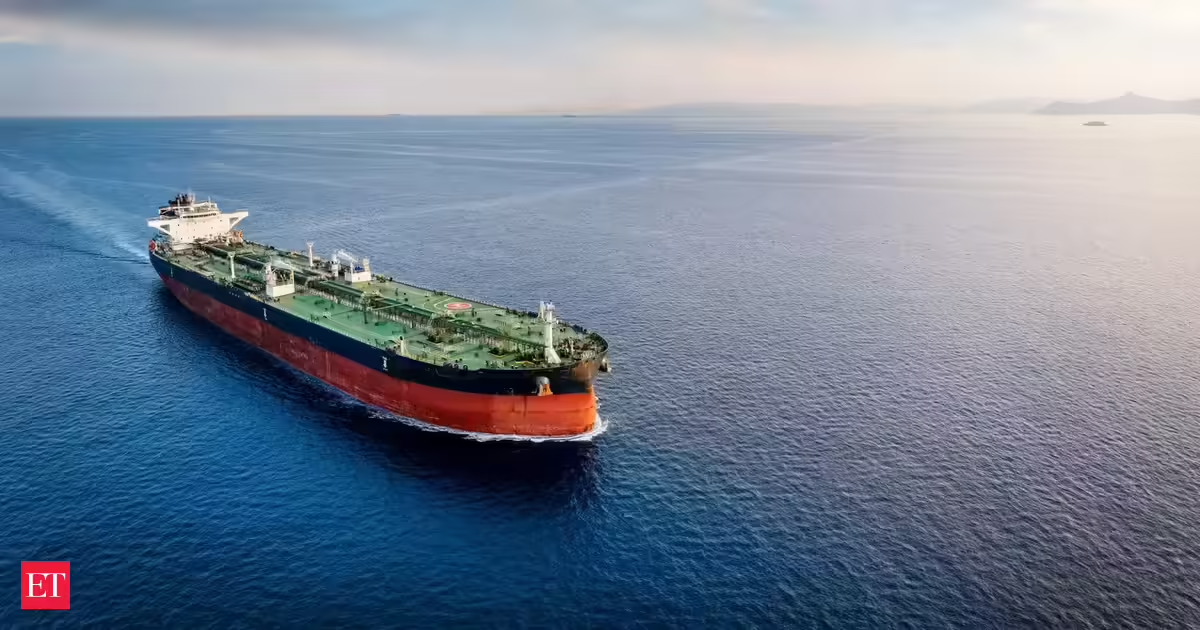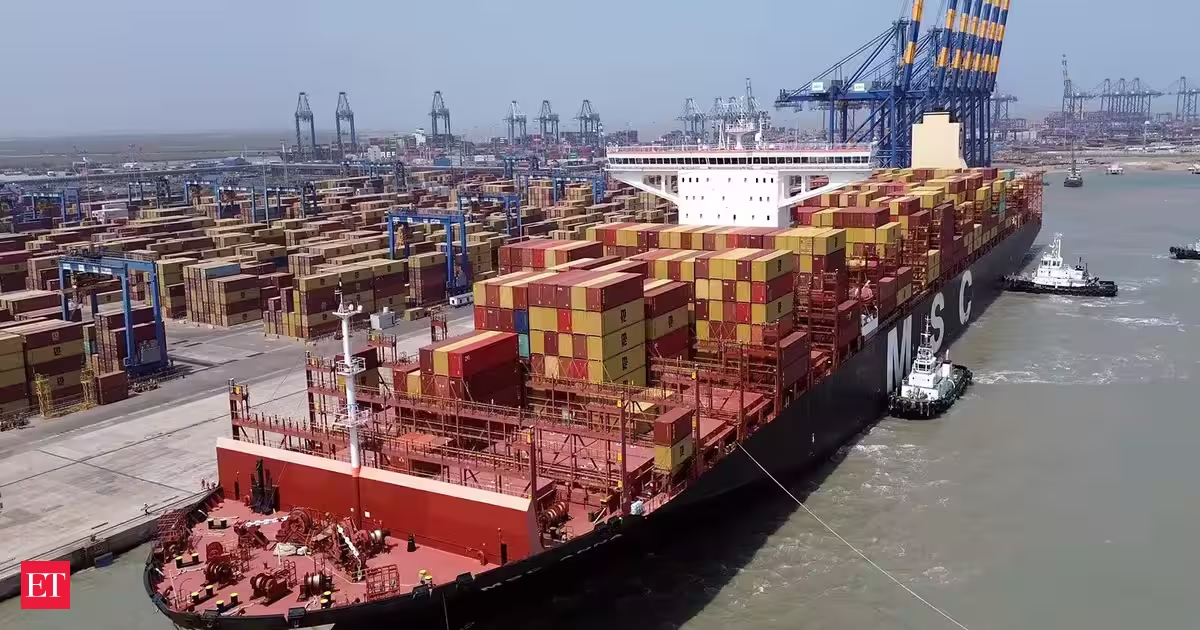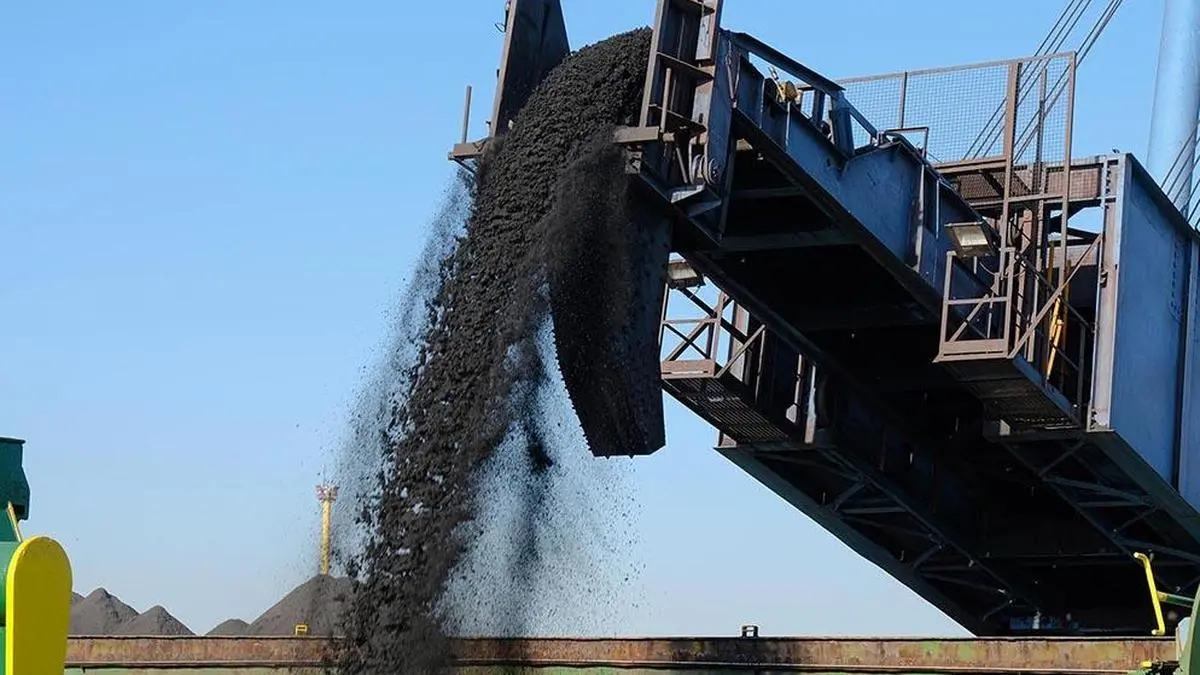
India-bound iron ore cargoes, particularly from Brazil, are starting to absorb global vessel capacity and emerging as a driver of freight rates in the coming months, the report said.
| Photo Credit:
iStockphoto
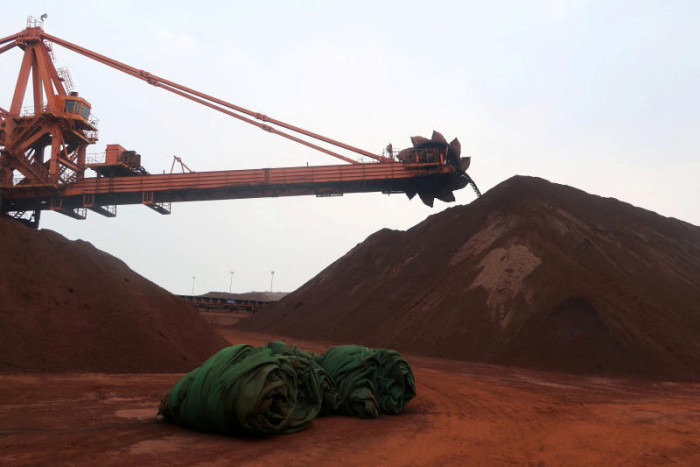
India’s growing appetite for imported iron ore is giving a boost to India’s global dry bulk shipping market, which is enjoying its strongest first-half performance since 2023.Data compiled by Greece-based shipping analytics firm Signal Ocean shows that India imported a record 5 million tonnes (mt) of iron ore in the January-March quarter of 2026, the highest quarterly volume recorded during the past three years.Iron ore imports were up 127 per cent from 2.2 mt in the corresponding period last year, and more than four times the 1.1 million tonnes imported in the first quarter of 2024. The growth also continued on a sequential basis. Imports rose 38.9 per cent from 3.6 mt in the October-December quarter of 2025, bucking the seasonal slowdown typically seen after the year-end holiday period.India-bound iron ore cargoes, particularly from Brazil, are starting to absorb global vessel capacity and emerging as a driver of freight rates in the coming months, the report said.Brazil emerged as India’s largest supplier, accounting for 1.8 mt or about 36 per cent of total imports during the quarter. Oman supplied around 735,000 tonnes, while Australia contributed 164,000 tonnes. New Mangalore, Visakhapatnam, Hazira and Jaigarh are among the ports handling imported iron ore, industry sources said.India’s installed crude steel capacity crossed 220 mt in 2025-26. Concerns over the reliability of some pellet supply flows from West Asia have also encouraged Indian buyers to diversify sourcing and rely more heavily on established long-haul suppliers, including Brazil, according to the report.Indian steelmakers with coastal operations have been among the strongest drivers of import growth, as imported seaborne ore became increasingly viable relative to inland sourcing costs. JSW Steel, one of India’s largest steel producers, has expanded capacity at both Vijayanagar and Dolvi, increasing requirements for premium-grade imported ore, said the report.The rise in imports reflects structural changes within India’s steel industry.Domestic output is heavily weighted towards fine rather than lump ore, creating quality and consistency challenges for large integrated steel plants that require premium, low-alumina feedstock for efficient blast furnace operations. This has increased reliance on imported high-grade Brazilian ore, particularly among coastal mills, the report said.Aruna Sharma, former Steel Secretary, said that import of higher-grade iron ore from Brazil and Oman containing 62–65 per cent Fe (Iron), are on the rise due to their superior quality. “Domestic companies use these ore to blend with theirs. High logistics costs remain a key concern for the domestic industry. Steel plants located near the coast often find imported high-grade ore more cost-effective than domestic supplies when landed costs are taken into account,” she added.Venkateswara Rao, a veteran logistics professional formerly associated with a steel company, said Brazilian ore remains the preferred blending material for steelmakers. “Brazil iron ore is the best available in the world, and is very useful for steel manufacturers. This ore works as a ‘sweetener’ to blend with low-grade ore,” he said.Published on June 7, 2026