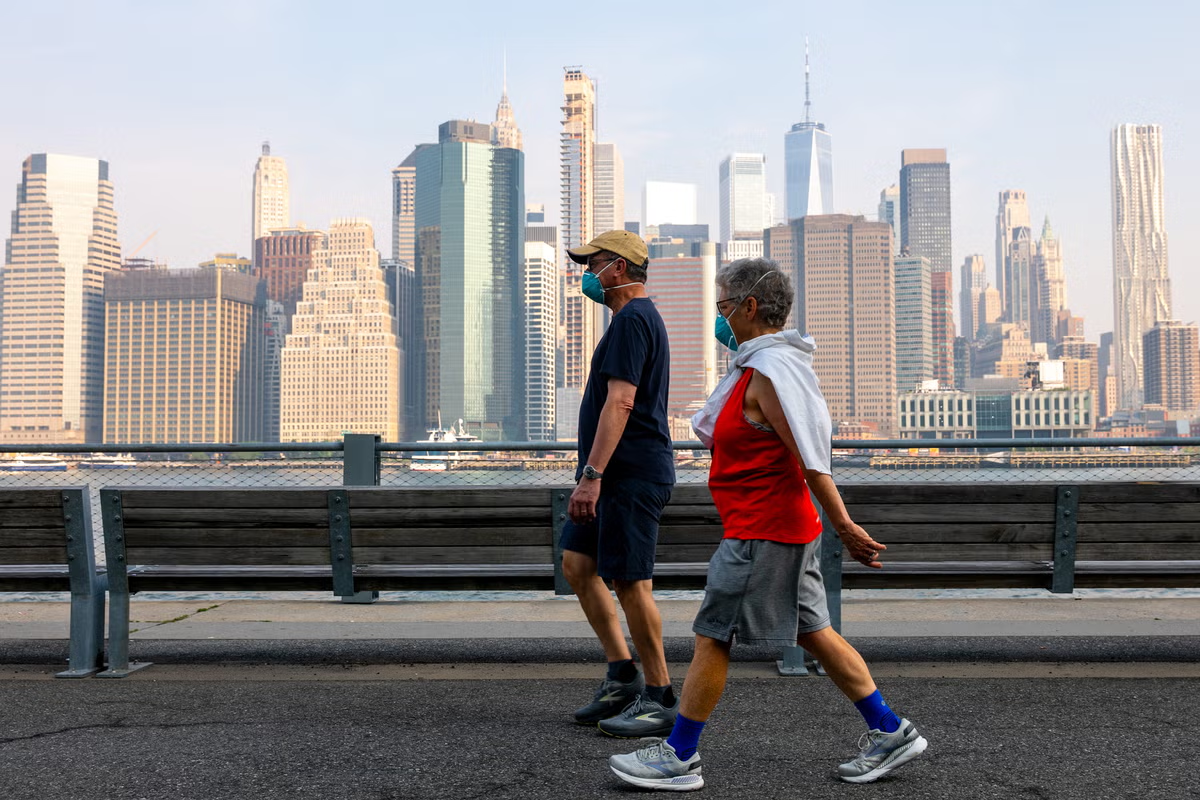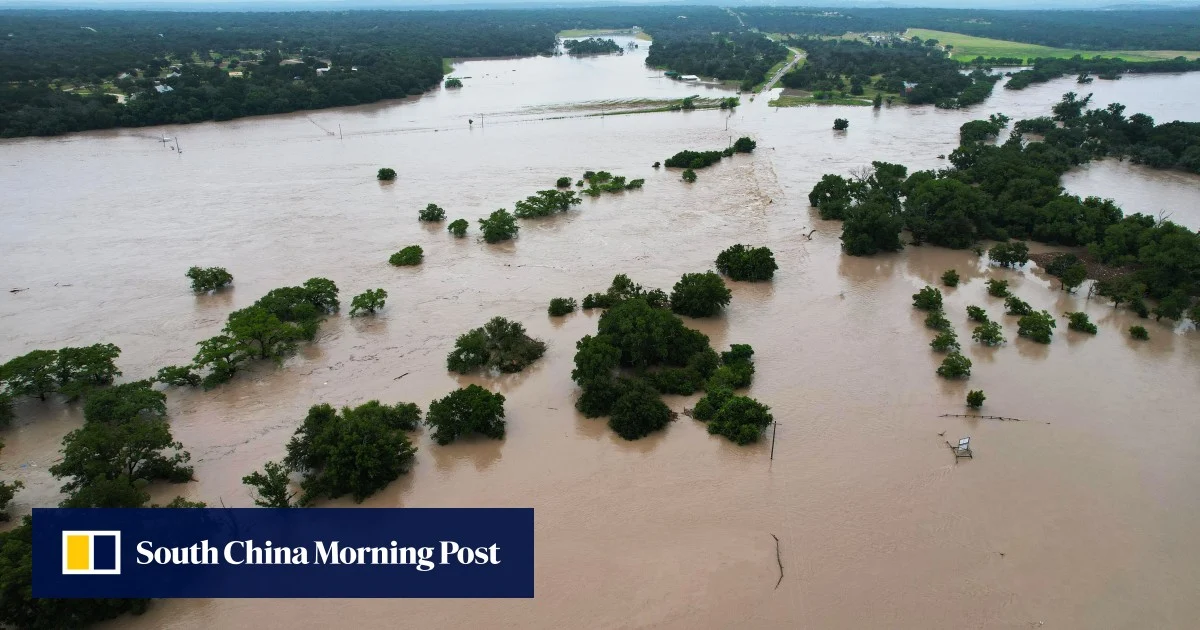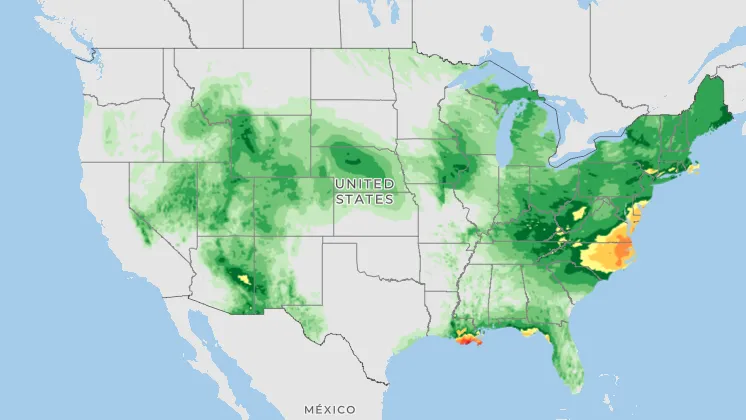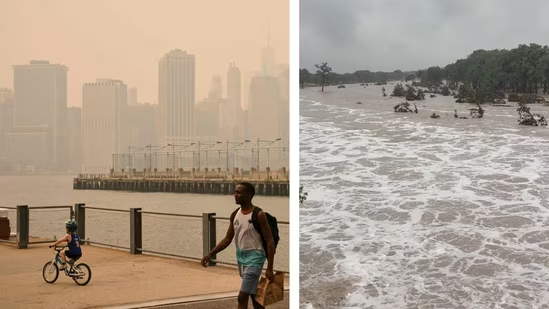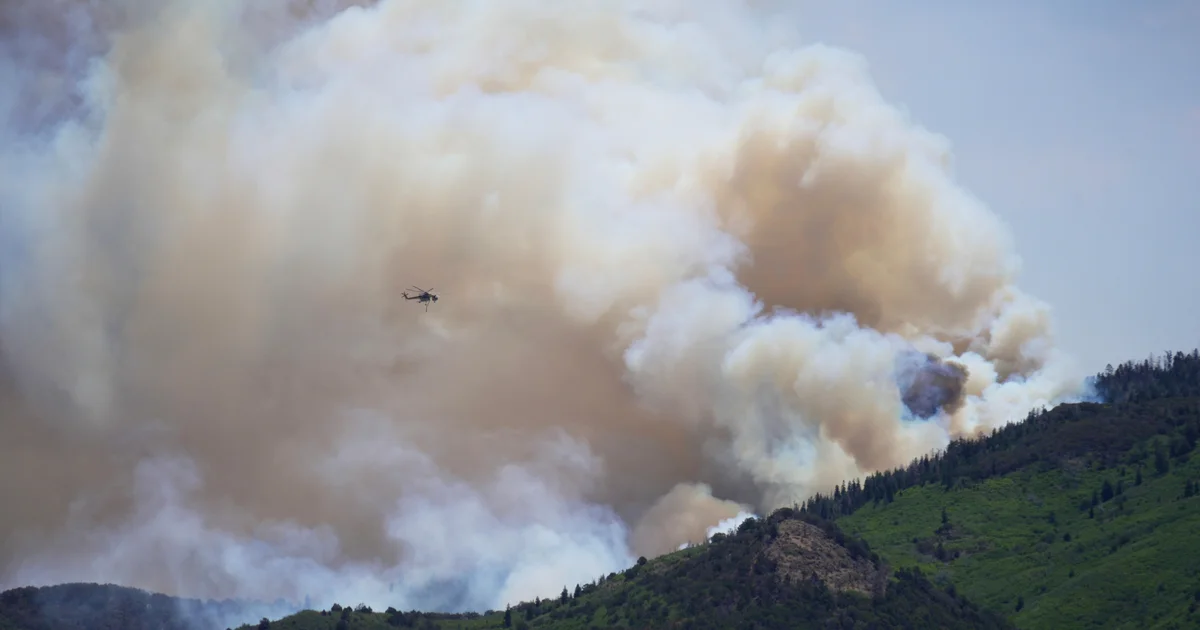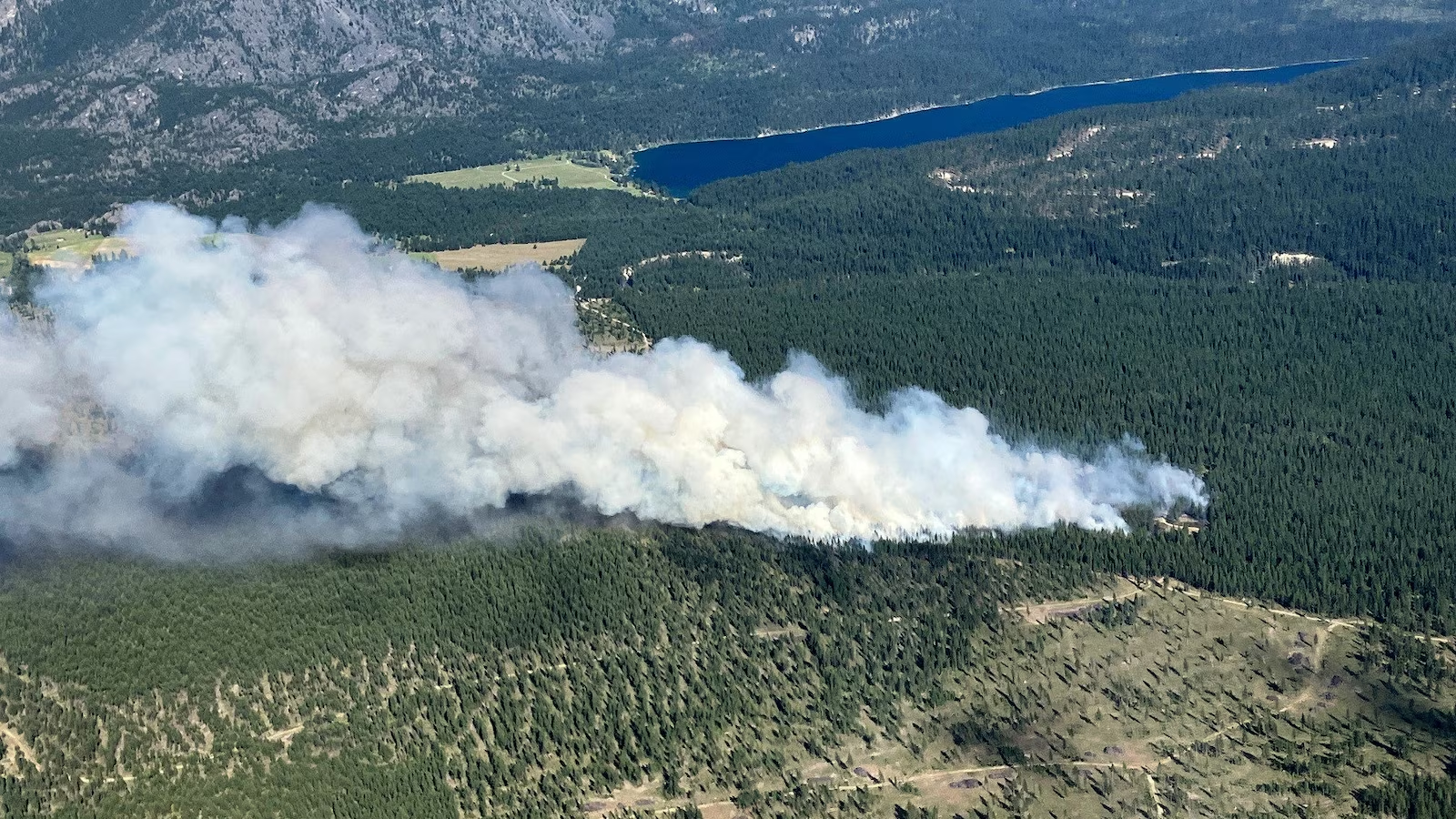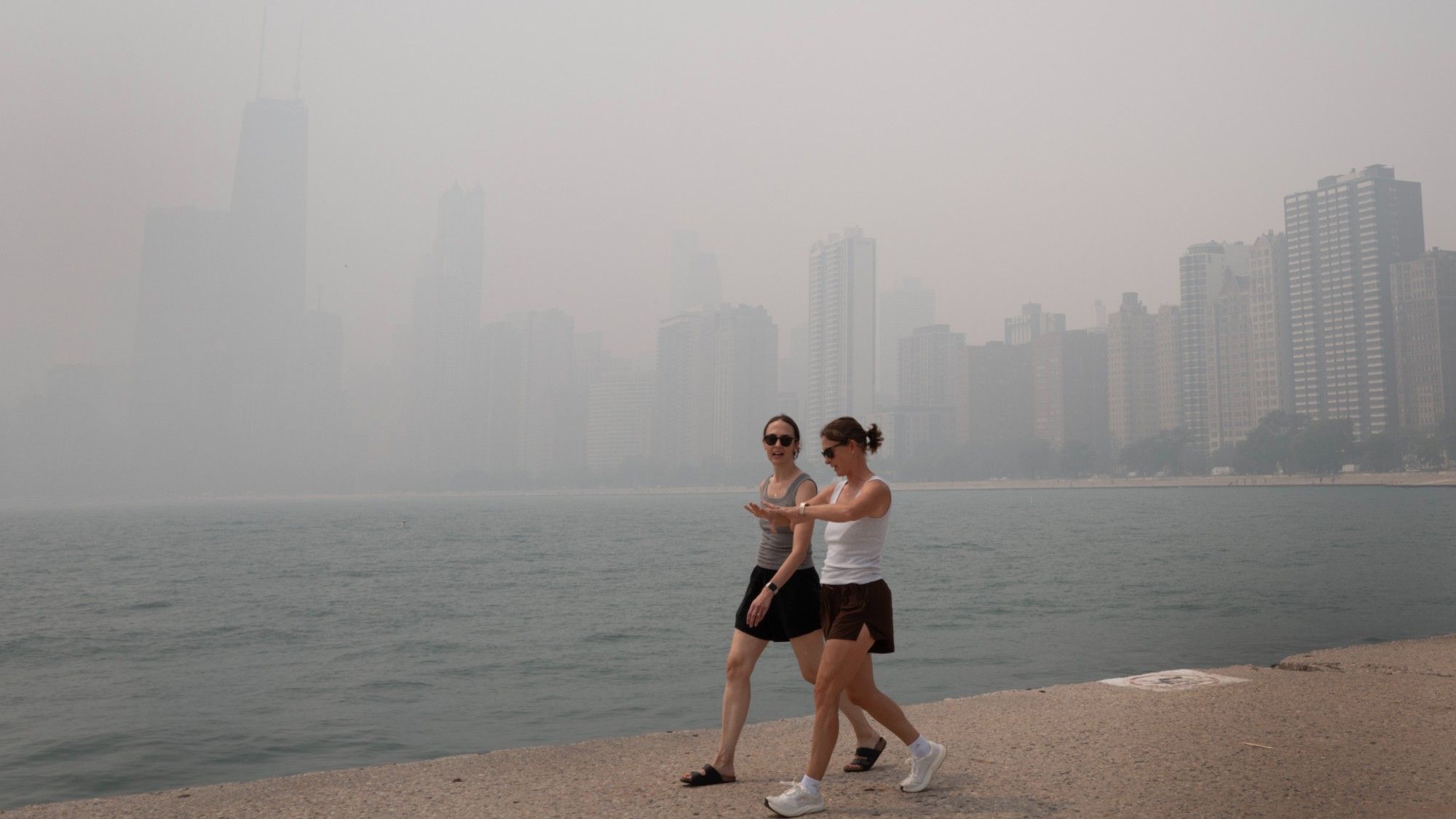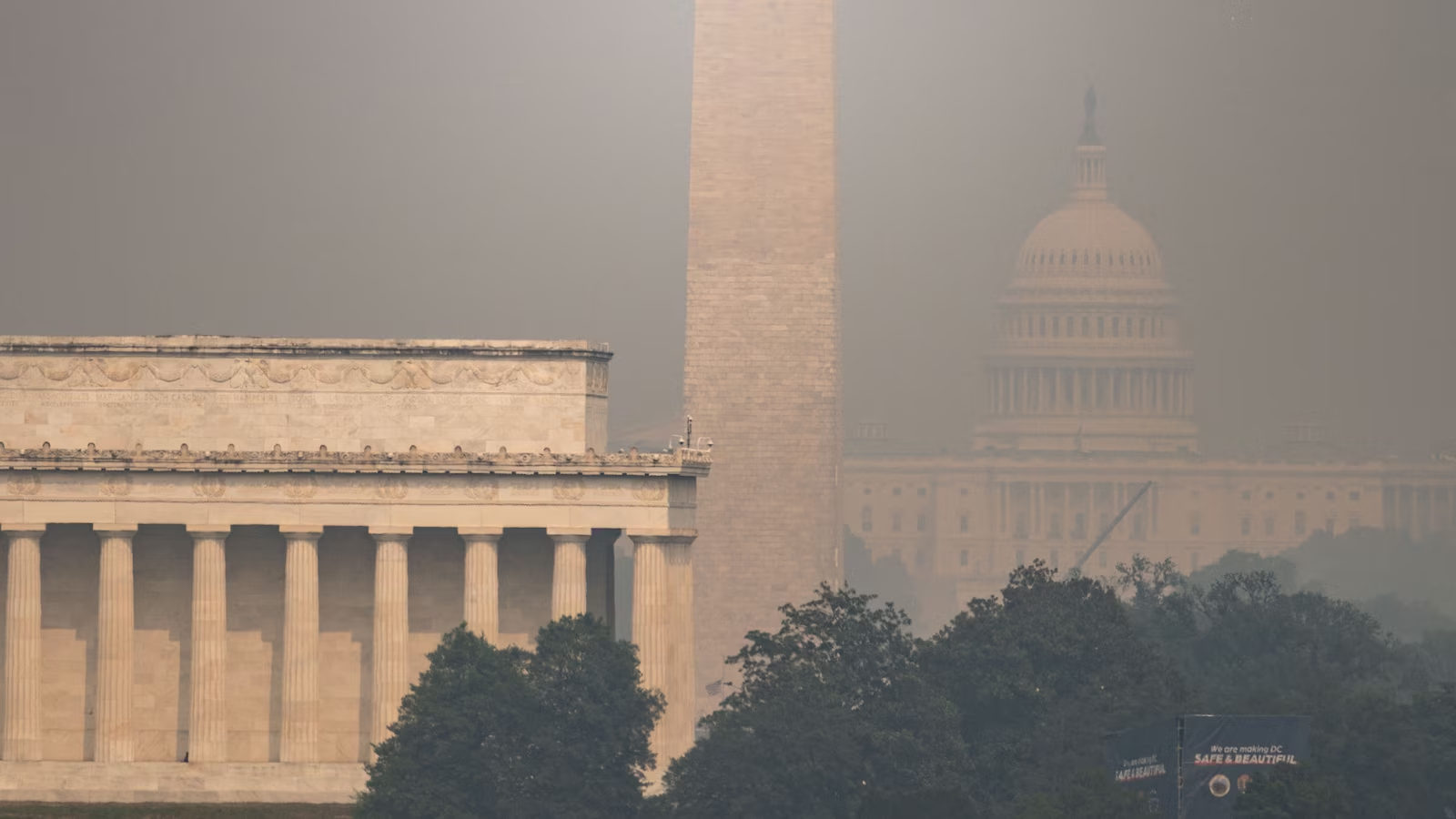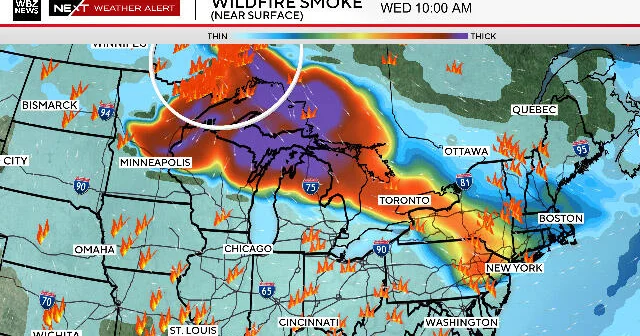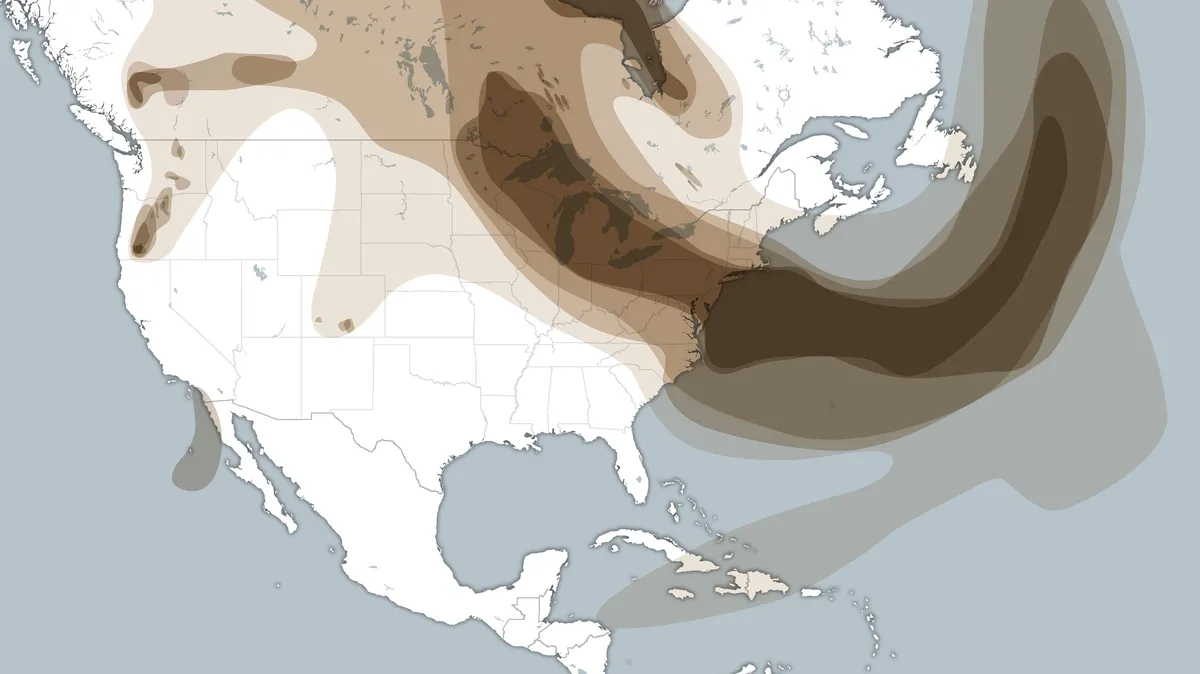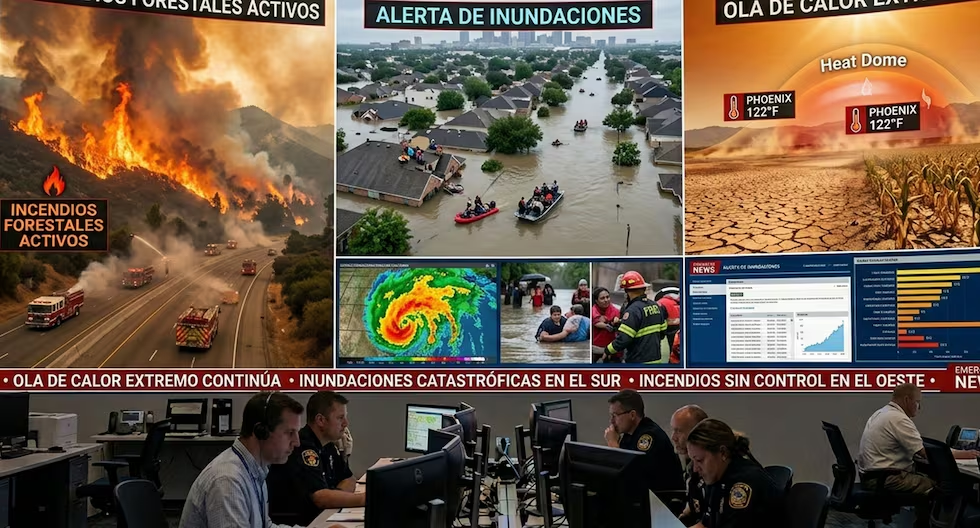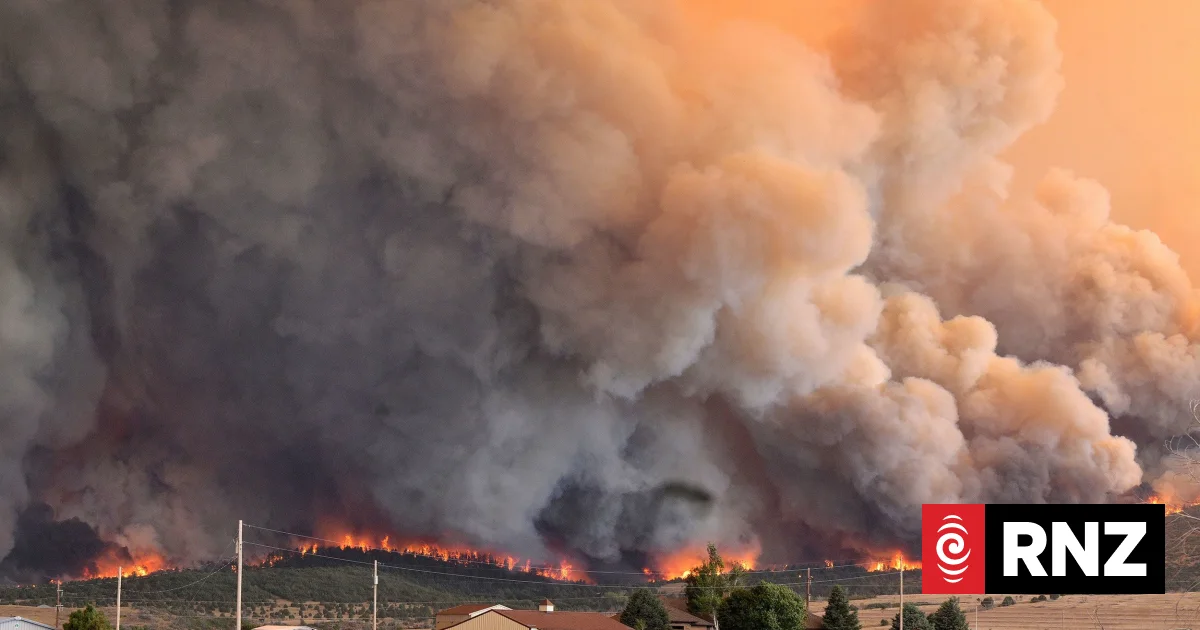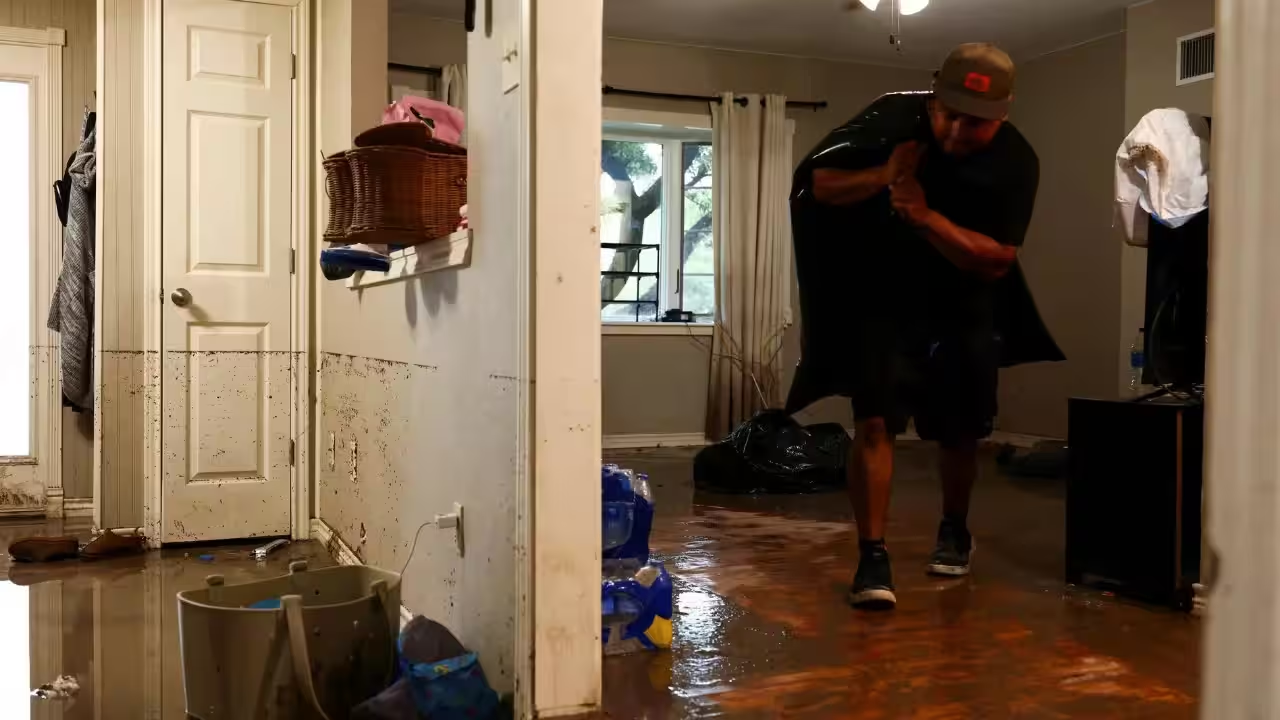
The United States is facing three simultaneous weather emergencies, with wildfire smoke blanketing parts of the East, catastrophic flooding continuing in Texas and dozens of large wildfires burning across the West. The hazardous conditions now stretch from the Great Lakes to the East Coast, as authorities respond to multiple climate-driven crises at once.According to Reuters, wildfire smoke from Canada blanketed parts of the eastern United States from the Great Lakes to Washington, DC on Friday, while Texas's Hill Country endured a third consecutive day of flooding and fresh wildfires erupted overnight in the Pacific Northwest.US' National interagency fire center (NIFC) said firefighters are now battling 68 large wildfires across 15 states, nearly two dozen more than a day earlier. The agency said 17 new fires broke out in the Pacific Northwest after a series of lightning strikes, making it the country's most active wildfire region.NIFC said more than 17,400 personnel, 140 helicopters and four military C-130 air tanker crews have been deployed nationwide to contain the fires.The agency also said that record-low snowpack across the mountain west and persistent drought have created fuel conditions "to the type of dry and fire-prone levels normally not seen until mid-August."According to NIFC, nearly 3.72 million acres (1.51 million hectares) have burned across the United States so far this year, exceeding the mid-July total recorded during the same period last year by more than one million acres.Climate experts told Reuters that the overlap of multiple weather disasters is making their overall impact significantly more severe."These are compound events, and that can sometimes make the impacts of them far worse than what we would experience with any one of these events individually," Jesse Berman, a professor at the University of Minnesota School of Public Health whose research focuses on the health impacts of extreme weather, said.University of Pennsylvania climatologist Michael Mann said the simultaneous events were linked by an unusual wave pattern in the jet stream that could be a phenomenon known as "resonance".According to Mann, resonance occurs when large waves in the jet stream become amplified and trapped, allowing extreme weather systems to remain over the same region for extended periods. He added that his research indicates human-driven climate change has led to a tripling of these stalled jet stream events since the 1950s.Meanwhile, smoke from Canadian wildfires has significantly worsened air quality across the Midwest, Northeast and Mid-Atlantic.More than 100 million US citizens, nearly one-third of the country's population, were under national weather service air quality alerts ranging from warnings to avoid outdoor exercise to advisories asking residents to remain indoors.Swiss air quality technology company IqAir said Chicago recorded the second-worst air quality in the world on Friday.Local authorities closed parks and beaches along Lake Michigan and shifted several public activities indoors. According to Civic Data Atlas, around 4 per cent of Chicago households do not have air conditioning, while temperatures were forecast to exceed 90 degrees Fahrenheit (32 degrees Celsius), prompting city authorities to activate community cooling centres.Earlier this week, Detroit, Minneapolis and Toronto also ranked among the world's most polluted cities due to wildfire smoke.A heat dome over the Carolinas has created northwesterly winds carrying smoke from Minnesota and Canada into the densely populated eastern corridor.In Texas, the national weather service said rainfall is expected to begin easing, although rivers are forecast to continue rising over the coming days.Texas Governor Greg Abbott urged residents to remain cautious even as weather conditions begin to improve."The rivers are going to continue to rise," Abbott said during a Friday afternoon press conference.Abbott said state authorities had confirmed two flood-related deaths this week, including a 65-year-old man whose recreational vehicle was swept away near Comfort, and a 74-year-old man who drove into floodwaters in Uvalde County.Authorities said rescuers have saved hundreds of people trapped by rising waters during the week.According to the National Weather Service, some parts of Texas's Hill Country have received more than 27 inches of rain since Tuesday, with several major rivers expected to crest over the weekend.The latest flooding comes just two weeks after the anniversary of last July's deadly Guadalupe River floods of US, which killed at least 135 people in many of the same communities now facing fresh inundation.
Triple weather crisis grips US: Wildfire smoke, deadly floods and raging blazes hit millions
The United States is facing three simultaneous weather emergencies, with wildfire smoke blanketing parts of the East, catastrophic flooding continuing in Texas and dozens of large wildfires burning across the West. The hazardous conditions now stretch from the Great Lakes to the East Coast, as authorities respond to multiple climate-driven crises at once.
700 words~3 min read