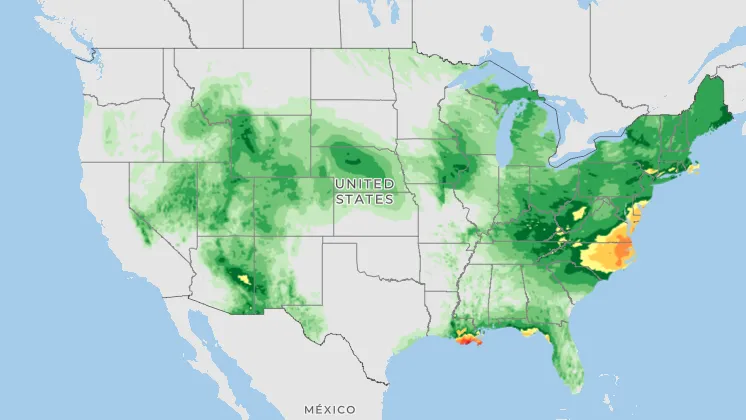
Show Caption
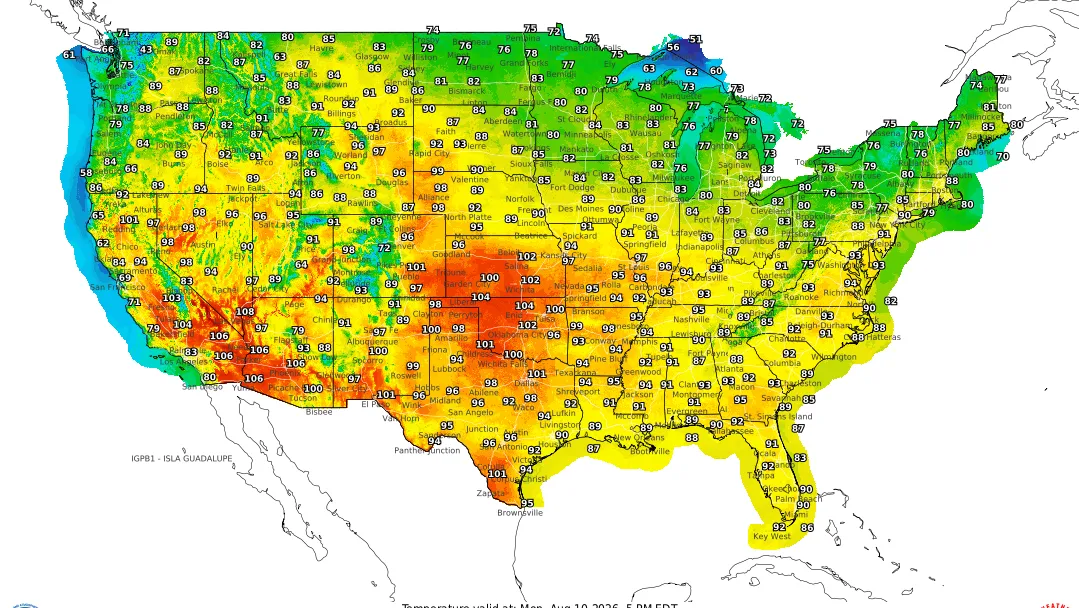
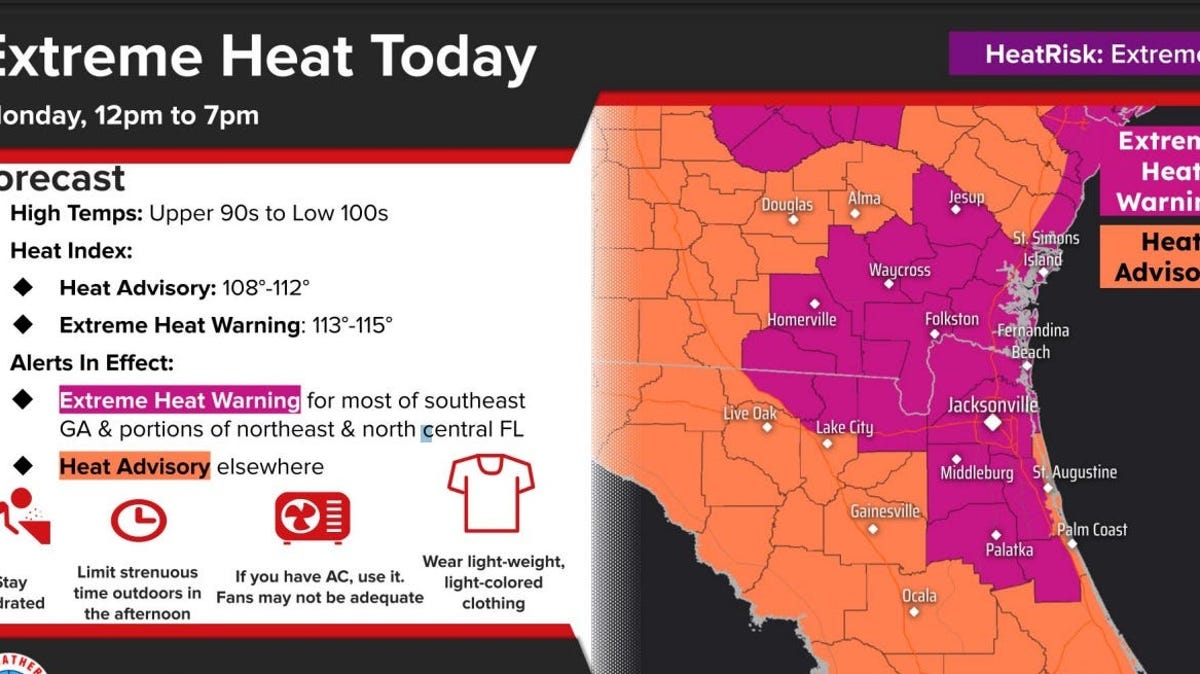
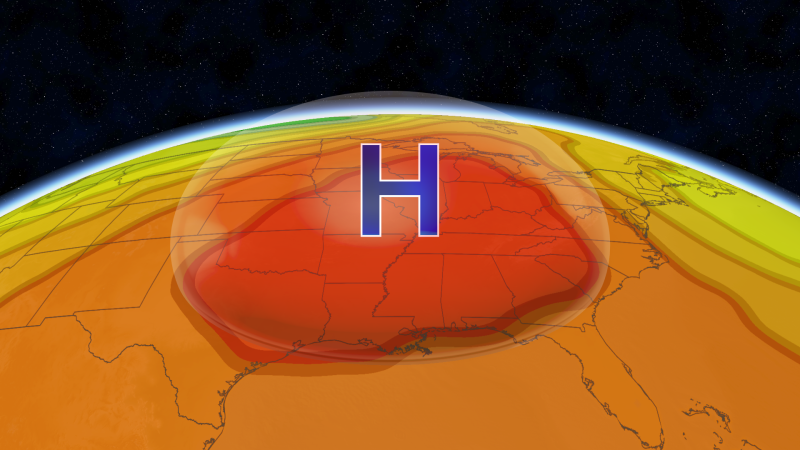
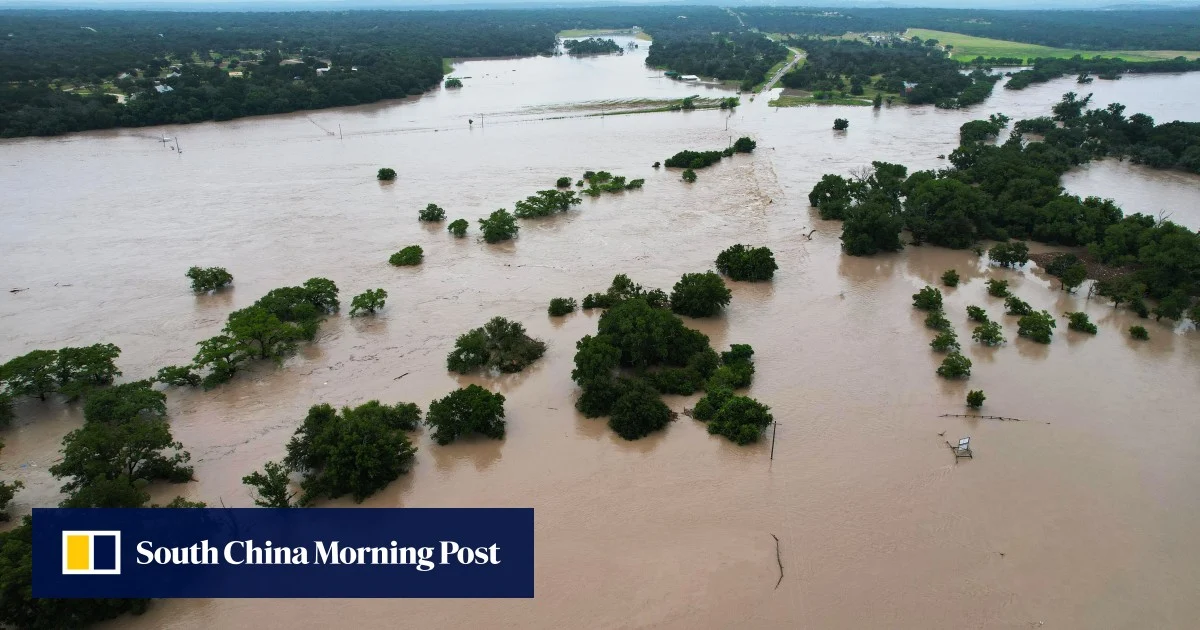
A series of potent thunderstorms could bring flash flooding to the Midwest and East Coast, forecasters say, as the middle of the country contends with a potentially record-breaking heat dome and lingering, toxic wildfire smoke.The severe weather comes after powerful storms swept across a vast swath of the country, leaving at least eight people dead following flash flooding in Texas, Arizona and Utah.The National Weather Service said severe thunderstorms could produce flash flooding on July 20 and 21 across portions of the Midwest, Northeast and Mid-Atlantic regions. The storms were developing along a cold front crossing the Upper Midwest and through the Ohio Valley.To the south, forecasters watched a tropical depression that's expected to intensify into a tropical storm before bringing heavy rain and wind to the Gulf Coast, from Texas to the Florida Panhandle.Meanwhile, a heat wave has settled over the middle of the country, triggering extreme heat warnings urging people to remain hydrated and limit time outdoors. Portions of southern Illinois, western Kentucky and southeast Missouri could experience heat indices up to 116 degrees, the weather service warned.Air quality alerts remained in effect for much of the Great Lakes and Midwest as smoke from the Canadian wildfires was expected to linger for several more days. Wildfires to the west caused air quality issues in parts of Oregon and northern Idaho, the weather service said.East Coast, Gulf states face potent stormsA cold front moving across the north-central U.S. is expected to produce scattered, severe thunderstorms across the Midwest before stretching from the Ohio Valley into the Mid-Atlantic region, the weather service said.Showers were expected in parts of Wisconsin, Illinois and Michigan on July 20. Into the middle of the week, major cities along the East Coast, including Washington, DC, and Baltimore, could see bouts of heavy rain, according to the weather service. Forecasters expect the most rain in eastern Virginia, North Carolina and Maryland.Meanwhile, as a storm system developing in the Gulf approaches land, it could unleash flash flooding from western Florida to the Texas coast, according to the National Hurricane Center. Forecasters expect the system to intensify into Tropical Storm Bertha on July 20, the second named storm of the Atlantic hurricane season.The storms come after heavy rain triggered flash flooding in multiple states, leading to at least eight deaths. On July 17, Texas Gov. Greg Abbott said floodwaters killed two men, ages 65 and 74. In southern Utah, a major flood killed five members of a family on July 17, according to the Wayne County Sheriff’s Office. In Arizona, the Pima County Sheriff's Department said it recovered the body of a 29-year-old man who was swept into the Santa Cruz River.Toxic smoke lingers across Great Lakes regionMuch of the central U.S. will contend with a potentially record-breaking heat wave or unhealthy air quality levels from Canadian wildfires.Wildfire smoke is expected to linger for several days in the Great Lakes region, impacting large swaths of Wisconsin, Michigan, Illinois, Indiana and Iowa, according to the weather service. Wildfires in the west triggered air quality alerts in Oregon and Idaho."Smoke can irritate the eyes, lungs and worsen some medical conditions," said an alert issued in eastern Oregon. "People most at risk (of) adverse health effects include infants, young children, people with heart or lung disease, older adults, and pregnant women."Toxic smoke from Canadian wildfires produced a sepia-tinged haze that blanketed large swaths of U.S. for several days, bringing unhealthy air quality conditions to major metropolitan areas including New York City, Washington, DC, and Philadelphia.Heat wave to bake central USA heat wave stretching from the Gulf Coast to the Great Lakes has prompted urgent warnings from federal forecasters urging people to limit their time outdoors.Meteorologists expect heat indices to top 100 to 110 degrees across large swaths of the country, including states such as South Dakota, Illinois, Nebraska, Iowa, Kentucky, Missouri, Arkansas and Memphis."Drink plenty of fluids, stay in an air-conditioned room, stay out of the sun, and check up on relatives and neighbors," said an extreme heat alert in Memphis, Tennessee. "Take extra precautions when outside. Wear lightweight and loose fitting clothing. Try to limit strenuous activities to early morning or evening. Take action when you see symptoms of heat exhaustion and heat stroke."Heat advisories were also active in a few areas outside of the central U.S., including Nevada, Oregon, as well as North Carolina and Florida.Contributing: Doyle Rice and Phaedra Trethan, USA TODAY