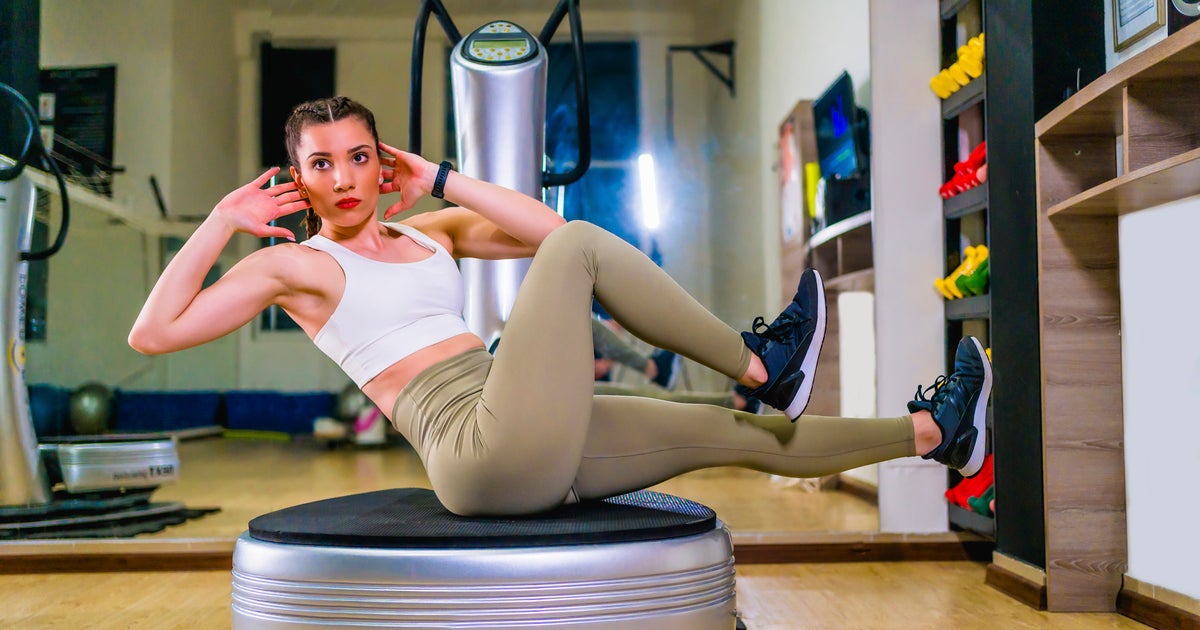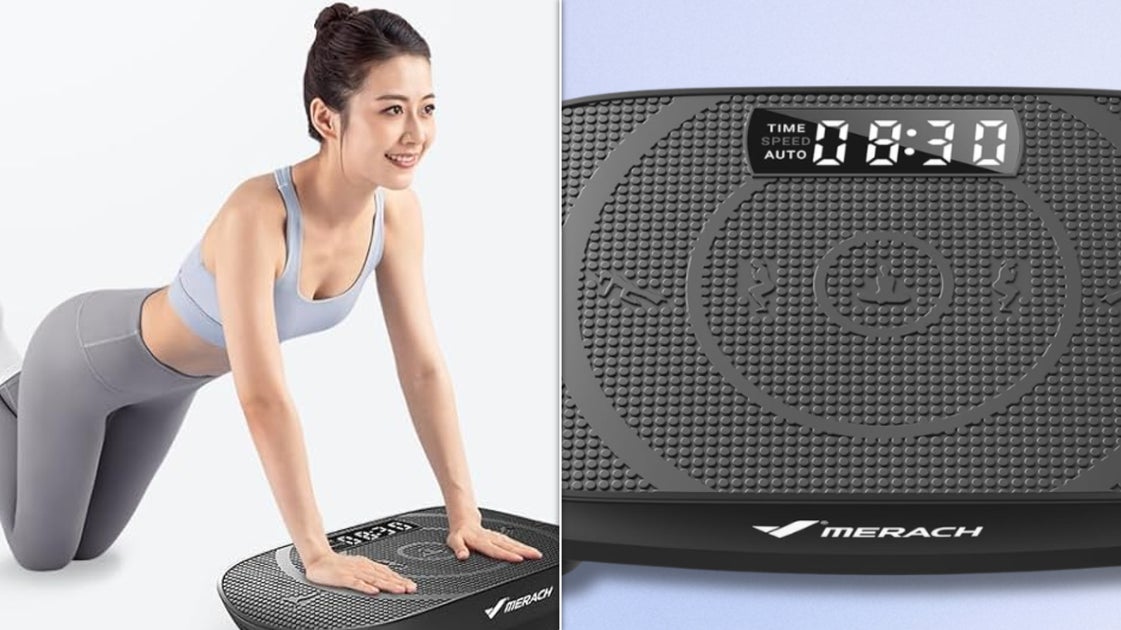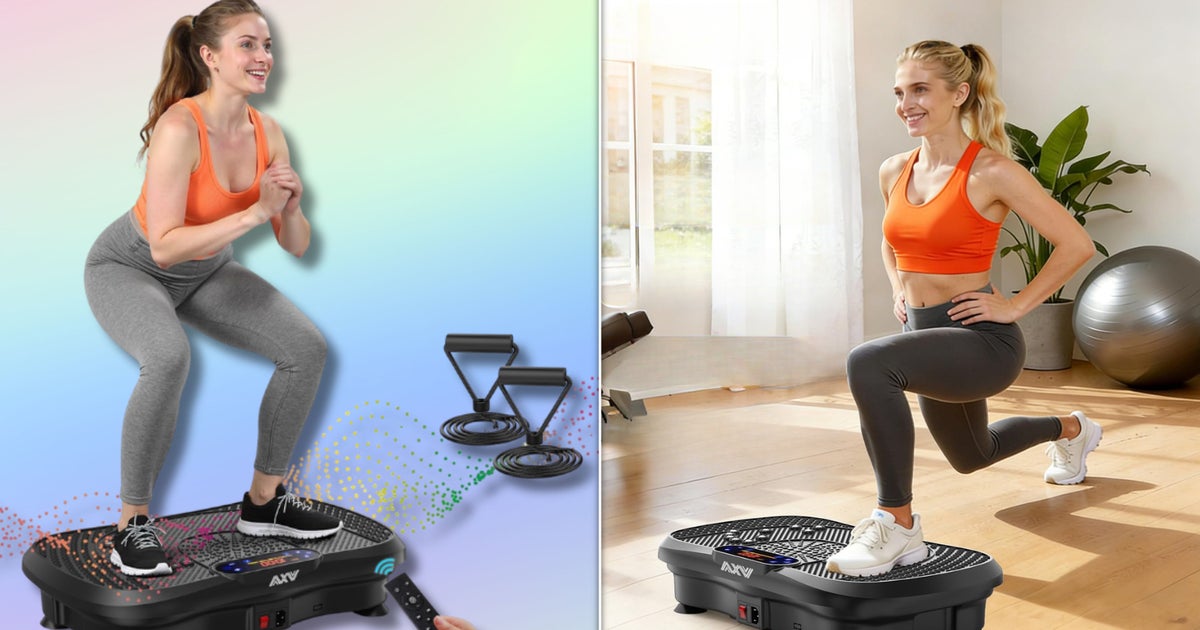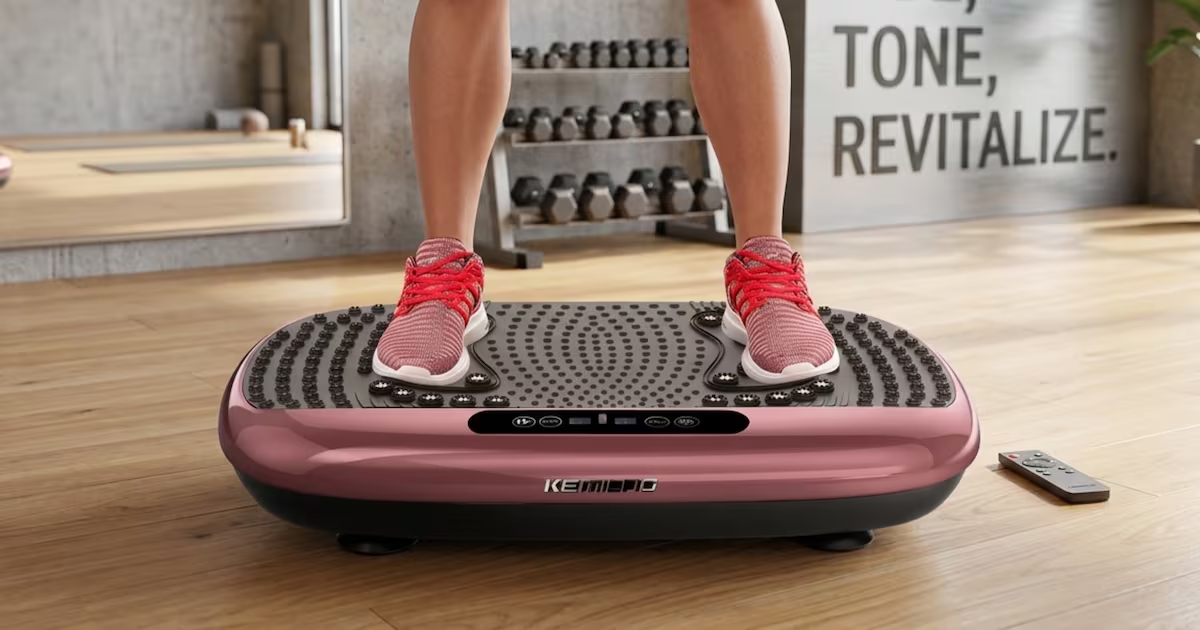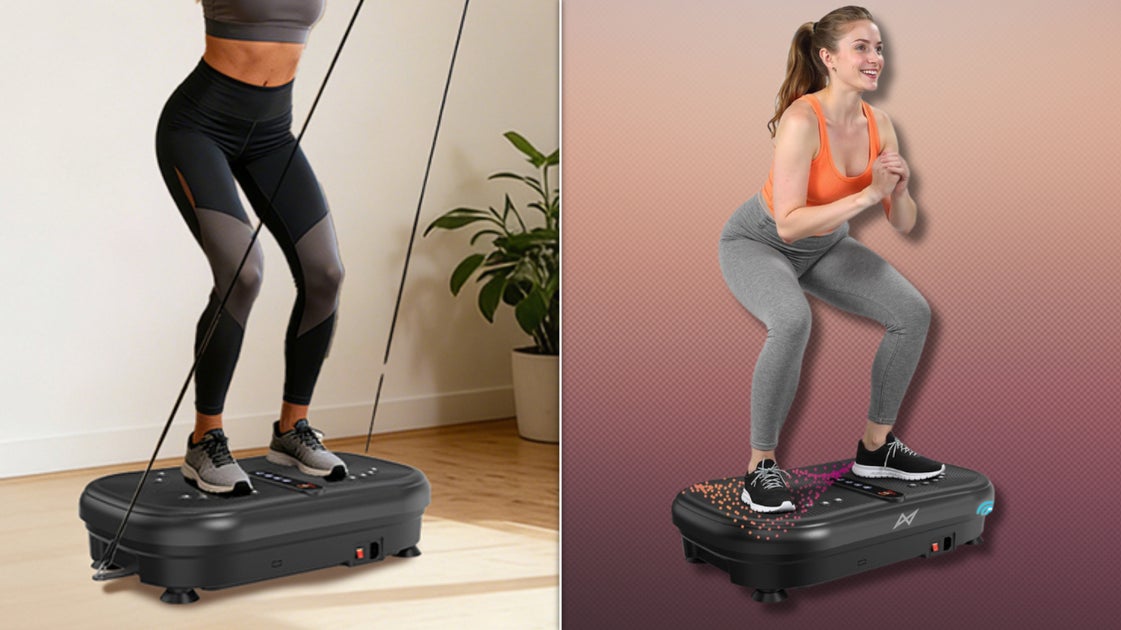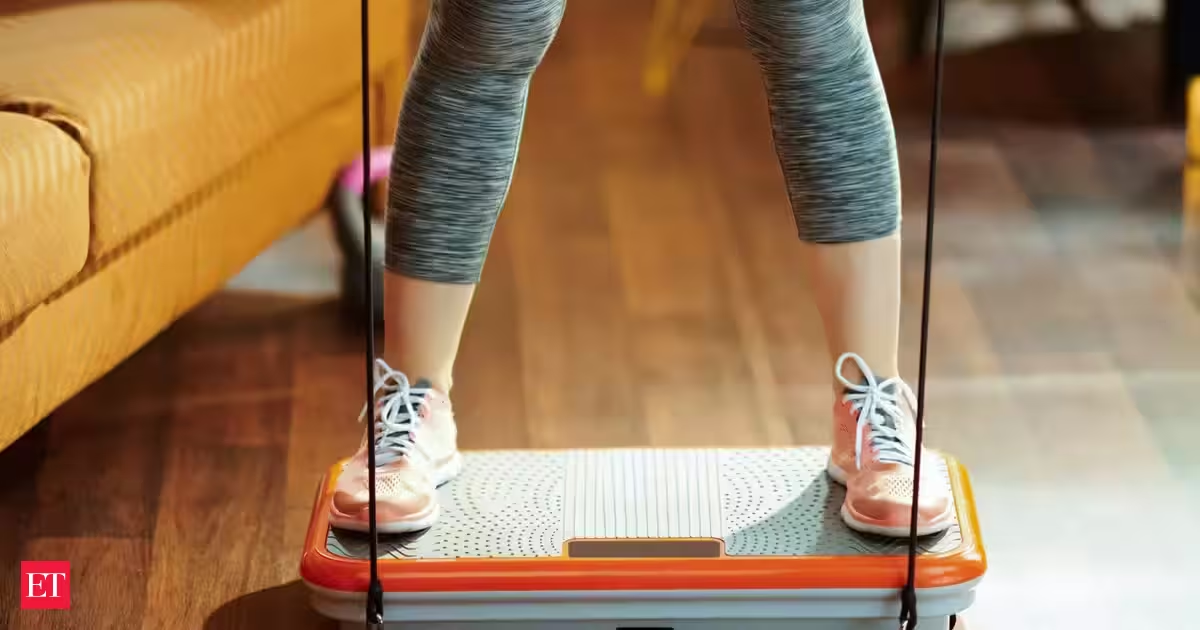
In the ever-expanding multiverse of viral wellness trends, a reel by home hacks influencer @carolina.mccauley perfectly captures the zeitgeist, bringing together almost every fitness fad of the moment. In the video, viewed over a million times, she's sporting a red-light mask, hydrating from a Stanley cup and lifting a dumbbell-all the while standing on a vibration plate. The caption reads: "Trying my best to be that wellness girl in 2026."In many ways, it's the holy grail of internet wellness: every buzzy trend rolled into one aesthetically pleasing clip. And it rests on the latest fitness gadget having a social media moment-the vibration plate.Shake it offVibration plates or whole-body vibration (WBV) platforms are motorised devices that rapidly vibrate while you stand or exercise on them, triggering involuntary muscle contractions as your body works to maintain balance. Originally developed for rehabilitation and sports medicine, they are now being marketed as home fitness devices, promising everything from body sculpting and fat loss to improved circulation, stronger bones and even as a replacement for the gym. Celebrity endorsements, influencer videos and promises of easy gains have only fuelled the trend.Also read: Old-school weight loss machines are going viral again. What’s behind the 'vibration plate' trend?It's an enticing proposition, says Mumbai-based fitness trainer Yasmin Karachiwala. After all, who can resist the lure of a low-effort, high-gains workout? "We all have busy lives, so I understand why people are drawn to anything that promises faster results. But the reality is there are very few shortcuts when it comes to health and fitness," she says.Before vibrating plates were found by social media, there was a vibrating "workout" that had briefly caught on-the vibrating belts that people put on to melt belly fat. Dr Vineesh Mathur, director, orthopaedics, Medanta, Gurgaon, says the modern devices are very different. "Those belts mainly produced passive movement of soft tissues without meaningful muscle activation, whereas vibration plates are designed to stimulate the neuromuscular system through controlled frequencies," he says.Nelke van Aspert, MD, Power Plate, Gulf & India, says the US-headquartered company, which has a registered WBV platform, re-entered India after Covid and now caters to hospitals, clinics, sports centres, gyms, hotels, wellness centres and home users. Their products start at around '200,000. But there are budget alternatives online costing '5,000-6,000.Aspert says that because of the popularity of their vibrating Power Plate, many copied its appearance. "Much like people use 'Tupperware' to describe plastic food-storage containers, many now call every vibrating plate a Power Plate," she says, adding that they use a patented technology. "The muscles respond involuntarily by contracting and relaxing to maintain stability. Similar to the automatic reflex when a doctor taps below your knee." She also claims that the technology can activate more muscle fibres than conventional exercise without heavy external loads.That sounds impressive. But medical experts urge caution.does the workout work?Mathur says research does suggest modest improvements in muscle strength, balance, flexibility and functional mobility, particularly among older adults or people with reduced physical capacity. "However, the evidence does not support replacing conventional strength training or aerobic exercise," he says. Dr Kshitij B Mody, an orthopaedic surgeon specialising in arthroscopy and sports medicine at Welcare Hospital, Vadodara, perhaps sums it up best: "If you believe a 10-minute stand on a vibration plate can replace your squats, lunges and brisk walks, the only thing that will lighten is your wallet."The strongest evidence, in fact, centres on rehabilitation. Dr Ashish Yadav, attending consultant, physical medicine and rehabilitation, Medanta, Noida, says WBV has long been recognised as a rehabilitation tool. "The advantages of this method are often exaggerated on social media. Its primary benefits lie in muscle activation and improving balance, coordination and neuromuscular control," he says. Experts say the people most likely to benefit are older adults with declining muscle strength or balance, patients recovering from musculoskeletal injuries and individuals who are initially unable to tolerate conventional exercise.Yadav adds that there is no evidence to prove vibration plates improve athletic performance or recovery better than established methods such as strength training, adequate recovery, proper nutrition and sleep. They should be viewed as a complement to an existing fitness programme-not a replacement, he says.The biggest disconnect between science and social media, however, lies in the weight-loss claims. On Instagram, vibration plates are frequently marketed as tools for body sculpting, lymphatic drainage and fat burning. The evidence tells a different story. Yadav says, "While they may temporarily improve blood circulation, they should not be viewed as a fat-burning or detoxification tool." Bariatric surgeon Dr Shashank Shah, Apollo Spectra Hospital, Pune, says, "Vibration plates should not be considered as the potential solution for weight loss. It doesn't guarantee weight loss."So should you invest in one?Karachiwala believes there is a place for vibration plates-but only after the fundamentals are in place. "If someone has the budget and enjoys using the plate as an extra tool, there's no harm. But I certainly wouldn't tell you to invest in one before you've invested in strength or resistance training, quality nutrition and consistency." Mathur also urges for realistic expectations. "According to the latest research, there is no basis for the belief that vibration plates can replace resistance exercise or cardiovascular exercise."Also read: Crunch time for lifestyle diseases as govt plans fitness pushIf you do decide to buy one, knowing how to use it is just as important as buying the right model. "One of the most frequent errors people make is the belief that increased intensity or duration equals better outcomes. The best outcomes can be achieved when using vibration in combination with activities such as squats, jumps or balancing," says Yadav.Add-on, not a substituteDespite Instagram's preference for first-thing-in-the-morning wellness routines, experts say there is no medically recommended time of day to use a vibration plate. Sessions are typically short-around 10 to 15 minutes-and work best when paired with movement rather than simply standing still. People with recent fractures, advanced osteoporosis, serious spinal conditions, recent joint surgeries, active soft tissue injuries and those who are pregnant should consult a physician before stepping on a vibration plate.Aspert recommends starting with just a couple of minutes and choosing the frequency and intensity according to one's health, mobility and goals. But her biggest advice is to choose well. "Check controlled frequency and amplitude, platform stability, performance under different body weights, safety standards, warranty, training support and after-sales service," she says. "Cheap copycats produce uncontrolled shaking, aggravate existing conditions and create high medical risks for users."Experts agree that the technology isn't pseudoscience. But somewhere between the clinic and the content creator, the messaging has become more ambitious. Karachiwala stresses that vibration plates can be a useful add-on or even a motivational tool for beginners, particularly those who don't like long workouts. She adds, "The biggest transformations I've seen in my practice haven't come from gadgets. They've come from people who showed up consistently, moved well, ate sensibly, hydrated well, slept enough and stayed patient." The fundamentals of good health, it seems, aren't resting on shaky ground.
The vibration plate boom: Separating fitness fact from Instagram fiction
Vibration plates are a trending fitness gadget promoted online for rapid results. Experts caution that these devices offer modest benefits, not gym replacements. Research supports their use in rehabilitation and for older adults. Claims of significant fat loss and body sculpting lack scientific backing. Vibration plates should complement, not substitute, conventional exercise and good nutrition.
1,164 words~5 min read