Show Caption
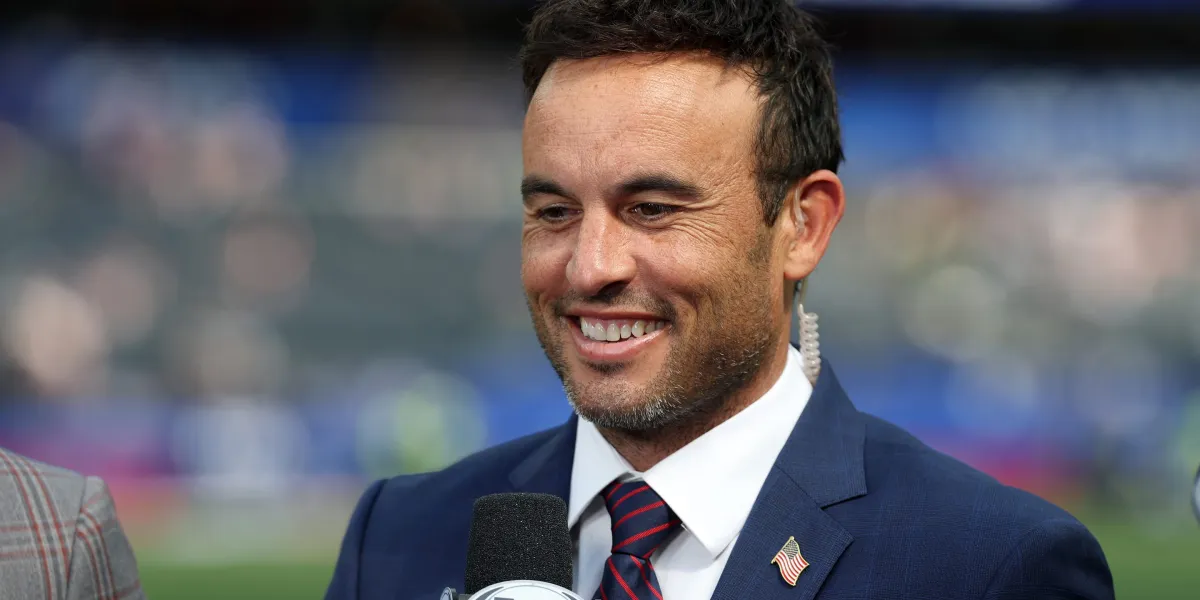
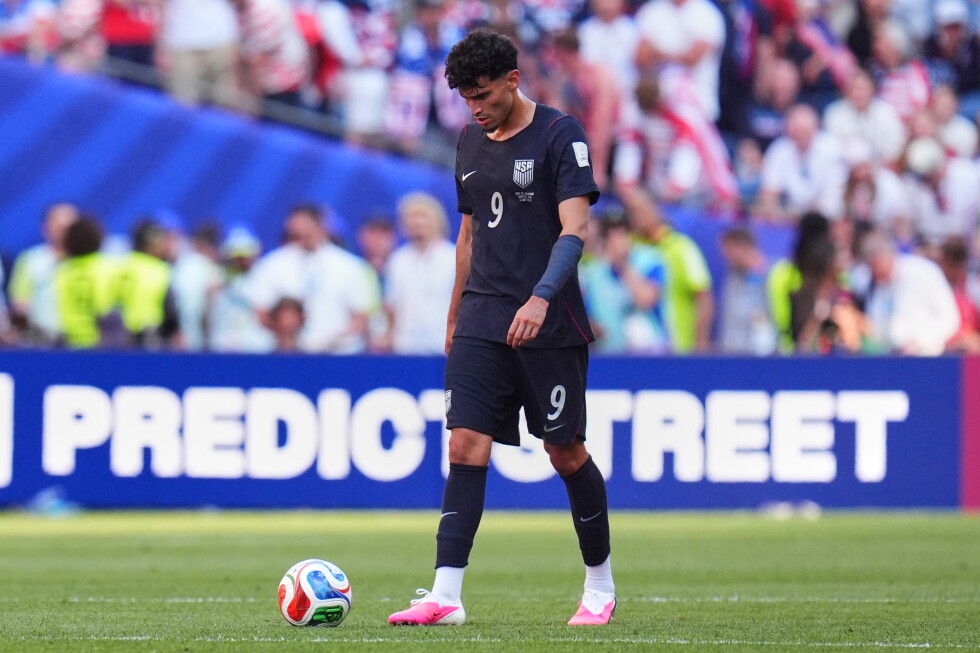
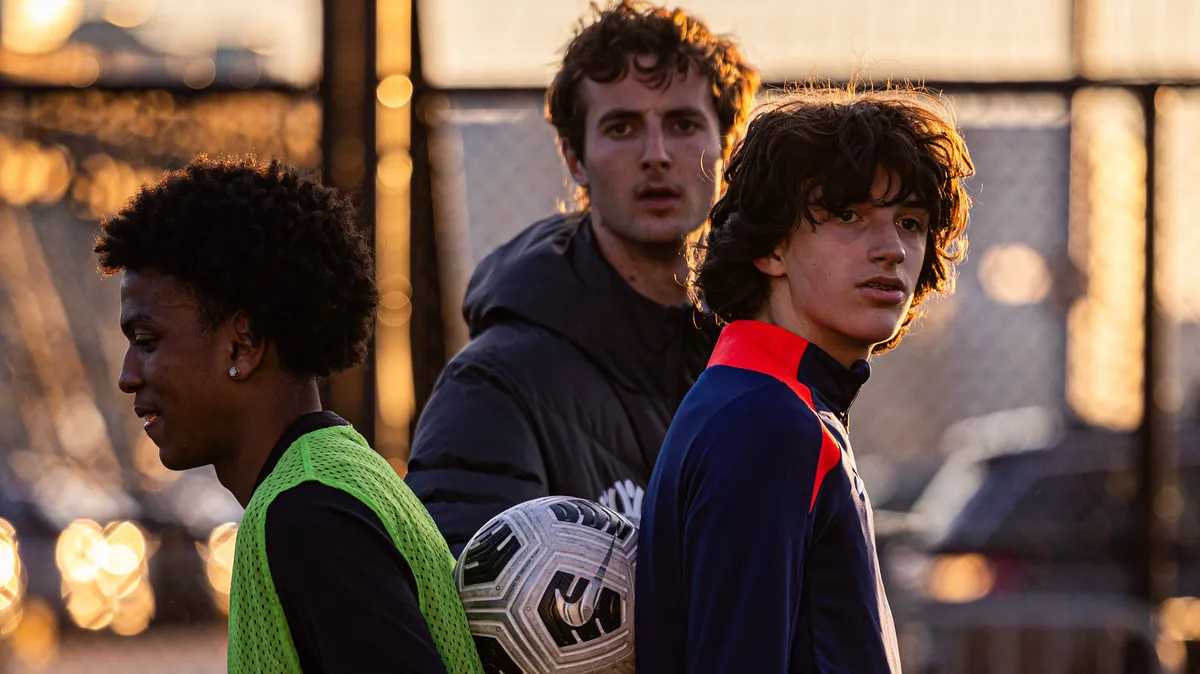
This story begins in Austria, where Keanu Stingone got going with youth sports.His parents, Pascal and Natascha, met in the United States, but moved back to Austria to be closer to Natascha’s family.Between ages 2 and 6, Keanu found a close connection to something else, too. He played in a grass-roots soccer program and he became absorbed in it.Then he moved back to the States and discovered the realities – some would say the horrors – of American youth sports. It was more like drowning."Some 8-year-olds over here are, compared to over there, just taking it full tilt already," says Keanu Stingone, now a 21-year-old rising senior at Manhattanville University, where he plays on the soccer team. "I was just looking to have fun."I joined an academy at 6 years old, ended up playing there for a few years, ended up moving to another academy, immersing myself into this American youth landscape where it gets real competitive at a young age, kind of cutthroat at a young age. Not really a thing in Europe. Europe is more developmental, more enjoying yourself, more having a good time, nurturing the players."By 12, Stingone was playing for a professional academy in the USA. He quit, burned out by the pressure and competitiveness."It's like, 'Wow, this went from like 0 to 100 really quick,'" he says. "And that's a lot for a young kid to take on. Sometimes people say, 'You just don't have the mentality.' I don't expect a 12-year-old to have that mentality."Stingone's sports career has a happy ending, although not the one you might think. Maybe you’re a soccer parent, prone to shelling out thousands of dollars each season to keep your kid on the club, and the "track." And that’s something you might be fine with doing, or perhaps just resigned to do because you feel there is no other way.As you have watched Team USA flame out of the World Cup round of 16 to Belgium, and three more European countries (Spain, France and England) join powerhouse Argentina in the semifinals, Stingone and Youth 4 Youth FC founder Brando Babini challenge you to take a different viewpoint.Babini, 21, a former pro academy player and collegiate recruit, was 16 when he started his organization as an enterprising high schooler because he saw a different path for himself. He wanted to teach, and who better to do it, he thought, than "peers" like himself and Stingone who are a handful of years removed from the kids they’re coaching."I was unguided through the whole process," says Babini, who, like Stingone, his director of coaching, grew up in New York City and was raised by a European and an American parent. "My parents never really understood what was happening. I didn't have a big brother who played soccer, and that's exactly what I was missing. I was missing that peer-to peer-mentorship."What has the World Cup taught us about youth soccer? How do we fix it? What’s the next move? Perhaps it’s more Americans finding a better-tailored sports path for their son or daughter. USA TODAY Sports conferred with Stingone and Babini for ways we can do it.When you're young, develop your sports passion and stay with your friends as long as you canAfter Team USA’s World Cup exit this month, American soccer icon and TV personality Landon Donovan spoke openly about our system. It’s one in which, he suggests, we don’t necessarily find the most talented kids, just the cream of the pool of the ones who can afford to pay for clubs.During an interview with Front Office Sports, Donovan shared how his son played for a large club in San Diego for two years before it sought bigger, faster and stronger kids. Donovan’s son got pushed down a team. He is 8."These kids love each other," Donovan said. "I mean, they are brothers. They're hanging out all the time. It has brought my son so much joy. … I called the people, and I said, 'What are you guys doing?' I was crying in bed with my son and my wife, telling him he was now on the B team and that he's not gonna be with his friends. And we're trying to couch it, like, 'This will be great for you. You'll play more.' And he just said to me, 'I just wanna play with my friends.' And it broke my heart."Now he's gonna fall out of love with the game a little bit because of this, and that's not worth it."After Stingone quit club soccer at 12, he returned to the park, but for pickup basketball. He wanted to find the temporary escape soccer had once given him."I was playing basketball my freshman, sophomore year(s) during COVID, playing outdoors all the time, just having fun with my friends," he says. "Junior year of high school, I end up getting back into it, but not as competitively. I end up only playing high school soccer. I don't go back to the academy. High school soccer with my buddies."At any age, 'environment is everything' in sportsYouth 4 Youth FC hones in on boys and girls ages 10 to 18, training them more rigorously as they get older. It works as a supplemental arm to go along with the team for which you’re playing, but also offers instruction on which one to choose in the first place."Why should you be the one who has to understand the intricacies between GA and ECNL or between MLS and MLS2," Babini says. "All these things that are also ever-changing and keeping up with them is impossible. That's kind of our job to stay in the pulse, and also to navigate a system that we've already been through."Unless we are former collegiate or professional players, we are not experts as parents. Our job, Babini suggests, is to find someone – whether it’s the coach of your kid’s team, or a family friend who has guided a kid through the youth sports system, or someone else – to help you make a plan of action for your child.“I think we offer (a) kind of sisterhood, brotherhood; our age gap isn't that far," Stingone says. "So not only are we training them very intensely and they're getting extra touches and actual work that maybe some teammates are not, but we also just grow this personalized relationship with them, not only to get better, but also to feel comfortable. Environment is everything. It's so vital because if you show up somewhere and you're not comfortable, you won't progress. You won't feel good about showing up every day."'Throw the winning out the window' until you get to high school sportsWhen Babini looks back at video of him playing in high school, he sees a kid who was stressed. He realizes he wasn’t in the moment, not fully enjoying himself. Today, when he plays recreationally, he is much looser.The transformation came through the recruiting process, when he realized the collegiate soccer life wasn’t for him. He was recruited by Division III Pomona College and accepted at Brown as a non-athlete.He’s working toward an undergraduate degree as a part-time student at the latter as he runs his business.Through a process of self-discovery, and through the patience of Pomona’s coach, he says he saw through his journey and landed in the right place. He realizes the life of a collegiate athlete, let alone the greater sacrifice it takes to become a pro, was never for him."I tell kids, 'Playing college might not be for you,'" he says. "Who knows where the journey will take you? Just know if you always play to win, play to improve, you'll end up in a good place."Stingone says ninth grade is the pivotal point where we decide to commit to the work it takes to get to another level. When you’re younger, he says, the outlook is much simpler.Parents call him and ask what the next move is for their 9-year-old. His response: Keep playing and don’t worry about the next move."Make sure they love the sport, first and foremost, and then make sure they're getting better," Donovan told Front Office Sports, still seething about his son’s "demotion" at 8. "Throw the winning, and throw all that crap, out the window. When they get older, yes, I agree. But these are 8-year-olds, 10-year-olds, 6-year-olds. We need to stop. It's not worth it."There are millions of kids that are falling out of love with the sport, quitting at 13, 14, because they don't want to deal with their parents yelling, or the coaches, or the pressure, and that's not good for the sport. If my kids are falling out of love with it, imagine what the rest of the country's dealing with."The best things in life are free? Club sports should at least embrace the spirit of that conceptBabini says there are 1,000 players and 50 coaches and ambassadors who are active professionals or college players within Youth 4 Youth, It’s based in New York City but has hosted programming throughout the Northeast and in Dallas as well as virtual mentorship.The organization is modeled after the verve and spirit with which European teams play.Norway’s surprise run to this year’s World Cup quarterfinals was built on the idea that the drive you gain for sports is something that comes at little cost. A recent Wall Street Journal profile of Norway’s youth sports ecosystem noted how its star player, Erling Haaland, grew up in the country’s low-cost, high-participation system.One of Haaland’s former teammates noted in the piece how the system is built on kids playing equally, and enjoying themselves."I think the less pressure at a young age, the better," Stingone says. "Elementary and middle should just be developing your love and passion for the sport. If you've done a good job at that during your earlier years, that passion will turn into a dream and that dream will turn to hard work and that hard work will eventually pay off. So it's all kind of a chain reaction."Our athletic careers might start on a sandlot, or at a local hockey rink or at a makeshift football field. But their foundation is built on you coming back for reps.Whether it’s through personalized training or on your own, Babini says, you need touches, in formal games but also through playing pickup or even kicking a ball against the wall."If your player needs to come to us or needs to have a supplemental trainer to actually put in the extra work, then they're not going to go very far," he says. "Just make sure that you're getting more touches than the 300 that you're getting in your club sessions, because that's just not enough. People think, 'Oh, but they're gonna burn out.' No. You burn out from working in the wrong environment. You don't burn out from overworking unless you're training twice a day. The 17-year-old body can handle training once a day."While Babini admits the Youth 4 Youth’s services at full cost aren’t inherently cheap, he offers full or partial scholarships. He also believes the right to play in front of college coaches shouldn’t cost anything. He selects players for his free college showcase through a partnership with Nike with an eye toward giving exposure to overlooked kids, such as ones who can’t play for high-end clubs."There's a reason these Europeans and South American teams are always better than us," Stingone says. "It's because they find these hidden gems. They find these players that might not afford to play at clubs, but they see the potential in them. And they invest in them young. And then they grow up, they develop, and they become superstars."Or perhaps not. But, along the way, they better prepare themselves for life.'Don't quit': There are so many inherent benefits if you stick with sportsThere is an organization known as TrueSport that focuses on sports as an educational tool. It works with high-level athletes who understand athletics is a lab for life, in which we have unlimited opportunities for success and failure.Don’t deny yourself these opportunities just because you feel, or others make you feel, like you’re not good enough."Don't quit," Babini says. "People say, 'Oh, I just want what my kid wants.' Sometimes that's not what they truly want in the long term. Make sure they're doing something else instead. Maybe he'll run track or play basketball (or be) a rock climber, play chess. They should know what they're quitting for."After Stingone quit soccer for basketball, he missed playing the former and went out for his high school team at Archbishop Molloy in Queens. It was one of the best decisions of his life.A scout from Manhattanville, a Division III school in New York City’s northern suburbs, came to one of his games to see somebody else. Stingone played well and they found him.During Stingone's freshman year at Manhattanville, his coach, Sean Reilly inspired him to want to lead a collegiate team himself some day. You never know what your next sports experience might overturn."You're gonna get so many secondary benefits from playing," Babini says. "Maybe you don't get recruited, maybe you never get that offer, but you meet your best friend, you meet your future business partner. You end up working for your coach elsewhere. Butterfly-effect moments that will happen if you stay around the game."Steve Borelli, aka Coach Steve, has been an editor and writer with USA TODAY since 1999. He played baseball in high school, rowed in college and spent 10 years coaching his two sons’ baseball and basketball teams. He and his wife, Colleen, are now sports parents to a college and high school baseball player. His Coach Steve column is posted weekly. For his past columns, click here.Got a question for Coach Steve you want answered in a column? Email him at sborelli@usatoday.com.