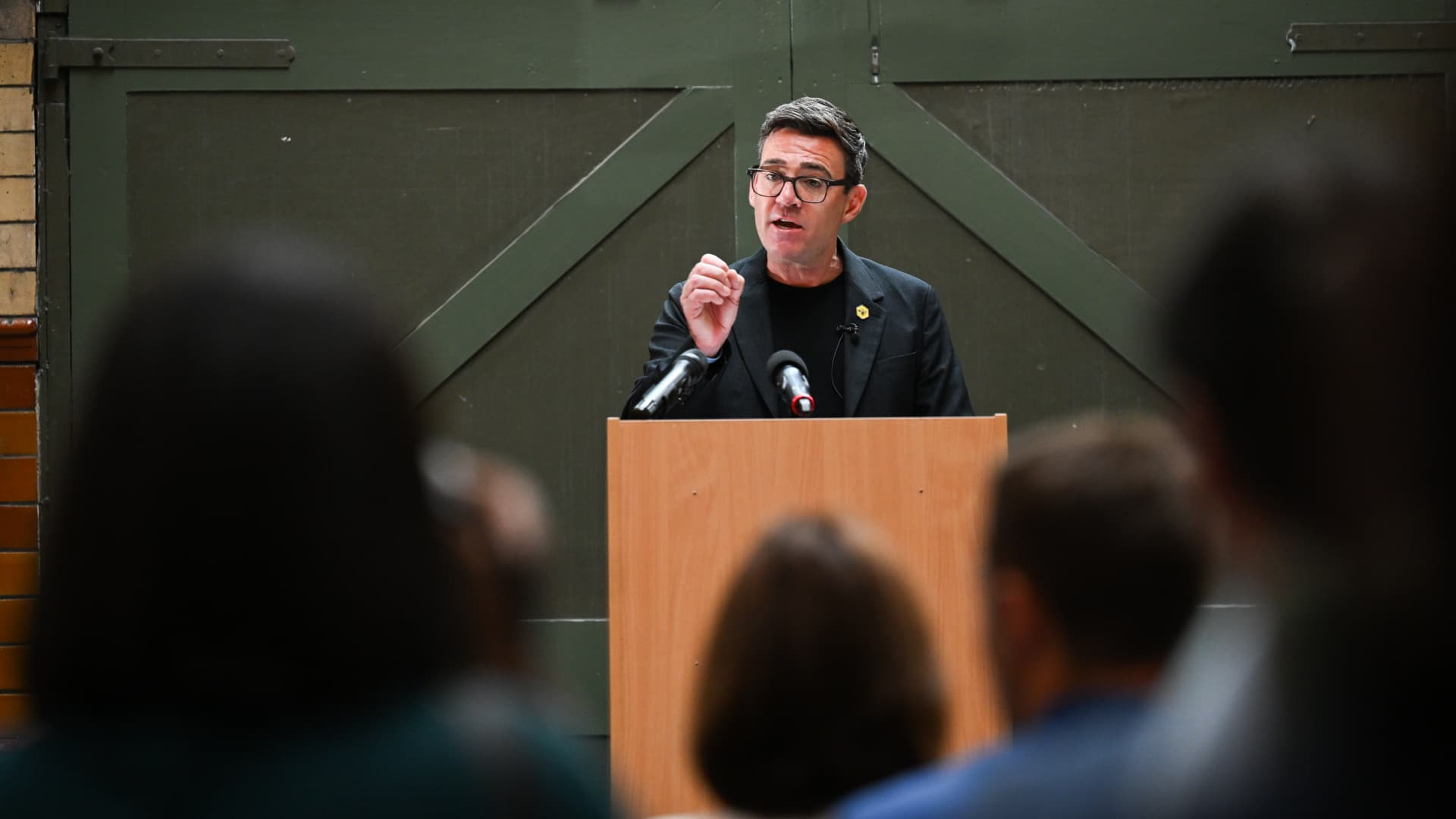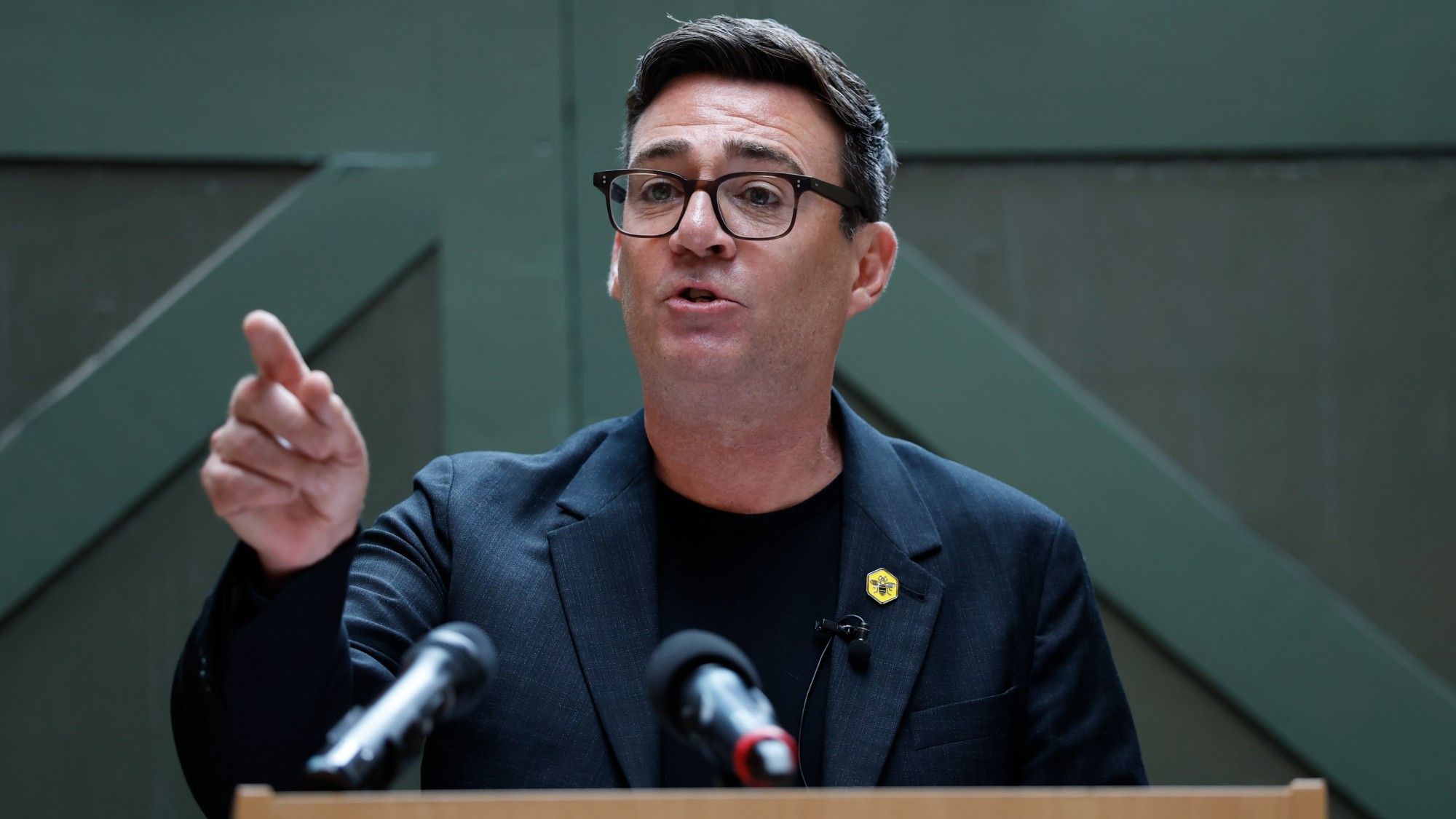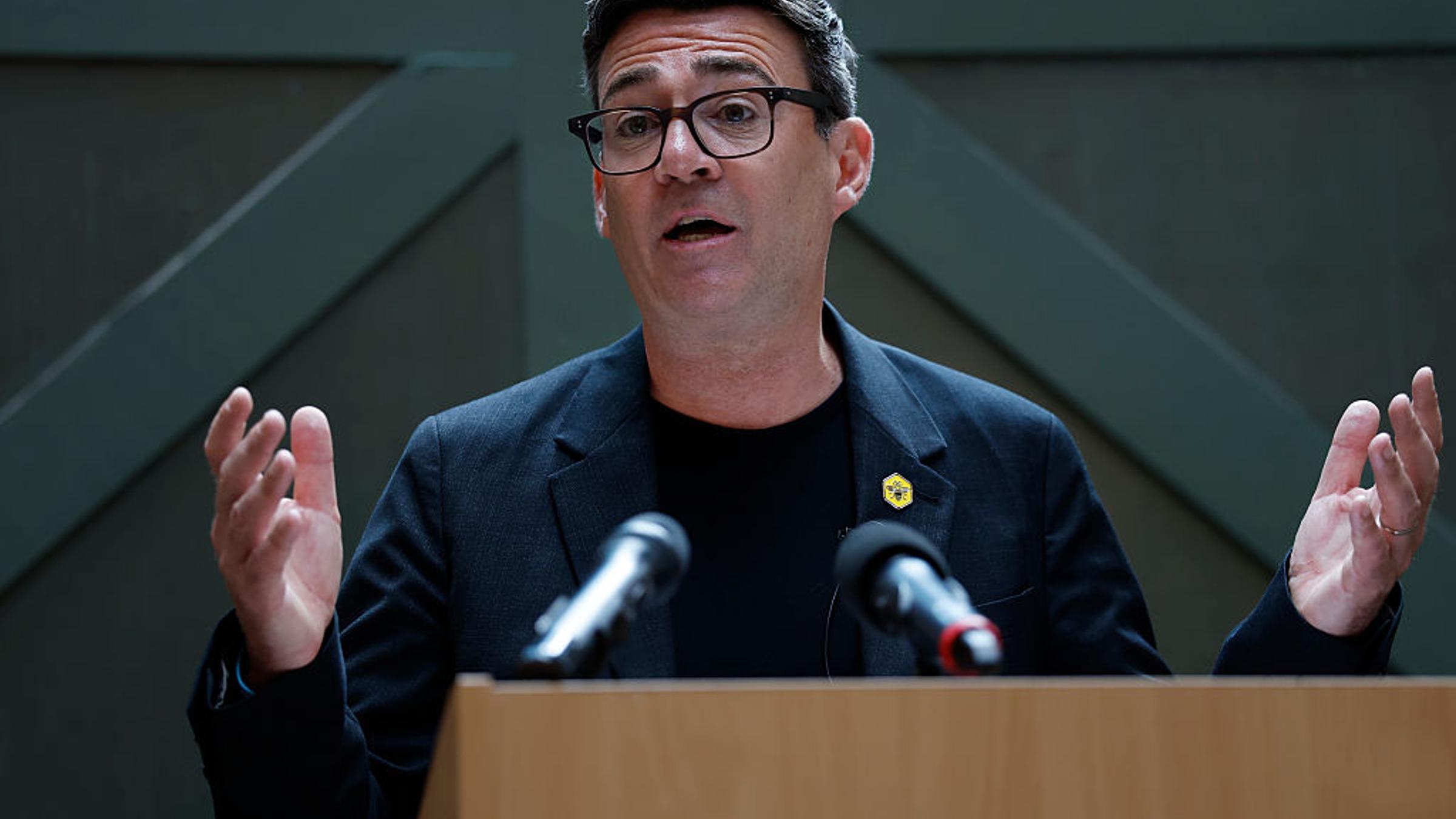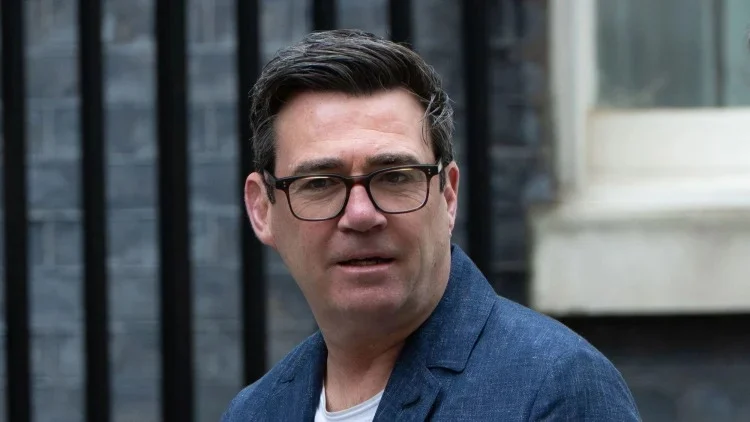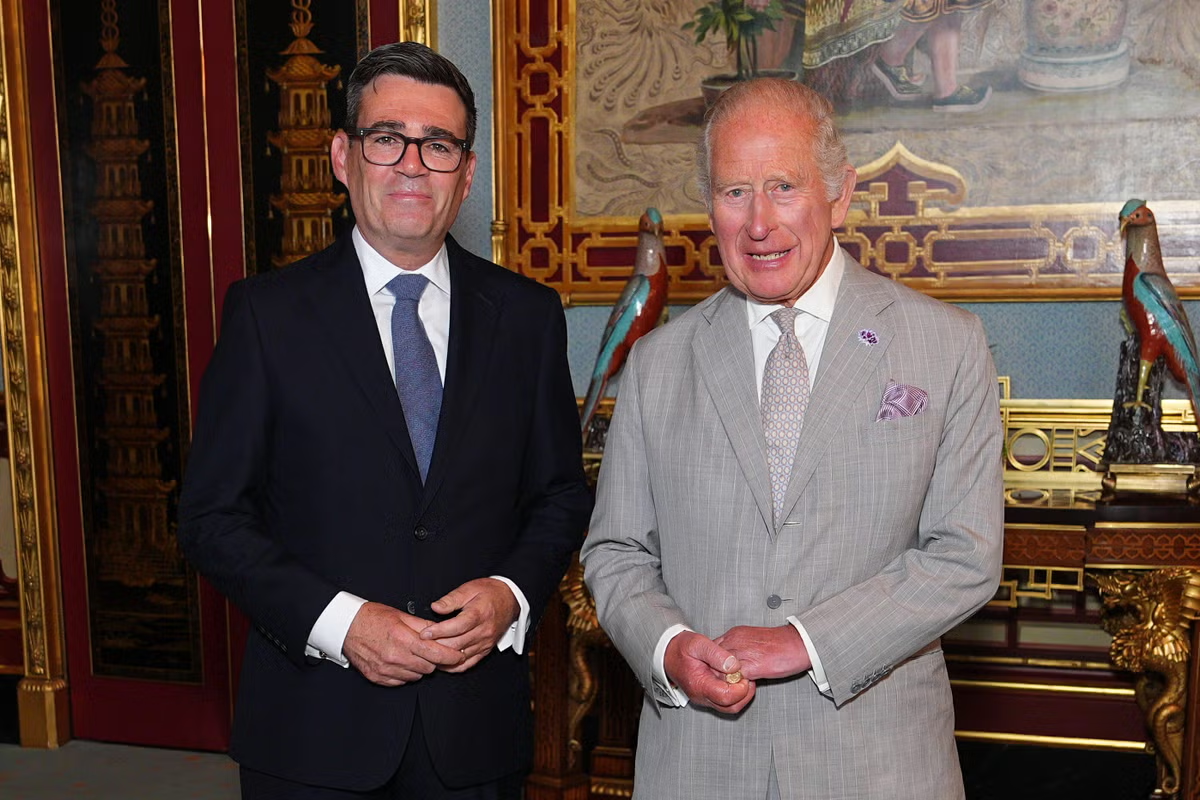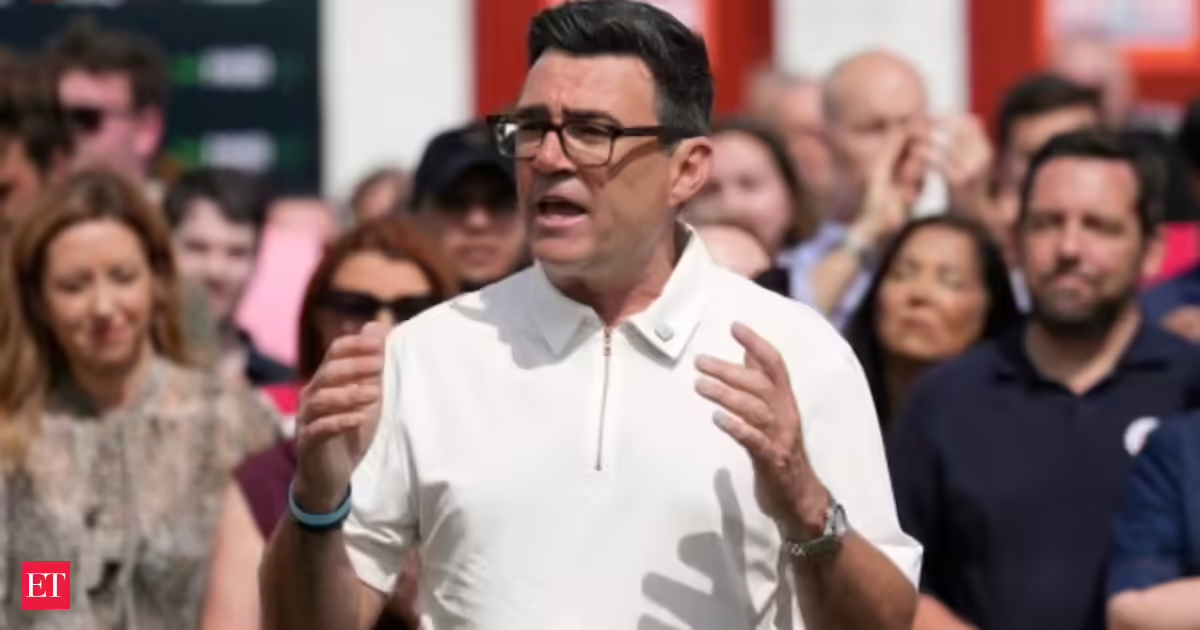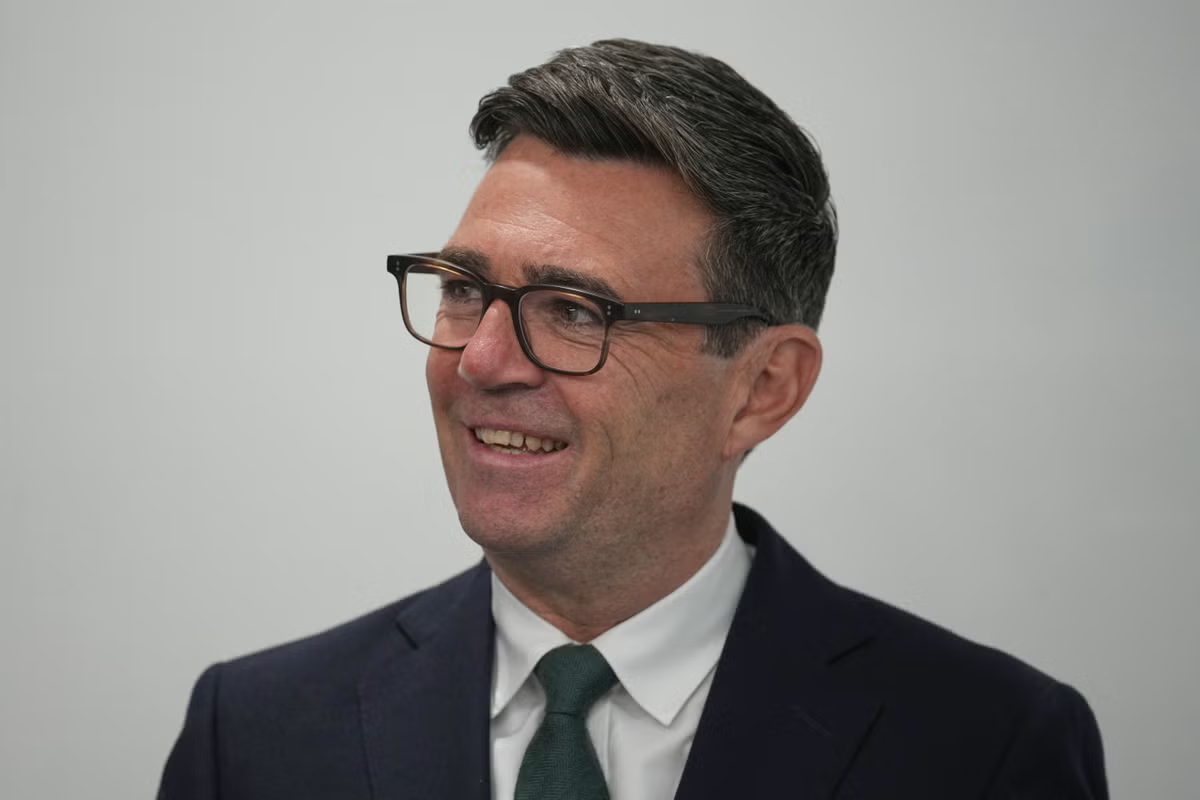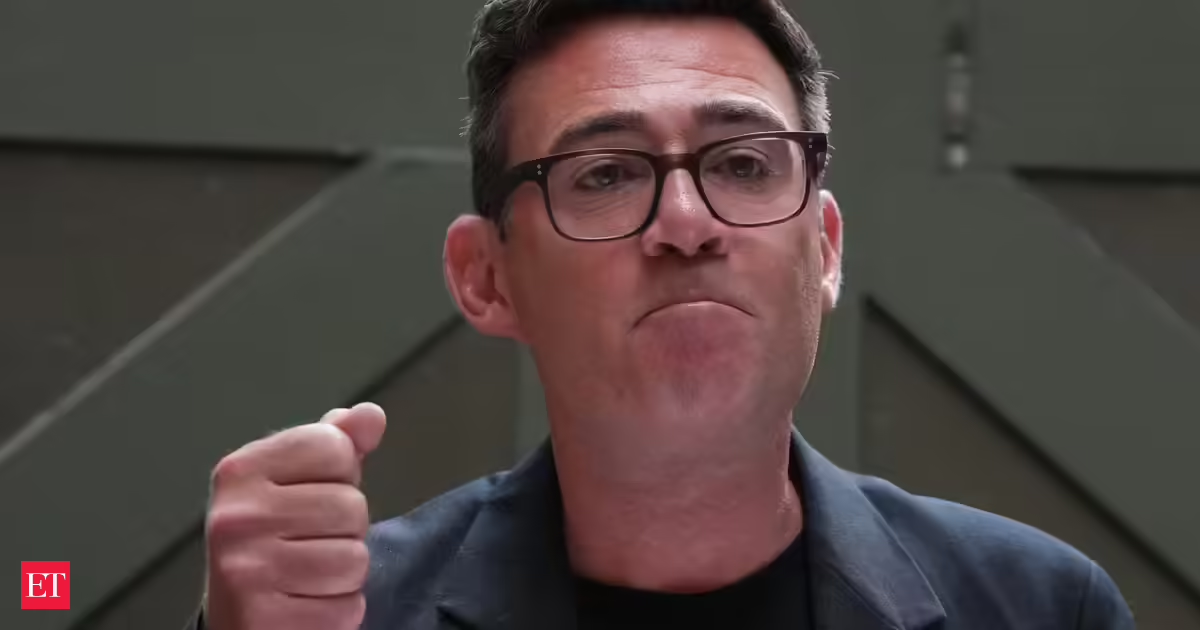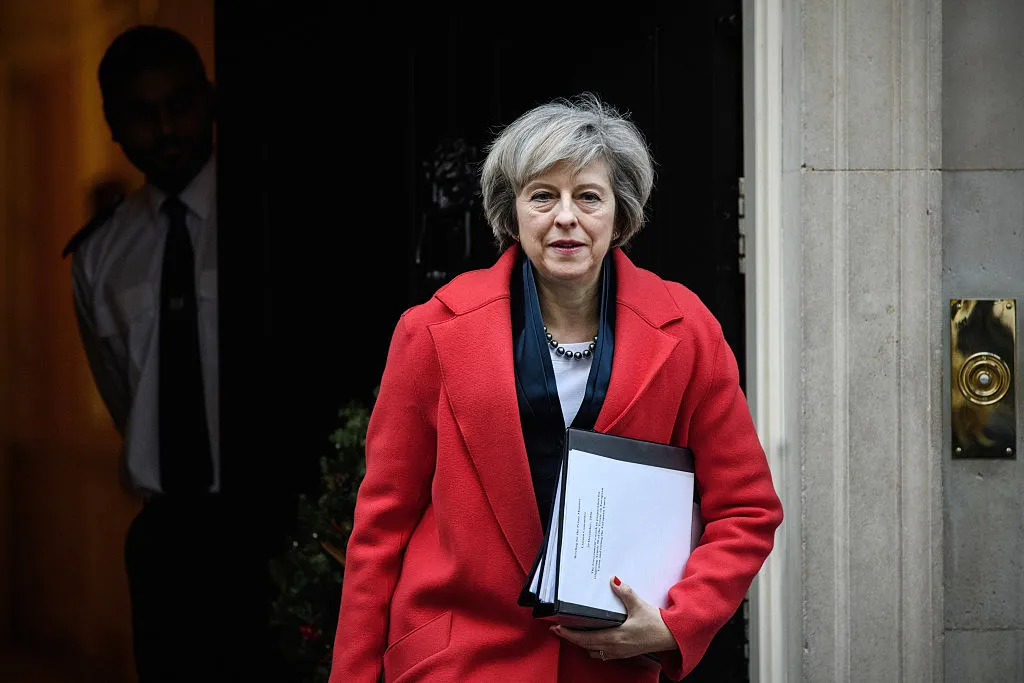
Andy Burnham, the incoming prime minister, thinks English devolution will be the great stroke against Reform UK. On one level this is hard to fathom. Do voters flirting with populism really have any love for local authorities, or the kind of people who run them? All of the villains in the TV show Clarkson’s Farm are from local government. Andy Burnham takes it for granted that more devolution is the answer to populism because he is, without quite being conscious of it, a Mayite – that is to say, someone in the political tradition of Theresa May, who became prime minister of the United Kingdom ten years ago this week. May is arguably one of the most important statesmen of the twenty-first century, second only to Donald Trump. She was the first head of government to have to respond to modern populism, and, owing to a strange conjunction of circumstances, had carte blanche to decide what the new populism would mean. Few have ever deviated from her thesis.
Politics has never progressed since Theresa May, because the British establishment has been unable to even recognise the demands of voters as demands, things which can be agreed or disagreed with
By the middle of July 2016, shortly after the referendum, Theresa May and her circle were the only power left in Britain. ‘Vote Leave’ had dissolved. The triumvirate of Johnson, Gove, and Cummings had fallen apart. The Brexit ultras of the European Research Group, in a remarkable display of shiftlessness, had made no plans to seize power. The defeated party of Remain, meanwhile, immediately began searching for ways to overturn the result; in doing so it renounced any role in shaping what would happen next.