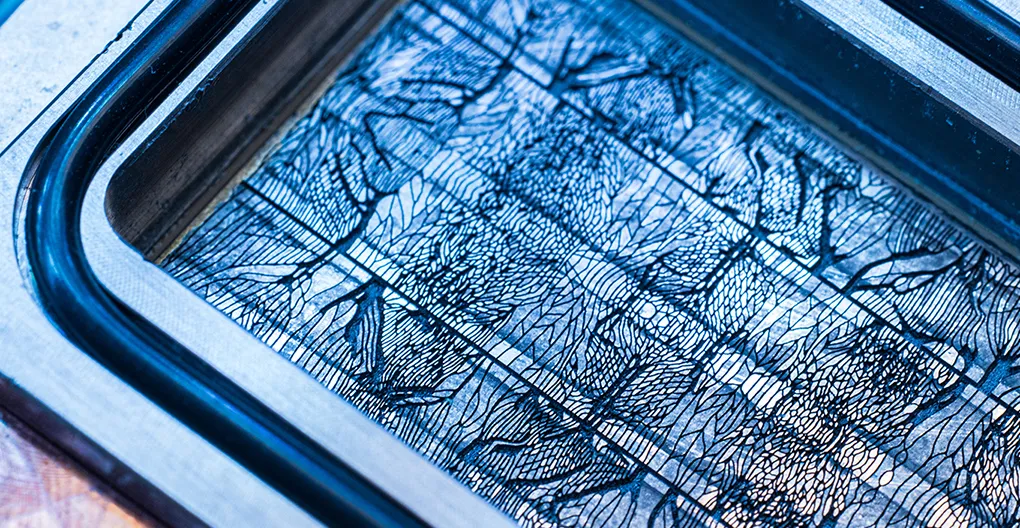
Image by panumas nikhomkhai via Pexels | Not representative
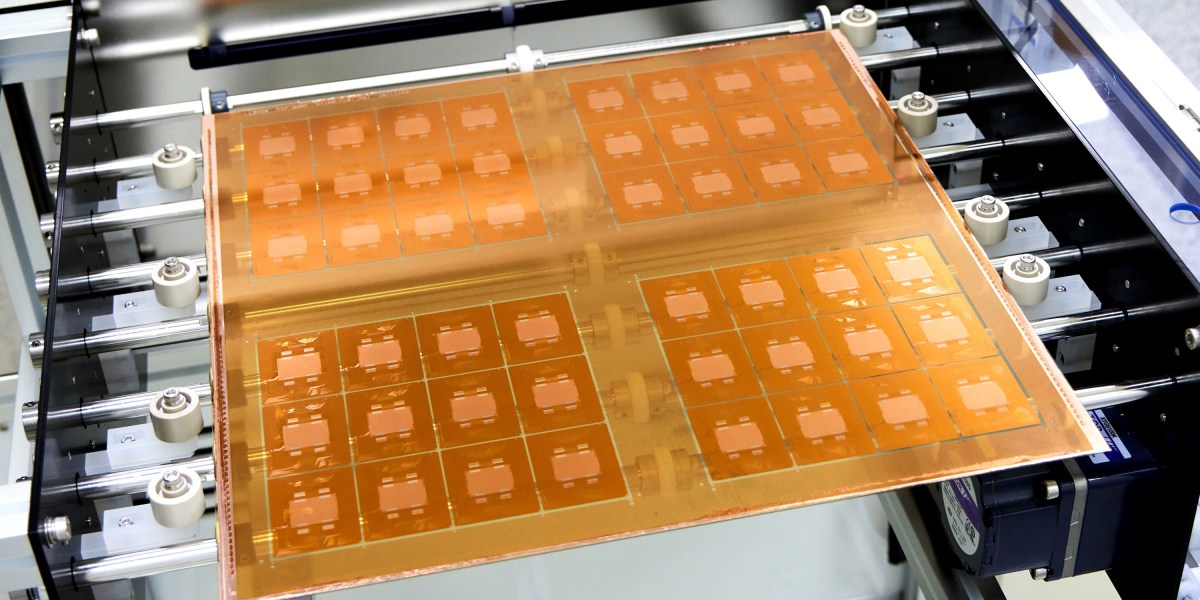
Scientists at Microsoft Research demonstrated a glass-based data storage system called Silica that can write and read digital information in ordinary glass. According to a study published in Nature, the system can store the equivalent of about two million books in a thin, palm-sized piece of glass, while tests indicate the data could remain readable for more than 10,000 years.
The work aims to address a long-standing challenge in digital archiving. Current storage media such as magnetic tapes and hard drives wear out over time and need to be replaced, making them less suitable for preserving information for future generations. Researchers say long-term digital preservation is becoming increasingly important as governments, research institutions, businesses and cultural organisations look for reliable ways to store valuable records.
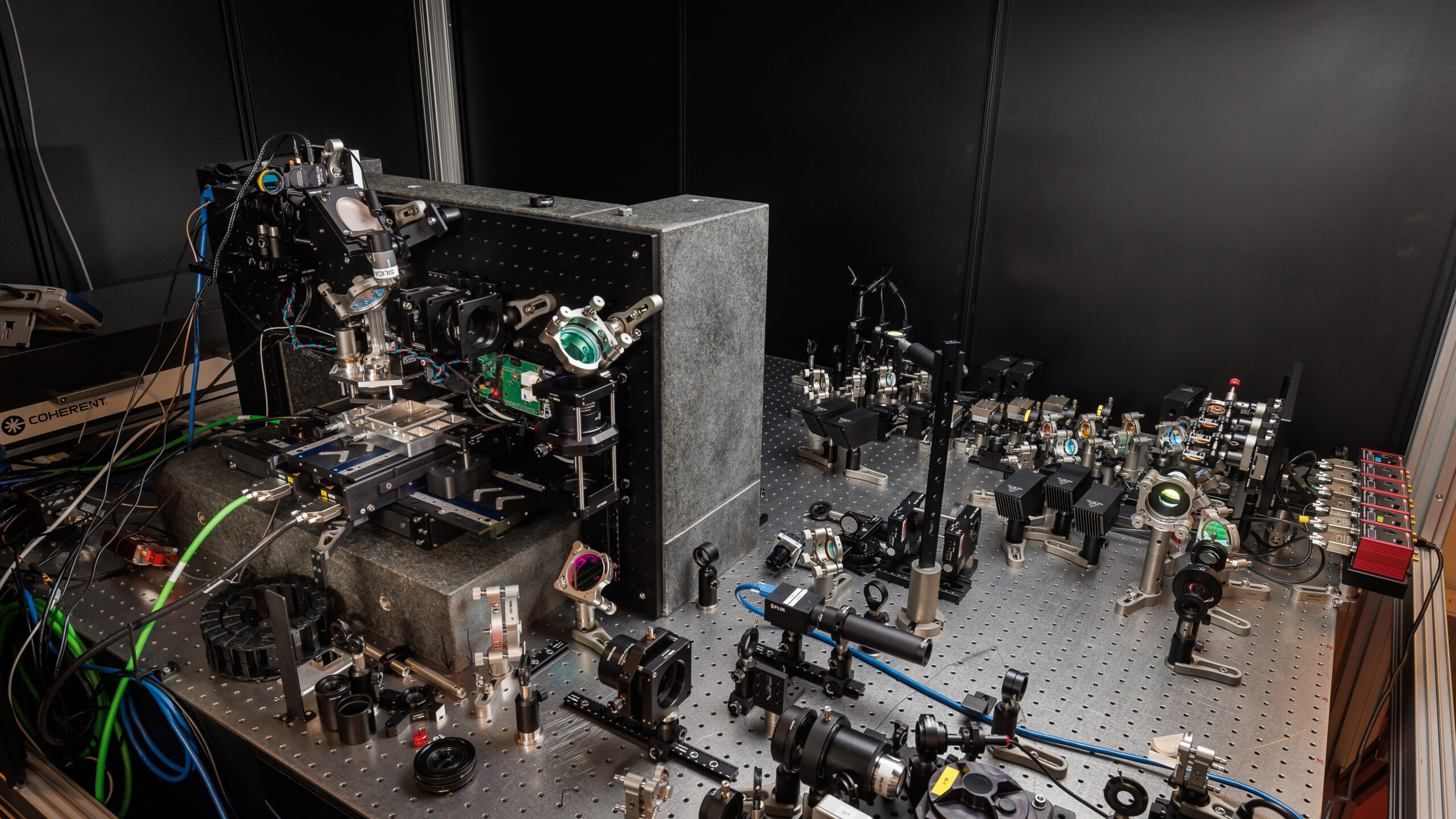
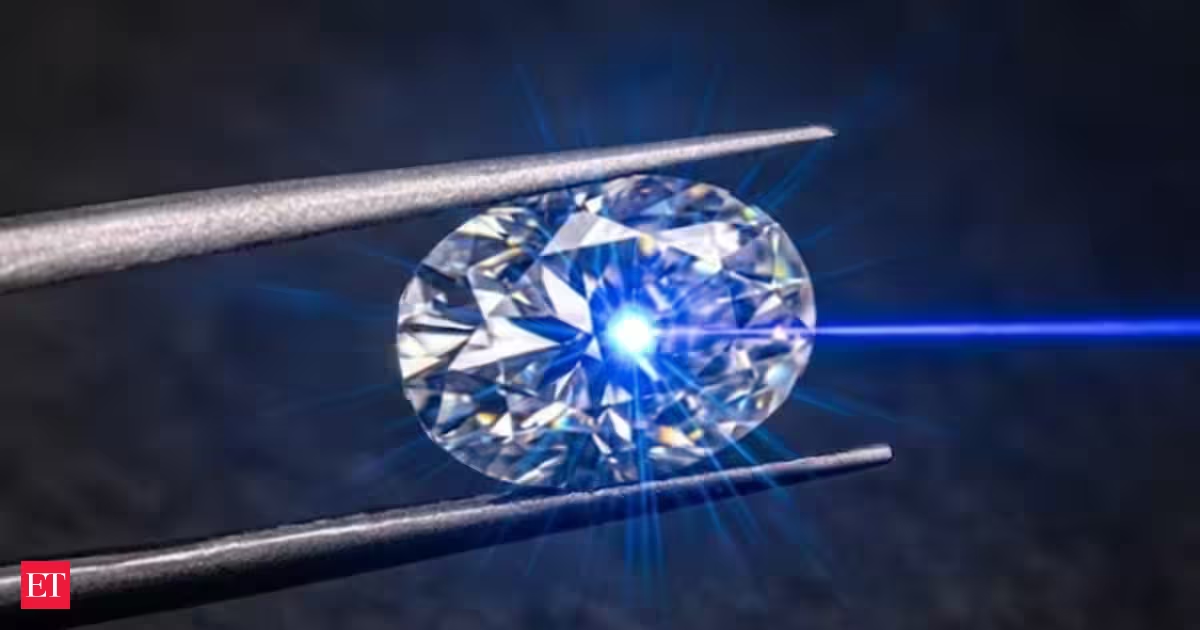
Silica stores information using ultrashort laser pulses that last only a few quadrillionths of a second, known as femtoseconds (10⁻¹⁵ seconds). Although incredibly brief, these laser pulses carry enough energy to make tiny, permanent changes inside transparent glass without damaging the surrounding material.