In this interview with DAMILOLA AINA, the Chief Executive Officer of petroleumprice.ng, Jeremiah Olatide, discusses how the five-month conflict involving the United States and Iran, along with disruptions to the Strait of Hormuz, affected global crude oil prices, Africa’s fuel supply chain and Nigeria’s petroleum industry
Five months after the US-Iran war began, how would you evaluate its impact on global crude oil prices and the broader petroleum industry?
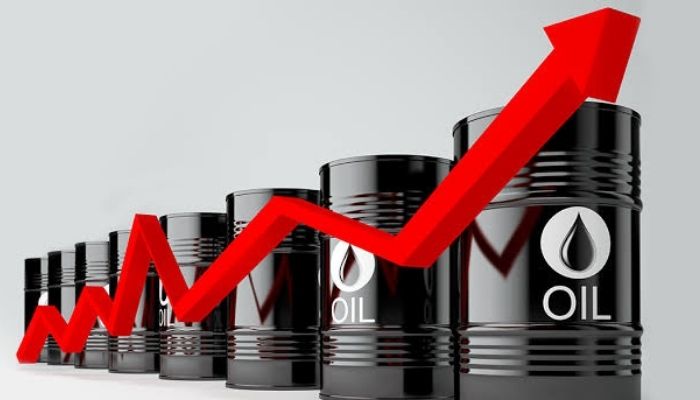
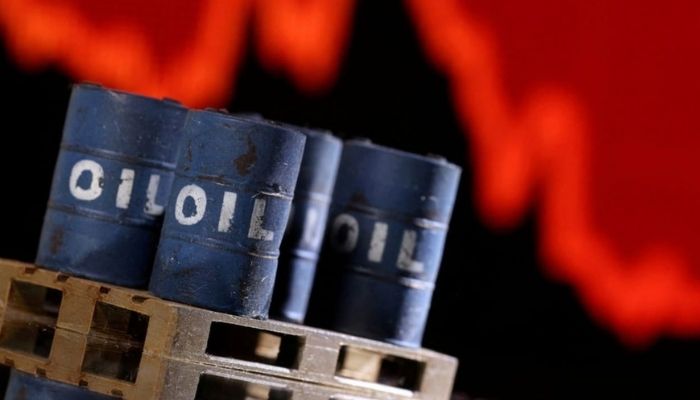
The last five months have been troubling all over the world. The last time we had a shortage in the distribution of crude across the world was in the 1970s and, for Africa, with the exception of Nigeria, 80 per cent of the continent imports petroleum products. The continent depends more on imports, so the conflict had greater effects on other importing African countries, and it was so negatively impactful that Brent crude hit $120 per barrel; the last time we experienced that was a few years ago. So, it had an effect on our refined products, even as a producing country of both crude oil and refined products; it had quite a negative effect on our prices. Currently, it is getting better. Prices have dropped to an average of $70 for WTI and Brent, but because 20 per cent of the movement of crude passes through the Strait of Hormuz, and Africa depends on quite a lot of products coming from that route, it had quite a few negative effects, with prices of refined products surging by over 100 per cent and a supply glitch in many African countries, such as Kenya and South Africa, which experienced queues at their retail outlets.