Nigerians hoping for a significant reduction in petrol prices may have to wait longer as renewed tensions in the Middle East gradually reverse the recent decline in global crude oil prices.
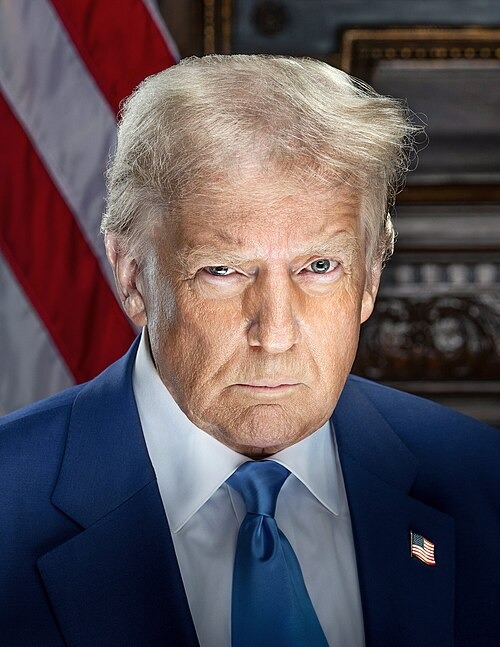
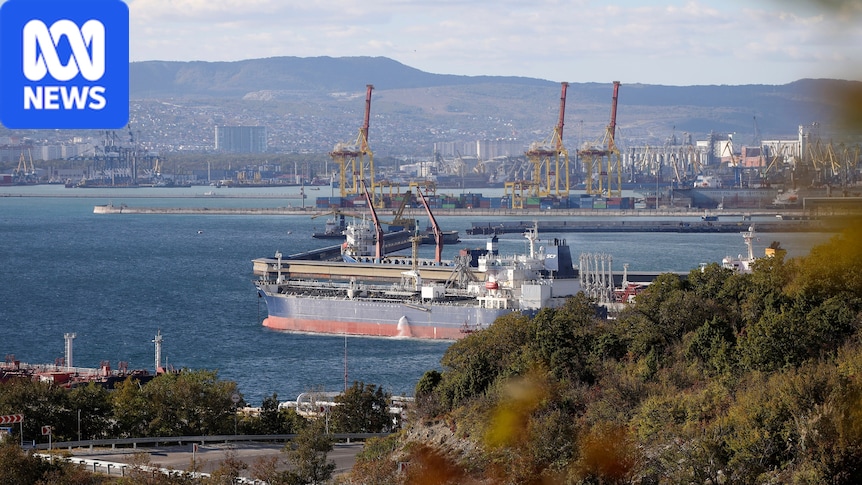
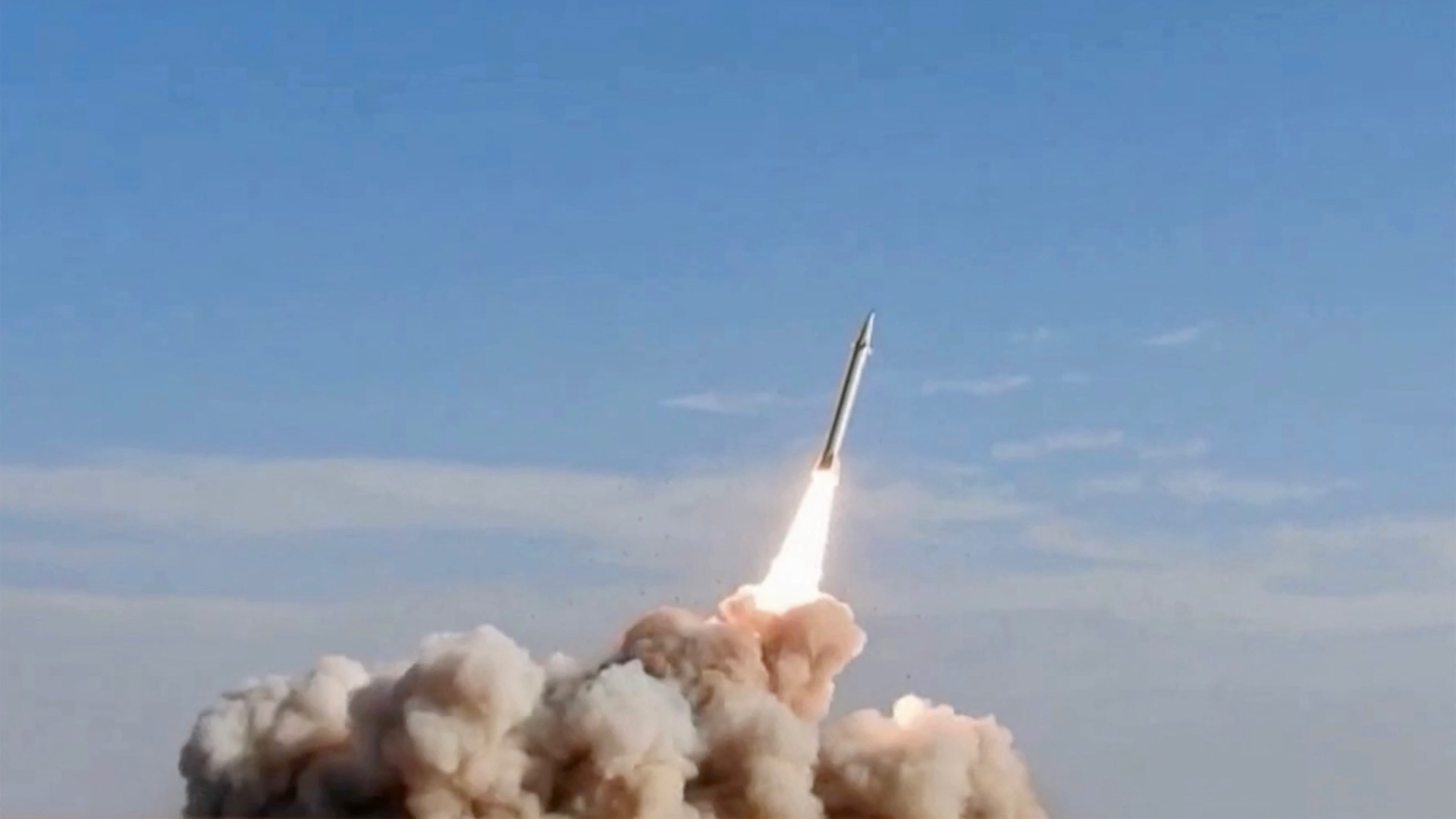
Crude prices rose this week after the US reimposed a naval blockade on Iranian ports and President Donald Trump threatened a 20 per cent cargo charge on vessels passing through the Strait of Hormuz. The US, he believes, deserved to be “reimbursed” for being a “guardian of the strait” — one of his many bullish rhetorics retracted hours later.
Brent crude, the international benchmark for oil prices, jumped to $87 per barrel on Wednesday, the first time it has traded at that level since June. The US West Texas Intermediate (WTI) also rose to $80 per barrel, while the stock market dipped significantly.
The renewed tension between the US and Iran is disrupting the relief many hoped the gradual return to pre-war oil prices would bring.
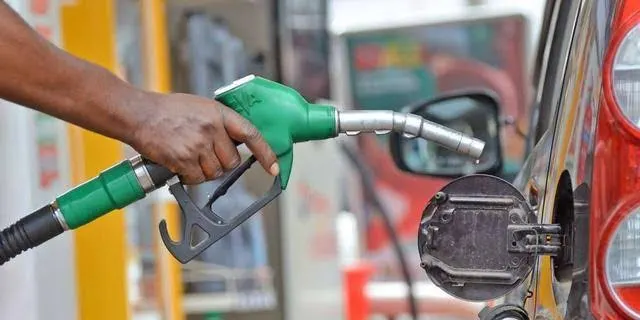
This comes amid growing pressure for the adjustment of petrol retail cost to reflect the decline in crude oil prices that followed the signing of the Memorandum of Understanding (MoU) in June between the US and Iran. In Nigeria, where the global crisis had compounded existing high energy costs and inflation, demand for a petrol price cut was high.