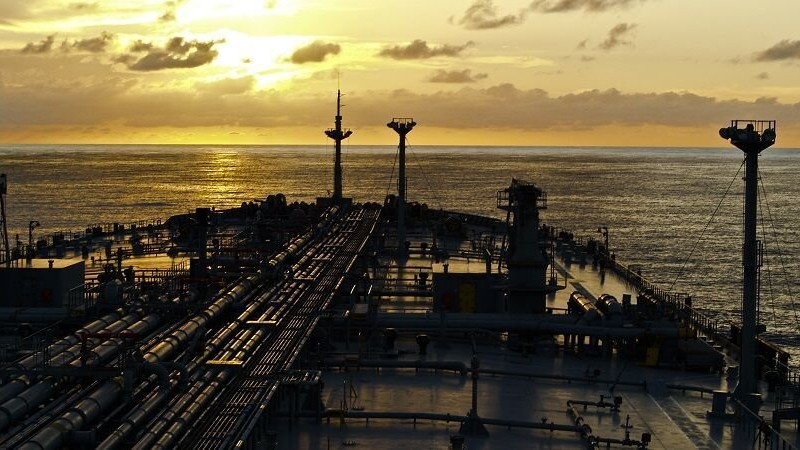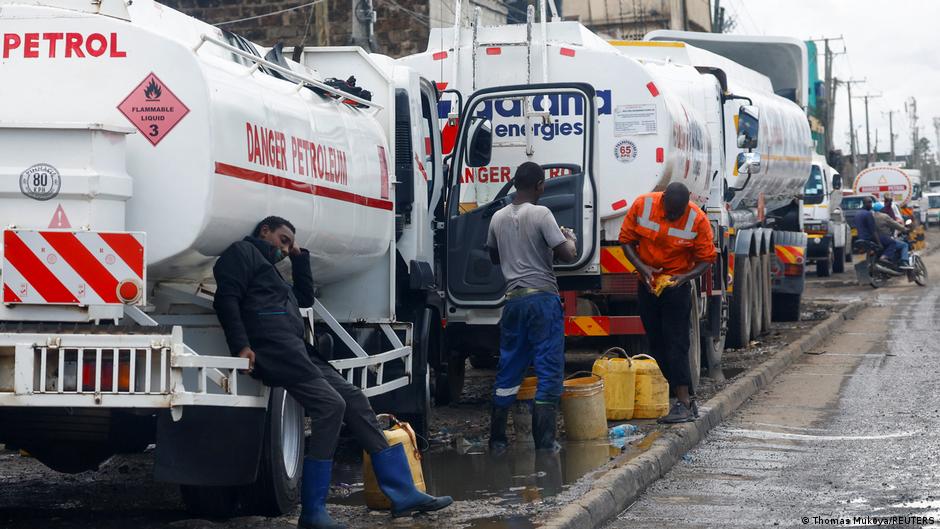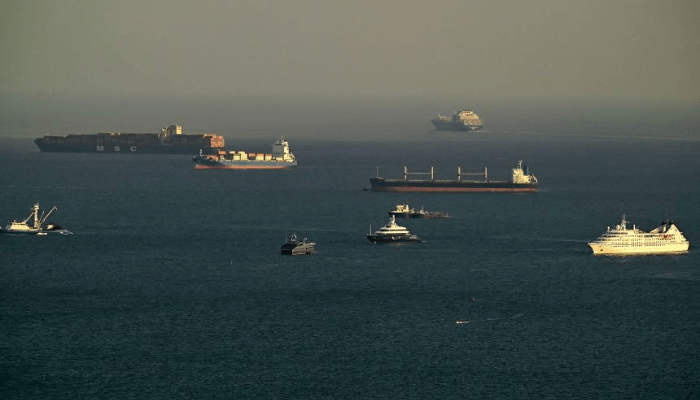
Every time tensions rise in the Strait of Hormuz, Nigerians begin to worry about higher fuel prices, rising transport fares and another round of inflation. That should never be the case. A country that ranks among Africa’s leading crude oil producers should not have its economic stability determined by events unfolding thousands of kilometres away. The gradual resumption of shipping through the Strait of Hormuz following the fragile ceasefire between the United States and Iran is another reminder of how exposed Nigeria remains to disruptions beyond its control.
The Strait of Hormuz is one of the world’s most important energy corridors, carrying about one-fifth of globally traded crude oil and significant volumes of liquefied natural gas. Any disruption immediately affects shipping costs, insurance premiums and global energy prices. Nigeria cannot influence military tensions in the Gulf or the diplomatic negotiations that follow them. What it can influence is whether those developments continue to dictate the cost of living at home.
The real lesson from every Middle East crisis is not about geopolitics. It is about Nigeria’s unfinished energy transition. For decades, the country focused on extracting and exporting crude oil while neglecting the infrastructure needed to convert that resource into broad-based economic resilience. The result is a familiar contradiction. Nigeria earns foreign exchange from crude exports but has repeatedly depended on imported refined petroleum products to meet domestic demand. Whenever global supply chains come under pressure, the effects quickly filter through the economy in the form of higher transport costs, rising food prices and increased operating expenses for businesses.