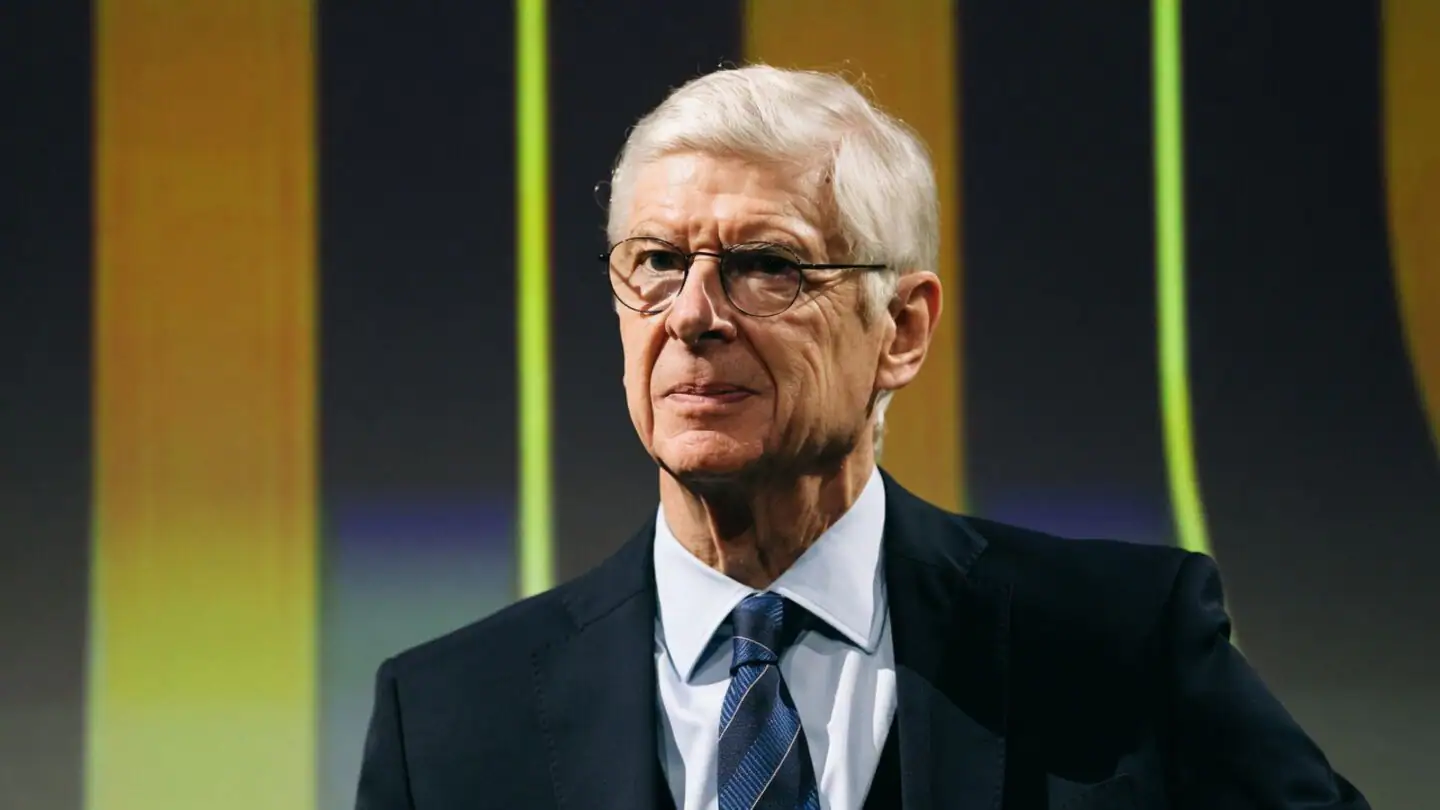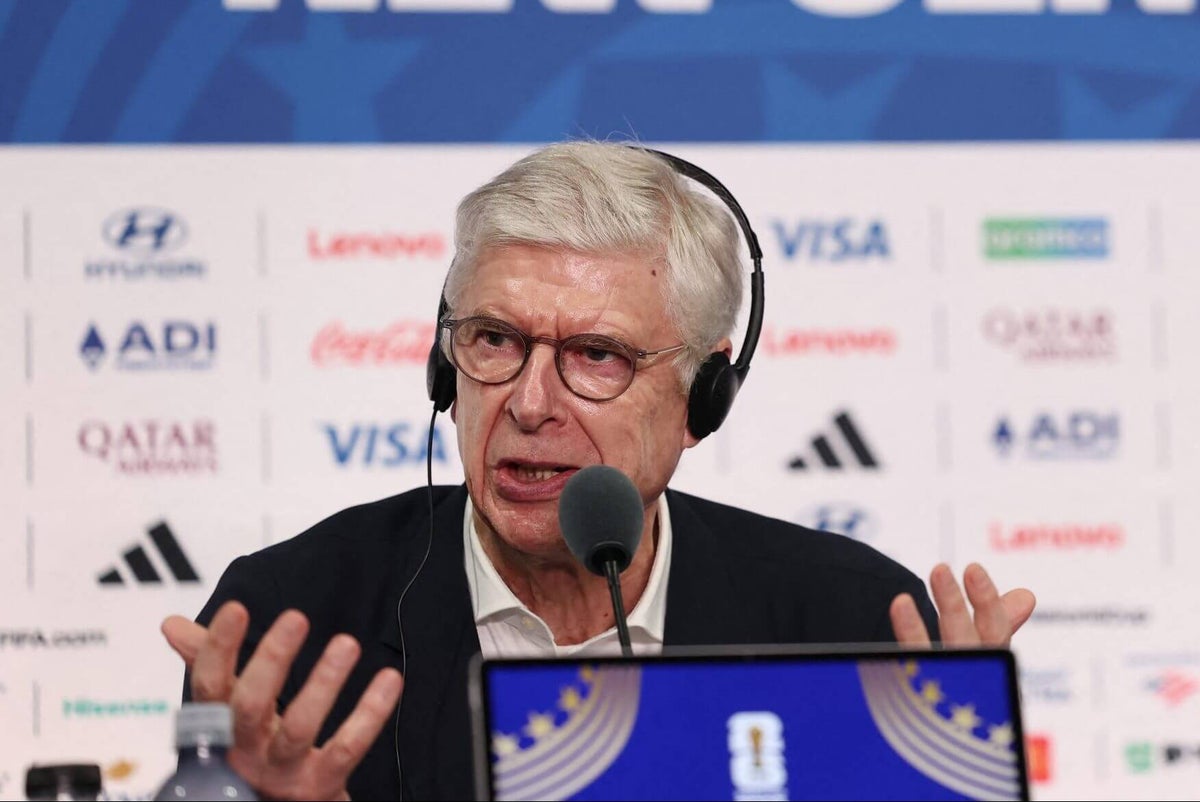
FIFA’s Chief of Global Football Development, Arsene Wenger, acknowledged on July 18 that the mandatory hydration breaks at the 2026 World Cup have been, to put it diplomatically, a tough sell. Fans don’t love them. Pundits don’t love them. And yet they keep happening, twice per match, like clockwork.
Here’s the thing: the breaks might be framed as player welfare, but the money trail tells a different story. Fox Sports alone stands to earn approximately $250 million from advertising during these stoppages. Globally, the total advertising revenue tied to hydration breaks could exceed $1 billion across all broadcasters during the tournament.
Three minutes, two breaks, one very large check
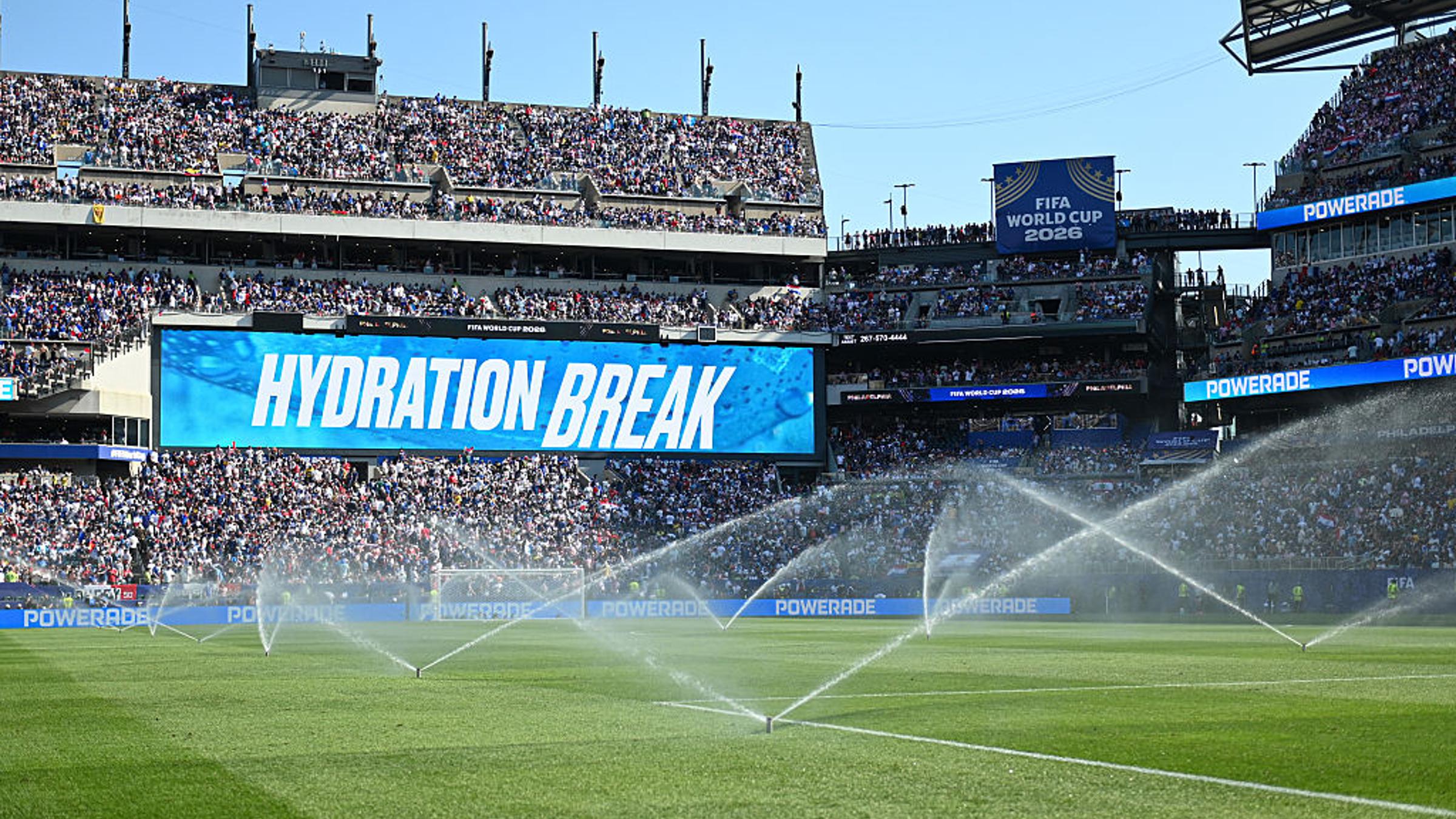
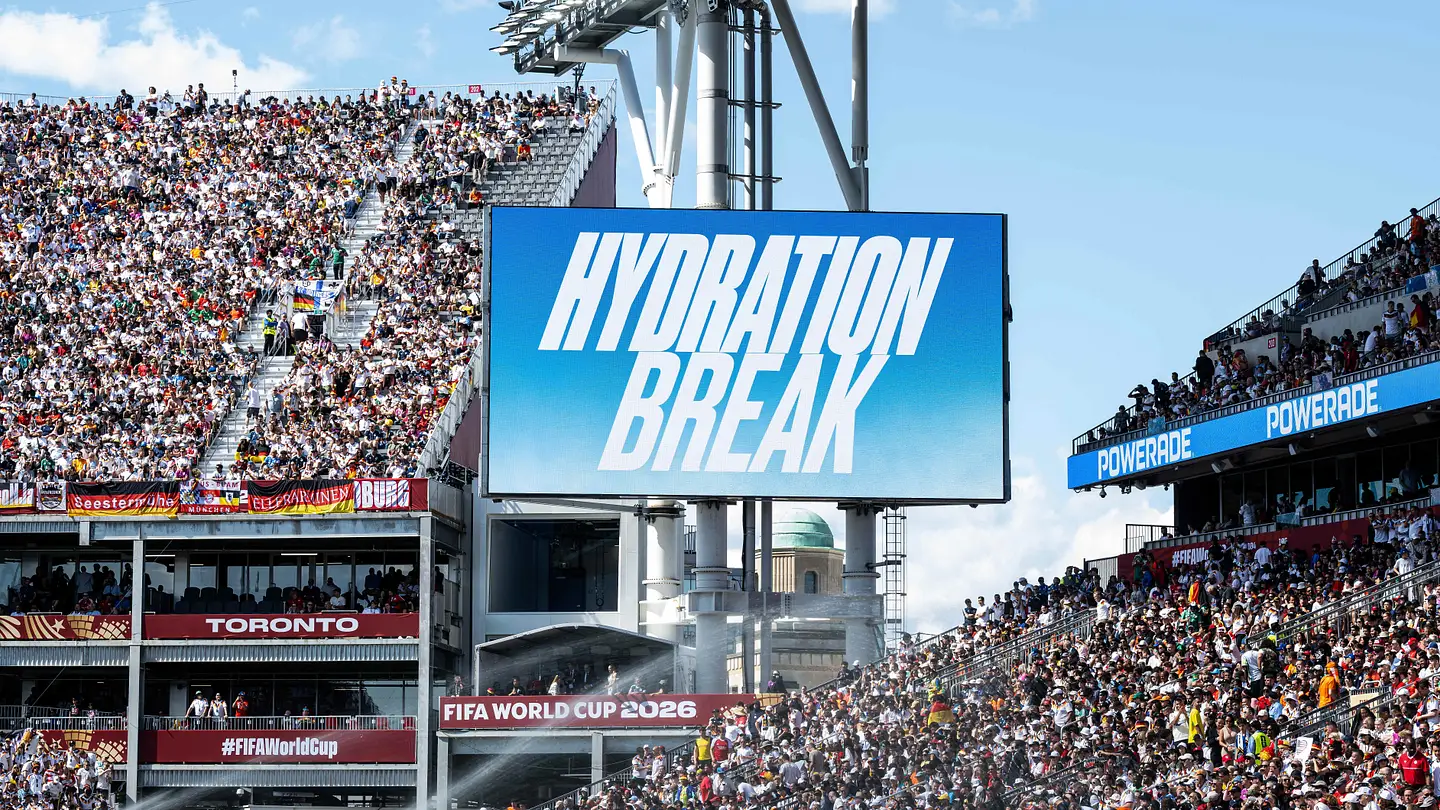
The format is straightforward. Every match gets two three-minute hydration breaks, one midway through each half. No exceptions, no matter the venue or temperature. FIFA announced the policy on December 7, 2025, positioning it as a response to anticipated high temperatures across the 48-team tournament’s North American host cities.
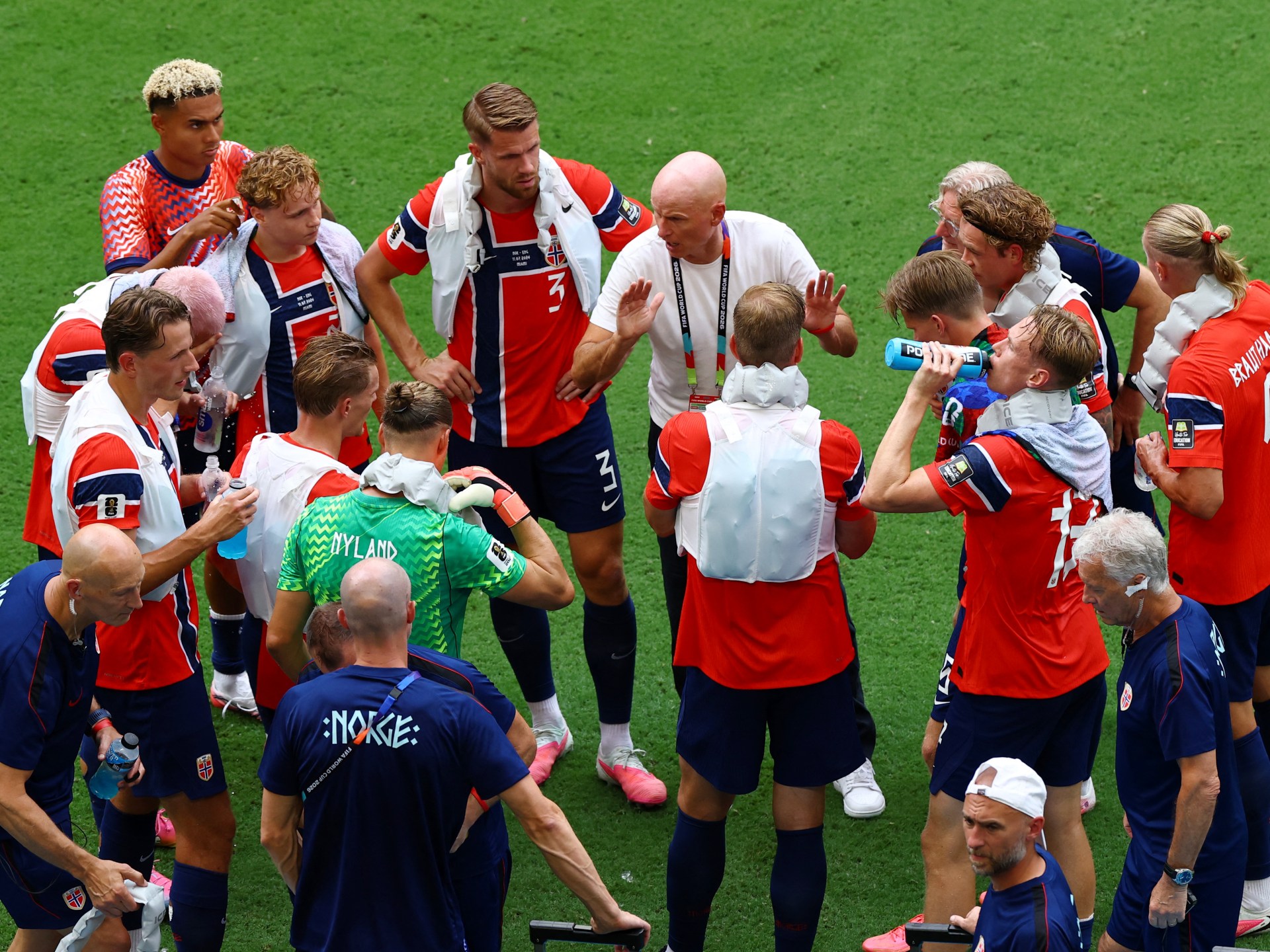
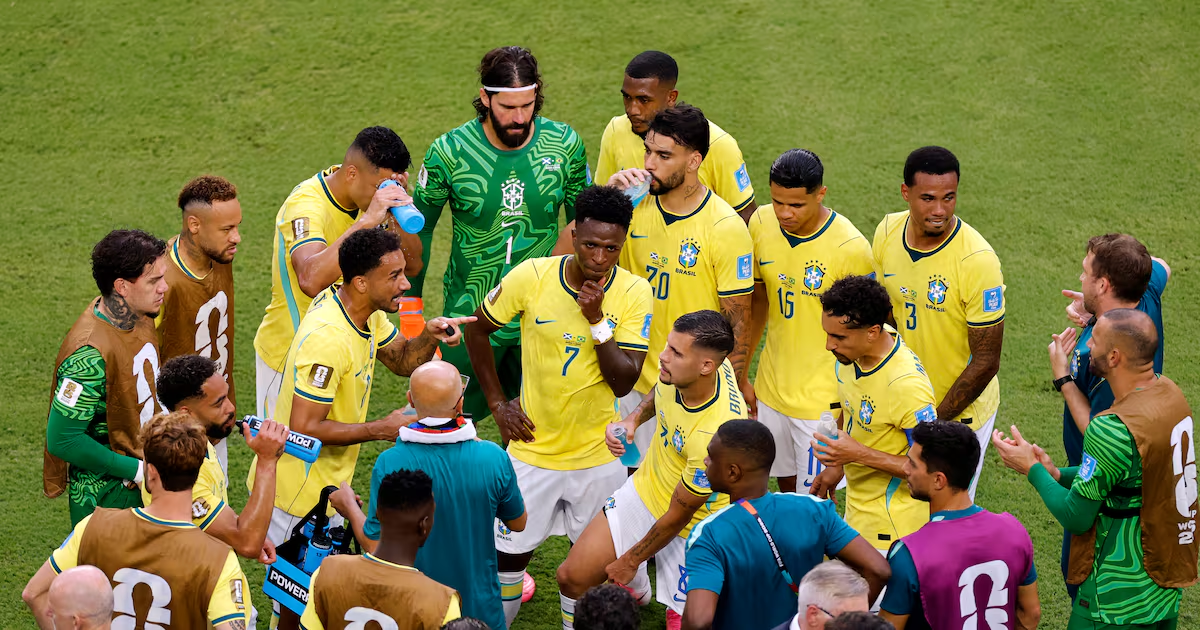
Wenger claimed the breaks “did not impact” match results. Critics have been less charitable. The traditional rhythm of football, a sport defined by its continuous flow compared to American sports, gets interrupted. Players cool down, coaches relay tactical adjustments, and broadcasters cut to Powerade spots. The official hydration sponsor and other brands receive prominent exposure during every single break, turning what was sold as a health measure into prime advertising real estate.