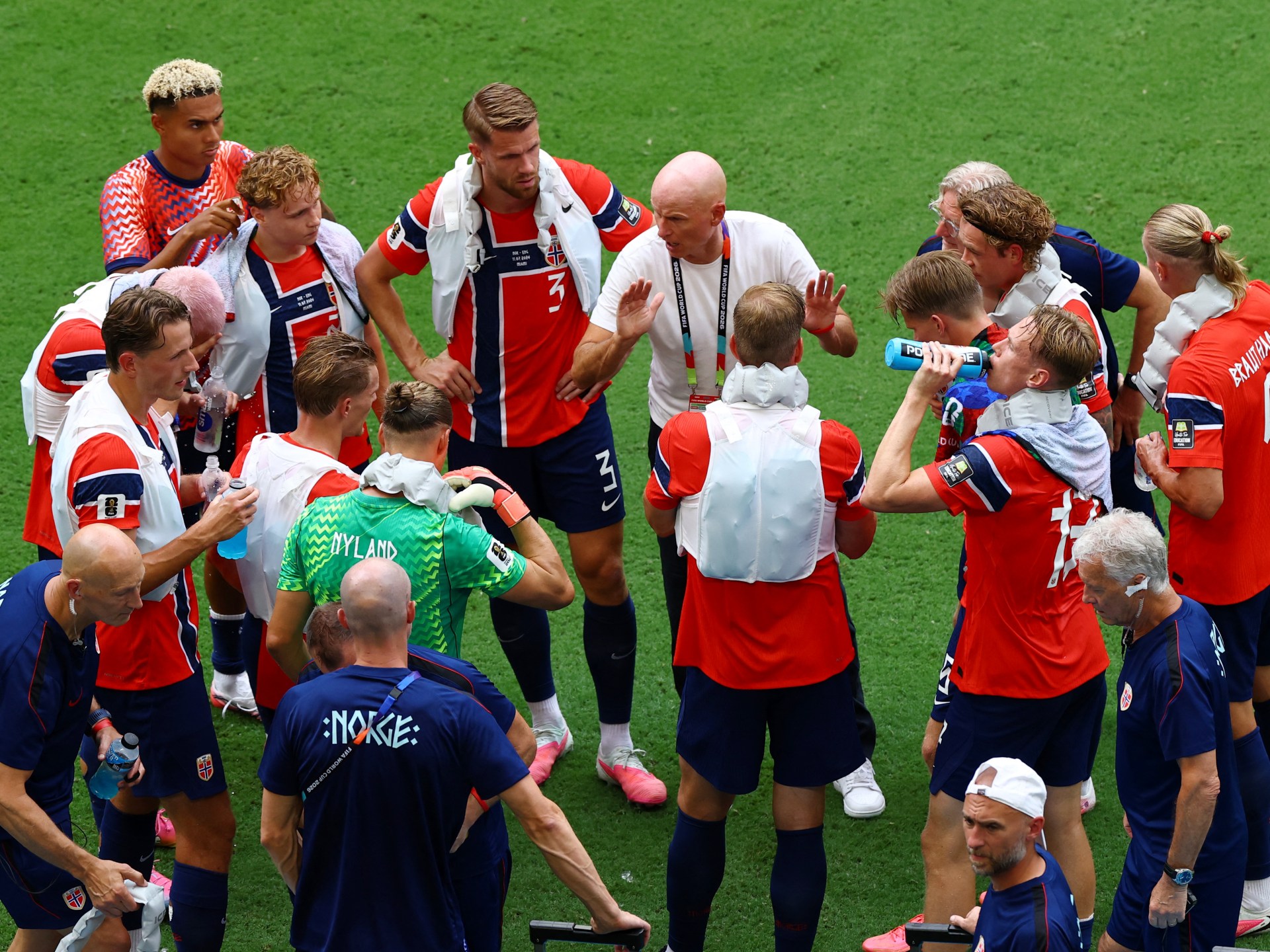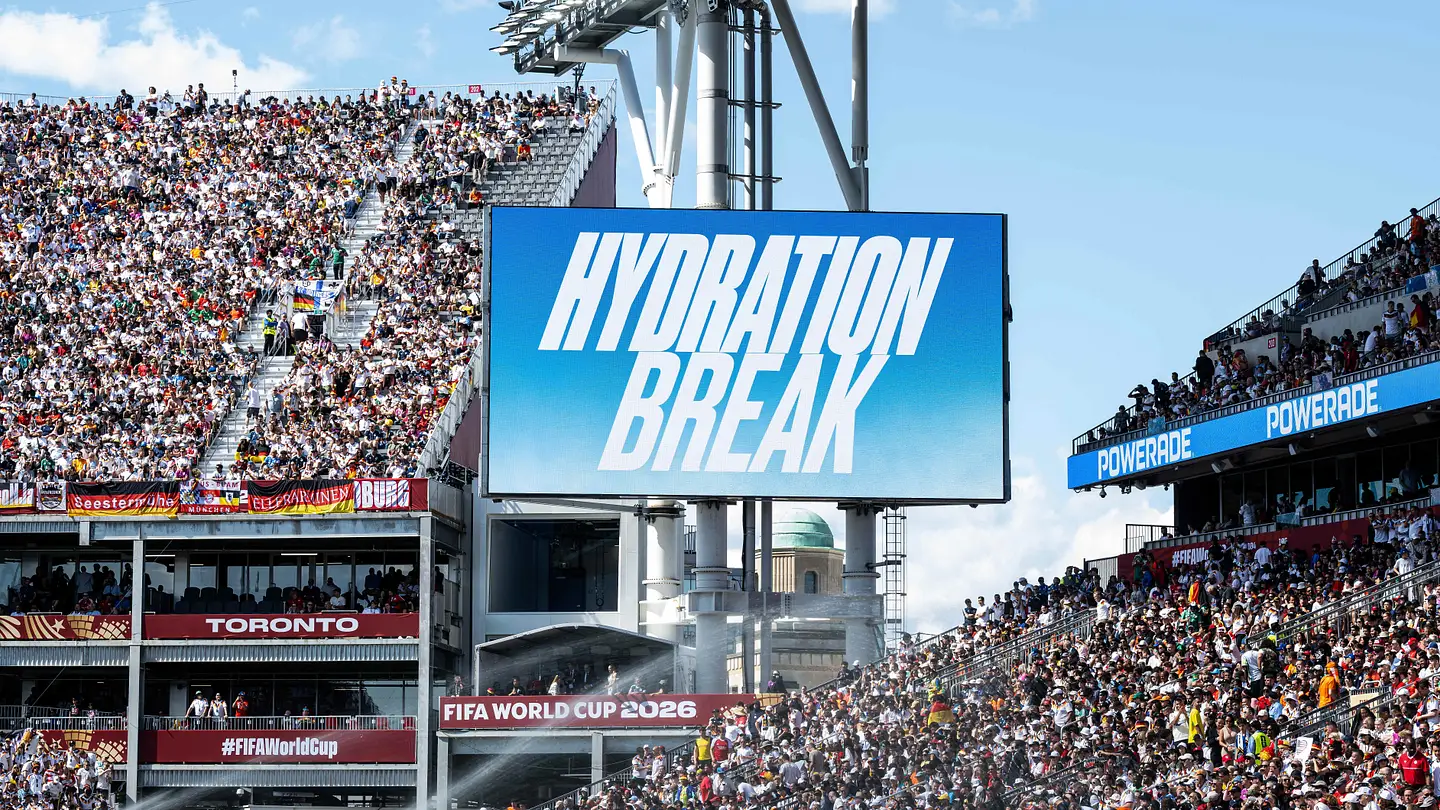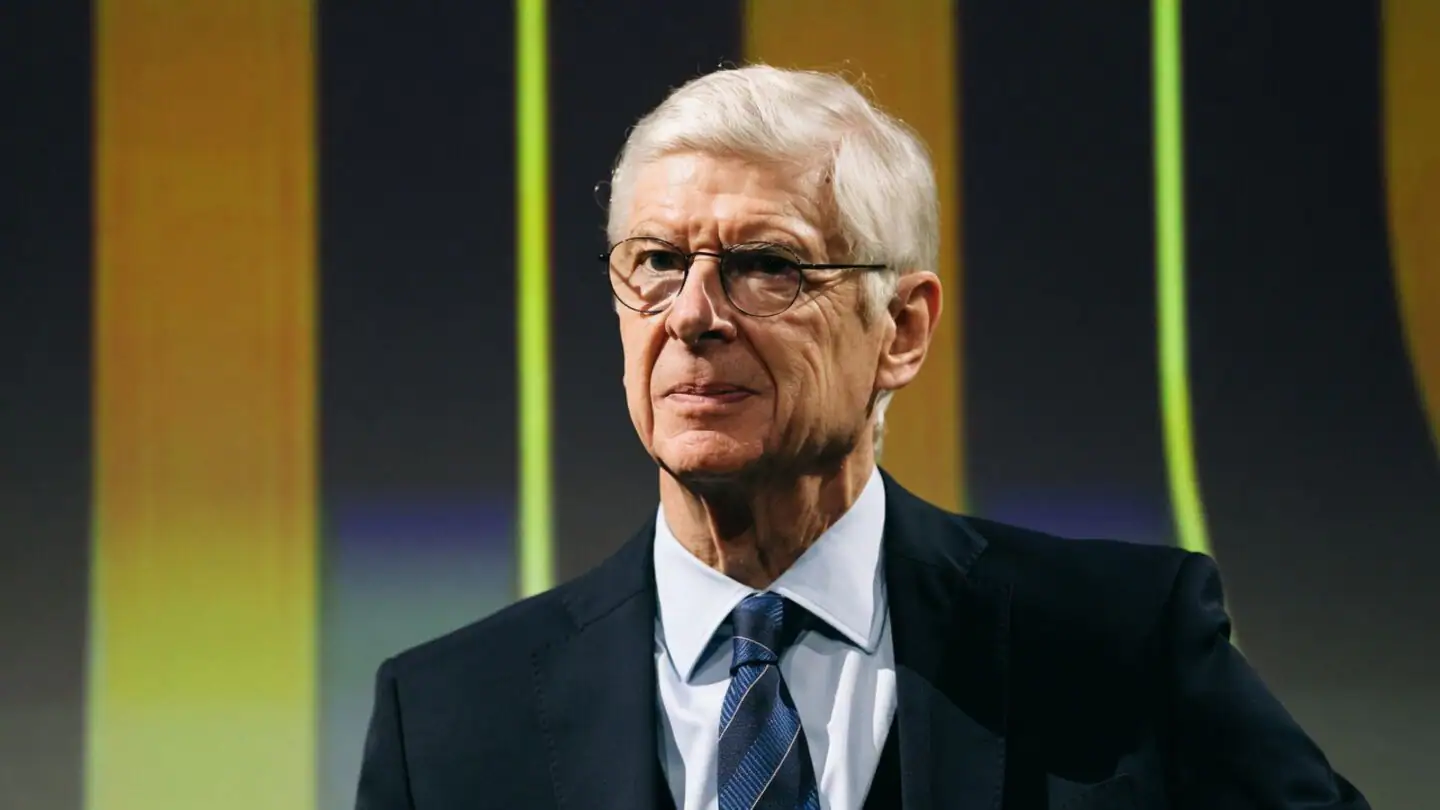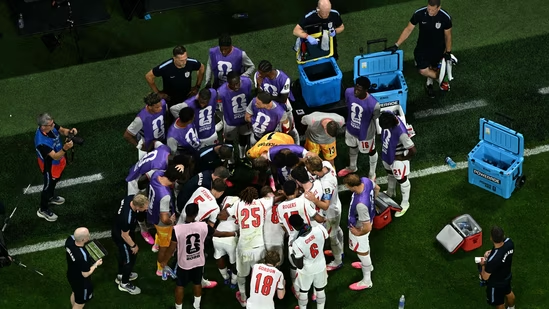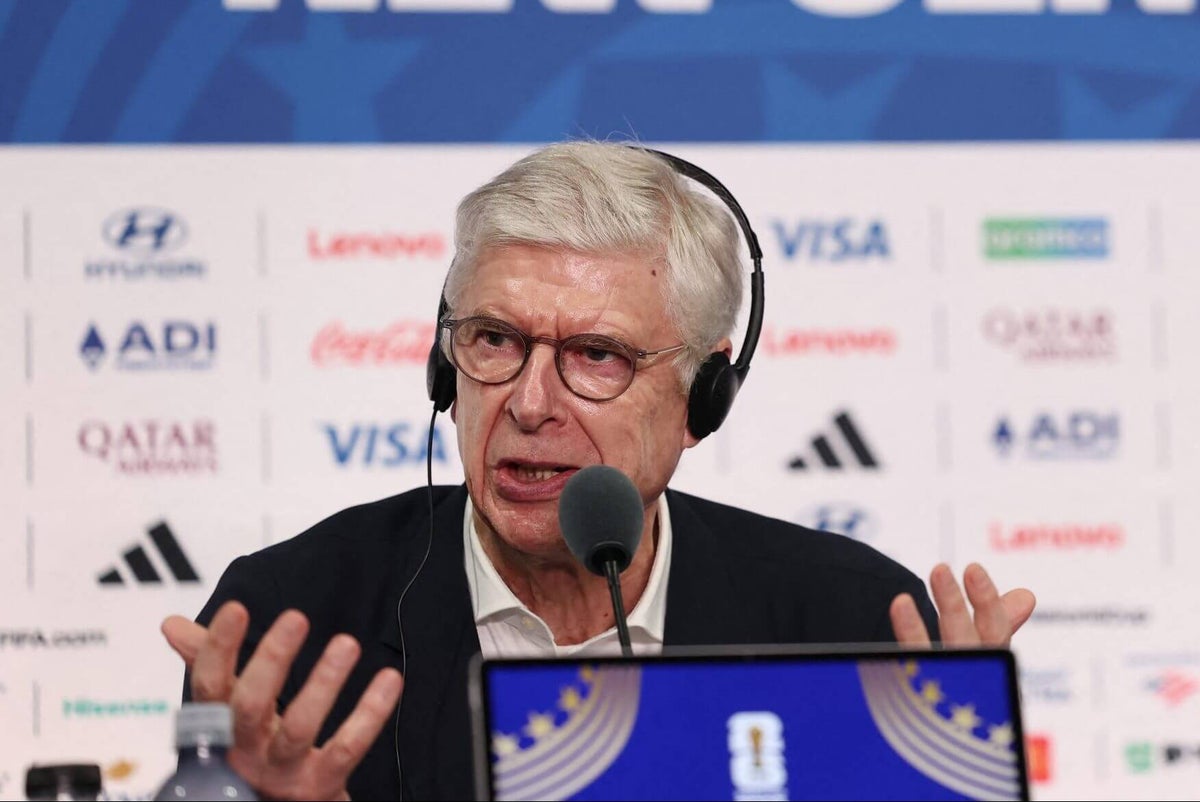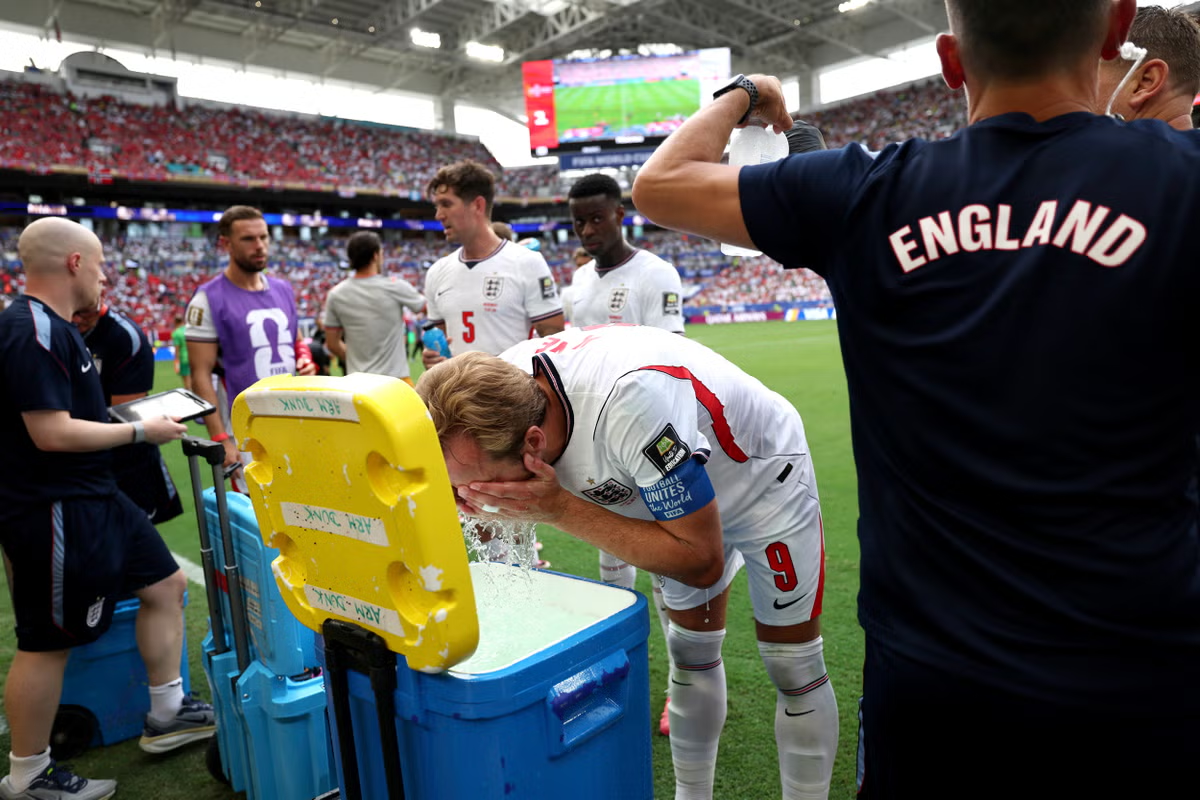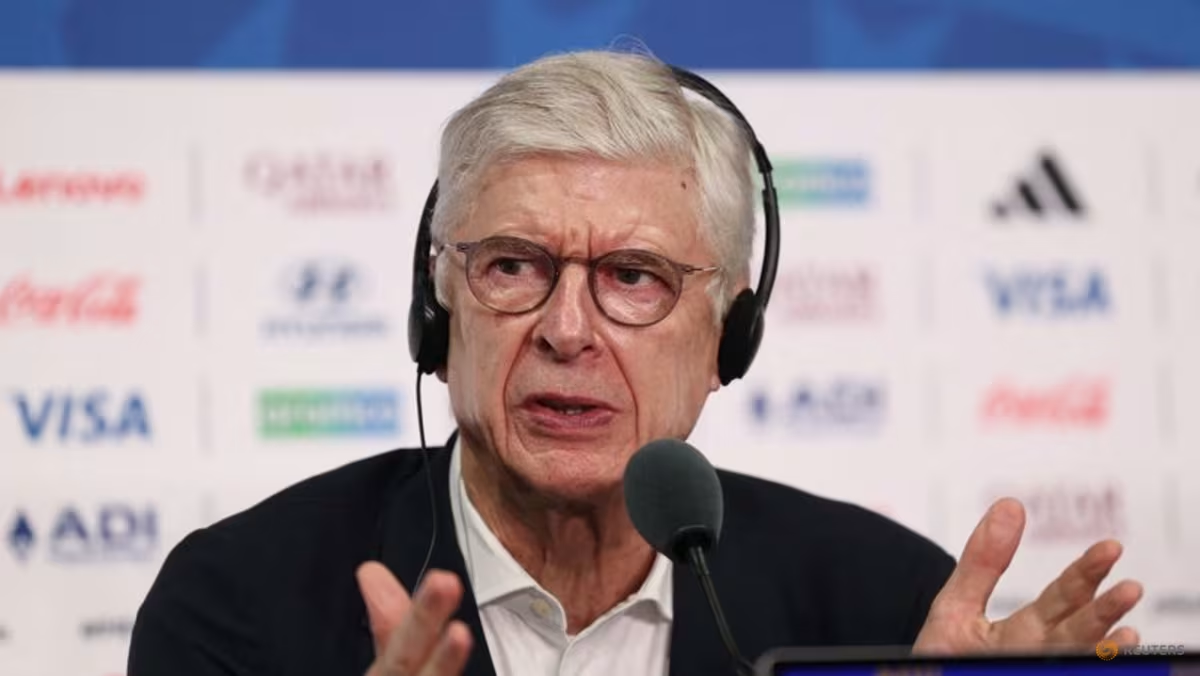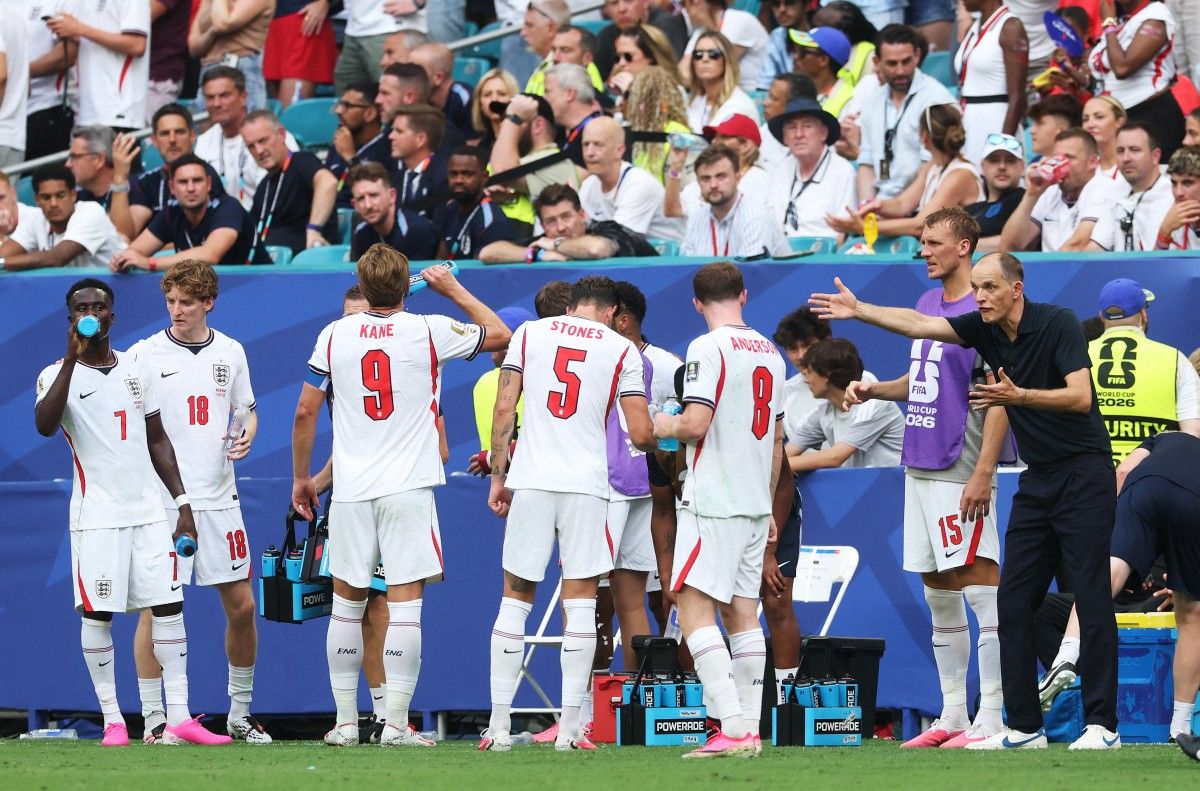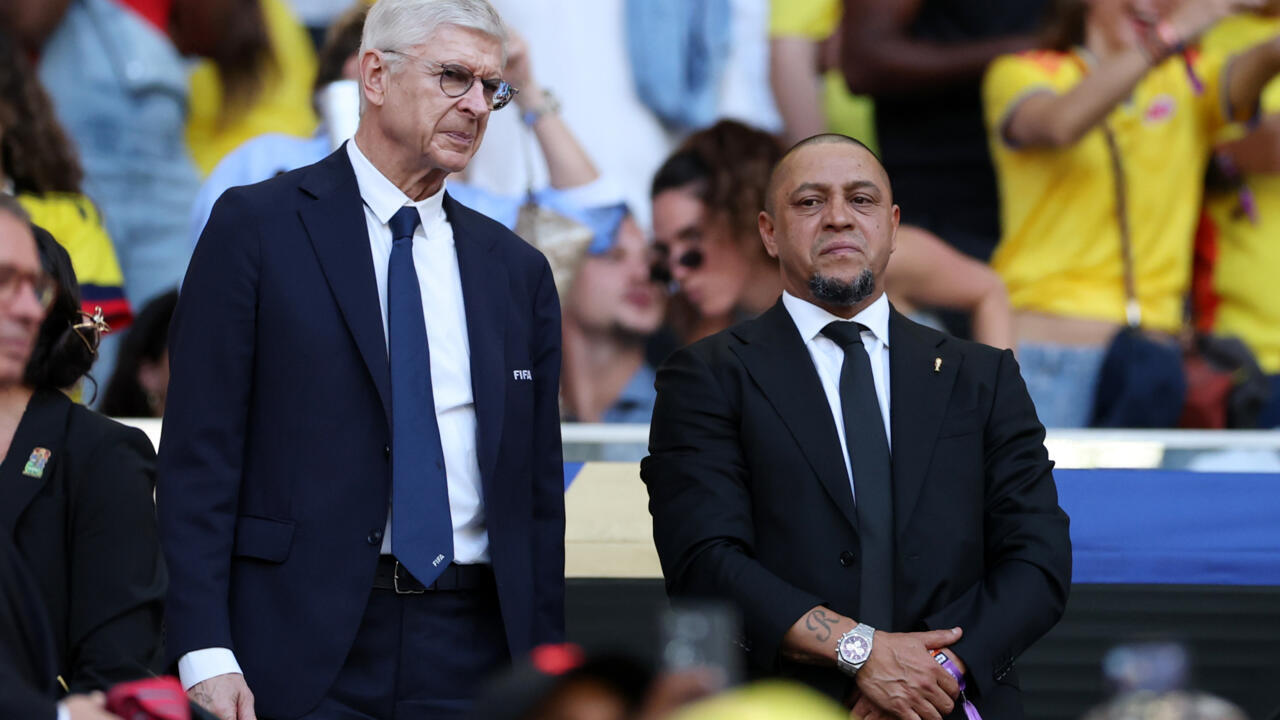
Arsène Wenger wants you to know the hydration breaks are working exactly as intended. Player welfare, uniform application, no competitive distortion. The FIFA chief of global football development has been making the rounds defending the three-minute pauses that now interrupt every half of every match at the 2026 World Cup, held across the United States, Canada, and Mexico.
What’s actually happening on the pitch
FIFA announced the mandatory hydration break policy on December 8, 2025, applying it universally to all 104 matches in the tournament regardless of venue temperature. That last part matters: the breaks happen even in air-conditioned or cooler stadiums, which undercuts the strictly-health-based argument somewhat.
Early tournament data suggests roughly half of goals scored came immediately after one of these breaks. What is clear is that the timing of goals has shifted, and the rhythm of matches has changed.
When you pause a match in the 22nd and 67th minute on a schedule that every broadcast partner knows in advance, you have introduced a structural element that coaches will game-plan around, players will adjust to, and advertisers will absolutely not ignore.