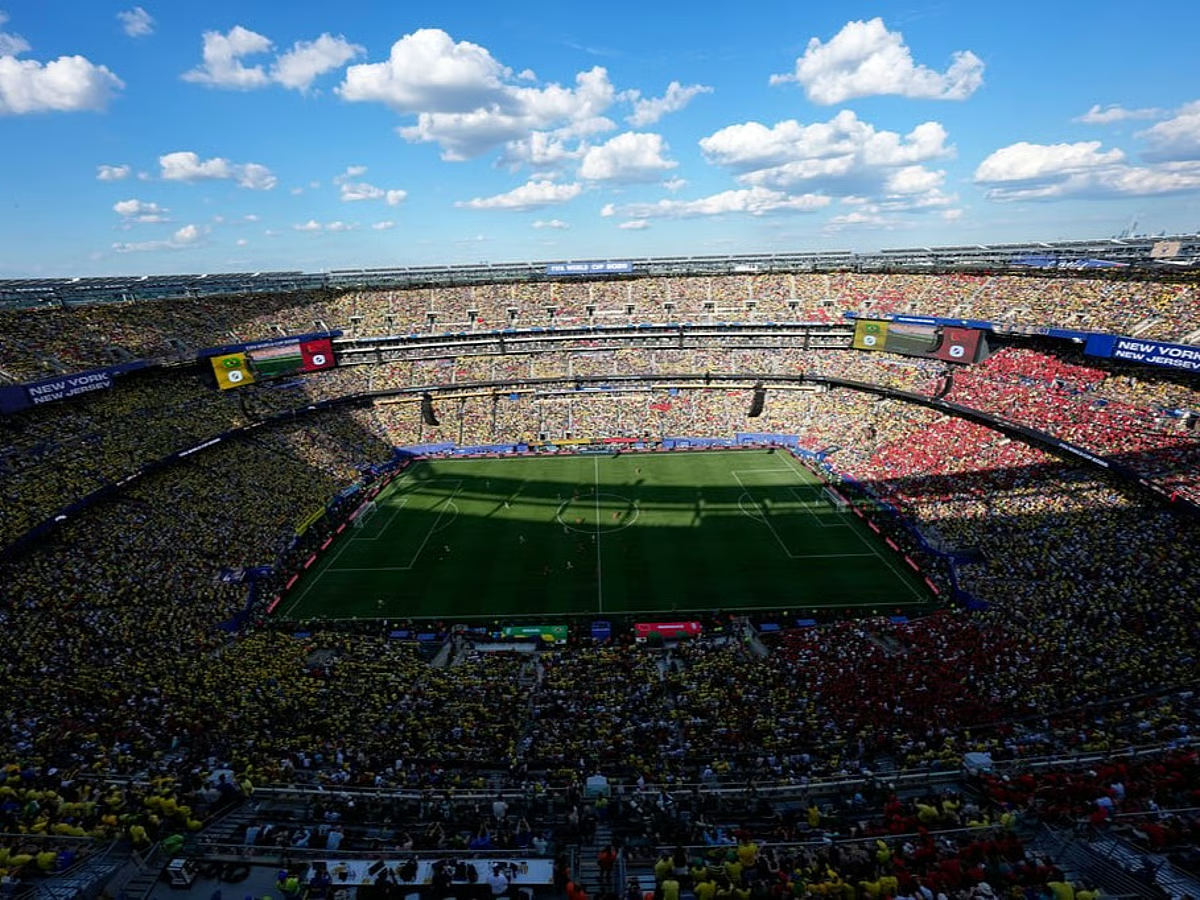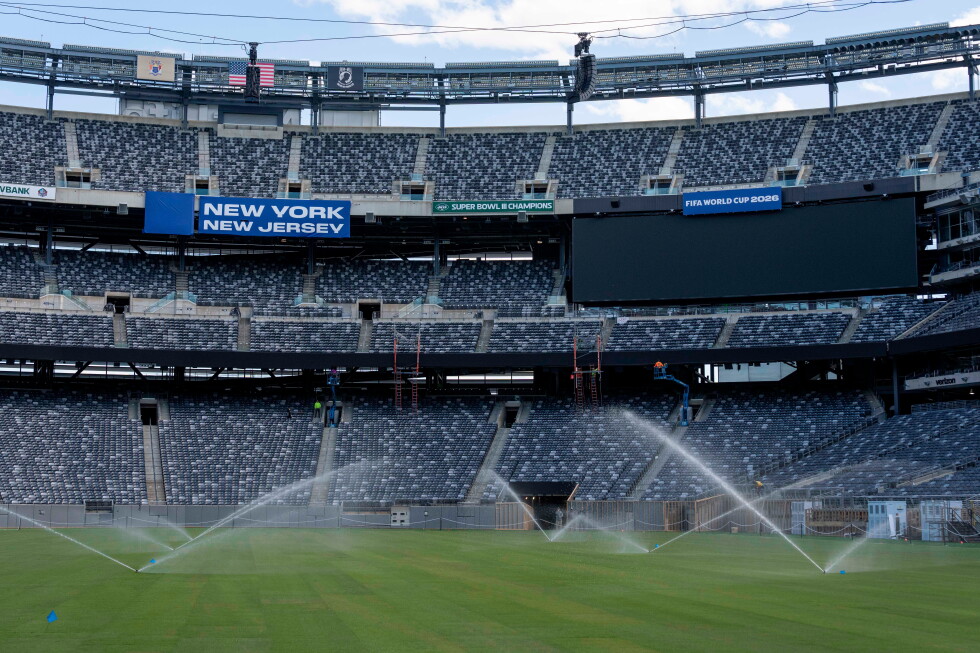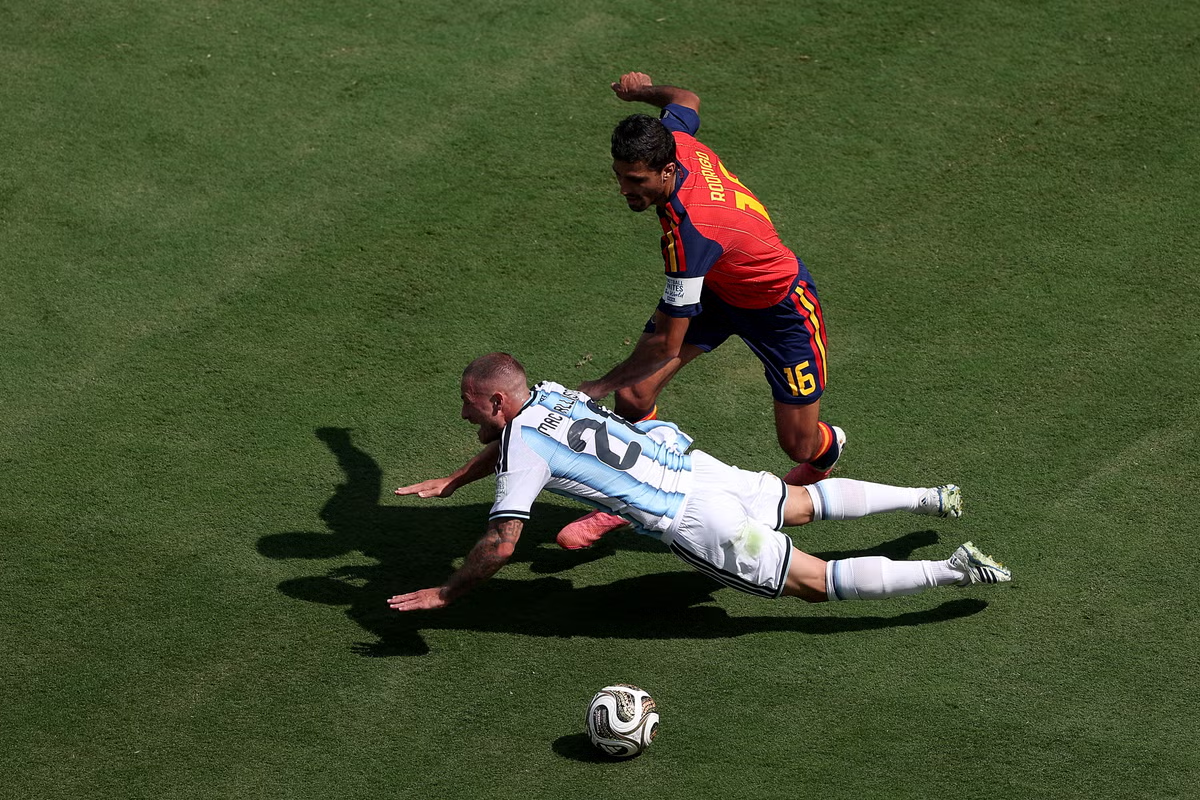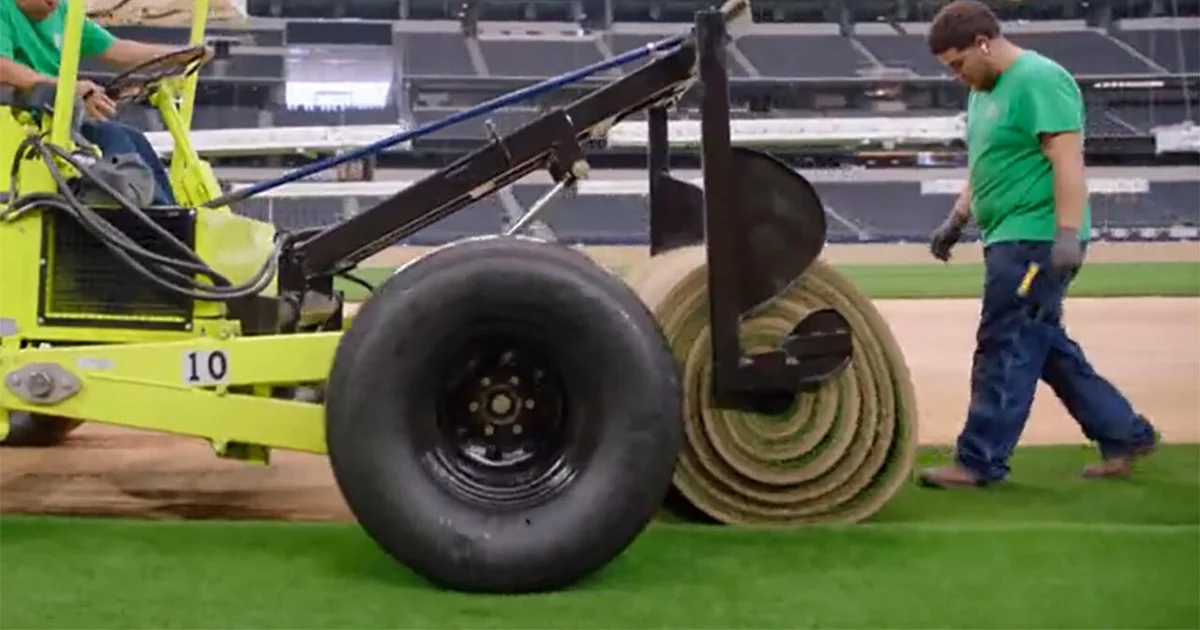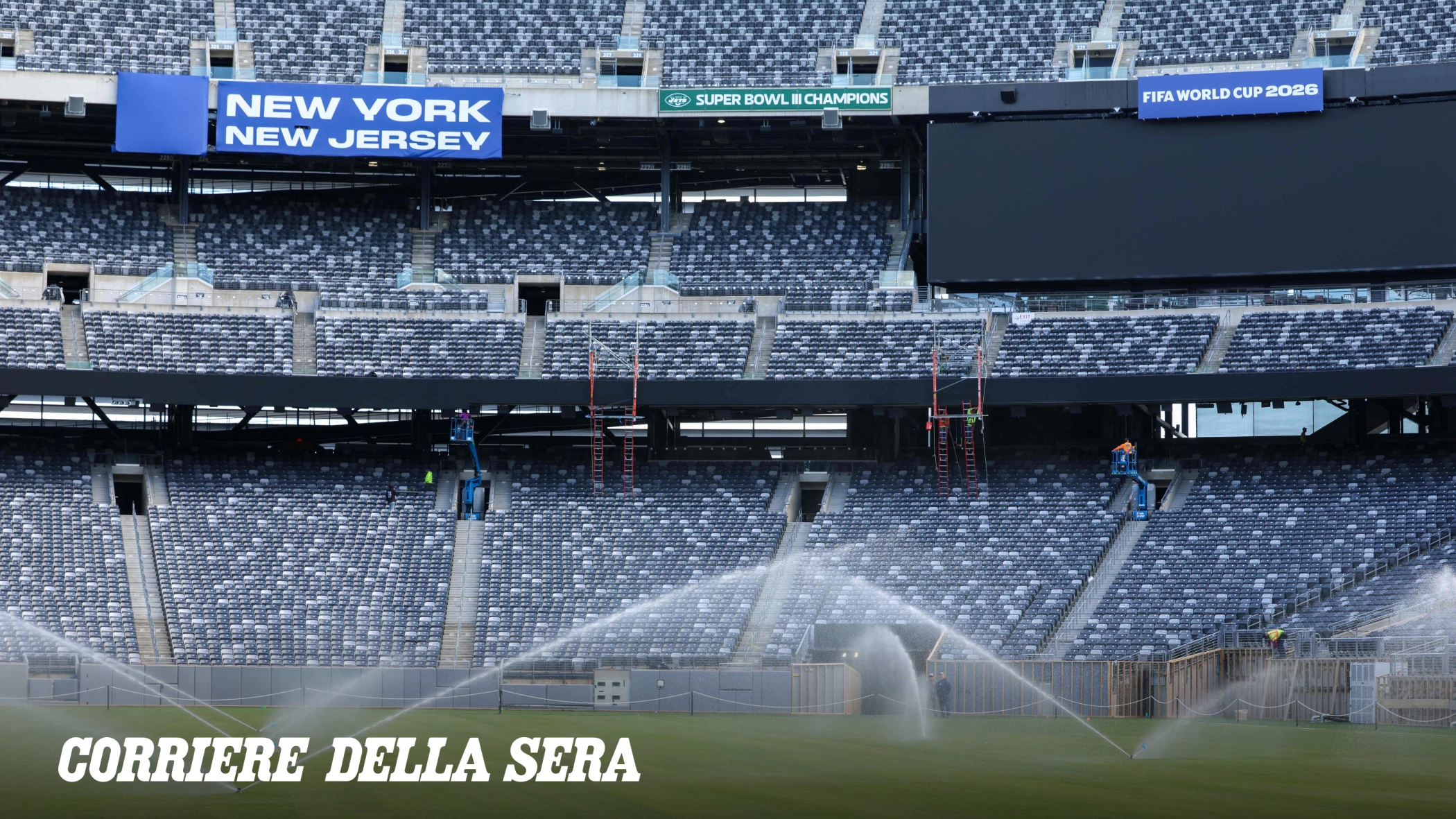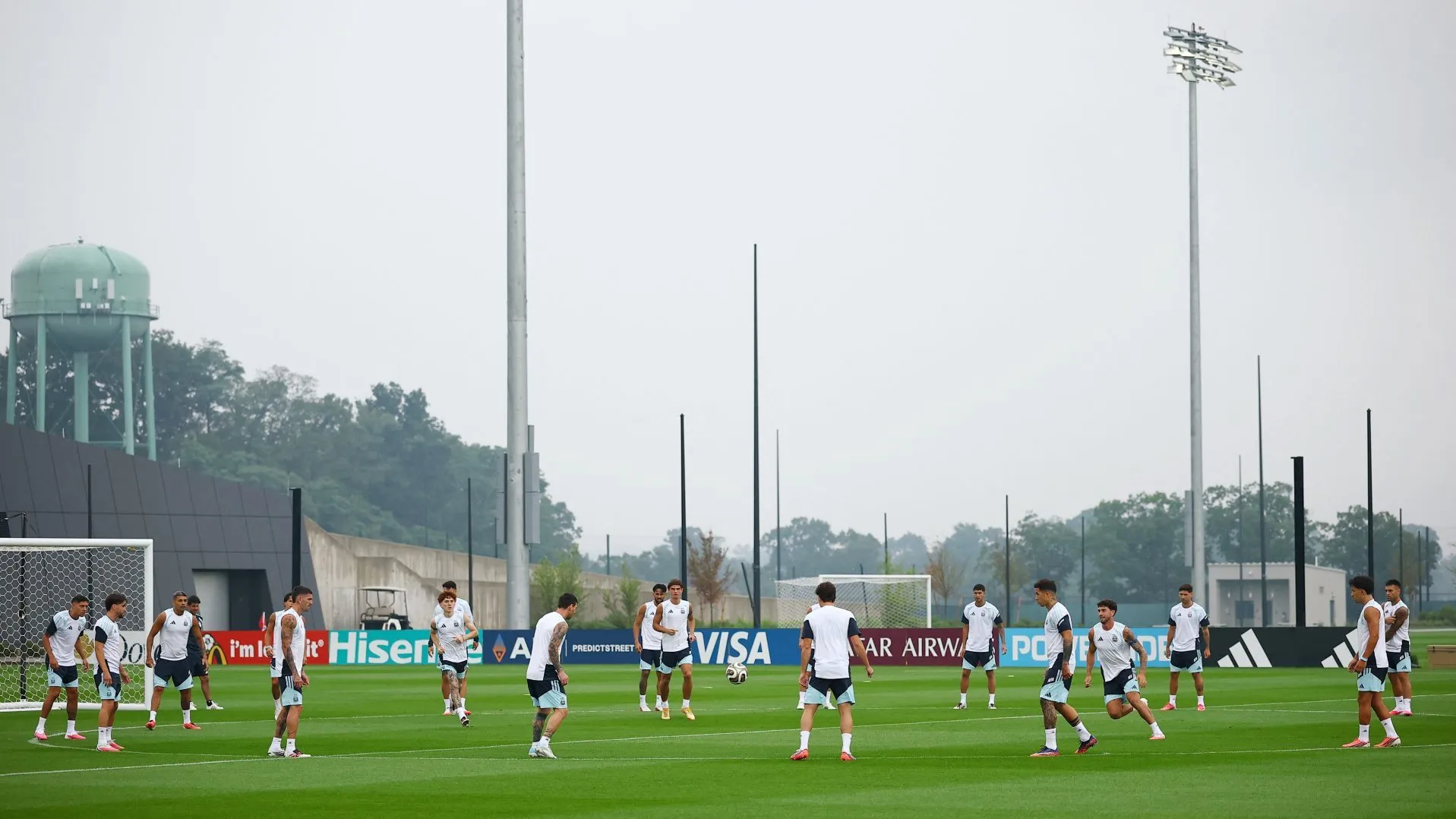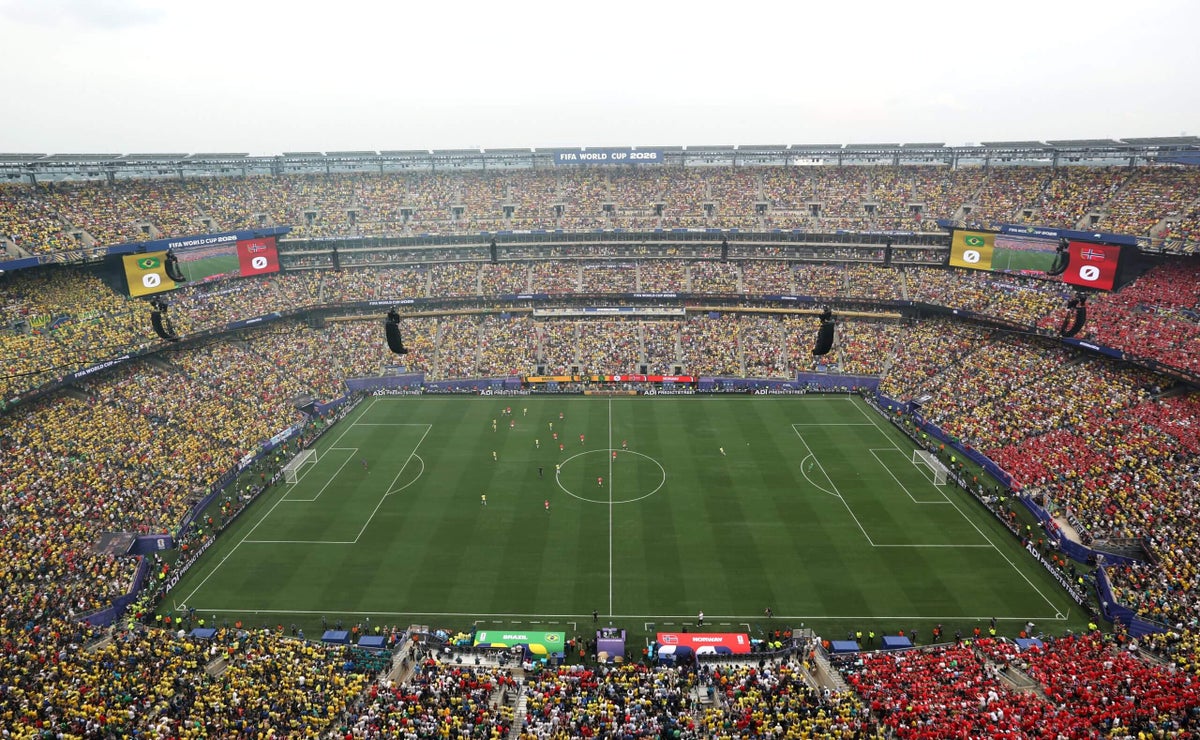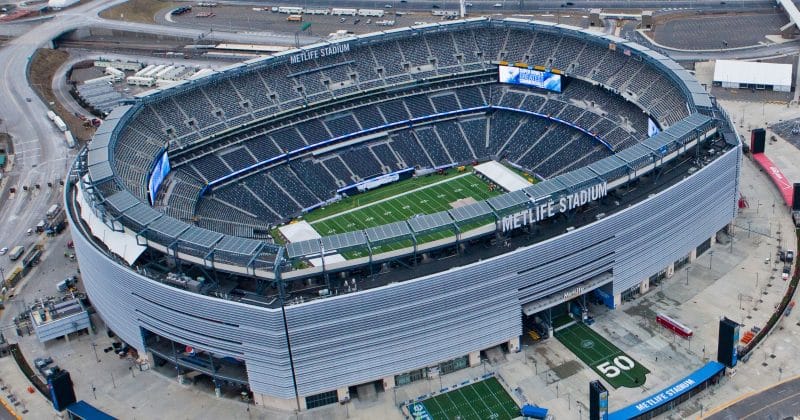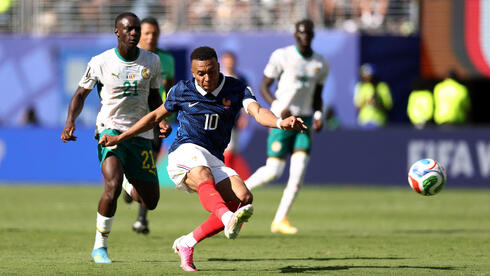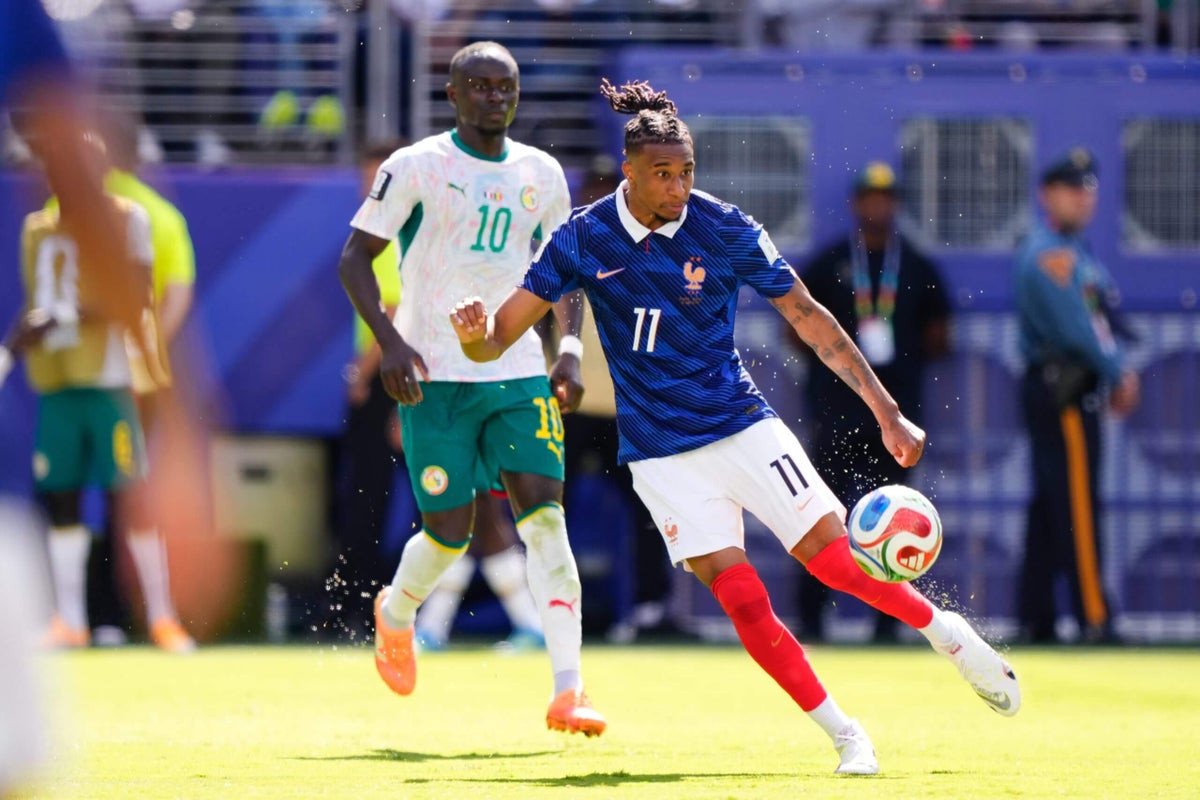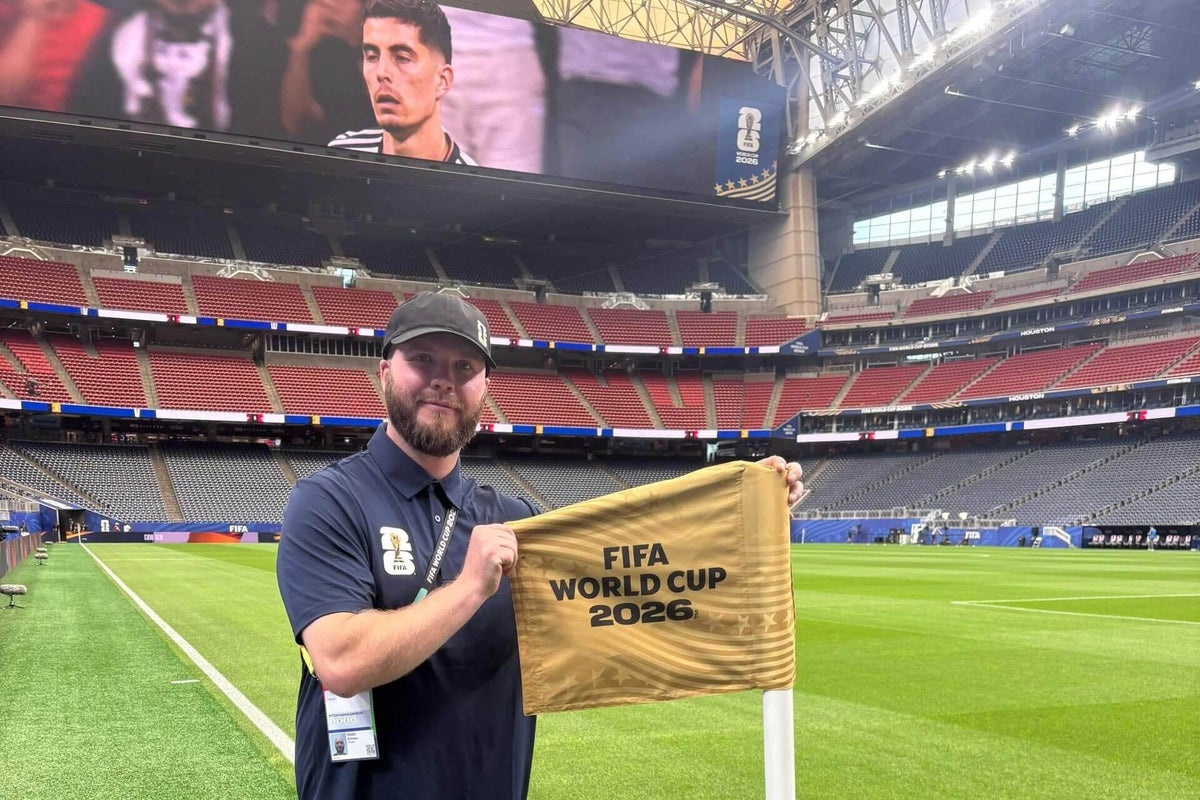
The 2026 World Cup has not been without its controversies, but one in particular will remain a major talking point ahead of Sunday’s final between Argentina and Spain: the quality of the playing surface in New Jersey.From day one of the tournament, the pitch at MetLife Stadium has been under scrutiny. Big names such as France’s Adrien Rabiot, Vinicius Junior of Brazil and Norway coach Stale Solbakken have all raised concerns about the playing surface. As Rabiot said bluntly, in an interview with the BBC: “The pitch… I don’t even know if you can call it that. It felt more like an artificial surface — quite hard and quite rigid.”After Brazil’s 1-1 draw with Morocco, Vinicius Jr told reporters: “With the heat, the pitch dries out very quickly. The game becomes very sluggish.”But while concerns linger over whether the playing surface will have a negative impact on FIFA’s showpiece, many might be unaware of the serious challenges involved in ensuring there is a pitch to play on at all.MetLife Stadium — which has a capacity of 78,576 and is normally home to both the New York Giants and New York Jets NFL franchises — was one of eight among the 16 World Cup venues across the United States, Canada and Mexico that required the laying a temporary grass pitch in a short space of time.None of the other seven faced a challenge of the scale that confronted the stadium in Houston, Texas. That was the last of the eight grass pitches to be laid, barely 10 days before it hosted its first of seven fixtures, as Germany beat Curacao 7-1 on June 14.Ethan Reed, the pitch performance manager at Premier League club Nottingham Forest, led the efforts to prepare the playing surface in Houston. He offers an insight into the kind of hurdles those at the eight stadiums that installed grass for the tournament had to overcome.Ethan Reed swapped the City Ground for Houston over the summer (Nottingham Forest/Ethan Reed)“The final whistle blew on the last game at Forest and the next day I was on a plane,” he tells The Athletic. “From that moment on it was 15-hour day after 15-hour day. The day I got there was the day of the turf install. We had the shortest window from turf installation to the first game of any of the stadiums.“Houston was the last to install because of the rodeo. Everything works around the rodeo in Texas. The turf install was on May 27. By May 30 all the grass was down. Then the stitching machine came after that to weave artificial fibres through the whole pitch.”
Rodeo delays, refrigerated turf and lots of lorries: Why preparing a World Cup pitch is so tough
Nottingham Forest's pitch performance manager travelled to Texas to oversee the laying of the 16th pitch at the summer's World Cup finals
1,204 words~5 min read