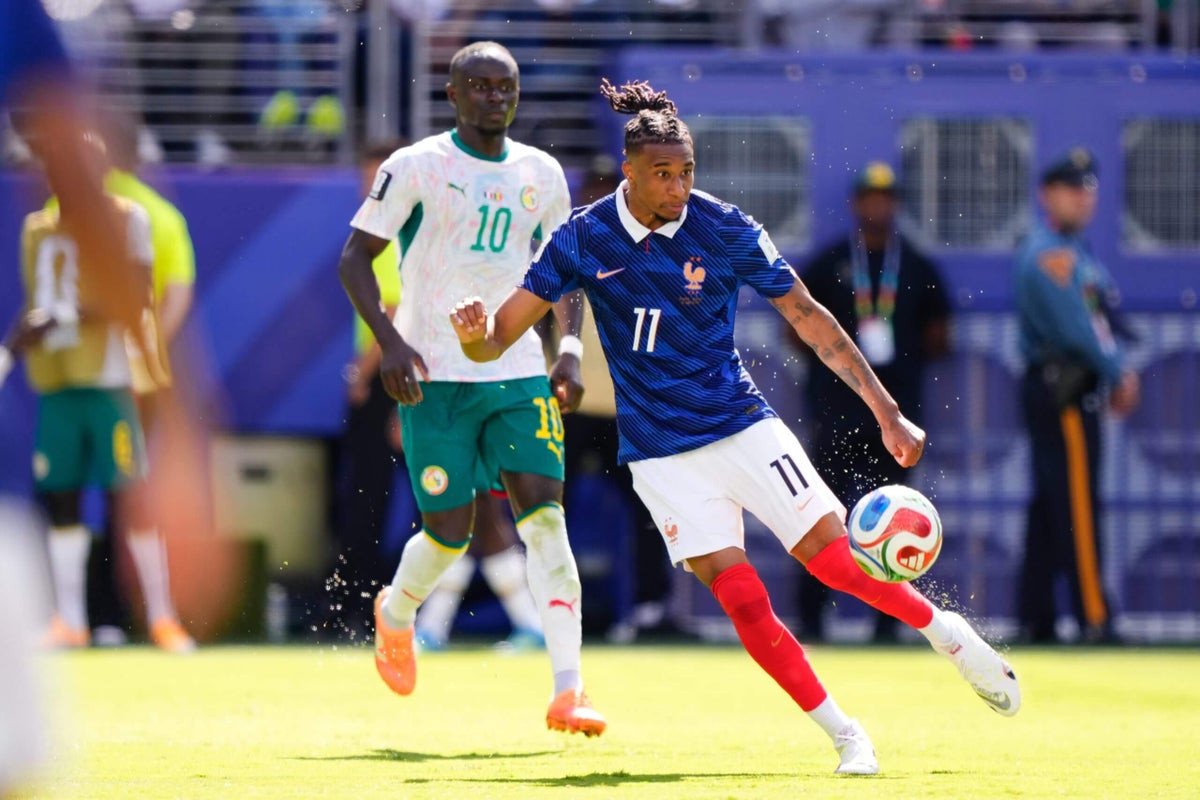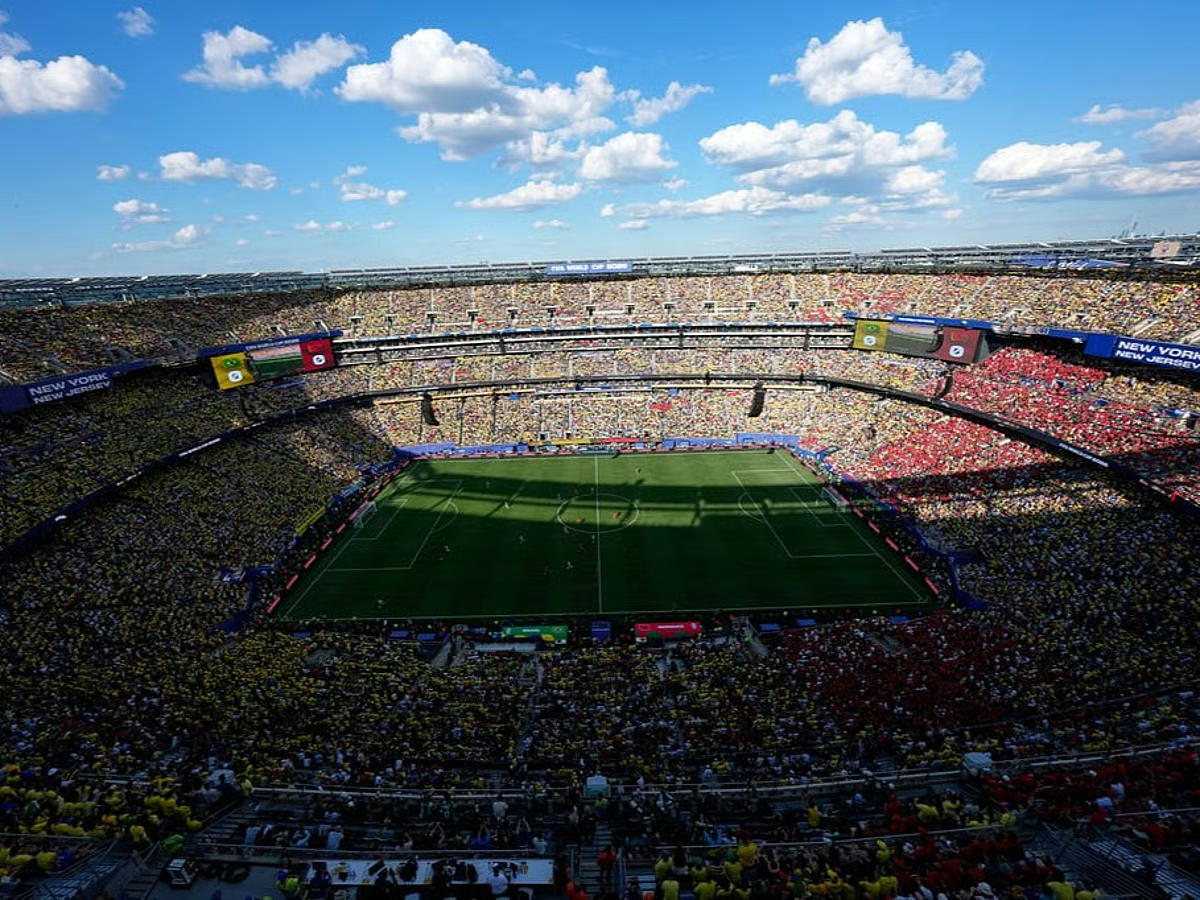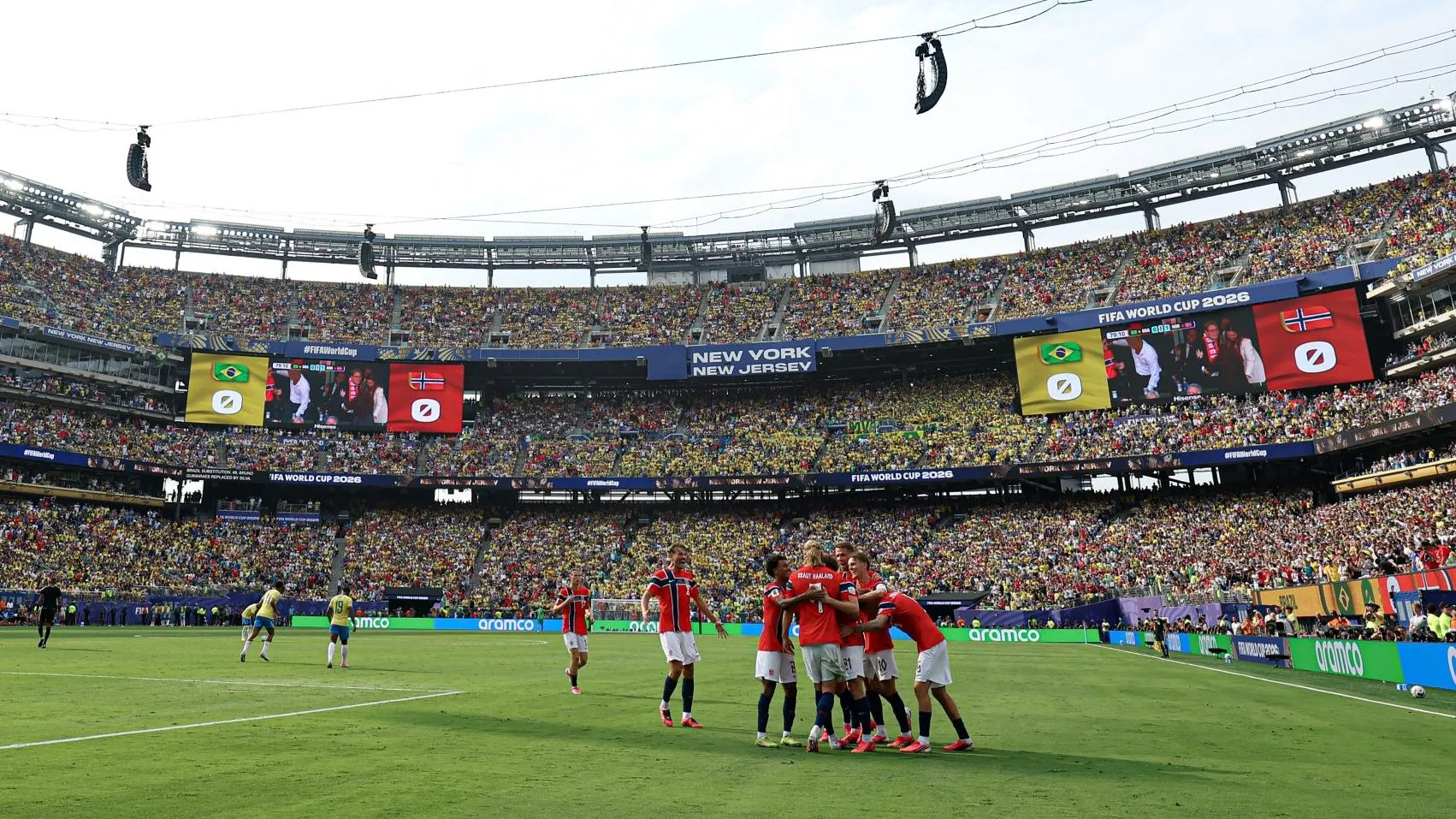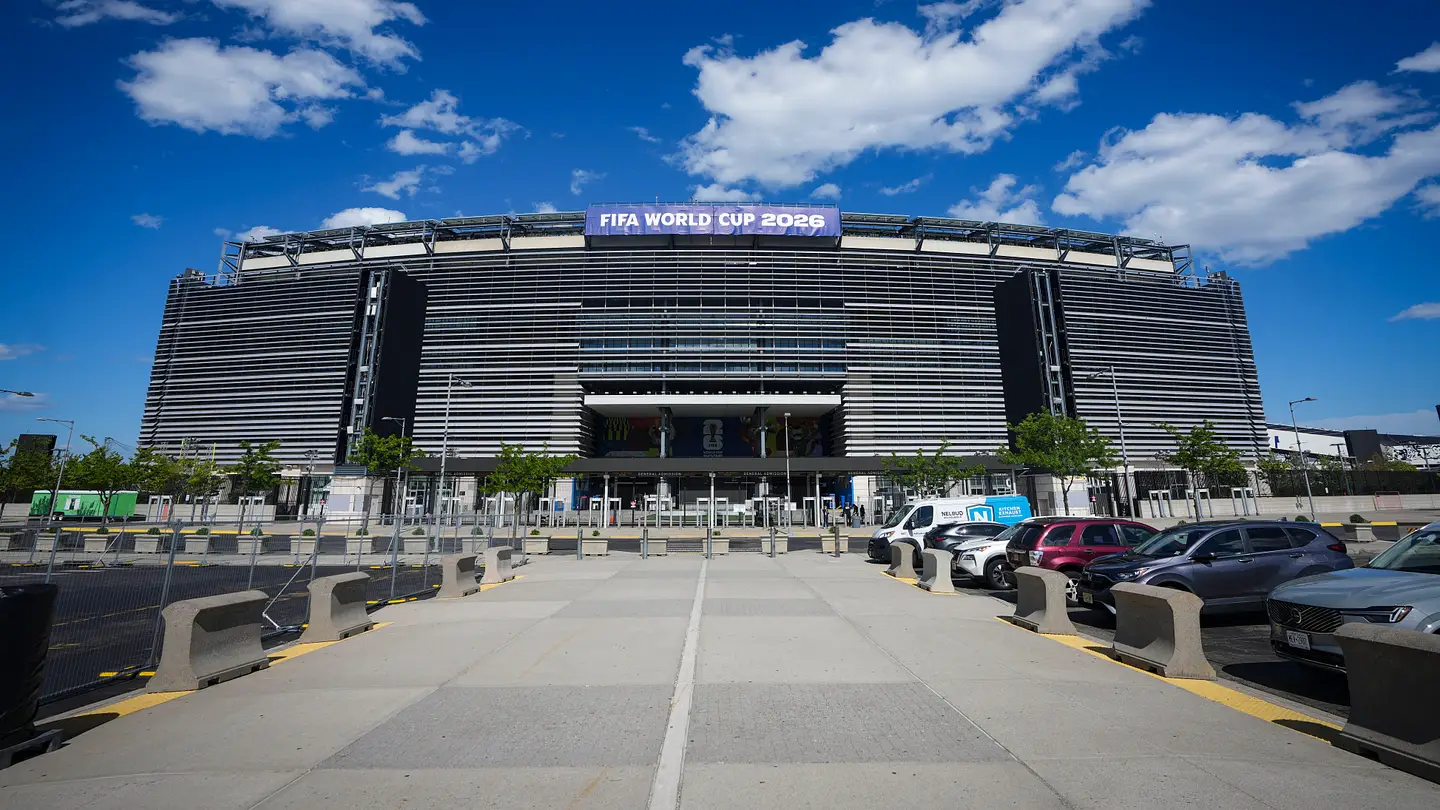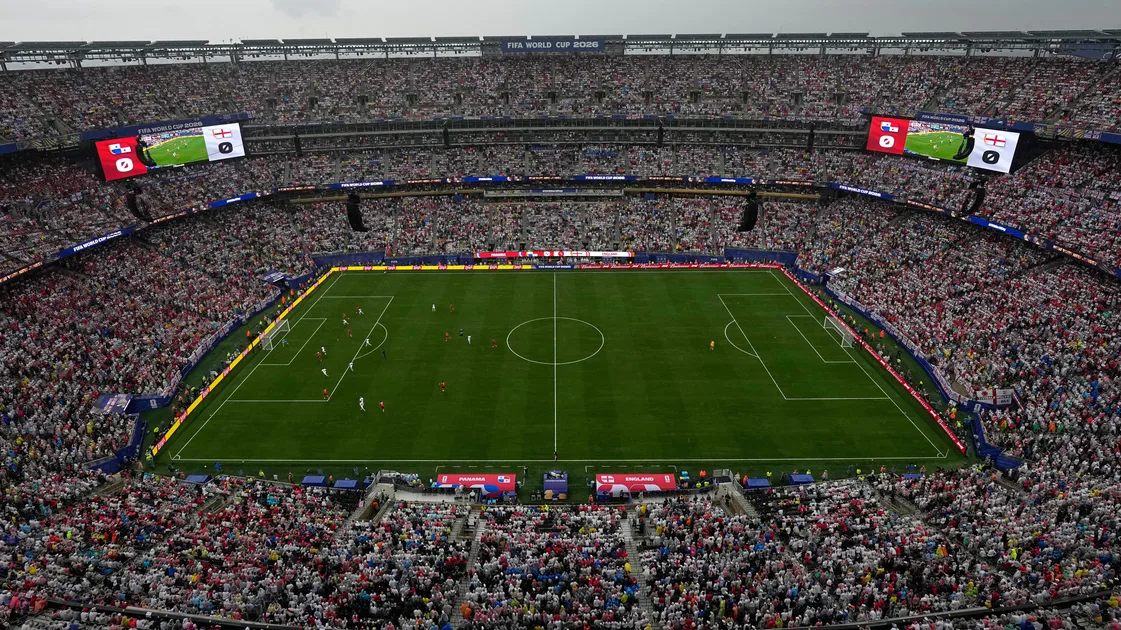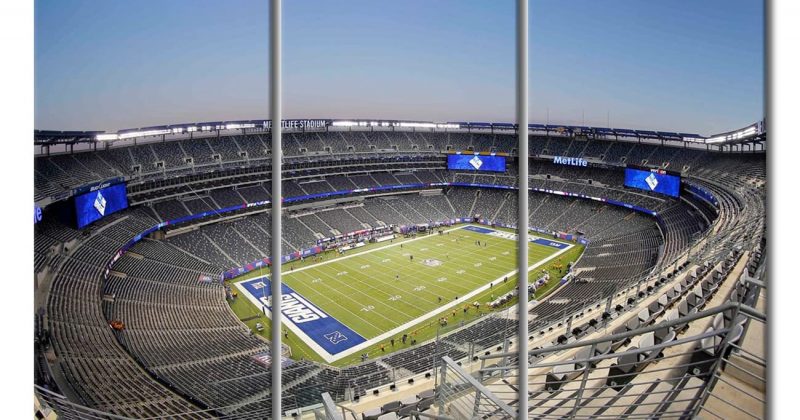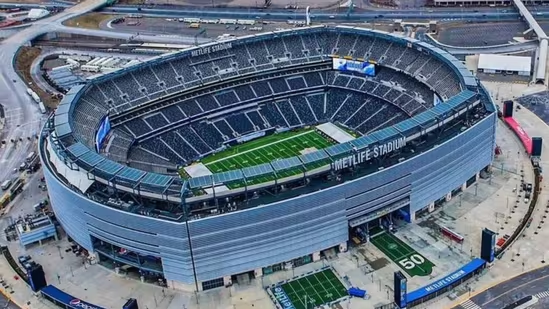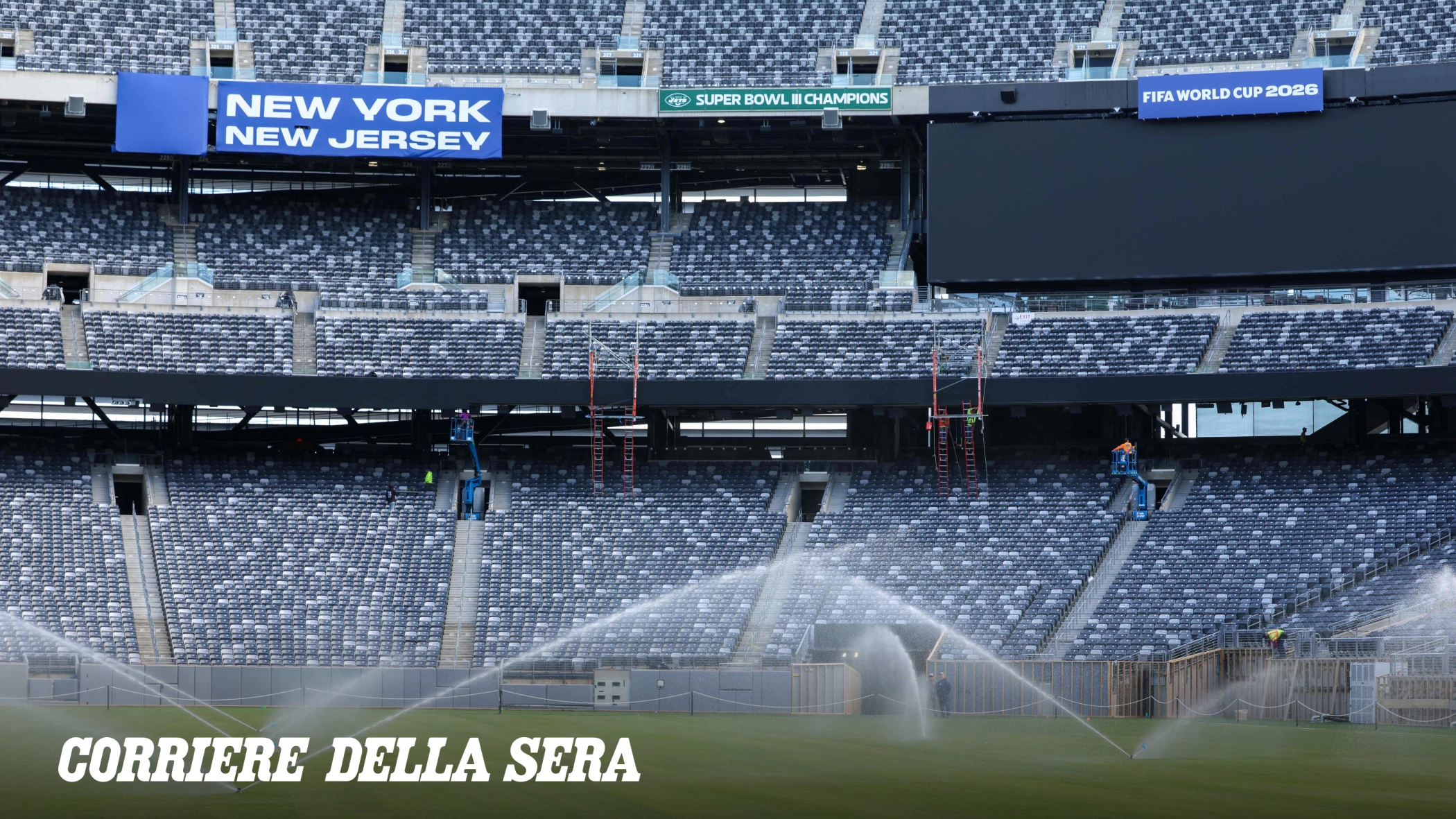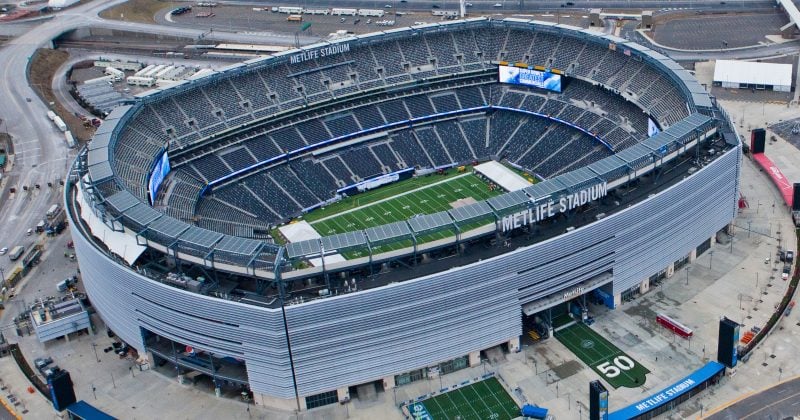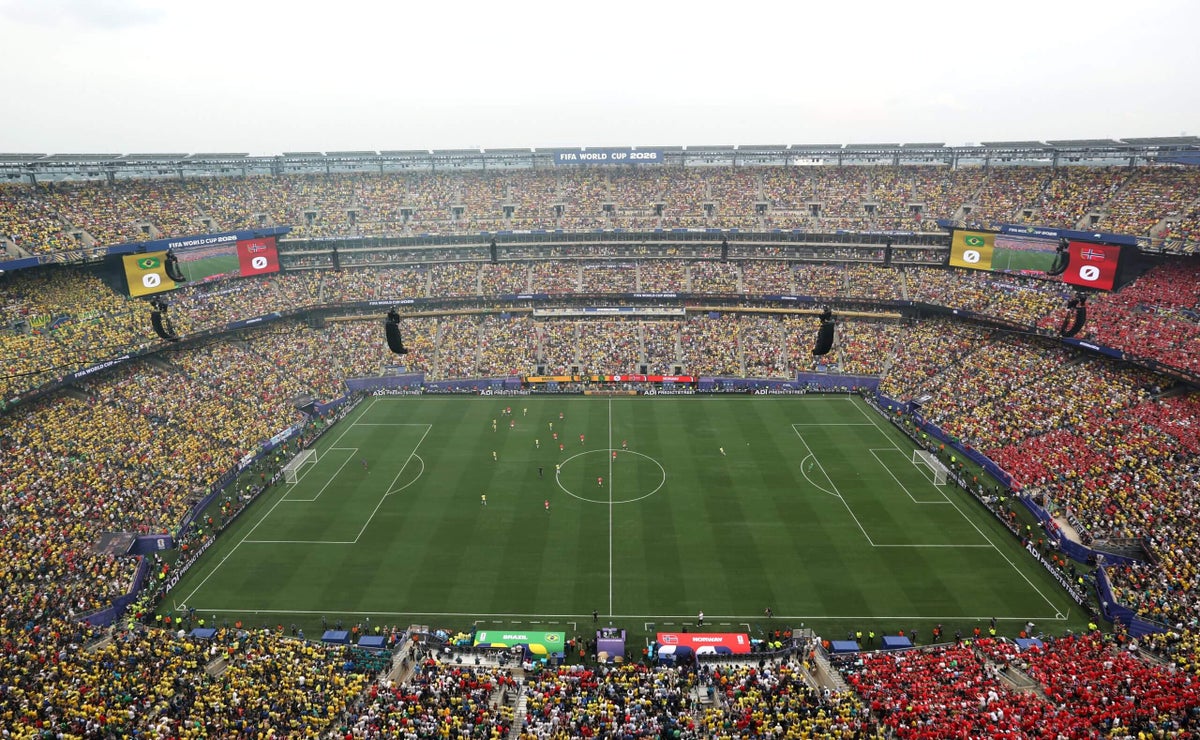
The eyes of the sporting world will be on MetLife Stadium in East Rutherford, New Jersey, on Sunday as Spain and Argentina compete for the biggest prize in football.While there were other — and, for some, better — options to host the World Cup final, such as SoFi Stadium in Los Angeles or A&T Stadium near Dallas, the 82,500-seater venue a few miles west of New York City was chosen by FIFA to stage the showpiece.During the group stage, however, that decision came under scrutiny as players queued up to criticise the poor condition of its temporary grass pitch.This is certainly not what FIFA wanted after investing millions into ensuring the playing surfaces across the 16 host cities were worthy of being performed on by the world’s best footballers.But as the final looms large, Alan Ferguson, the man tasked with overseeing pitch development, delivery and maintenance for all FIFA events, is confident that the grass at MetLife is not going to be a talking point.In fact, Ferguson believes it is in excellent condition — and that the risk FIFA took ahead of the tournament has paid off, largely due to the sun coming out.The Athletic breaks down why the playing surface at MetLife has become such a big issue…Why has it been a talking point?Primarily because it was heavily criticised early in the tournament.Vinicius Junior, the Brazil forward, pinpointed the pitch as a key reason why his side failed to overcome Morocco as their opening group match ended in a 1-1 draw on June 13.“Because of the weather and the heat, the grass dries out quickly and the game ends up being very slow,” Vinicius Jr told TNT Sports Brazil. “We can’t build up a rhythm.“That makes things difficult because we want to play. We want to move the ball from one side to the other, and this disrupts our game. But we have to adapt because I believe it will be like this all tournament. Everyone will have to play on the same surfaces.”Following France’s first match there, a 3-1 win against Senegal on June 16, midfielder Adrien Rabiot did not mince his words when providing his assessment of the MetLife surface. “The pitch — I don’t even know if you can call it that,” he said. “It felt more like an artificial surface. Quite hard and quite rigid.”“We need to get used to this, for sure,” France head coach Didier Deschamps added. “There might be some cement below the grass. You have very short blades of grass here.”What was the issue?Ferguson, FIFA’s senior pitch management manager, attributed the early teething issues at MetLife to a calculated risk that saw “warm-season” grass chosen over a “cooler-season” surface, as used at other venues, to hopefully give it the longest shelf life due to it hosting the final, more than a month after the tournament began.However, recent weather in New Jersey wasn’t quite as warm as they’d anticipated, which, Ferguson says, ultimately led to those issues early on.“We knew from the Club World Cup (last summer, which also used a temporary grass pitch laid on top of MetLife’s artificial one) that the temperature swing can happen quite quickly in New York. I had the option to put in the cool-season grass, which would have been fine, but it was a huge gamble and one I didn’t want to take.”Keeping the pitch at MetLife Stadium watered has been essential (Charly Triballeau/AFP via Getty Images)The reason it would have been a risk, Ferguson explains, is that once the weather got hotter, as it did, the cool-season grass would have struggled.“For the first 10 to 12 days of its existence in MetLife, the warm-season grass just sort of woke up in the morning and thought, ‘What have you done to me? Why have you brought me to this cold place?’“That checked its growth momentarily and caused an aesthetic reaction on the surface, and that’s what everybody saw (in those early matches). From a playability perspective, the pitch was absolutely fine.”Could they have done anything to fix it?“We did everything on the ground that we could do, and people would expect us to do that,” Ferguson explains. “We used grow covers, for example; they are just like a quilt that you put on your bed for the wintertime.“We had a complete fleece that we covered MetLife with, so when we did have a little bit warmer temperature in the daytime, which was still not what it wanted, it was better than nothing.”Ferguson also said they used grow lights, which “give a three-degree benefit”, but they ultimately had to wait for “Mother Nature to give us that final helping hand”.“Until you get that increase in air temperature, then it’s a waiting game. And because the MetLife pitch goes right to the end (of the World Cup), I think it was important not to take a knee-jerk reaction to cover that.“That would have been the wrong decision, and not great for the players because to change the consistency of a surface in mid-tournament, especially a World Cup, is never a great thing to do.”How is this approach different to previous tournaments?At both the 2024 Copa America, a tournament organised by the South American football federation CONMEBOL rather than FIFA, and the Club World Cup last summer, the shipped-in grass surface at MetLife also came under fire.For the Club World Cup, the stadium was not confirmed as hosting the final until under a year before the event took place, meaning Ferguson and his team did not have as much lead-in time as they would ordinarily expect.One difference, for example, is that for the World Cup, a fully automatic irrigation system has been installed, whereas at the Club World Cup final this week last July, the pitch was watered by members of ground staff holding hoses.In previous football finals hosted at MetLife, none of the sub-infrastructure existed, meaning the in-ground irrigation, sub-air vacuum ventilation system, full draining and oxygen system are new additions for this World Cup.The composition of the temporary playing surface now consists of: the grass itself; an upper rootzone, which provides the growing environment for the turf by using sand and soil; a lower rootzone made up of sand; and the drainage and gravel raft that allows for the movement of water.Is it similar to what is used for NFL games there?FIFA requires all pitches at the World Cup to be played on natural grass.In the NFL, however, there is no such regulation, and the New York Giants and New York Jets both play their home games on artificial turf at MetLife.After Sunday’s final, and ahead of the NFL getting underway with pre-season games in mid-August, the grass pitch will be ripped up as the stadium reverts to its artificial surface. This process will be, or is already being, replicated across other World Cup venues that are home to NFL teams.
FIFA insists MetLife Stadium’s pitch is ready for the World Cup final despite criticism
After being criticised early in the tournament, the temporary grass playing surface in New Jersey now faces its biggest test
1,738 words~8 min read