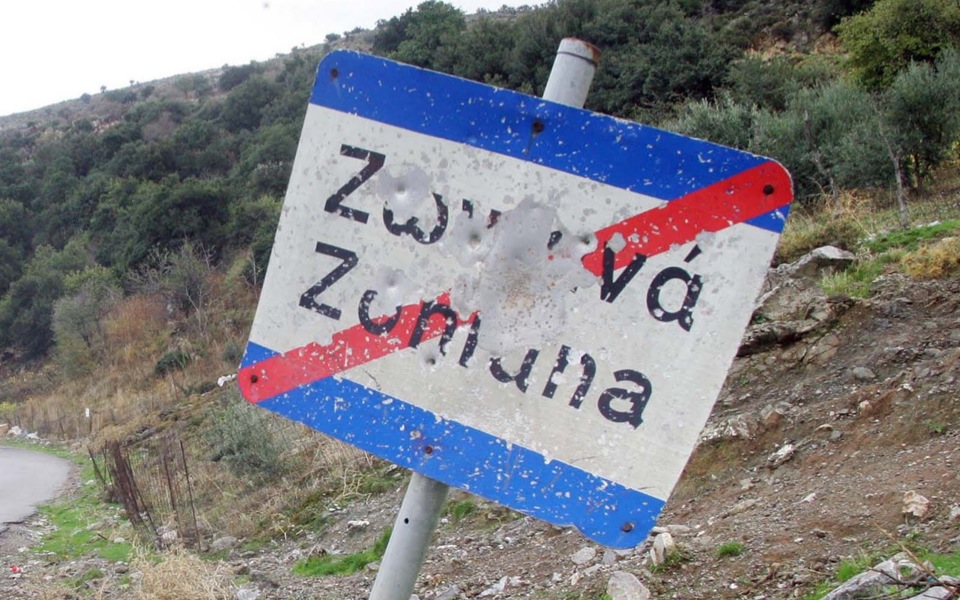
Just a few days ago, a two-man crew from the electricity network operator DEDDIE came under attack in the village of Zoniana in Rethymno, Crete, by a group of men in pickup trucks. The crew was there to carry out upgrades on the electricity meters. The assailants smashed the windows of their truck and stole a laptop.
“We realized that they were angry over the power cuts, so, finding us alone and without police protection, they lashed out,” the DEDDIE technicians said. The rest, as they say, is history. The workers’ union “unequivocally condemned” the incident, while the police promised “an investigation to locate and apprehend the assailants.”
The remote communities on Crete’s mountains were left in a peculiar state of isolation, and the official state was replaced by the might of local power networks
In almost every discussion about the culture and mentality of Crete’s mountain communities, the stern rhetoric about no more “no-go zones” and the anger over deep-rooted lawlessness and widespread impunity compete with the romanticized views of the “law of the shepherd’s crook,” unfettered bravado (with political role models to spare), blood feuds and peace negotiations between warring clans. However, when examining the sequence of events – from the 2007 tragedy of special police officer Stathis Lazaridis during the bloody armed ambush in Zoniana, where residents attacked a police convoy, to the bloodshed in Vorizia in late 2025 and the recent attack on the power utility crew – the problem, in varying degrees, persists, spreads and deepens. It clearly does not stem from some supposed cultural trait – as local MPs tend to treat it – but from a persistent institutional failure.