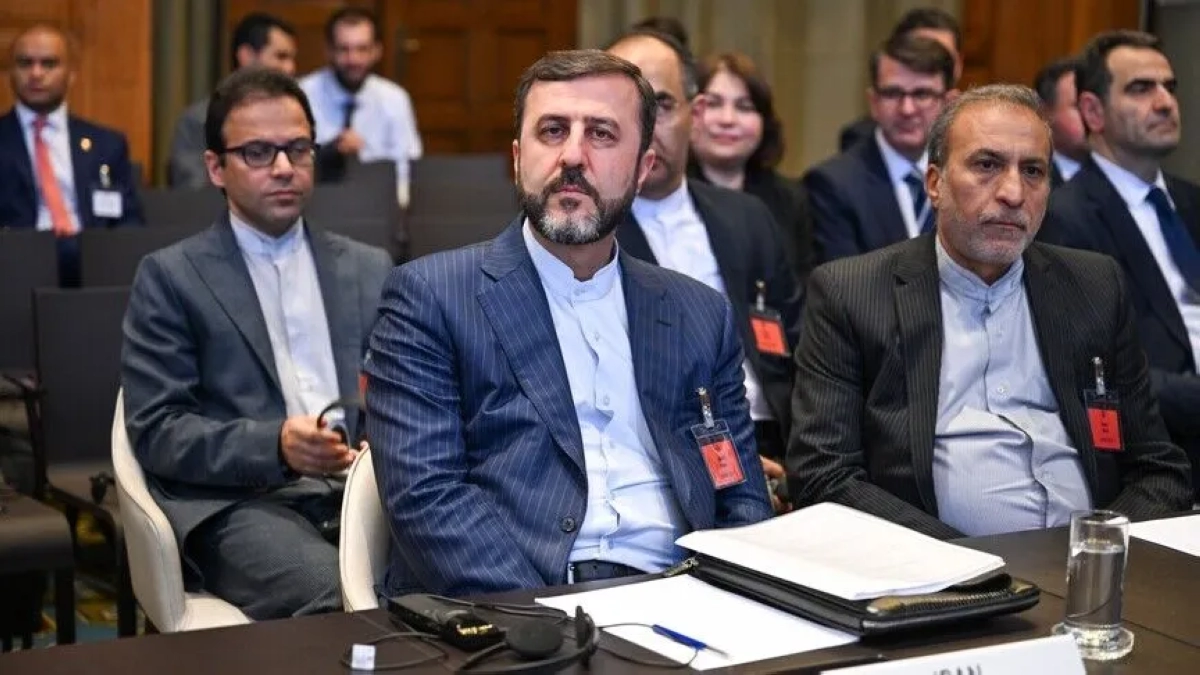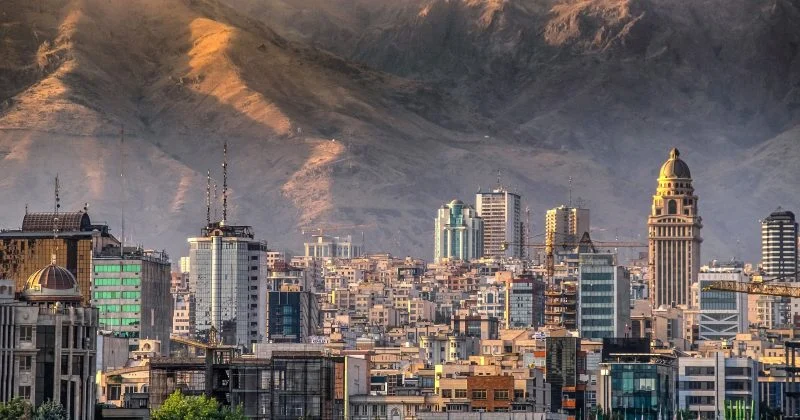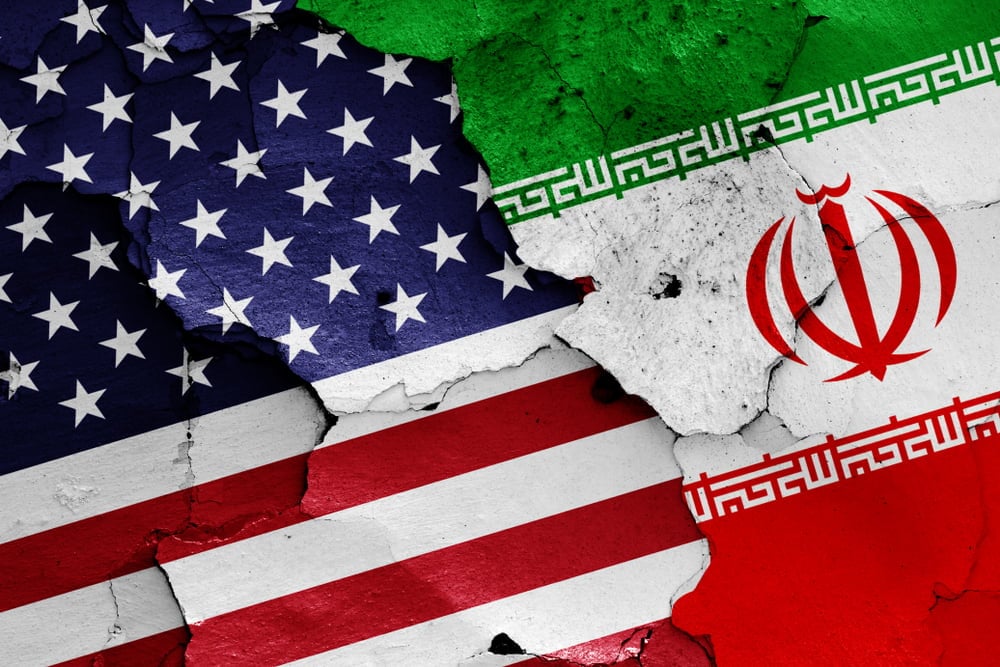
Just under four weeks after signing what looked like a diplomatic breakthrough, Iran has walked away from its obligations under the Islamabad Memorandum of Understanding with the United States. Tehran announced the suspension on July 13, 2026, citing what it describes as repeated American violations of the ceasefire framework the two countries agreed to in June.
The timing matters. The MoU was only signed on June 17, 2026. A deal that took months to broker lasted less than a month in practice.
What the Islamabad MoU actually was
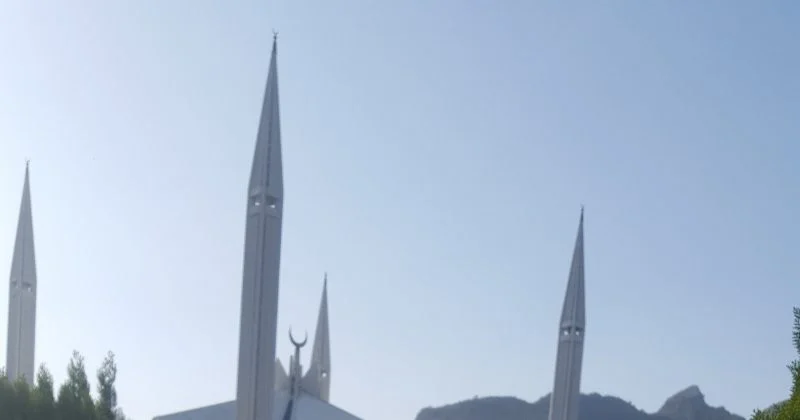
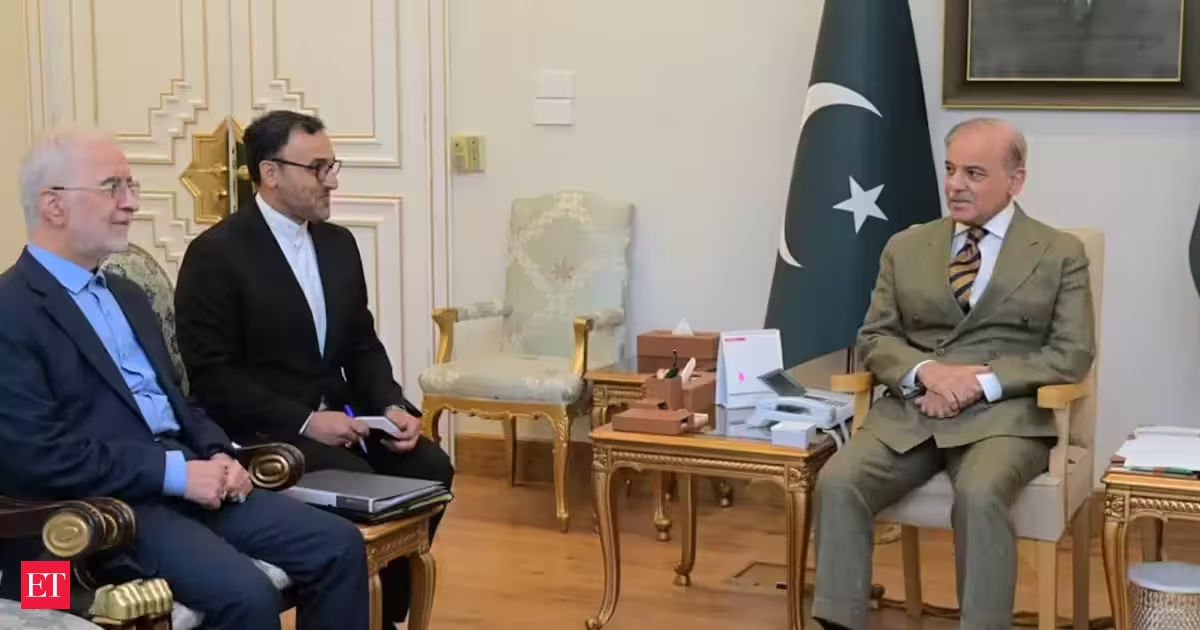
The agreement was brokered with Pakistani Prime Minister Shehbaz Sharif serving as mediator, a notable diplomatic role for Islamabad given the regional stakes involved. US President Donald Trump and Iranian President Masoud Pezeshkian signed the document, which spanned 14 points covering a ceasefire, sanctions relief, and structured discussions around Iran’s nuclear enrichment program.
The Strait of Hormuz was central to the deal. Roughly a fifth of global oil supply passes through that narrow waterway, making its operational status one of the more consequential variables in energy markets worldwide. The MoU explicitly aimed to keep that corridor open as part of the broader de-escalation framework.