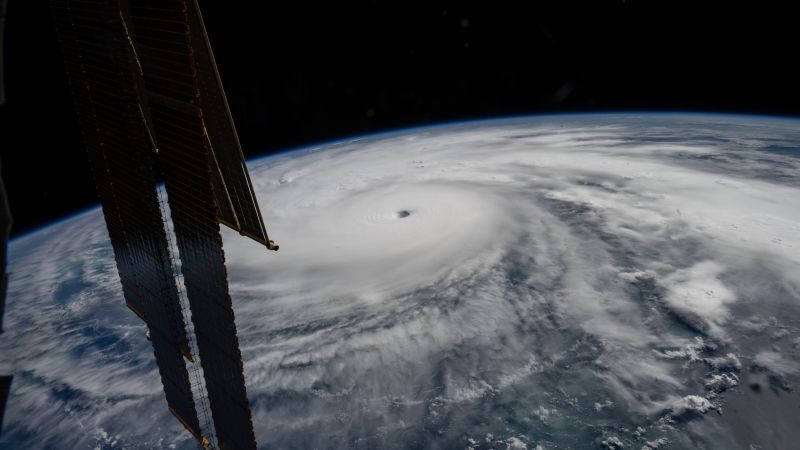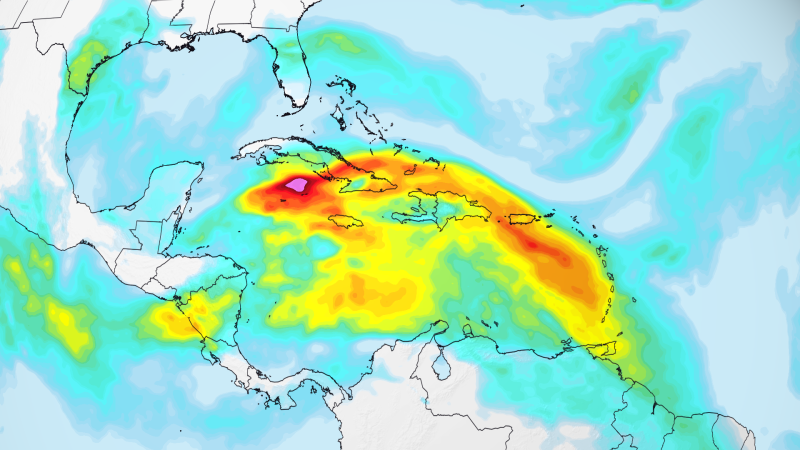
Atlantic hurricane season is off to a quiet start and it’s probably time to start pointing fingers at El Niño.
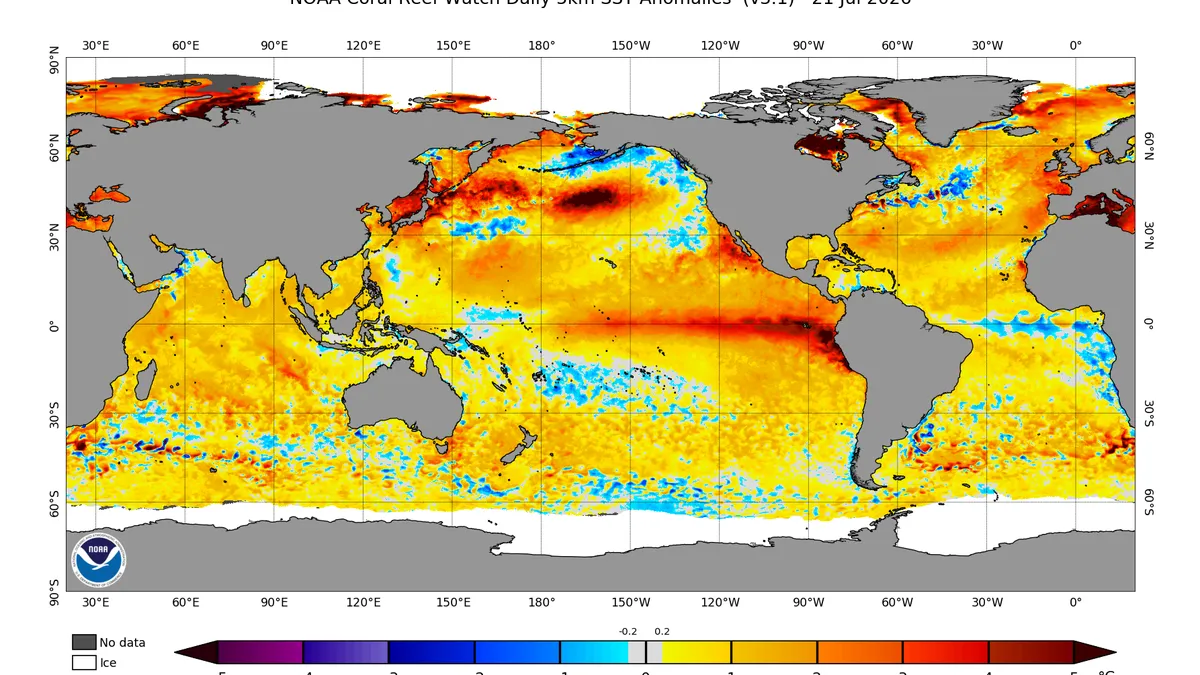
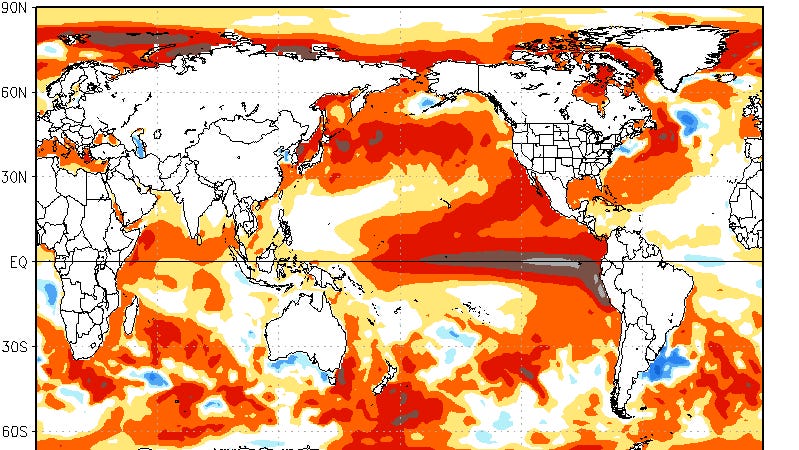
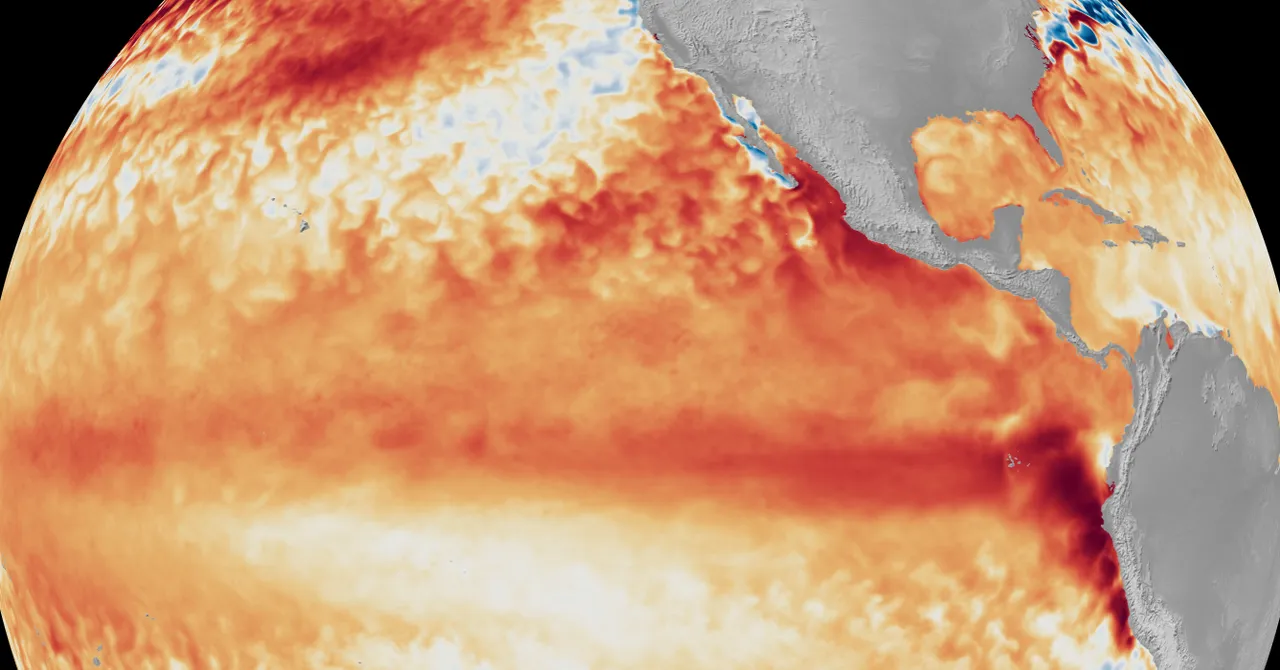
A quick refresher: El Niño is a natural climate pattern marked by warmer than average water temperatures in the equatorial Pacific and corresponding shifts in upper atmosphere weather patterns. Together, these factors influence weather globally over extended periods.
This El Niño was officially declared in June, and it could become a record-breaking Super El Niño later this year.
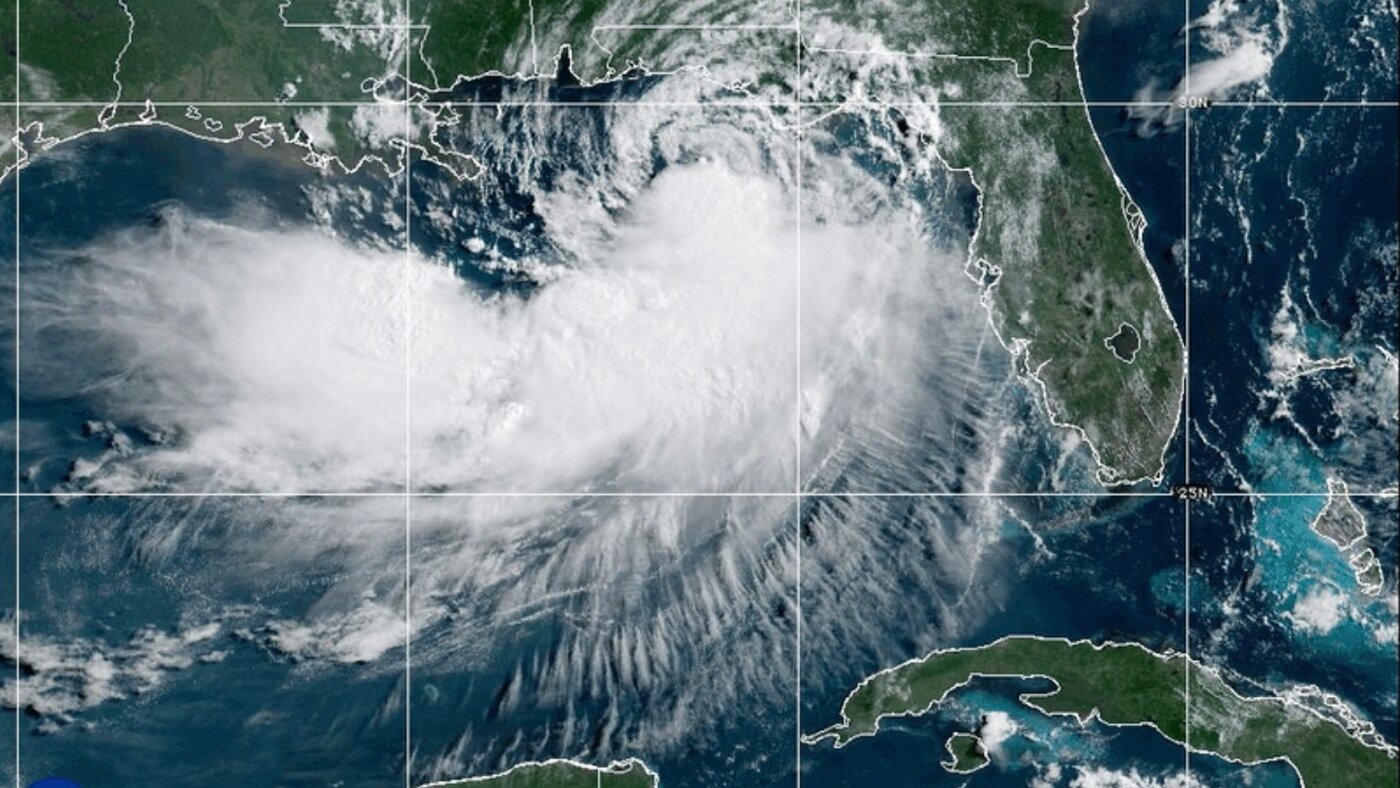
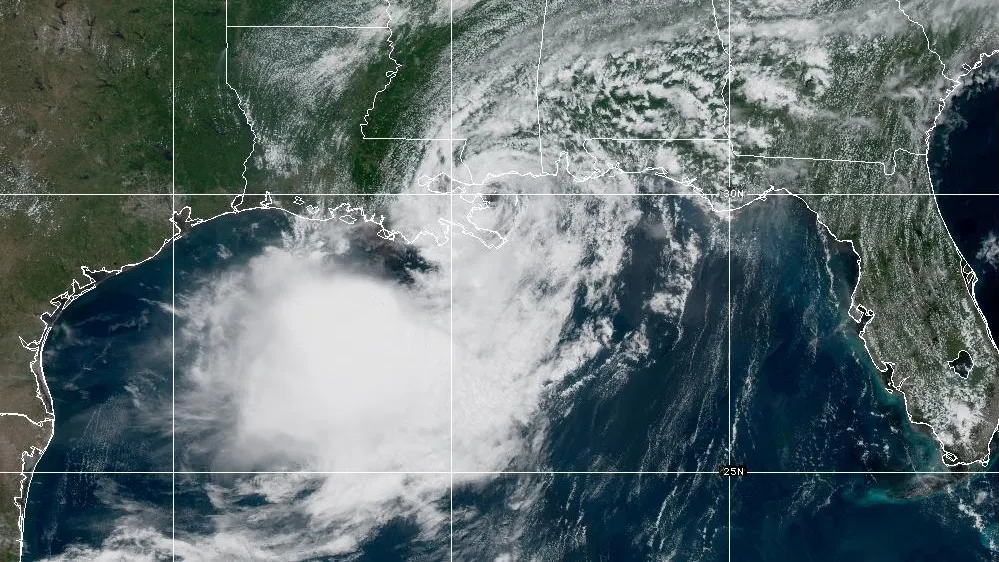
Its potential fingerprints are taking the form of storm-killing wind shear, smudging up a hurricane season that’s produced two tropical storms to date, both very close to home. Tropical Storm Bertha formed in the Gulf on Monday, but this is still the quietest start to the season in over a decade.
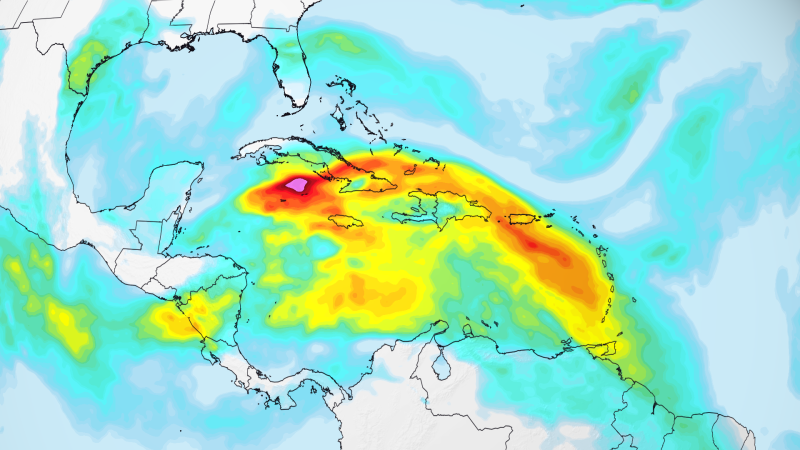
Wind shear describes the changes in wind direction or speed between different levels of the atmosphere. It can tear apart tropical systems or prevent them from forming in the first plac e — and it’s established a firm grip over the Caribbean Sea and the western Atlantic Ocean. June and July are typically the quietest months of the season, but this shear has been a major roadblock and could have implications for the peak months, too.