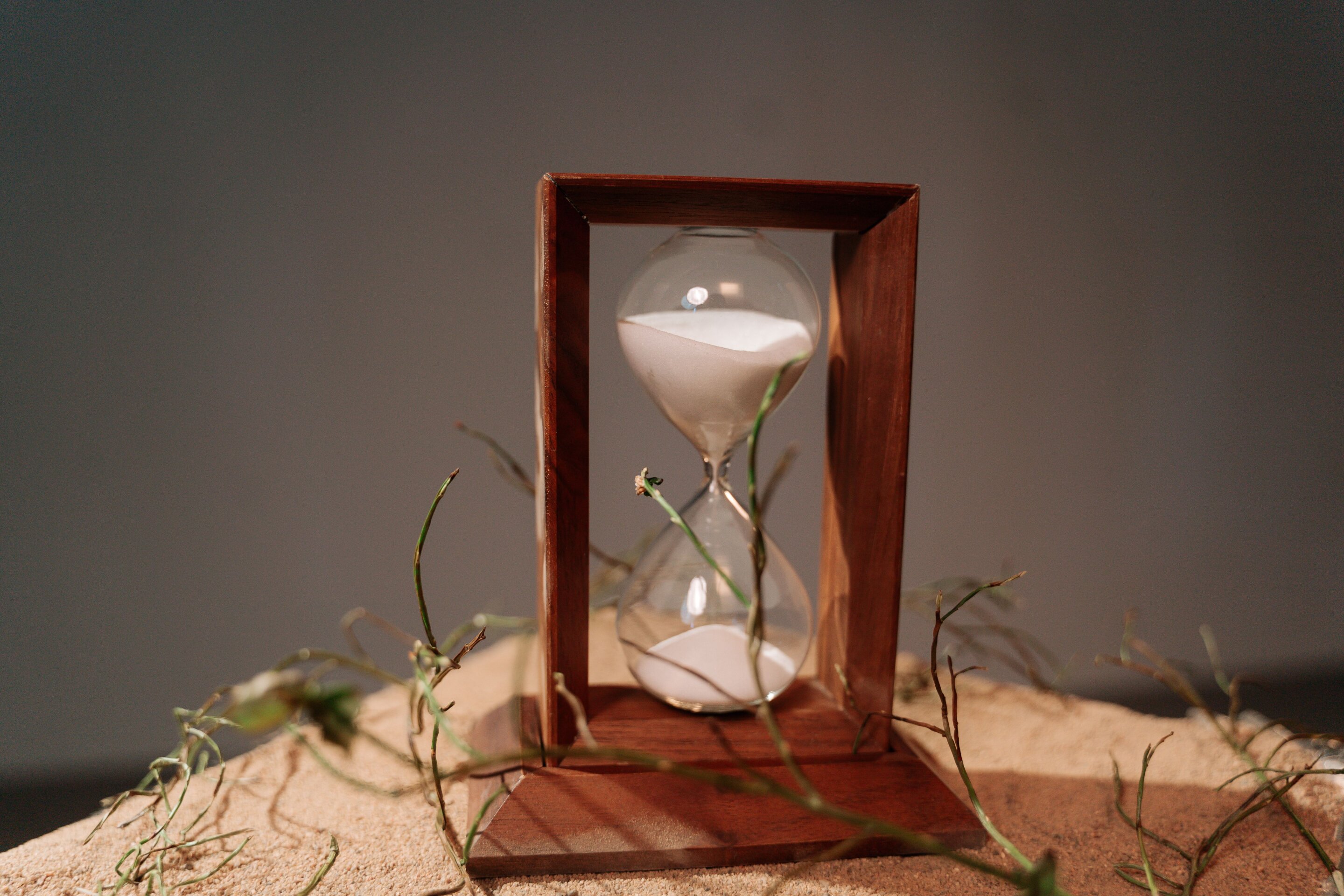
Framing environmental risks in terms of how much time is left, rather than a future date, makes them feel more urgent and increases public engagement.
When scientists, policymakers and journalists communicate environmental threats, they often rely on future dates: "water shortages by 2046" or "biodiversity loss by 2060."
But new research from King's Business School suggests that a simple shift in wording can make these threats feel more immediate and harder to dismiss.
The paper, published in the Journal of Consumer Research, examined how "date" framing, such as "water shortages by 2046," compares with "time-left" framing, such as "water shortages within 20 years."
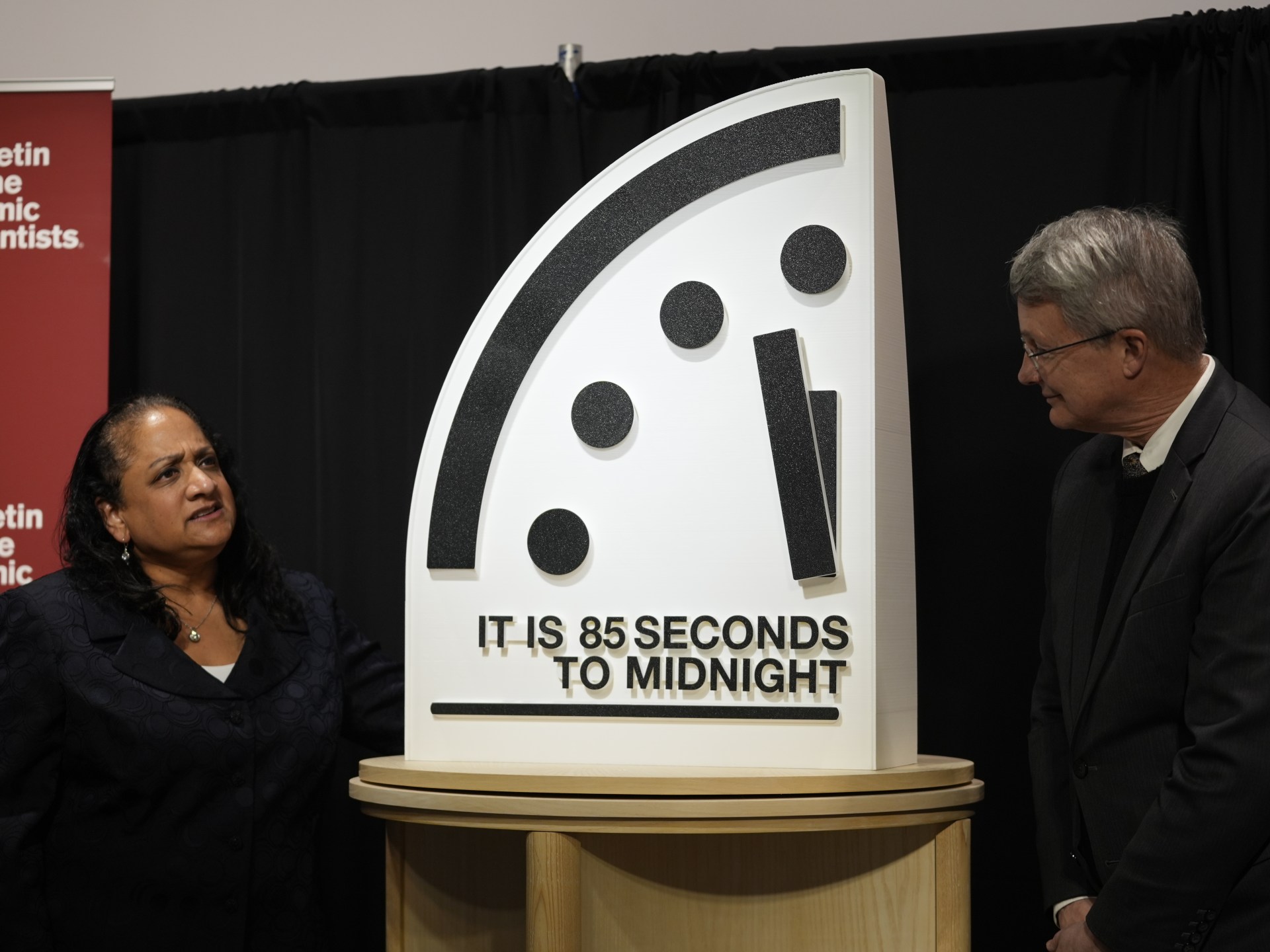
Analyzing climate coverage at scale and testing responses in large studies, the researchers found that messages focused on how much time remains make environmental threats feel closer and more urgent, driving higher engagement and support for action.