Research shows people’s response to binary date could drive more effective ways of communicating gravity of crisis
S
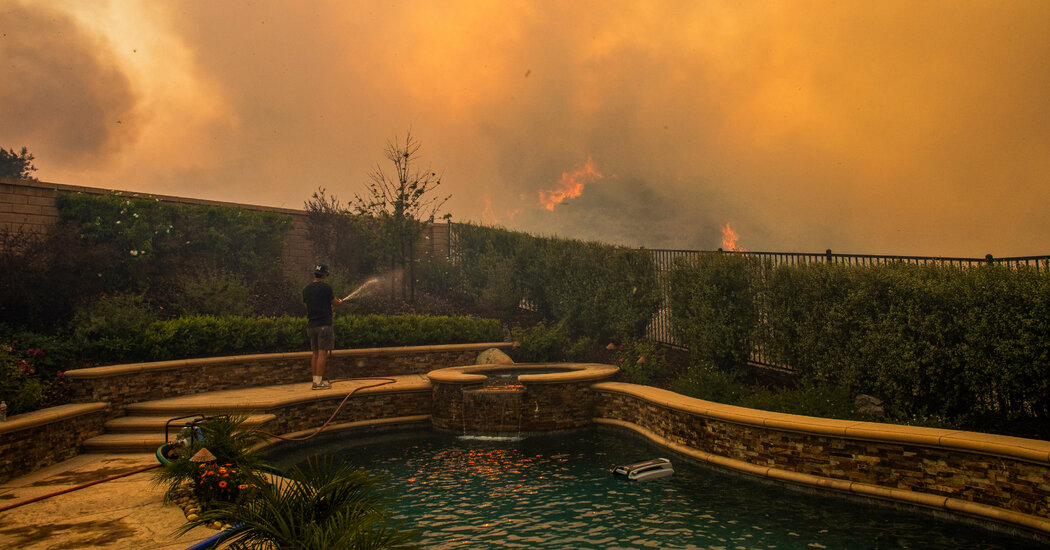
urveys show that the increasing number of extreme climate events, including floods, wildfires and hurricanes, has not raised awareness of the threats posed by climate change. Instead, people change their idea of what they see as normal. This so-called “boiling frog effect” makes gradual change difficult to spot.
Researchers at Carnegie Mellon University in Pennsylvania wondered if climate change could be made more obvious by presenting it in binary terms. Local newspaper archives describing ice skating on Lake Carnegie when it froze in winter inspired a simple experiment.
Some test subjects were shown temperature graphs of a fictional town’s winter conditions; others had a chart showing whether or not a fictional lake froze each year. The result, published in Nature, showed those who receiving the second graphic consistently saw climate change as more real and imminent.