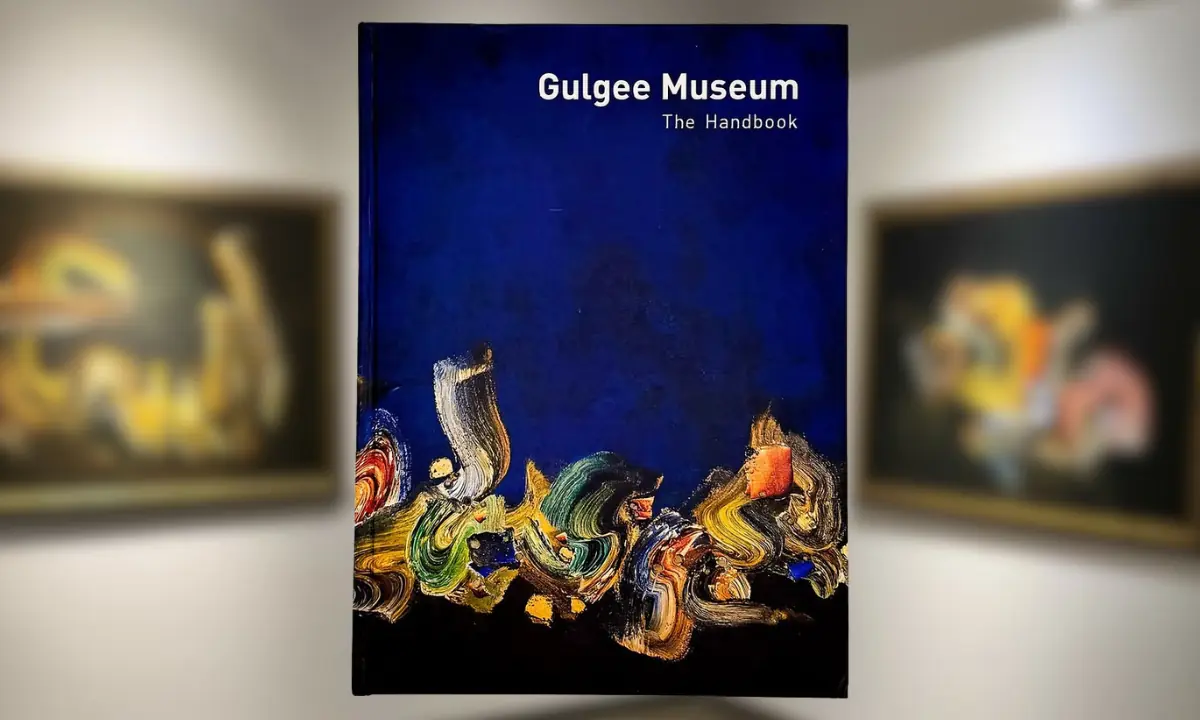
Every great artist has a story about the moment they chose art over everything else — or perhaps when art chose them. Ismail Gulgee’s story, as I learnt in Gulgee Museum: The Handbook, came with a promise.
By the mid-1950s, the young man from Peshawar had done everything expected of him. He had studied at Lawrence College in Murree before gaining admission to Aligarh Muslim University, followed by stints at Columbia and then Harvard, training not as an artist but as an engineer. Gulgee’s future appeared settled, respectable, even enviable. But if he had followed that course to its end, odds are he may not have found himself being written about in these pages.
Somewhere along the way, engineering had lost its lustre for him. He wanted to paint. But what now may seem like the inevitable path for him to chart — after all, as demonstrated by his corpus, how could this man be anything other than an artist? — was a decision fraught with tangible jeopardy at the time.
Upon hearing this confession about dreams of artistic grandeur, Gulgee’s father, Sher Ali Ismaili, was unconvinced. Before abandoning a profession for which his son had travelled halfway across the world to qualify, Ismaili instructed Gulgee to first seek the advice of Sultan Muhammad Shah, Aga Khan III. An appointment was arranged and a ticket booked for Cannes, where Gulgee explained to the religious leader that he wished to become an artist.