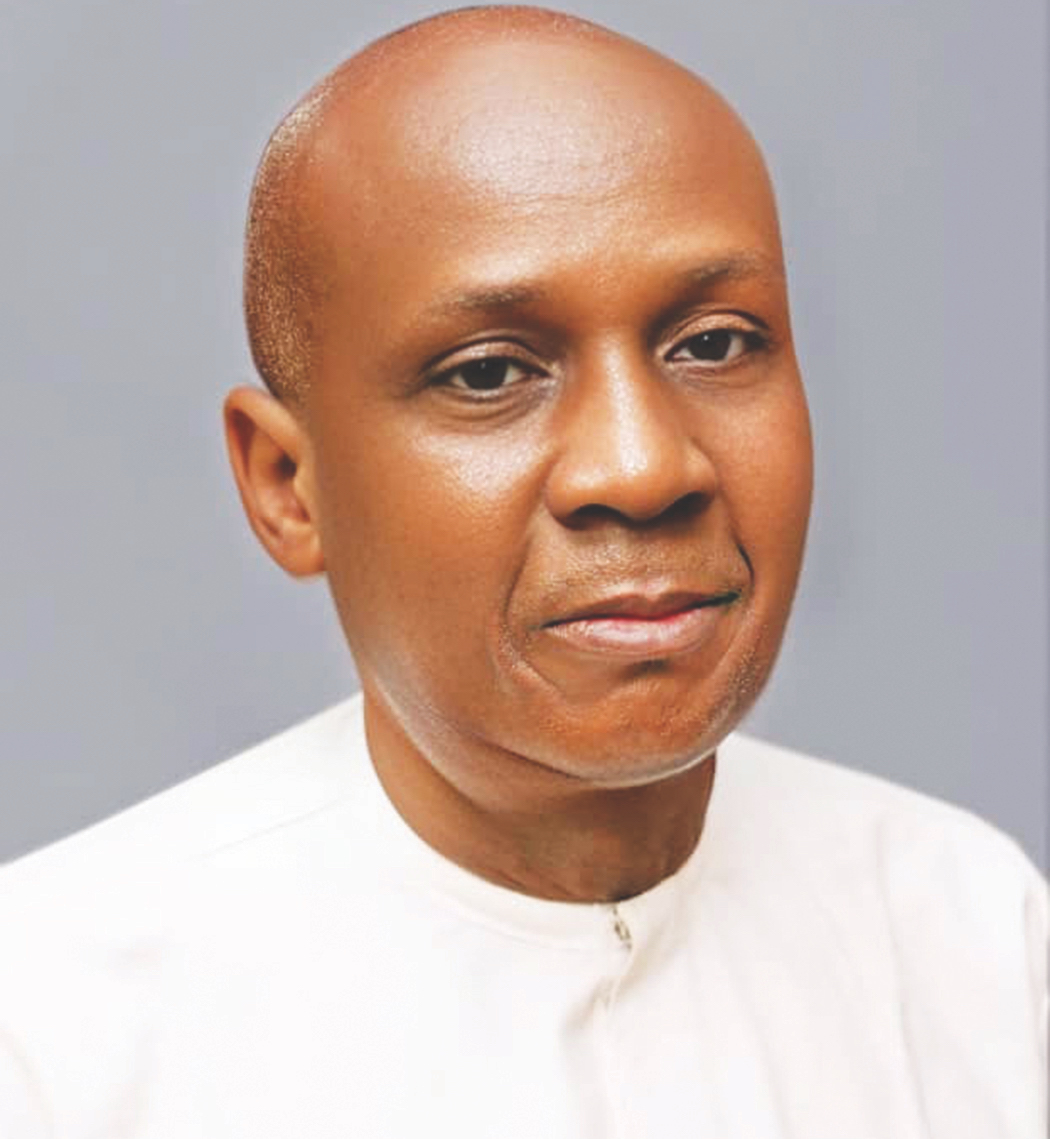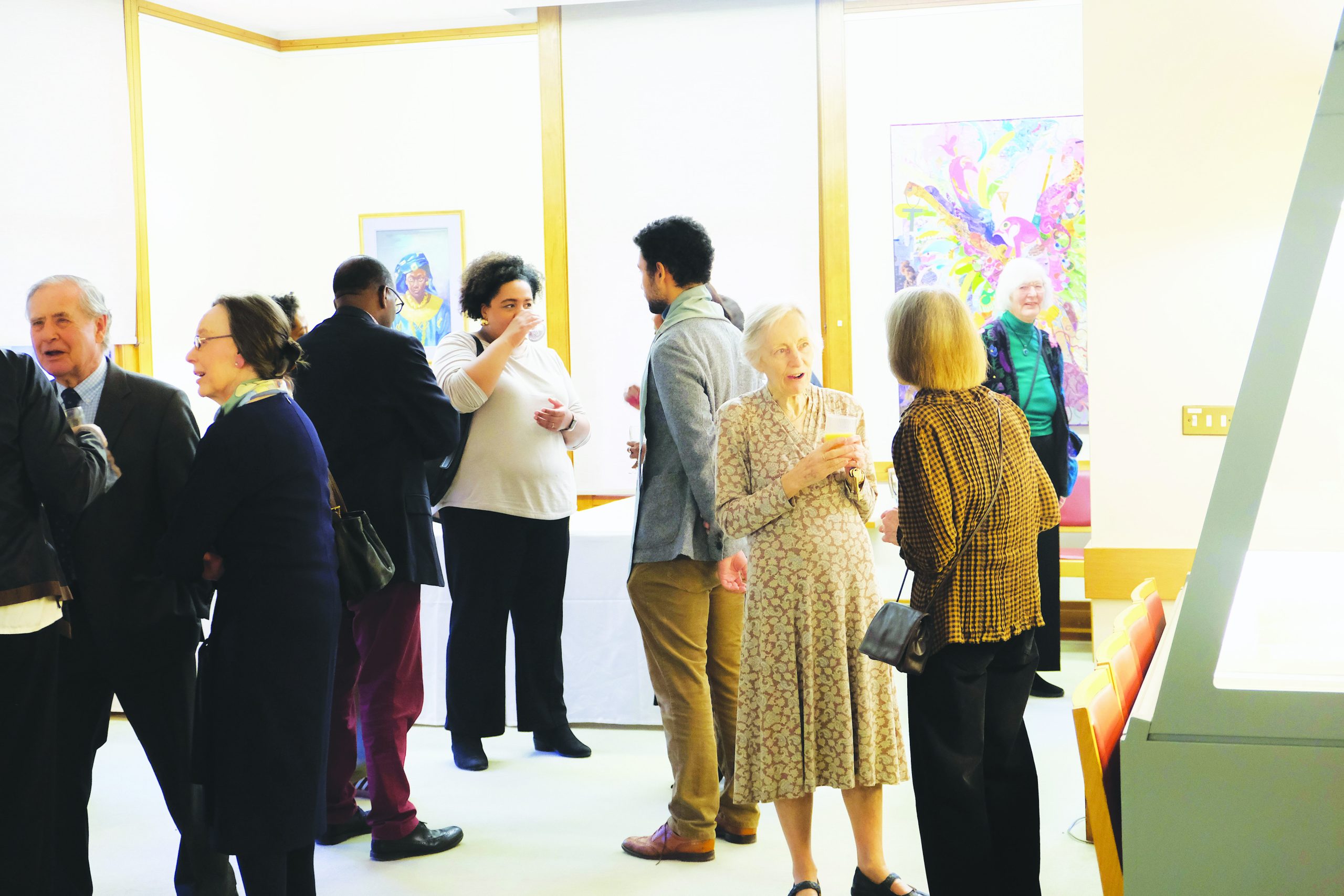
Hassan Aliyu’s 40-year retrospective at Wolfson College and ArtSpace 5–7 in Cambridge, UK, traces a life and practice shaped by movement and memory, and by the persistent work of making art in the wake of displacement. Okechukwu Uwaezuoke reports
“My calling in life was to be an artist,” Hassan Aliyu declares. From the inner recesses of memory, he dredges up a moment from his childhood. As a young boy kneeling in the sand, he is drawing shapes with his fingers. Absorbed in the act itself, he seems barely aware of the war raging around him. Then a wind sweeps across the ground, wiping everything clean, as though nothing had ever been there. He pauses. Then begins again. That repetition—marking, losing, and starting over—would, in retrospect, reveal the first flickers of a calling. Back then, it was simply a child’s pastime.
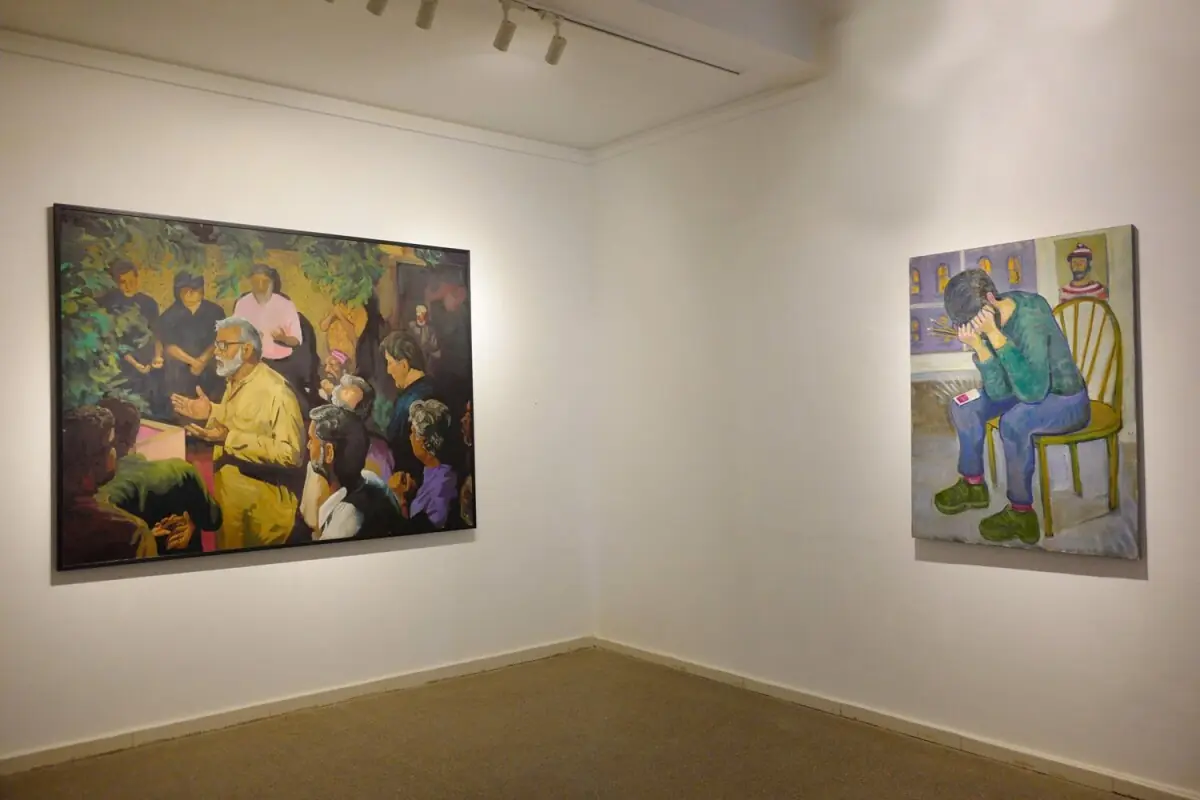
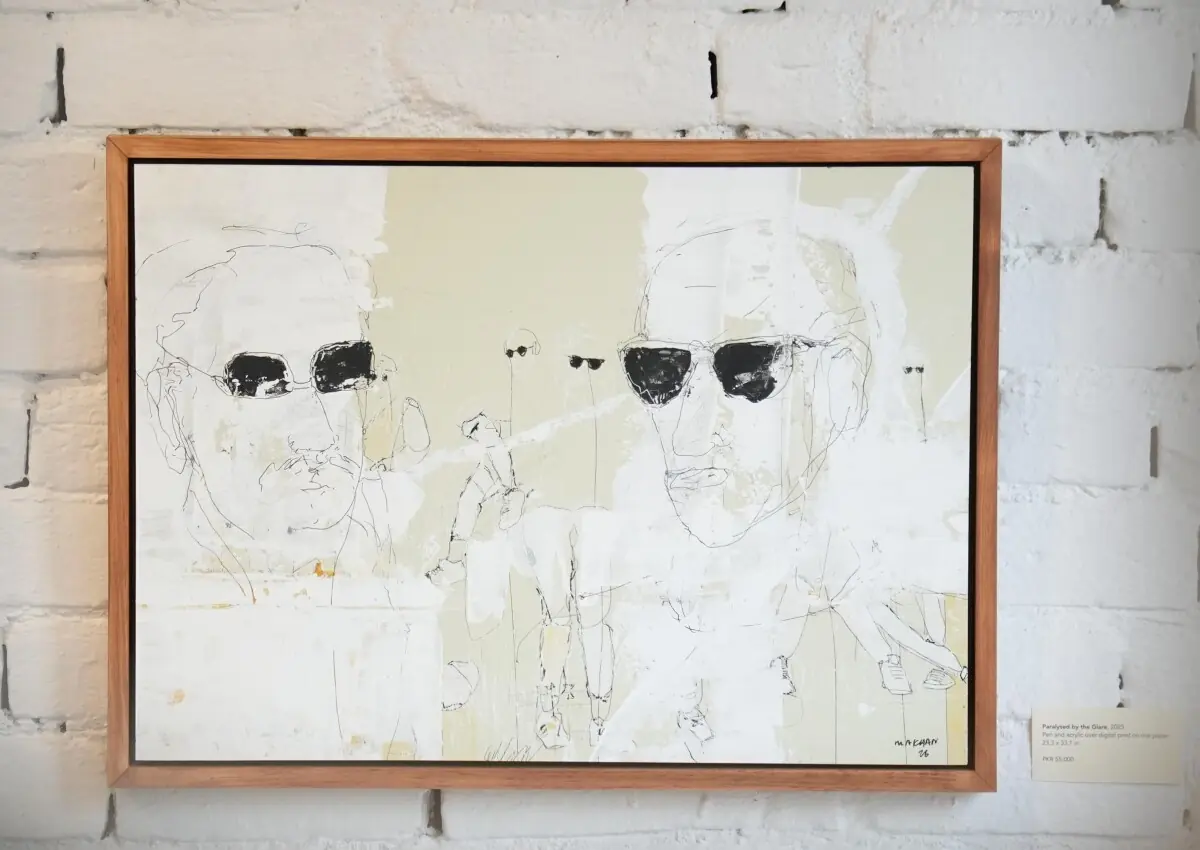
Over the years, he has returned to overlooked chapters of the past, working through fragments and gaps to hold together what displacement has scattered. This impulse finds fuller expression in the ongoing retrospective Epic Journeys, mounted at Wolfson College and ArtSpace 5–7 in Cambridge, UK, and running until June 30. The exhibition is both a celebration and an opportunity to reflect on what has been lived through. Spanning 40 years of work, it traces a practice shaped by movement and migration as much as by paint, collage, and conceptual inquiry. Viewed as a whole, the exhibition reveals a world in motion—memories of migration, journeys between cultures, and fluid identities.