When an erudite art collector decides to curate an exhibition collated from his private collection, a profound precedent is set for curatorial praxis and private patronage in Pakistan.
Dr Furqaan Ahmed has been a committed art collector for about two decades now. But for the practising doctor of medicine, it has not been about stocking his warehouse with canvases and installations. His interest has been immersive — visiting biennales around the world, holding conversations with globally renowned artists, participating in discourse with other artists — all the while learning, reading and researching.
The doctor has published three well-investigated books on different aspects of his collections. No other collector has gone this far in the service of art in Pakistan, as many are wary of the rap of the taxman. Taimur Hassan is the only other art collector in Pakistan who has contributed substantially to the art scene, exhibiting groundbreaking exhibitions at his celebrated Como Gallery in Lahore.
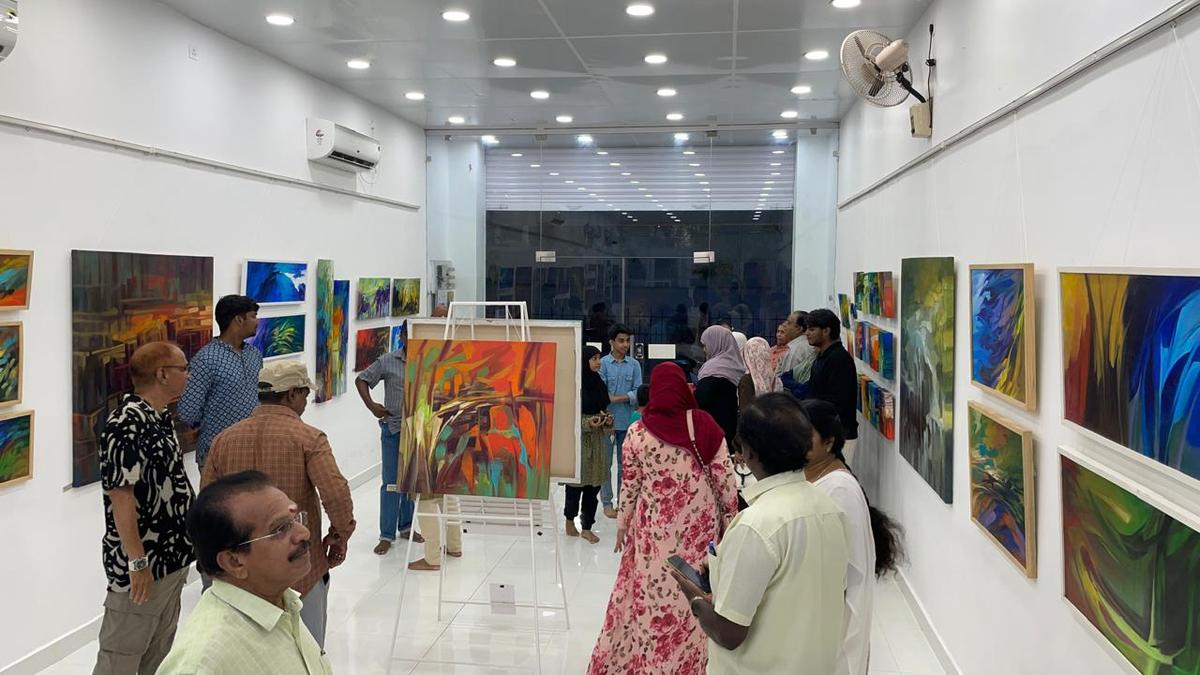
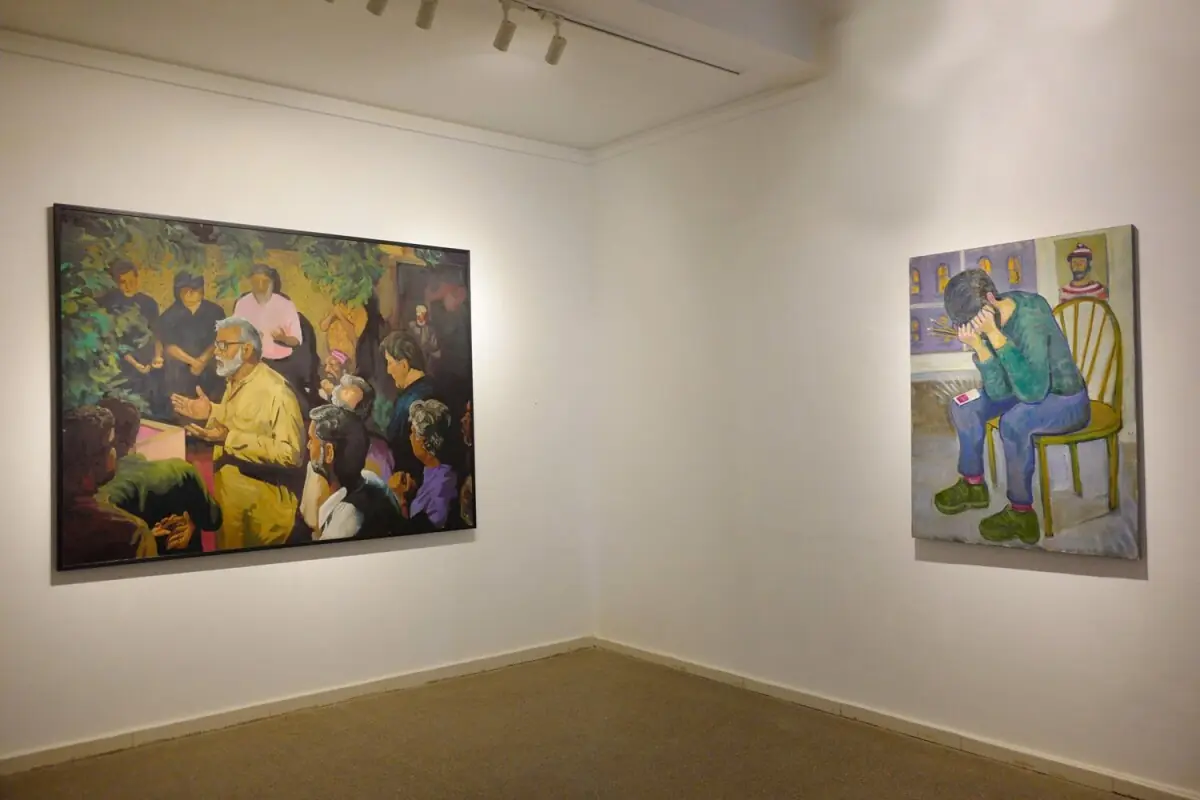
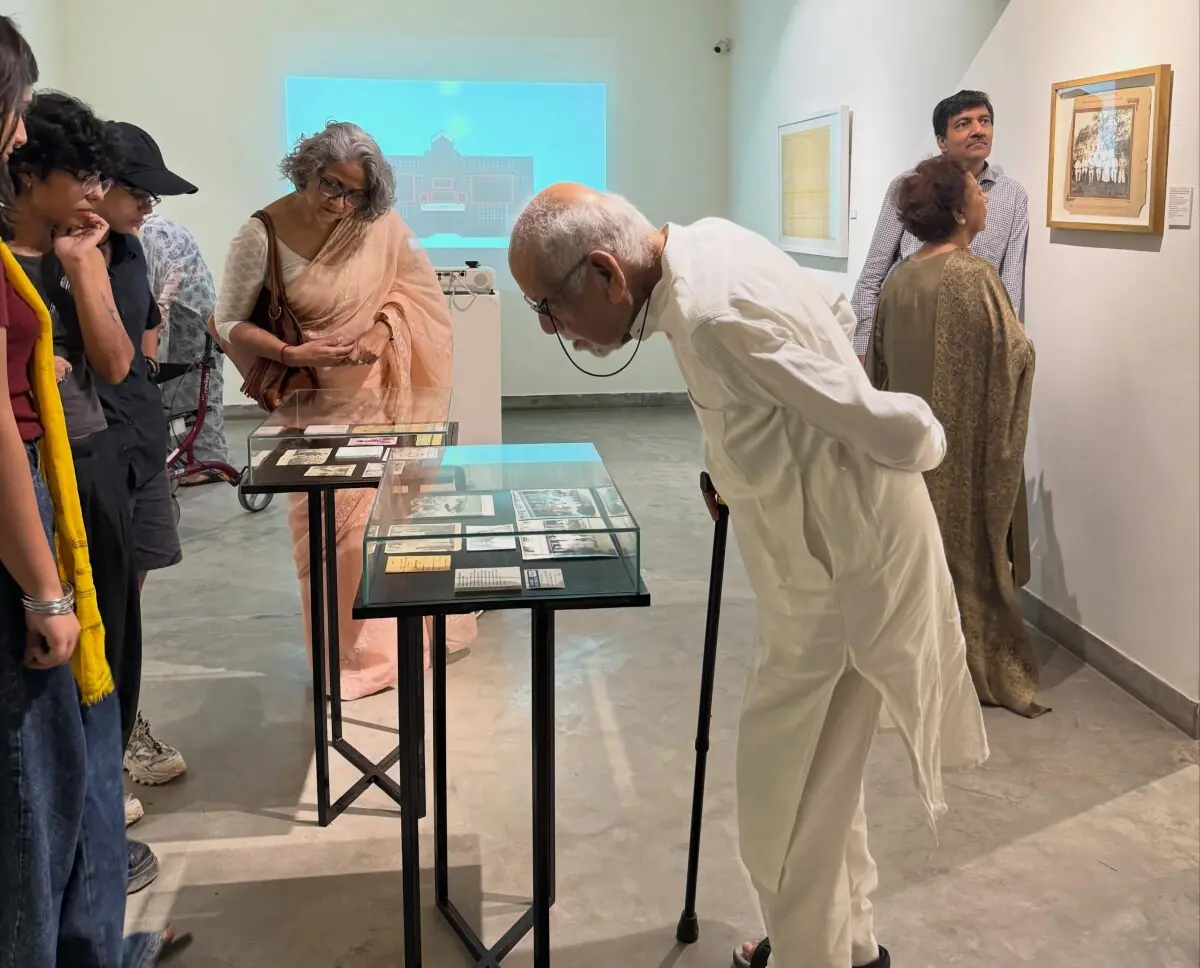
But while the exhibition ‘Karachi Cartographies — Seeing the City Through Art and Archives’ at Canvas Gallery and Koel Gallery in Karachi explicates a remarkable concept of visually illustrating the evolving lay of the land and its environs, it brings to the front some questions about empirical data versus aesthetic intervention. The structural vulnerability of ‘Karachi Cartographies’ lay in its inability to translate raw archival material into a cohesive visual vocabulary.