The shortage of trained public health professionals has been threatening to spook the rapid pace of investments made through both private and public sectors.The government has been building a stronger healthcare system for the future through Ayushman Bharat and the Digital Health Mission, AI-enabled healthcare, disease surveillance and preventive care.According to the PHFI Institute of Public Health Sciences (PHFI-IPHS) estimate, India currently requires over 45,000 additional public health professionals to support its growing healthcare needs.While investments in healthcare infrastructure and services have increased significantly over the past few years, the availability of trained professionals capable of planning, managing and strengthening public health systems has not kept pace.Recognising this need, PHFI-IPHS (formerly known as the Indian Institute of Public Health) is preparing the next generation of public health professionals through multidisciplinary education, research and practical training.Recently recognised as a Deemed-to-be University under the Ministry of Education’s Distinct Category of the UGC Regulations, PHFI-IPHS builds on the two-decade legacy of the Public Health Foundation of India in strengthening public health education, research and policy in the country.“India’s healthcare sector requires skilled public health professionals who can strengthen health systems, shape evidence-based policies and improve healthcare delivery,” said a representative from PHFI-IPHS.Rising healthcare expenditure, changing disease patterns, rapid urbanisation, climate-related health risks, ageing populations, antimicrobial resistance and digital transformation are creating new demands on the healthcare system.To help bridge this gap, PHFI-IPHS offers multidisciplinary programmes, including the Master of Public Health, Master of Health Administration, MSc in One Health and MSc in Digital Health & Data Science. The programmes combine epidemiology, health policy, data science, behavioural sciences, management and implementation research to prepare professionals for leadership roles across government and healthcare institutions.Beyond academics, students gain exposure to national health programmes, government health systems, community health initiatives, public policy, research projects, digital health technologies and global collaborations.PHFI-IPHS also builds on PHFI’s long-standing contribution to evidence-based policymaking across areas such as non-communicable diseases, maternal and child health, digital care and health financing.With campuses in Hyderabad, Bengaluru and Bhubaneswar, the university aims to strengthen India’s public health capacity by preparing professionals capable of addressing both current and emerging healthcare challenges.Published on July 18, 2026
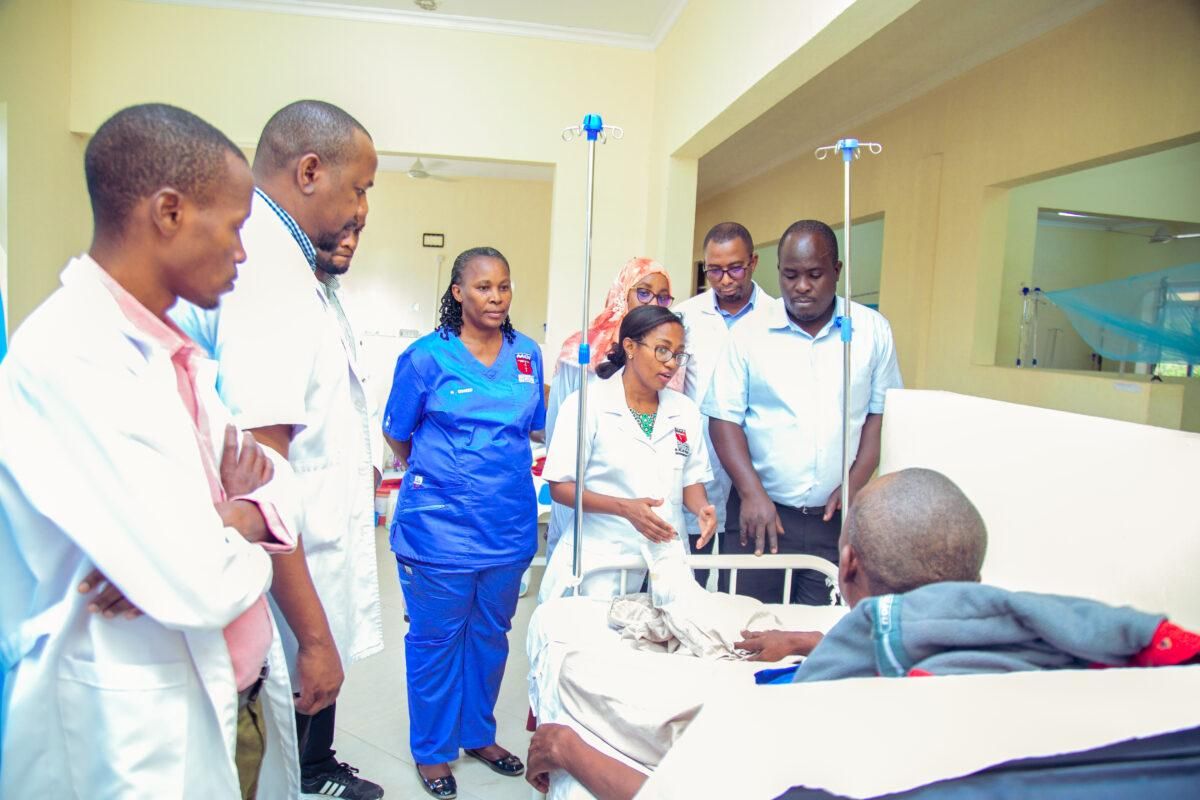
PHFI-IPHS steps up to meet growing demand for public health workforce
PHFI-IPHS addresses India's public health workforce shortage by training professionals to enhance healthcare systems and policy.
358 words~2 min read