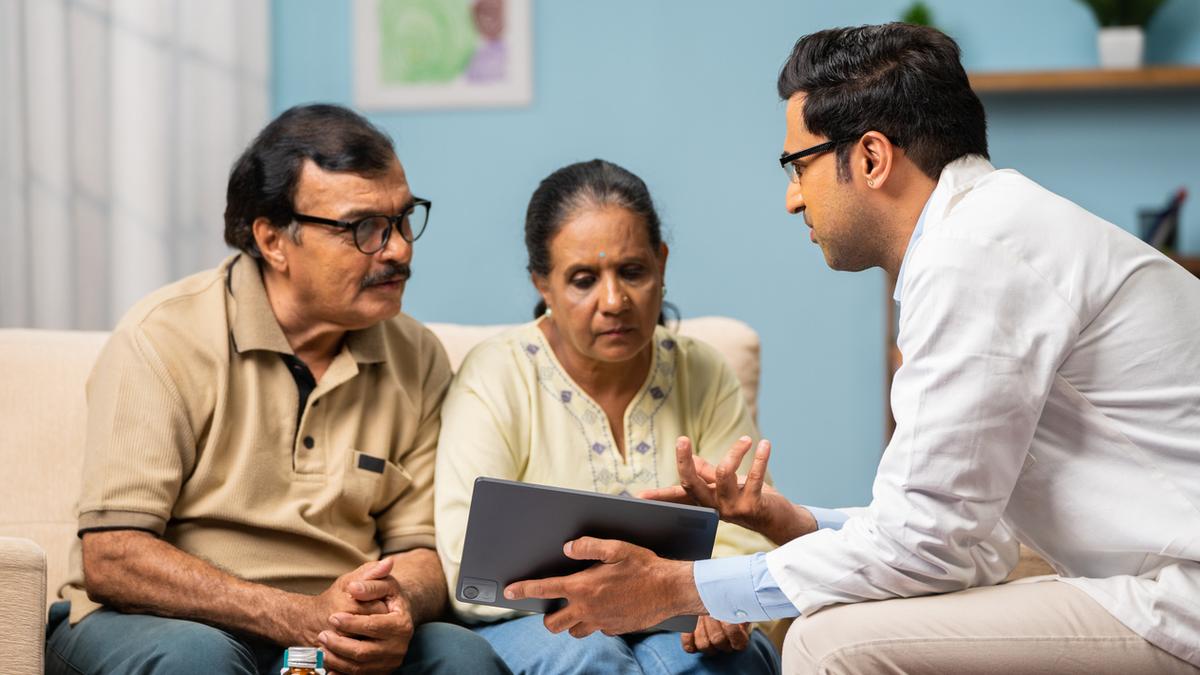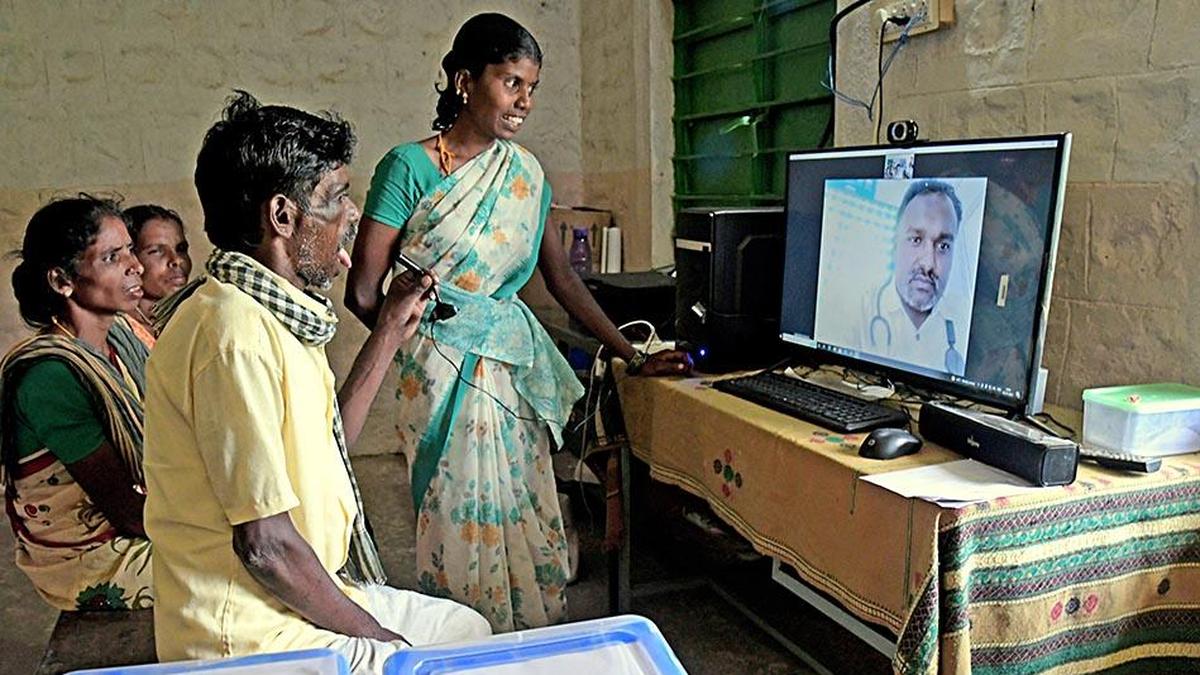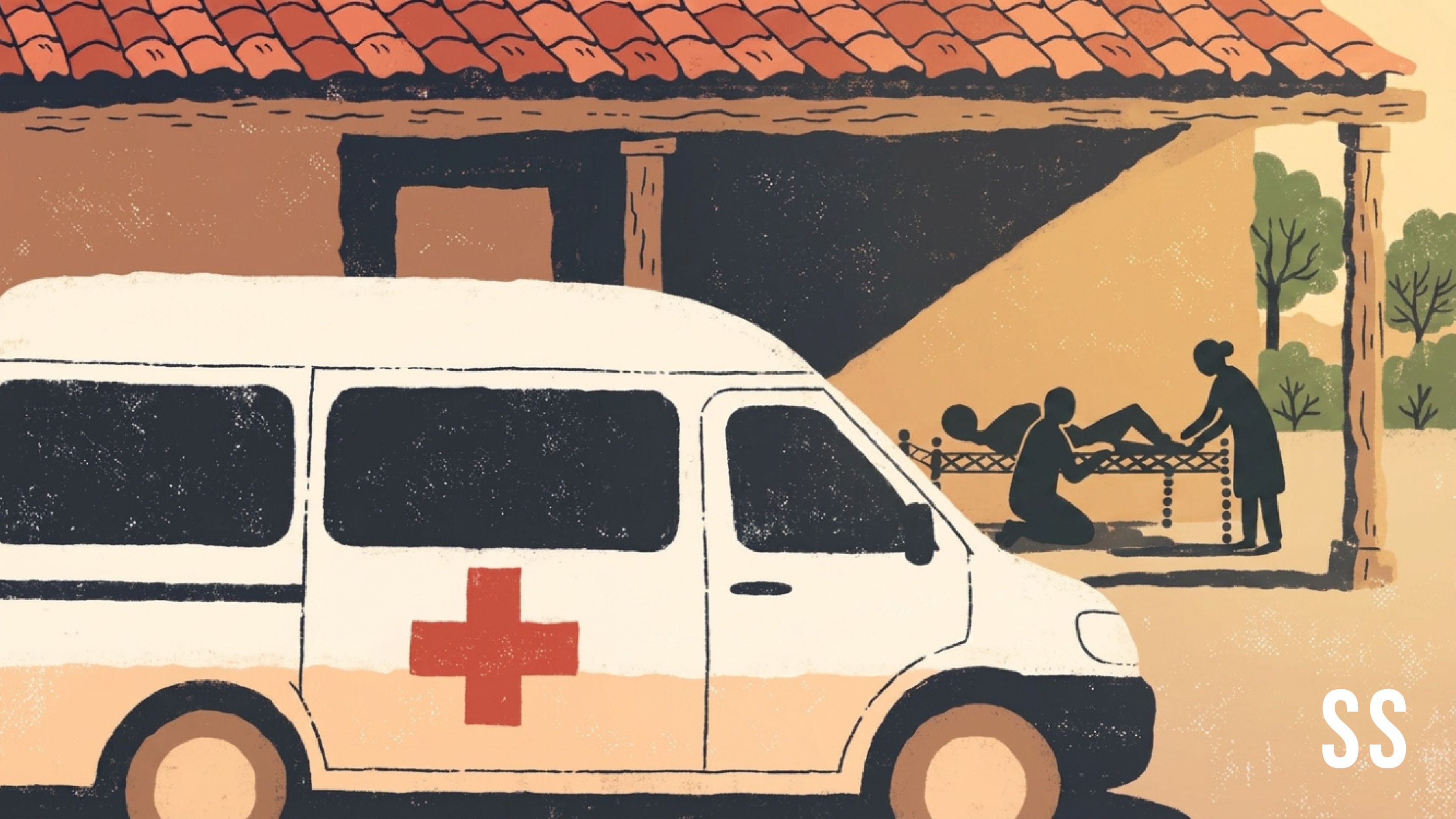
India’s health care system has grown steadily over the years. The numbers reflect that progress. There are now more than 1.85 lakh Ayushman Arogya Mandirs across the country, and the doctor-to-population ratio, at about 1:811, appears to meet global standards.Healthcare (Pixabay)Even so, the situation on the ground often feels very different.A large number of doctors are still based in cities. In rural areas, access to even basic medical care can be inconsistent, and specialist care is much harder to come by. In many places, one doctor ends up serving a very large population. For patients, this usually means travelling to a nearby town or city. That journey is not always easy. It takes time, costs money, and in some cases, delays care altogether.So, the issue is not just about whether health care exists. It is about whether it can be reached when needed. That is where telehealth has started to make a noticeable difference.For a long time, distance shaped how people approached health care. A simple consultation could turn into a full day’s effort. Travel, waiting, and then the return journey. It was often exhausting.That experience is slowly changing. Platforms like e-Sanjeevani have connected more than 46 crore patients with doctors across 102 specialities, with over 2.3 lakh providers onboarded.What this means in practical terms is quite simple. A patient does not always have to travel to speak to a doctor anymore. Consultations, follow-ups, even second opinions can happen without leaving the local area.It may not solve everything, but it removes one major barrier. For many, that alone is significant.There is another side to this that is easy to miss. Access to health care is not only about hospitals or emergencies. It is also about small decisions. When to consult, whether to follow up, whether to ignore a symptom.Telehealth makes these decisions a little easier. When the process is simple, people tend to seek help earlier. A concern that might have been delayed gets addressed sooner.For ongoing conditions, this matters even more. Follow-ups become manageable. Treatment does not feel like a disruption to daily life. Over time, this can make a real difference.It also changes how local providers work. They are no longer entirely on their own. They can connect with specialists, ask for guidance, and make more informed decisions. That support, even if remote, strengthens the system in a quiet way.Urban hospitals continue to see large numbers of patients, many of whom travel from outside the city. It is something most people have experienced at some point. Long queues, crowded waiting areas, limited time with doctors.Telehealth helps ease some of that pressure. Not every case requires a physical visit. Many can be handled remotely, at least in the early stages.Platforms like e-Sanjeevani follow a hub-and-spoke model, where local health centres are digitally connected to specialist doctors in larger hospitals. Care does not have to begin and end in a city hospital. It can start locally and move forward only when needed.That shift may seem small, but it changes how the system functions.At the same time, there are gaps that cannot be ignored.Internet access is still uneven in many parts of the country. Not everyone is comfortable with digital tools, especially when it comes to health. Trust in virtual consultations is growing, but it is not universal yet.There is also the question of cost. A large part of health care spending still comes directly from individuals. Telehealth can reduce some of the burden, especially travel-related costs, but it cannot address everything on its own.Efforts are being made to improve this. Public and private partnerships are helping expand infrastructure and bring services closer to people. Progress is visible, but it is still ongoing.What is happening right now is not a sudden transformation. It is gradual. In some places, it is barely noticeable. In others, it is already making a difference.The focus is slowly moving from building more facilities to making sure people can actually use them. That shift is important.Telehealth is not meant to replace hospitals or doctors. It works best alongside them. A mix of digital and in-person care feels more practical, especially in a country with such varied needs.In the end, accessibility is not just about infrastructure. It is about whether care fits into people’s lives. Telehealth is helping move things in that direction, one step at a time.(The views expressed are personal)This article is authored by Dr Vikram Thaploo, CEO, Apollo TeleHealth and director & CEO, Apollo Telemedicine Networking Foundation.
Telehealth is expanding health care beyond cities
This article is authored by Dr Vikram Thaploo, CEO, Apollo TeleHealth and director & CEO, Apollo Telemedicine Networking Foundation.
742 words~3 min read