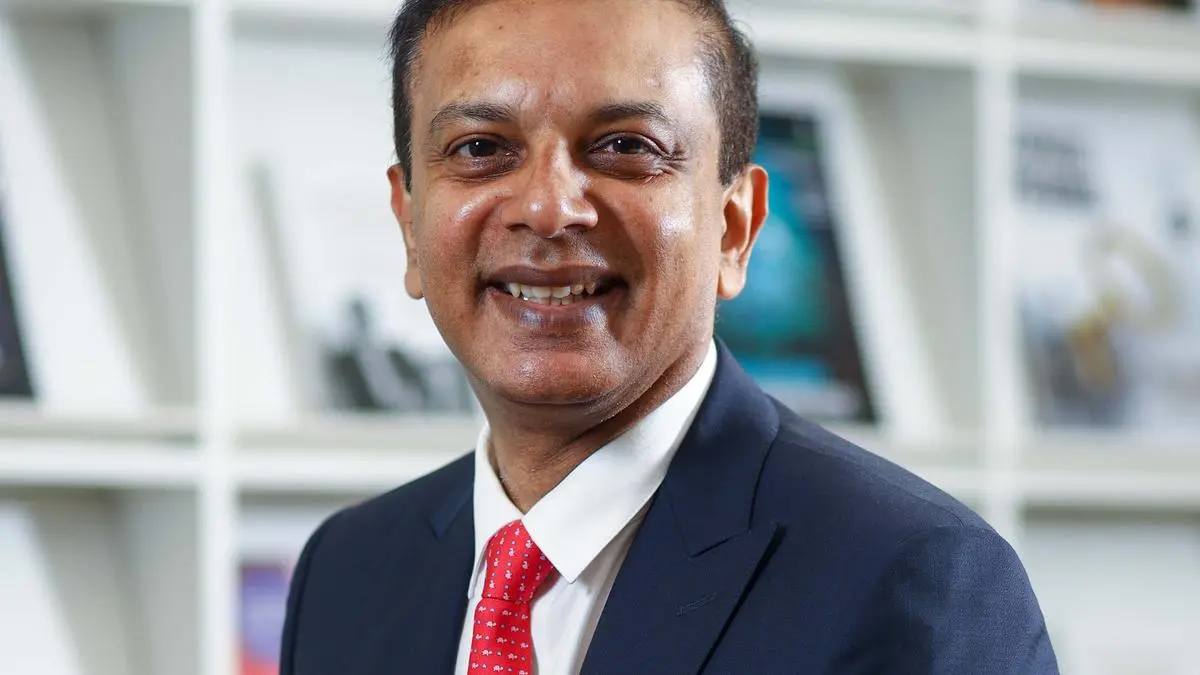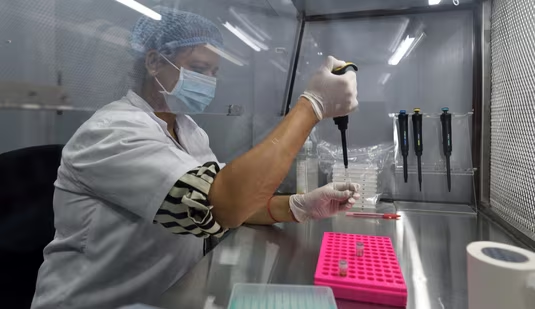
India’s draft National Health Research Policy, which was released for public comment in July, has notable strengths.India produces only about 1.5 medical science PhDs per million people each year, very low for a country aspiring to scientific leadership. ( HT Archive)First, the policy draft directly confronts administrative barriers, many of which lie within the department of health research’s authority to address. Per the new policy, funding agencies would be required to publish turnaround times from application to project closure. Unspent funds could be carried across financial years. A single ethics review would be permitted for multi-site studies so that the same protocol need not be approved multiple times.Even if the policy achieved only these reforms and nothing else, it would represent substantial progress over the current situation.Second, the draft proposes a fundamental rethink of how research should be evaluated. The proposed Indian Council of Medical Research (ICMR) Impact of Research and Innovation Scale extends assessment beyond publications and citations to include clinical translation, policy influence, indigenous technology, mentorship and community benefit. The current heavy emphasis on publication counts has tended to favour smaller, often descriptive studies over research with greater translational potential.Third, the draft proposes treating public-funded research infrastructure as national assets accessible to researchers beyond the institutions that house them. This welcome step has been a major driver of research in other settings, but how this will be implemented in India remains to be seen. Organisations such as the Centre for Cellular and Molecular Platforms (C-CAMP) in Bengaluru already provide a successful model for shared scientific infrastructure.Fourth, the draft recognises that data are now a core component of research infrastructure. It proposes strengthening disease registries and biobanks while promoting secure sharing of health data across institutions. If implemented well, these investments could lower the cost and increase the quality of health research long after individual projects have ended.Fifth, the policy seeks to broaden where research is conducted. Rather than concentrating capacity within a handful of premier institutes, it envisages medical colleges and district hospitals becoming active participants in multicentre research networks.Sixth, the draft presents health research as an opportunity to establish India as a leader in clinical research and affordable medical technologies relevant to low- and middle-income countries. That ambition is well-aligned with India’s growing scientific capabilities but will require policies and frameworks that enable data access.Finally, the policy addresses India’s research workforce. India produces only about 1.5 medical science PhDs per million people each year, remarkably low for a country aspiring to scientific leadership. The draft proposes expanding MD-PhD programmes, creating clinician-scientist career pathways, establishing dedicated research posts within medical colleges, and supporting women and researchers returning from career breaks or from overseas. These are sensible reforms, but tripling PhD density by 2037 is unlikely without a corresponding increase in funding.These are worthwhile reforms. The question is whether this policy can achieve what its predecessors, the earlier National Health Research Policy, first released in 2007 and revised in 2011, could not.Once the new language around One Health, Artificial Intelligence and digital infrastructure is set aside, much of the underlying diagnosis is familiar. Earlier policy documents also pointed out that research is scattered across ministries, capacity is locked in a few institutions, medical colleges barely publish, and evidence rarely reaches policy. The proposed solutions have changed little. The 2007 policy also called for faster release of research grants and reduced bureaucracy. The ideas around mission-mode projects, a standing fund for outbreaks, and research made compulsory in medical colleges have all been proposed before.Even on funding, the idea of allocating 2% of the public health budget to research has been advocated. Yet, nearly two decades later, total health research investment is only 0.024% of GDP. The new policy proposes increasing this to 0.072% by 2037 and 0.15% by 2047. A six-fold increase over two decades sounds ambitious, but even if this is achieved, India’s investment would still be modest by international standards and unlikely to support the research ecosystem expected of the world’s most populous nation.The current draft promises that public investment “shall rise progressively and predictably”, yet it also acknowledges that the department of health research cannot direct the budgets of the department of biotechnology, the department of science and technology, CSIR or the Anusandhan National Research Foundation, all of which finance health research. The policy sets national spending targets without identifying the institutional mechanism that would ensure they are achieved.To bridge the funding gap, the policy proposes to rely on private and philanthropic funding. The instruments — advance market commitments, challenge prizes, CSR funding and public-private partnerships — are sensible, but none is new. The draft would be stronger if it explained why mechanisms that have yielded limited results in the past are likely to succeed now.The current draft is stronger on implementation steps, but is that enough to make a difference this time?Publishing turnaround times for research proposals is a welcome step, but accountability should extend much further. A possible remedy would be to constitute an external body to hold the policy to account. Not the usual assembly of institutional heads, but a mix of scientists, public voices, and working researchers drawn from the bench rather than institutional leadership only, charged with publishing an annual assessment of how far implementation has matched intent.If the department of health research is willing to be judged each year against what it has promised, there is reason to hope this policy can revive India’s health research. Without that seriousness of accountability, and a firm financial commitment from the finance ministry, it will join the long line of government policy documents that were filed and forgotten.Ramanan Laxminarayan is president, One Health Trust. The views expressed are personal
Old wine, but this time it promises potency
India’s new draft health policy has a stronger implementation pathway but needs to draw lessons on why earlier policies didn’t work.
945 words~4 min read