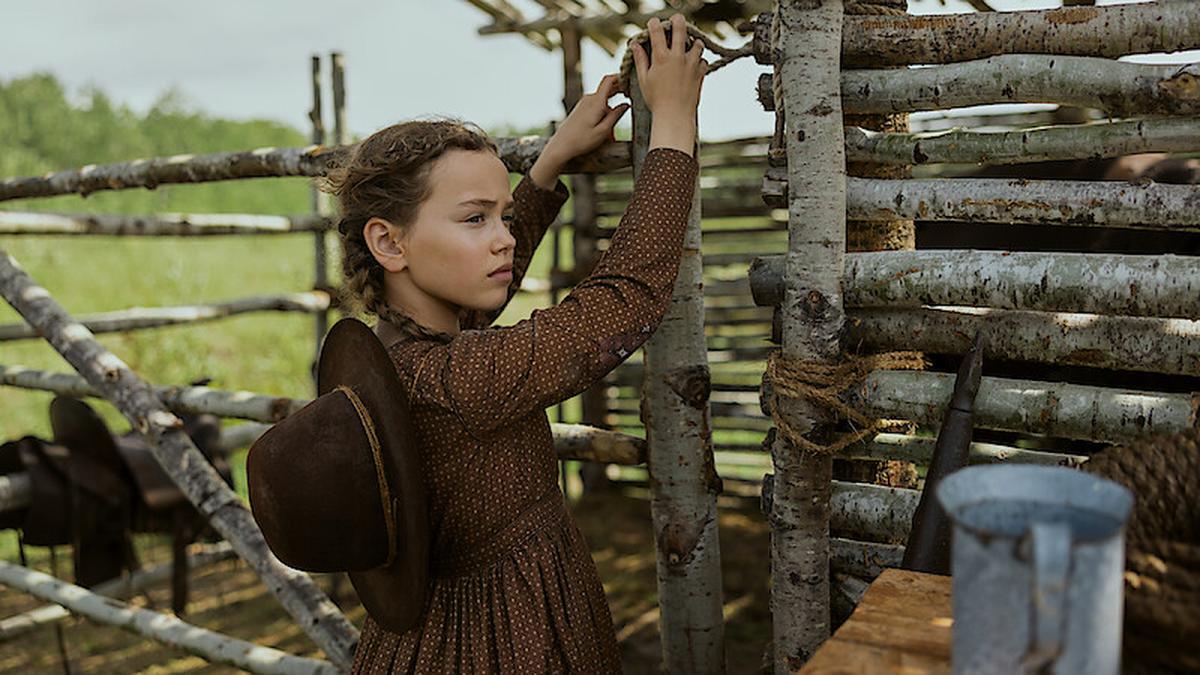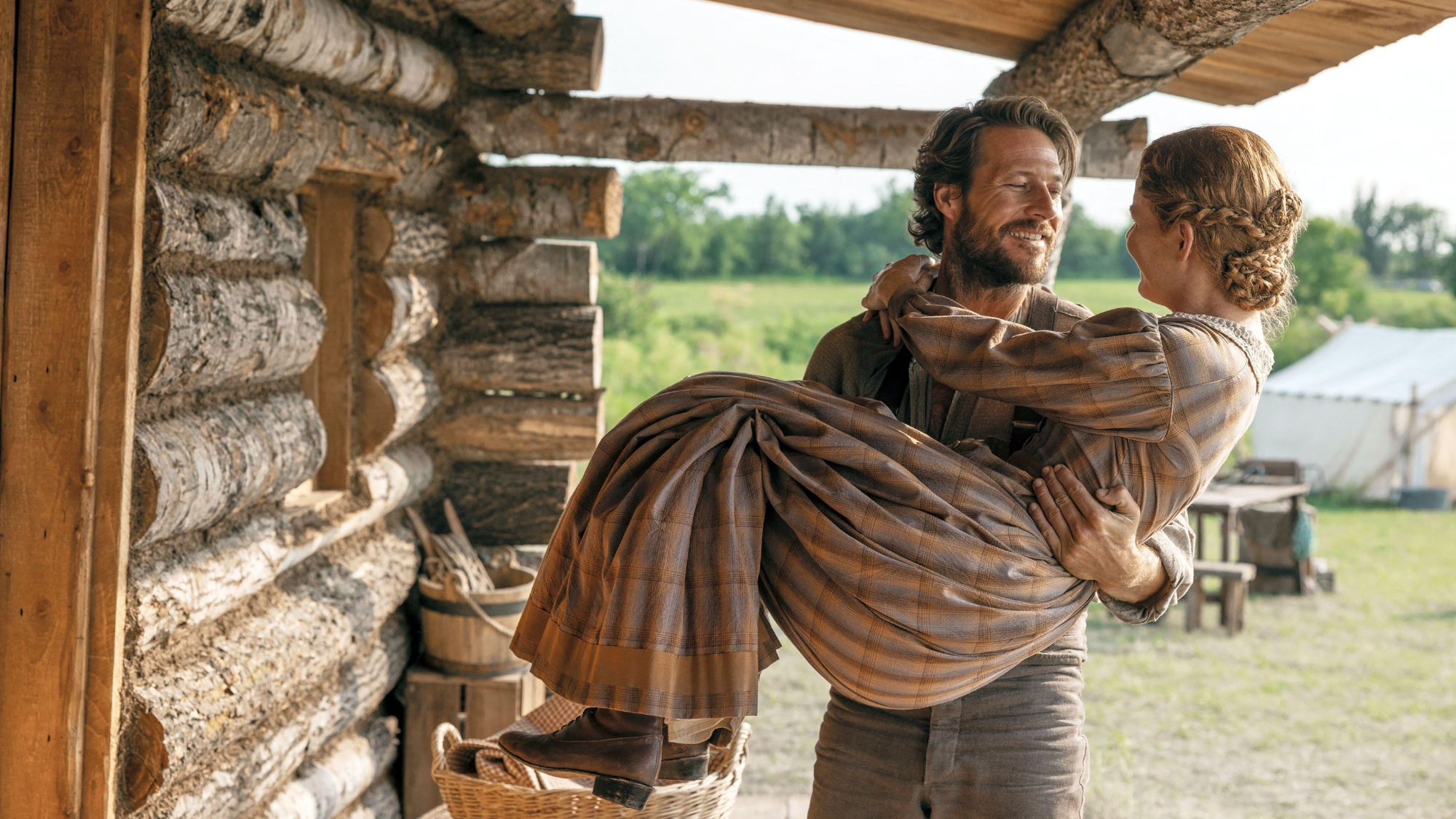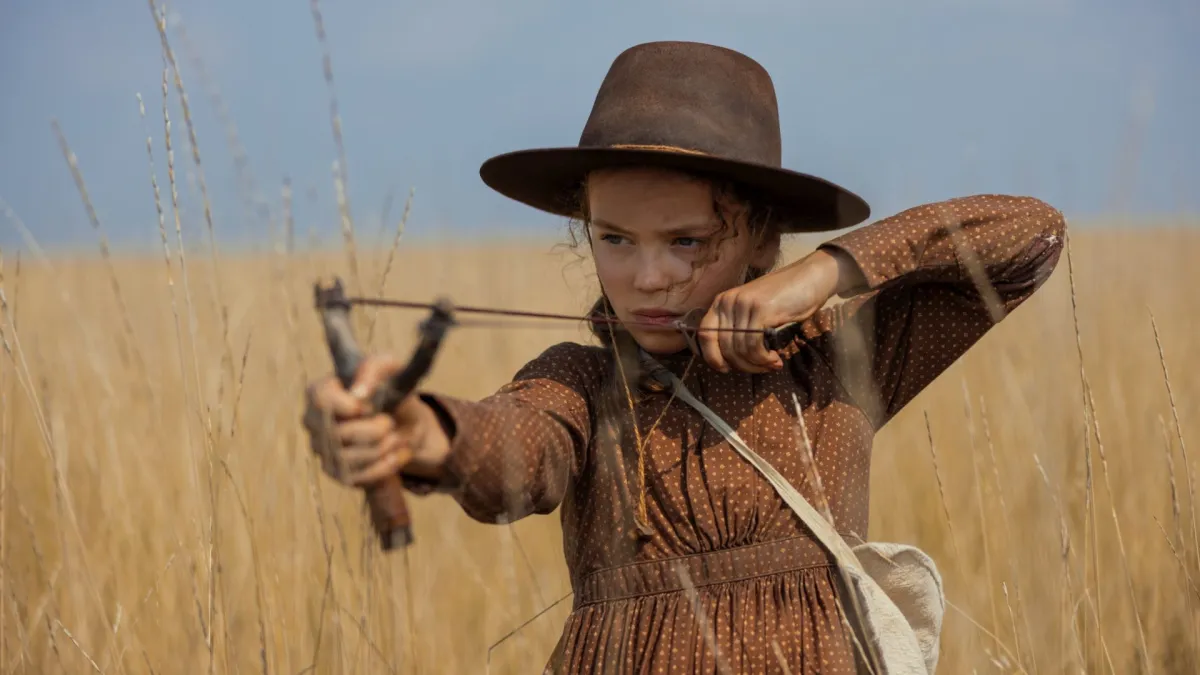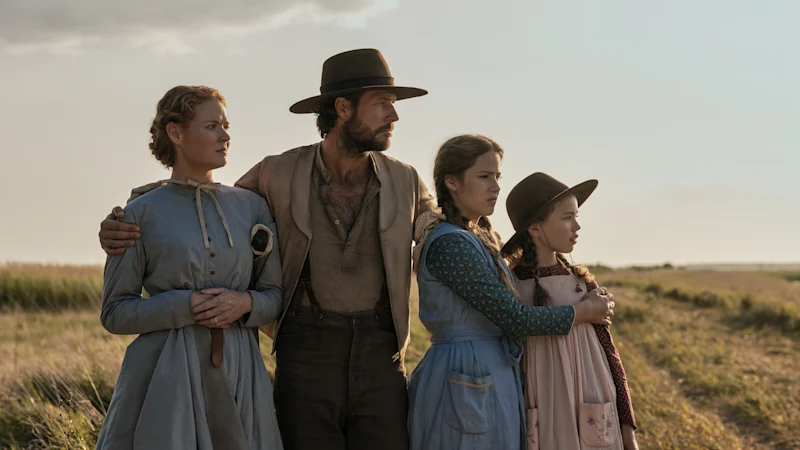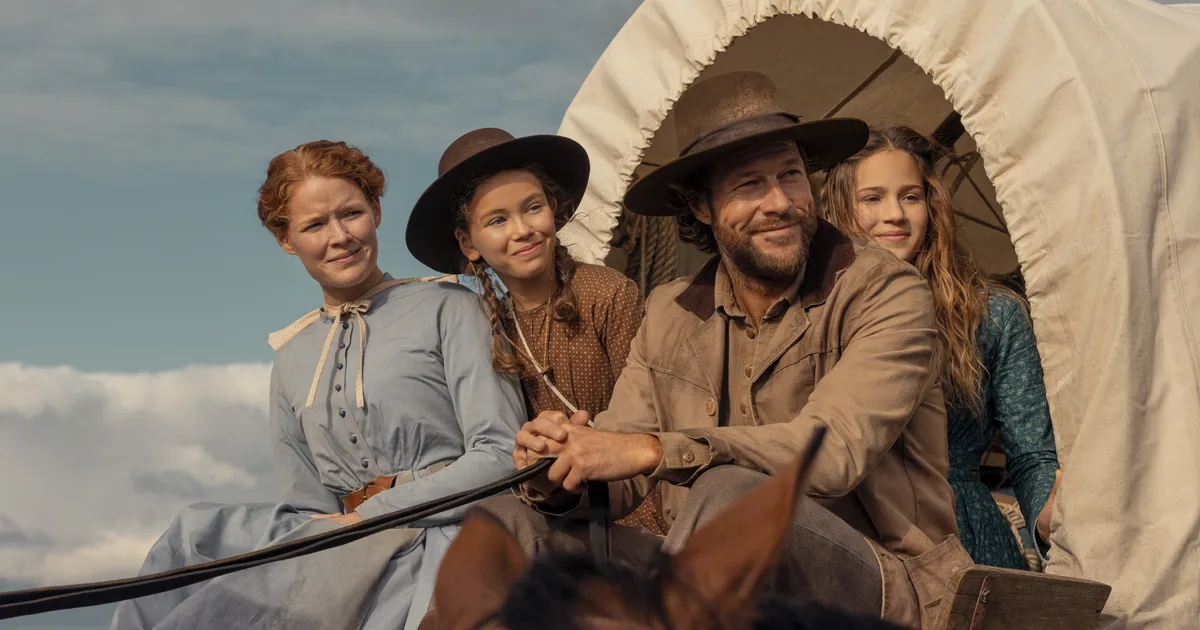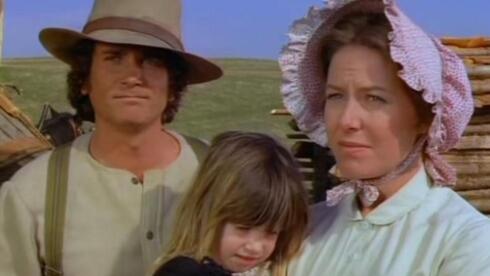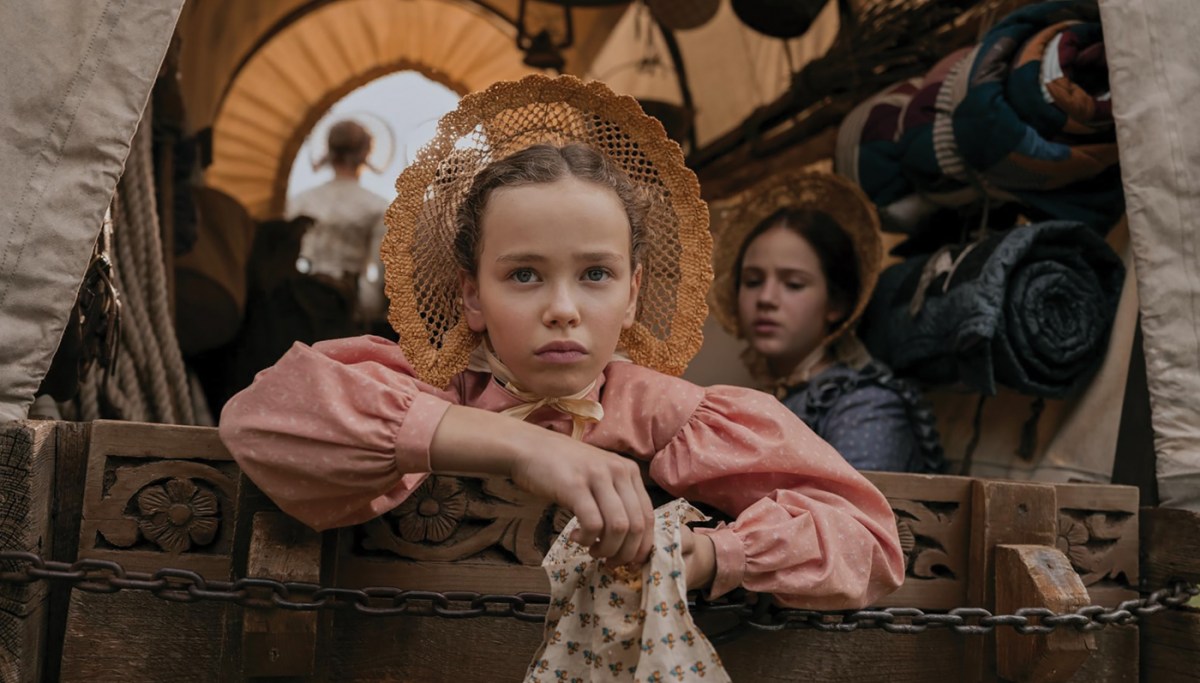
It turns out that conservatives’ direst fears about the new Little House on the Prairie remake — Ma is a sex worker! Pa is trans! — were overblown. Still, Netflix’s eight-episode production is strangely unreal, like a two-legged horse or a pitchfork with no tines. A sanded-down work of historical bowdlerization, the show reimagines Manifest Destiny as the westward spread of social justice. Worse, it’s boring. Watch if you must, but don’t expect any improvement on the Michael Landon original, to say nothing of Laura Ingalls Wilder’s books.The trouble starts in episode one, which sees the Ingalls family departing Wisconsin, not in search of wide-open spaces but to escape an extended-family quarrel. This is a neat bit of revisionism, substituting as it does a therapeutic narrative for Charles Ingalls’s (Luke Bracey) right-coded pioneer spirit. Indeed, individualism and the frontier creed get short shrift throughout the series, replaced as often as not by something like their opposite. “It is a myth that men can make it out here alone,” says George Tann (Jocko Sims), a kindly black doctor whom the family meets upon arriving in Kansas. “Isn’t that why we’re all here?” a neighboring homesteader scoffs. “To make a new America? Whatever that might be.” These deviations (or deviancies) might be less bothersome if the show got its leads right. It doesn’t. Though Bracey summons the same rugged gentleness that Landon once brought to the role of Pa, the words coming out of his mouth are too often a deconstructionist’s egalitarian fantasy. “I could say I’m your father and I know best,” Charles tells his oldest daughter, Mary (Skywalker Hughes), “but I’m not sure that’s true anymore.” Caroline Ingalls (Crosby Fitzgerald), meanwhile, is even more greatly altered than her husband, transformed from a “canceled” Indian-hater and tradwife to a headstrong antiracist and proto-feminist.
Review of 'Little House on the Prairie' remake
Individualism and the frontier creed get short shrift throughout the series, replaced as often as not by something like their opposite.
982 words~4 min read