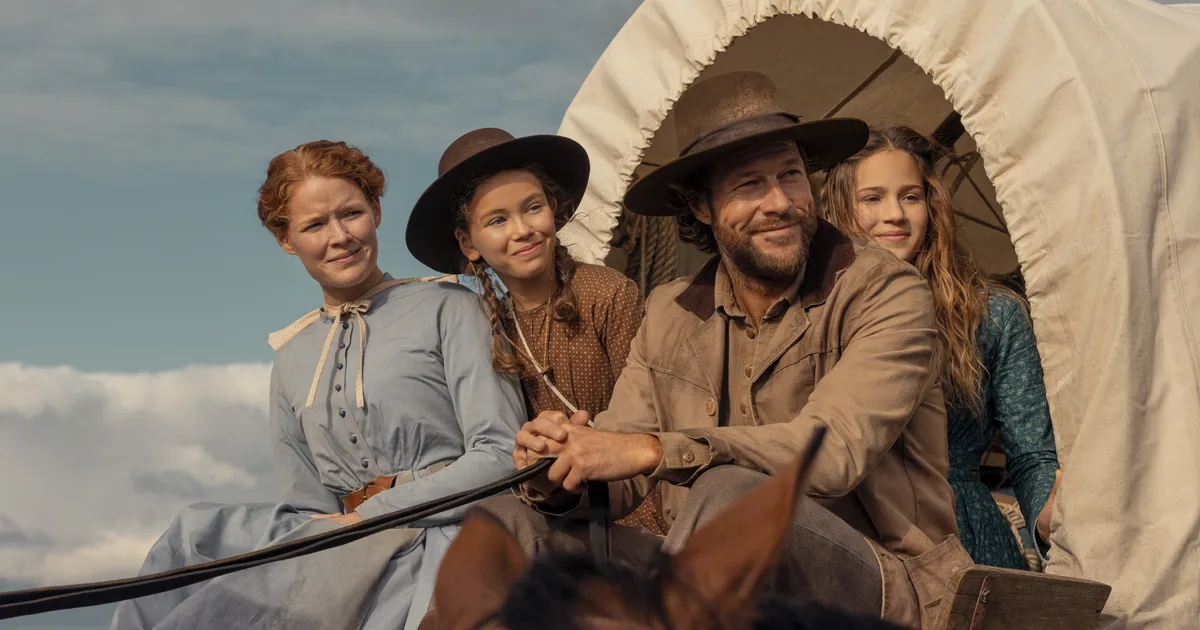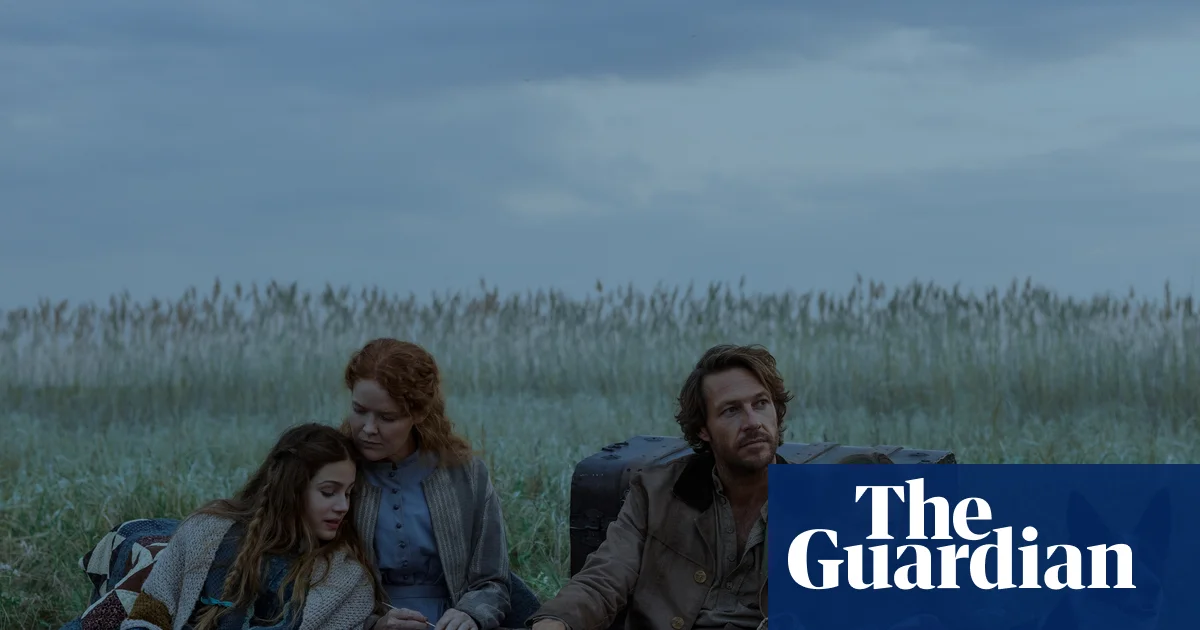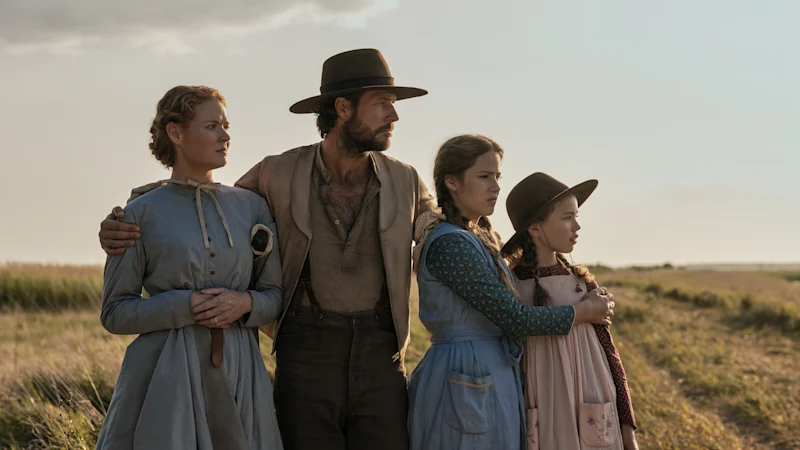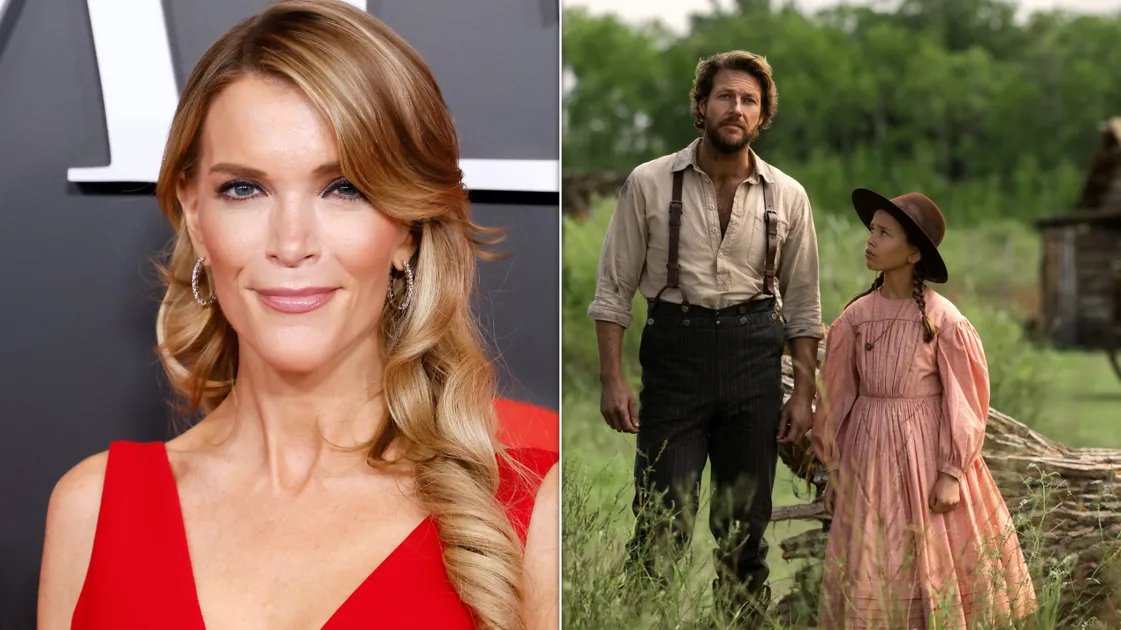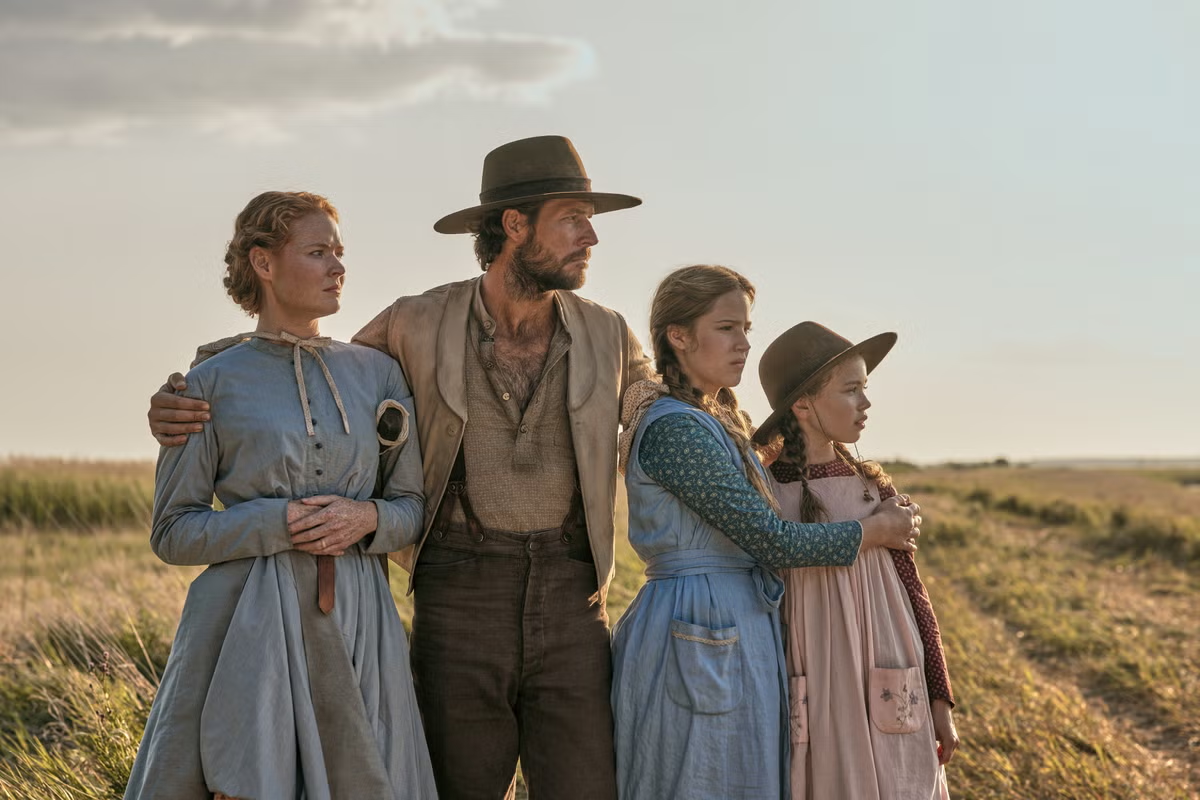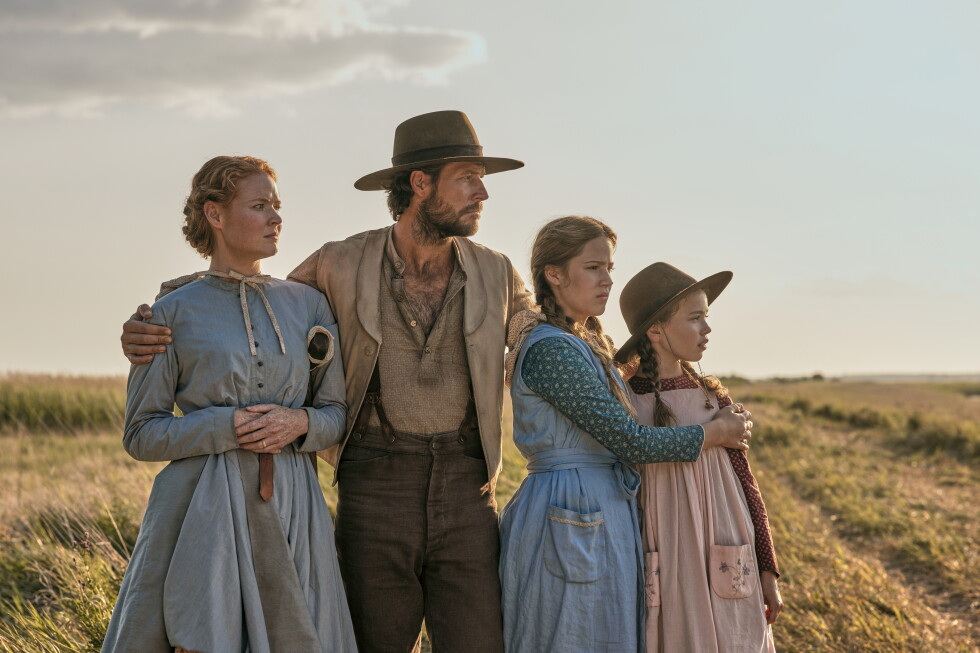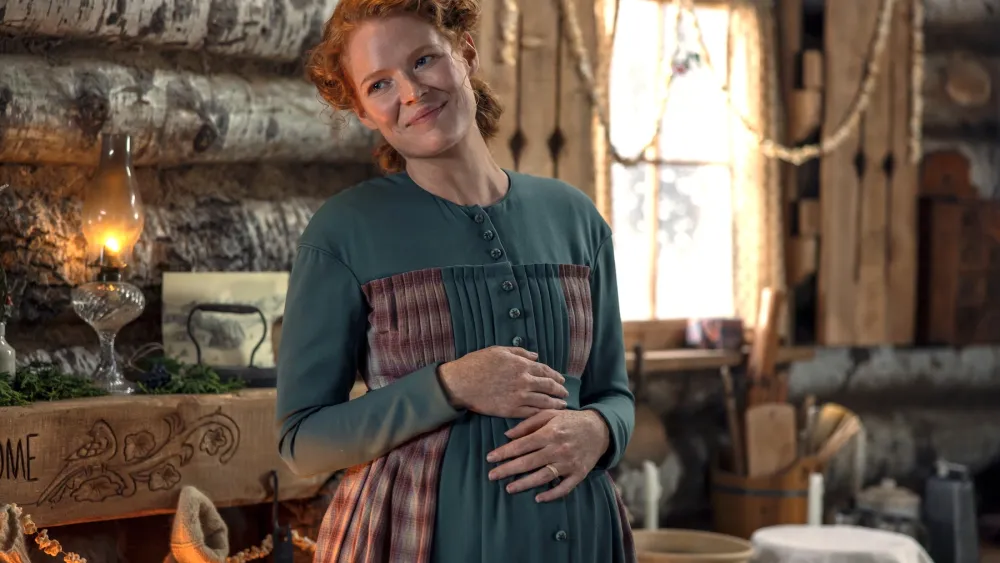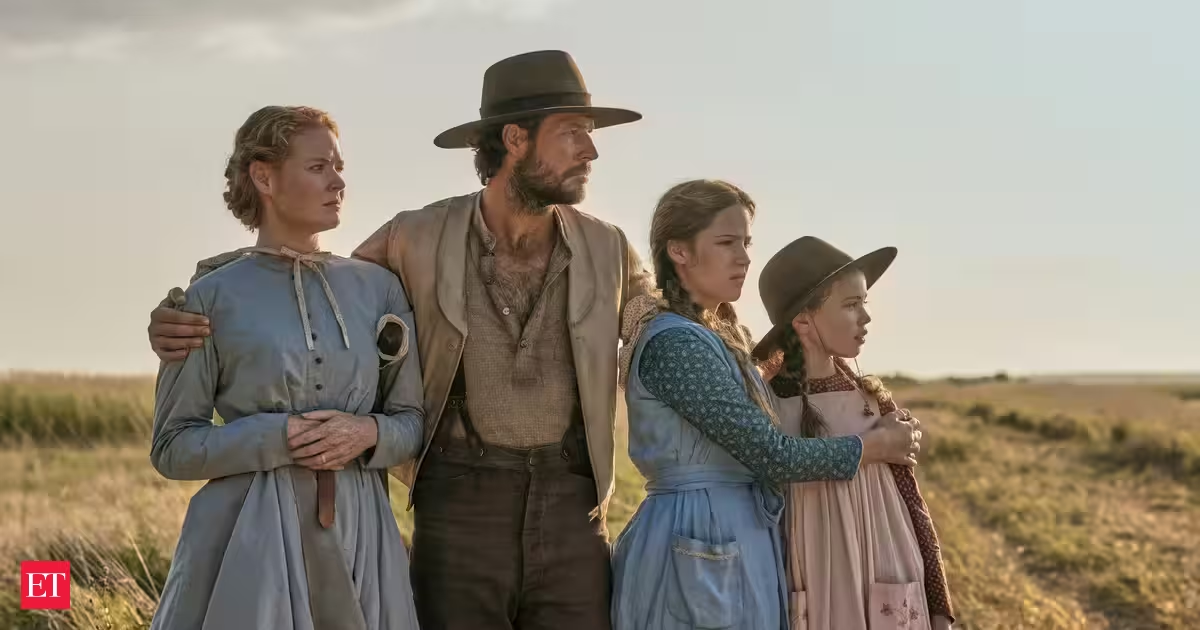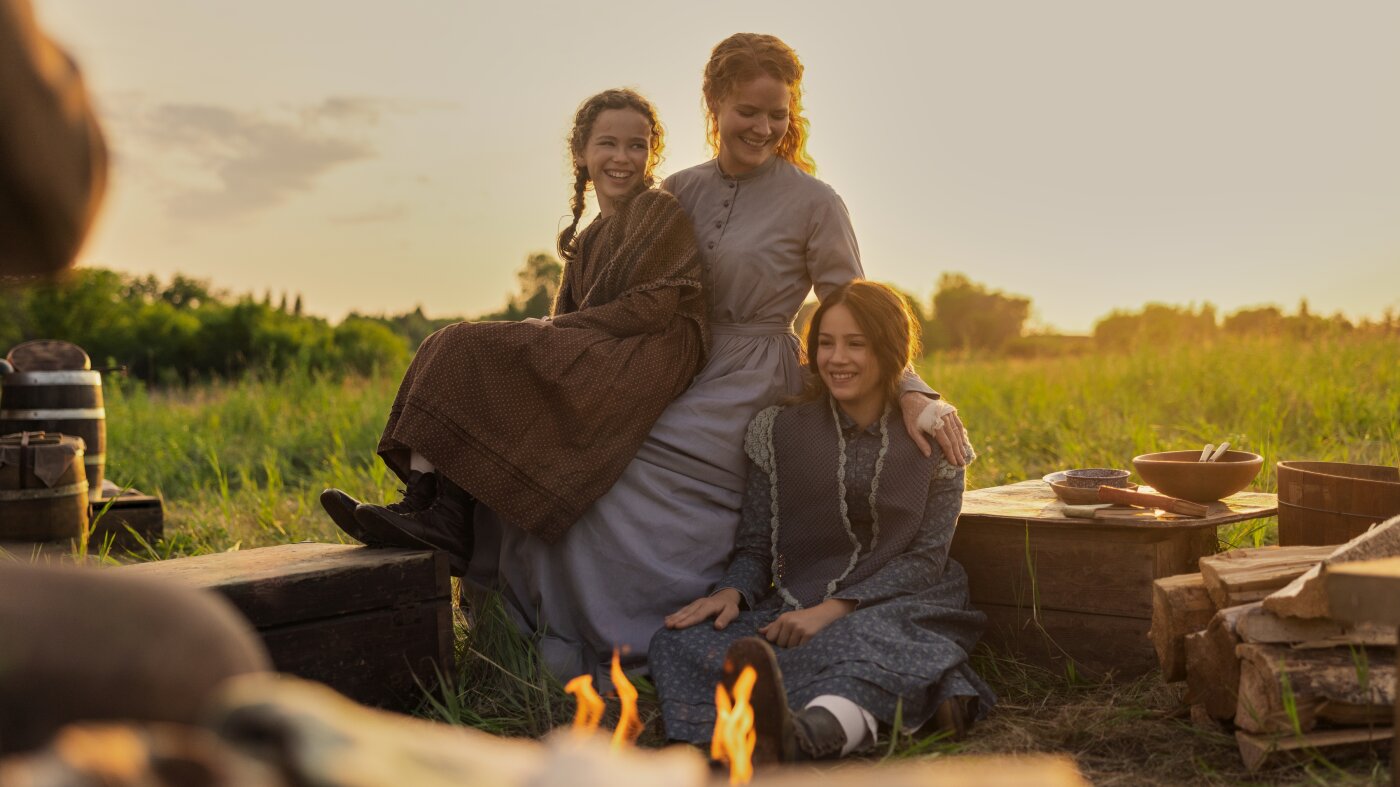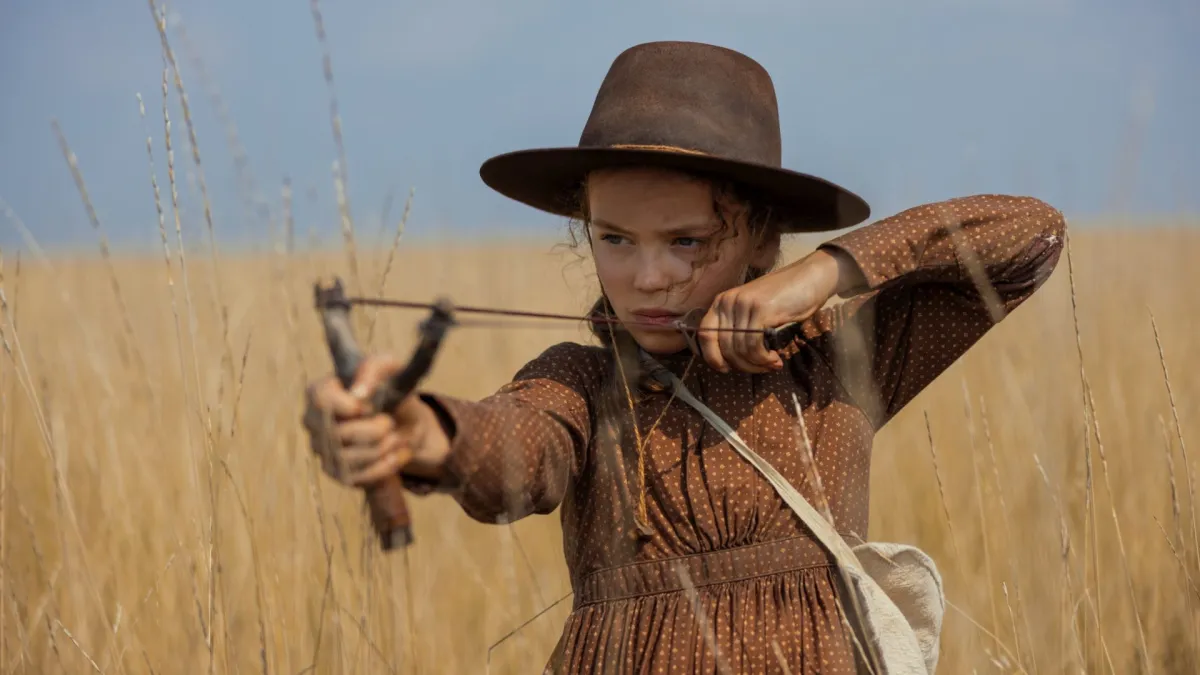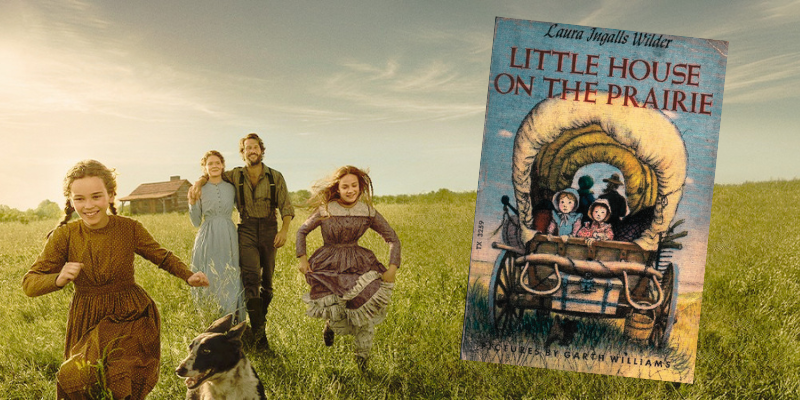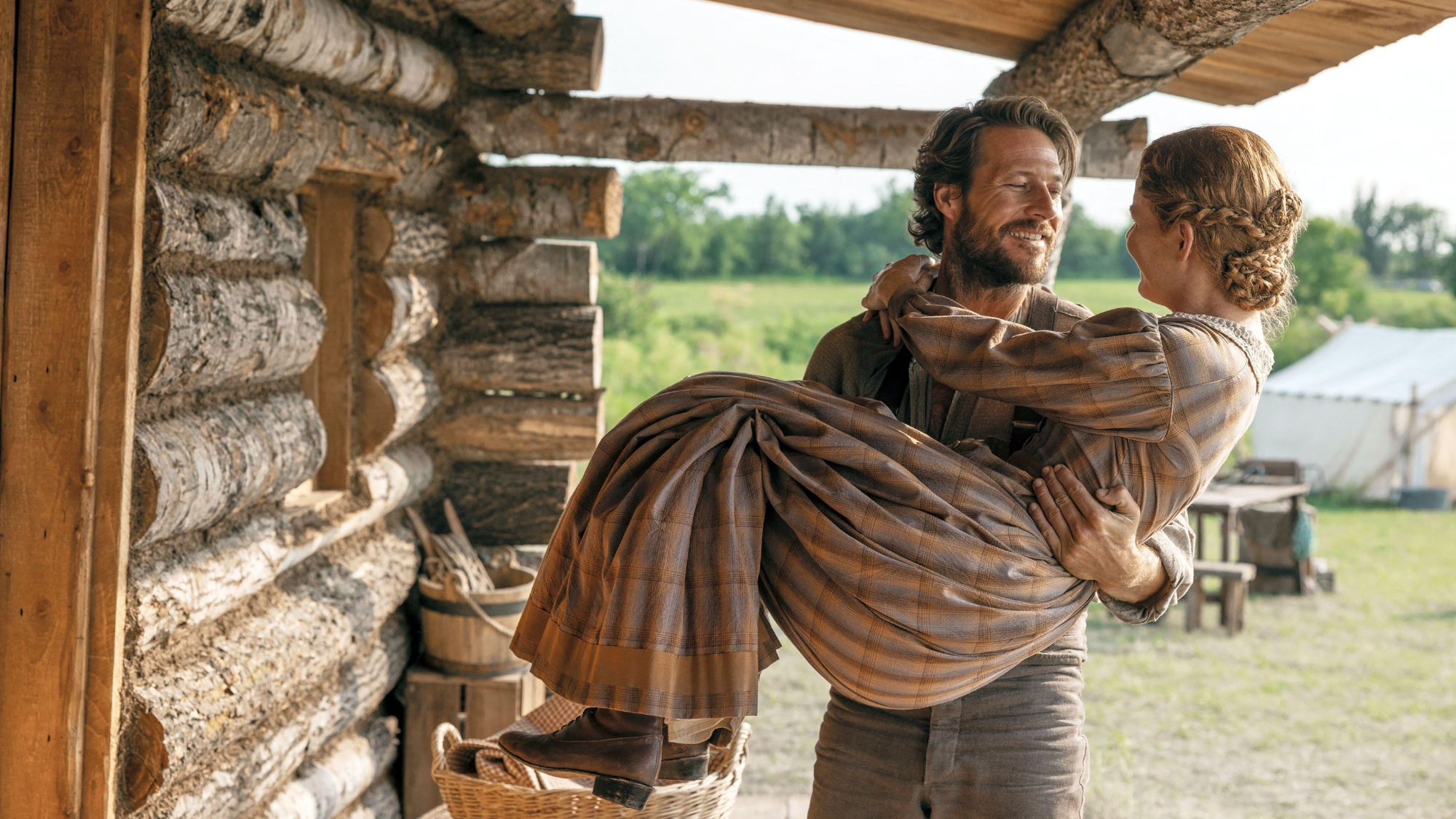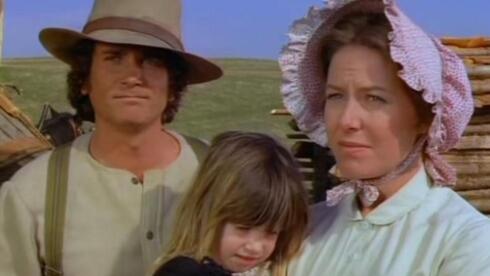
Fifty years after becoming a beloved classic, 'Little House on the Prairie' is returning in a new Netflix version and has already become a front in America’s culture wars, exposing nostalgia for a country that no longer existsOn the day Netflix announced a new version of the 1970s classic “Little House on the Prairie,” conservative influencer Megyn Kelly tweeted: “Netflix, if you woke-ify 'Little House on the Prairie' I will make it my singular mission to absolutely ruin your project.” Melissa Gilbert, who played Laura Ingalls in the American series that became beloved worldwide, responded: “Watch the original again. We tackled: racism, addiction, nativism, antisemitism, misogyny, rape, spousal abuse and every other 'woke' topic you can think of.”Gilbert, of course, is right, and the only reasonable explanation for Kelly’s angry outburst — attaching the word “woke” to every other sentence is her business model — is that she was probably too young when she watched “Little House on the Prairie.”That brief clash between a popular conservative with a massive platform and an actress who starred in the series is a symptom of the political and social climate as the United States marks its 250th birthday: A remake that no one has yet seen of a television series has already become another battle in America’s exhausting, endless culture war. And it is happening to a show whose original version was seen as entirely apolitical and was loved by Americans across the spectrum. It still is. In 2024, “Little House on the Prairie” drew 13.3 billion streaming minutes on Peacock, making it, 50 years after its debut, one of the most-watched streaming shows in the United States.The values “Little House on the Prairie” celebrated — fairness, integrity, generosity, love of humanity, good neighborliness, community — were then completely apolitical. They were an American aspiration. All Americans felt that “Little House on the Prairie” spoke to them. But now there is no longer a collective American aspiration, only two camps that cannot stand each other, each convinced that it represents the real America. Against that backdrop, the much-discussed reboot will premiere on Netflix on July 9, and the only thing that can be said with certainty is that it will trigger ugly internet wars.The 1970s brought a fantastic and very noisy creative burst to American television. Everyone found something. There were police dramas, including “Kojak,” “Columbo,” “Hawaii Five-O” and “Starsky & Hutch.” There were groundbreaking sitcoms that no one would approve for production today, including “MAS*H,” “All in the Family” and “The Jeffersons.” There were Steve Austin and “Charlie’s Angels,” unprecedented mega-productions such as “Roots” and “Dallas,” and the birth of “Saturday Night Live.”Amid all that chaos, a producer named Ed Friendly decided to bet on a historical family drama based on a popular series of children’s books. After a successful two-hour pilot aired in March 1974, “Little House on the Prairie” received the green light from NBC executives, who surely could not have imagined what would follow. In six of its nine seasons, it was one of the most-watched television programs in the United States and broke through globally, including what was probably 100% viewership and empty streets during its broadcast in Israel.Not only was the series enormously popular, it was also critically respected. It received 17 Emmy nominations, and composer David Rose, who created its unforgettable opening theme, won twice. The two episodes centered on Mary Ingalls’ loss of sight were ranked No. 97 in 2009 on TV Guide’s list of the 100 greatest episodes of all time.GalleryThey never imagined its enormous success; 'Little House on the Prairie' (Photo: Screenshot from the series)Laura Ingalls was born in Wisconsin in 1867, the second daughter of Charles and Caroline. Her older sister was Mary, followed by Carrie, Charles Jr., who died at 9 months, and Grace. The family moved from place to place across the American Midwest in the country’s early years. Laura began teaching at 16 and married Almanzo Wilder when she was 18. By 1894, the Wilder family had a successful farm based on dairy, poultry and fruit. Laura became a familiar face in agricultural organizations and began speaking before audiences.In 1911, the Missouri Ruralist offered Wilder a column that was something like a Carrie Bradshaw version of “what a farm woman thinks.” From there, Wilder grew into an author who published eight books in the series known as “Little House.” One of them, published in 1935, was titled “Little House on the Prairie.” There are about 20 additional books made up of collections of her diaries, columns, articles and letters.After Wilder’s death in 1957, control of her estate passed to a lawyer named Roger MacBride, whom Ed Friendly approached to buy the rights. Friendly was a successful producer and senior NBC executive, and he turned to actor and director Michael Landon, who had just completed 14 seasons on the massive cultural phenomenon “Bonanza.” Friendly wanted Landon to direct, but Landon also wanted to play Charles Ingalls. They shook hands and went to work.Michael Landon removed from the television version the abundance of racism toward Black people and Native Americans that ran through the books; from 'Little House on the Prairie' (Photo: Michael Ochs Archives/Getty Images)Over 204 episodes and three follow-up films, the Ingalls family struggled to survive in the rural community of Walnut Grove, Minnesota, in the 1870s. Quite quickly, the series moved away from Wilder’s books, which were highly political and preached libertarianism and an anti-government approach. Wilder’s daughter, Rose Wilder Lane, was a close friend of Ayn Rand. Michael Landon removed from the television version the abundance of racism toward Black people and Native Americans that ran through the books. Landon, a lifelong Republican, was the one who made “Little House on the Prairie” woke, in an era when no one really thought of it that way.The pilot episode aired a month after President Richard Nixon’s resignation, and like many great American television series, “Little House on the Prairie” reflected its time: The honesty and integrity of the Ingalls family merged with America’s desire to leave behind an era of corruption and deceit. At least then, the nation wanted that.“Little House on the Prairie” challenged the libertarian worldview of Wilder’s books from its very first episode. After Charles, known far better to viewers as Pa, strikes a deal to buy a plow and seeds, he is badly injured by a falling tree while trying to save Laura and Mary’s kite. He cannot work, and therefore cannot pay for the plow. The seller refuses to hear of delaying payment, so the residents of Walnut Grove step in to do the work for him. The message that people need community runs through every season.From 'Little House on the Prairie' (Photo: Courtesy of Netflix)In another episode, a federal agent pursues a Native American man who is the last of his tribe. When a snowstorm traps the agent and the Native American man together with the Ingalls family, Pa tells the agent that men like him had stripped the man of nearly everything — his freedom, his land and almost his life — and says the apology should be directed to the man himself. The agent apologizes. That is not only a sharp departure from the books; it is a scene that, if it appears in Netflix’s new version, will drive Megyn Kelly out of her mind.There were many other moments in which the Ingalls family, itself struggling to survive, still understood that their situation was better than that of nonwhite people on the margins of society. In those days, very few people would have seen that as an attack on America or allowed it to affect their decision on whom to vote for.Even more than political polarization, “Little House on the Prairie” shows how much the United States has changed in its attitude toward religion. The version of Christianity presented by the Ingalls family was welcoming and tolerant of other faiths and entirely apolitical. And yet, “Little House on the Prairie” never sparked mass controversy. Liberals and conservatives watched it. Matters of faith were then considered too sacred for anyone to turn them into dirty politics. Only toward the end of the 1970s and the beginning of the Reagan era did social conservatism become a central part of the Republican Party. By the time “Little House on the Prairie” ended in 1983, all the values it embodied had begun to disappear from American society.The Netflix reboot is led by Rebecca Sonnenshine, who worked on hard-edged series such as “The Boys” and “The Vampire Diaries,” promising a completely different look. The production also includes Trip Friendly, the son of the original series’ producer, who said a 21st-century adaptation had long been a family dream. The survival struggles of the new Ingalls family will be much harsher and more violent, and in a decision that will surely alarm Megyn Kelly in particular, the new version will also present the story of the Osage Nation, the Native Americans who lived on the land before the arrival of white settlers.Australian actor Luke Bracey will try to step into Michael Landon’s mythic shoes as Pa, Charles Ingalls. Crosby Fitzgerald plays Ma, Caroline Ingalls; Alice Halsey plays Laura Ingalls; and Skywalker Hughes plays Mary Ingalls. The series was promised a second season even before the first premiered.For almost all the central cast members of the original series, “Little House on the Prairie” was not only their only hit but also their only major role. Michael Landon, the one established star, died in 1991 after a public battle with cancer. He was 54.Karen Grassle, who played mother Caroline, known as Ma, is now 84. After the series, she returned to theater and in 2021 published an autobiography in which she described her battles with Michael Landon over pay gaps. Melissa Gilbert, who played Laura Ingalls, did have a fairly long career and even served as president of the Screen Actors Guild, but today she mainly runs a lifestyle brand called Modern Prairie. She is married to actor Timothy Busfield, who was accused this year of serious sexual abuse offenses involving minors, and the couple lives a secluded life in a not-so-little house in the prairies of upstate New York.From 'Little House on the Prairie' (Photo: FilmPublicityArchive/United Archives via Getty Images)Melissa Sue Anderson, 63, who played Mary Ingalls, tried to continue acting for a while after the series but eventually retired from the profession and disappeared from the map. Twins Lindsay and Sidney Greenbush, who played little Carrie Ingalls, are 56, and the series was their entire acting career. Alison Arngrim, 64, who played the wicked Nellie Oleson, built a career out of fully embracing the global hatred of Nellie. She still performs around the world with a stand-up show called “Confessions of a Prairie Bitch,” based on a book of the same name.Jonathan Gilbert, who played Willie Oleson and is Melissa Gilbert’s adopted brother in real life, left Hollywood immediately after the series ended and is now a successful Wall Street broker, about as far as possible from the little house on the prairie.
The America of 'Little House on the Prairie' is long gone, and now its reboot is a culture war battleground
Fifty years after becoming a beloved classic, 'Little House on the Prairie' is returning in a new Netflix version and has already become a front in America’s culture wars, exposing nostalgia for a country that no longer exists
1,846 words~8 min read