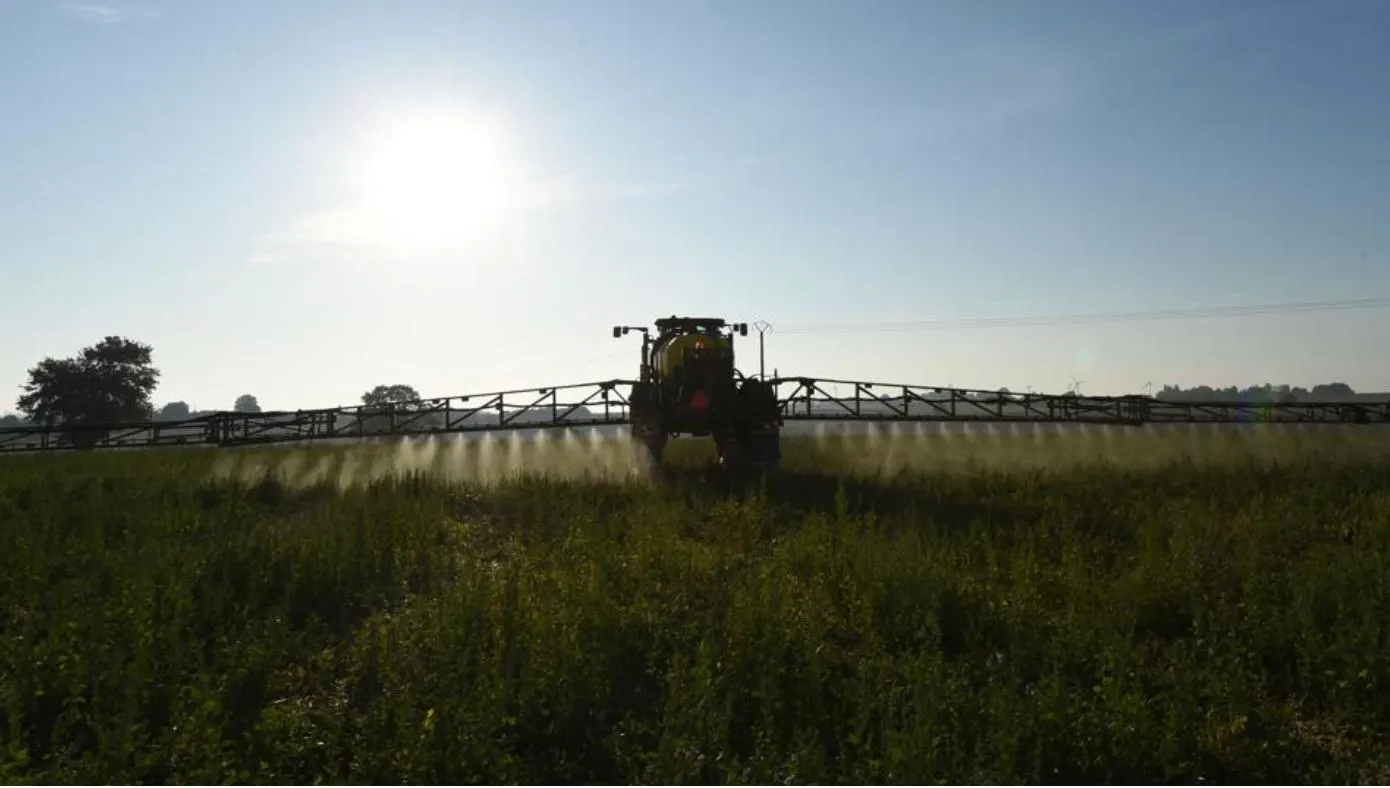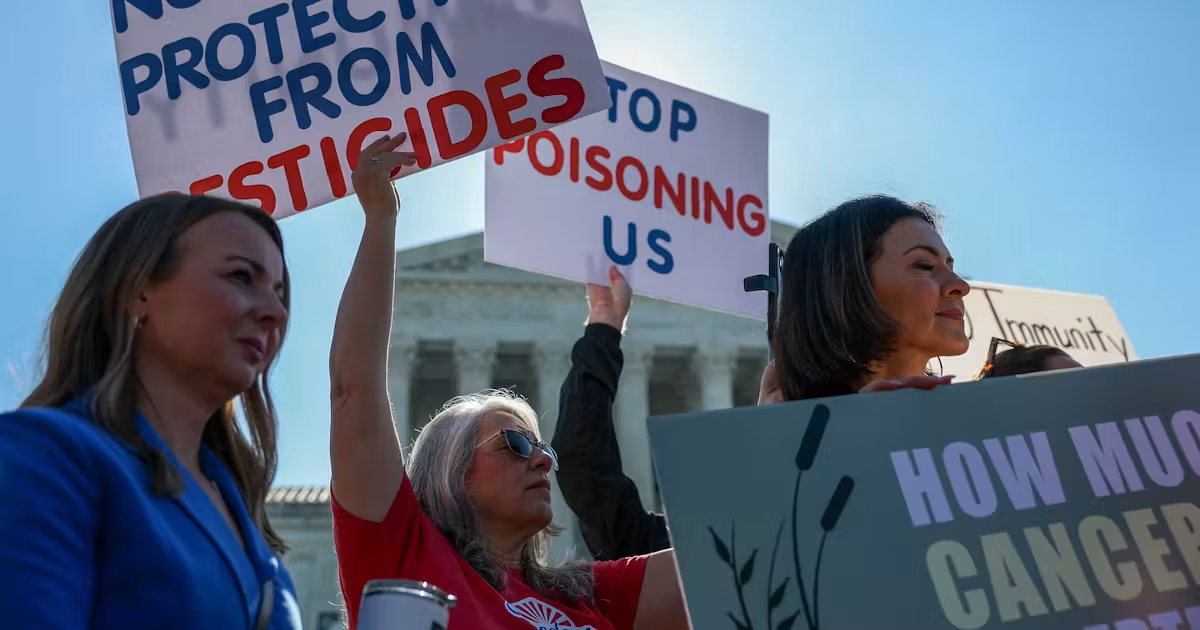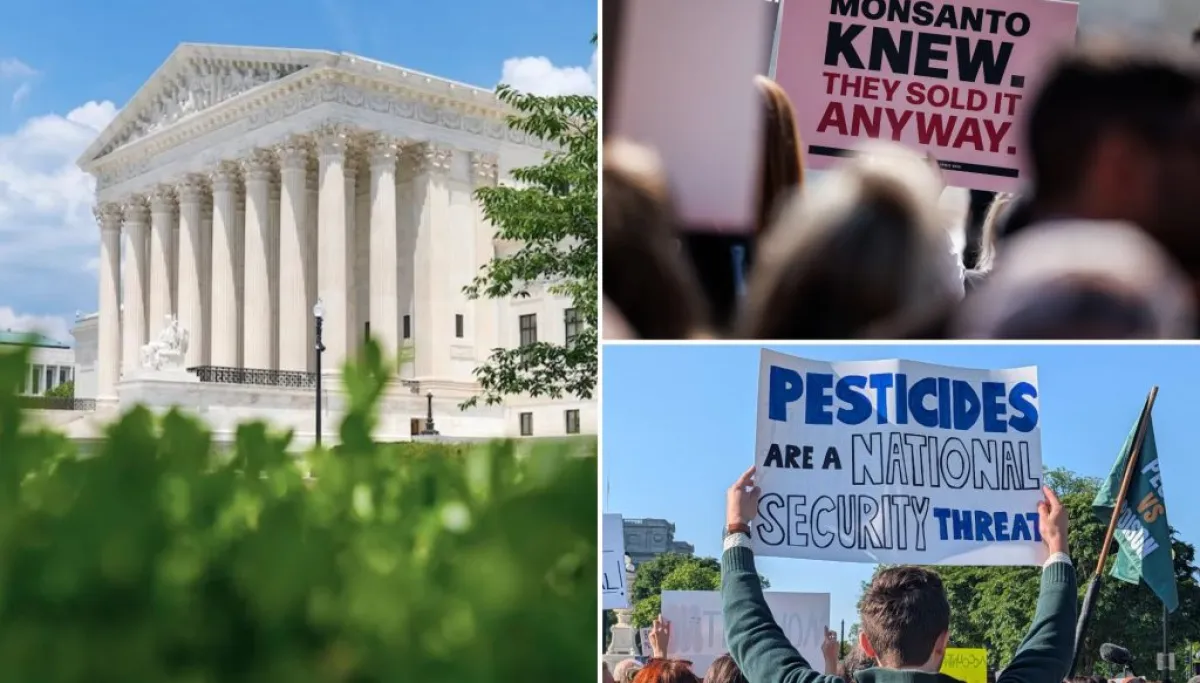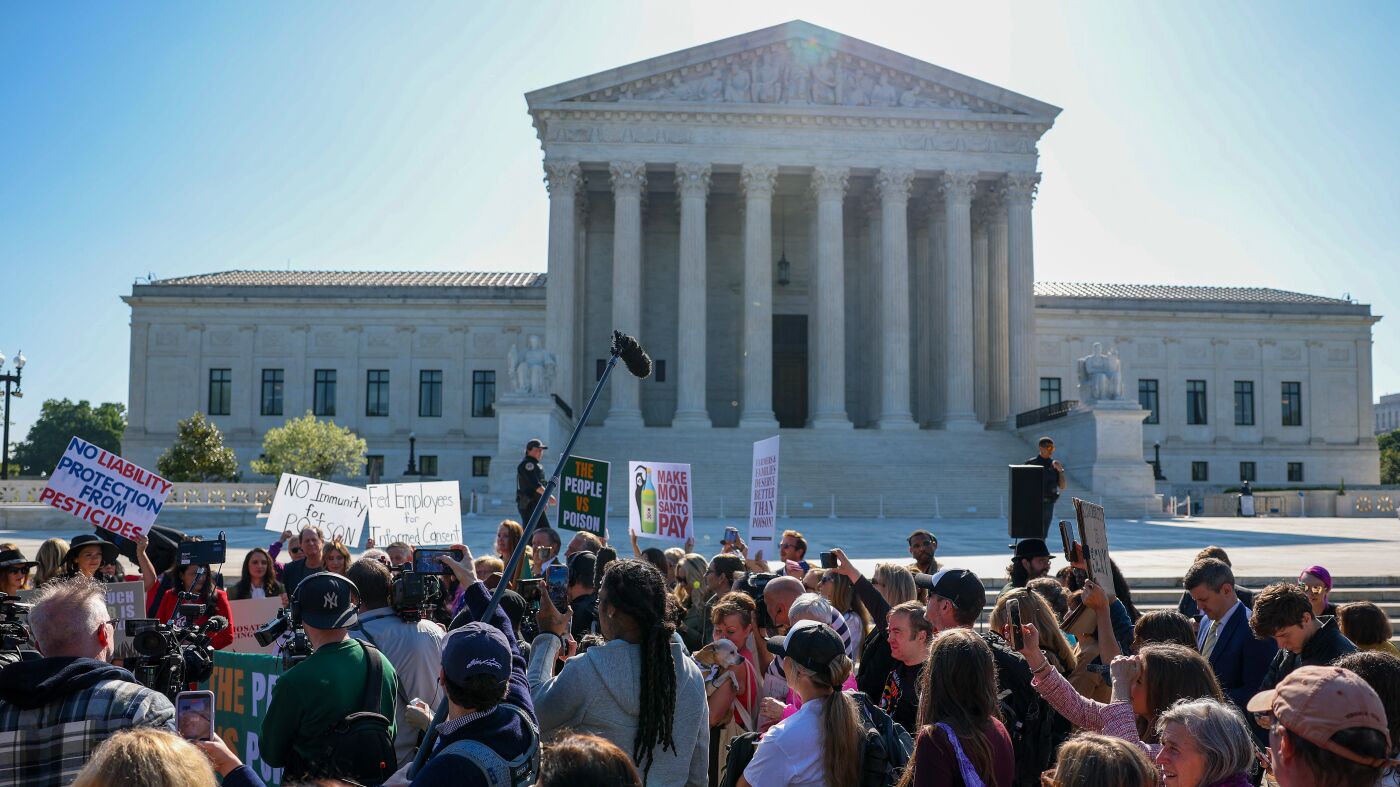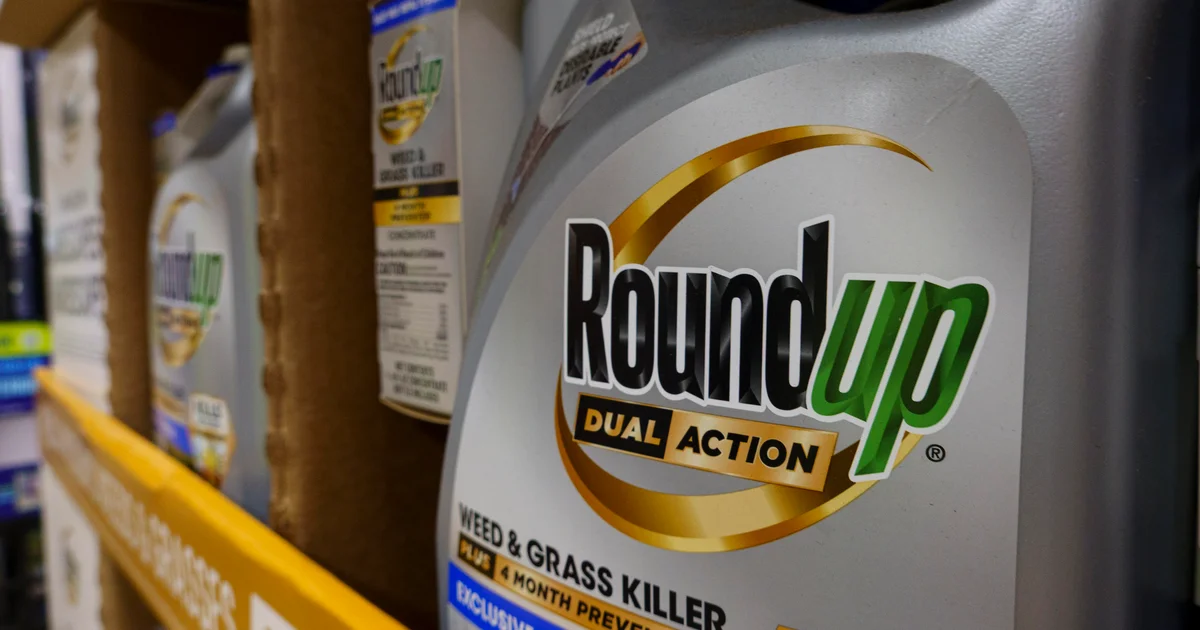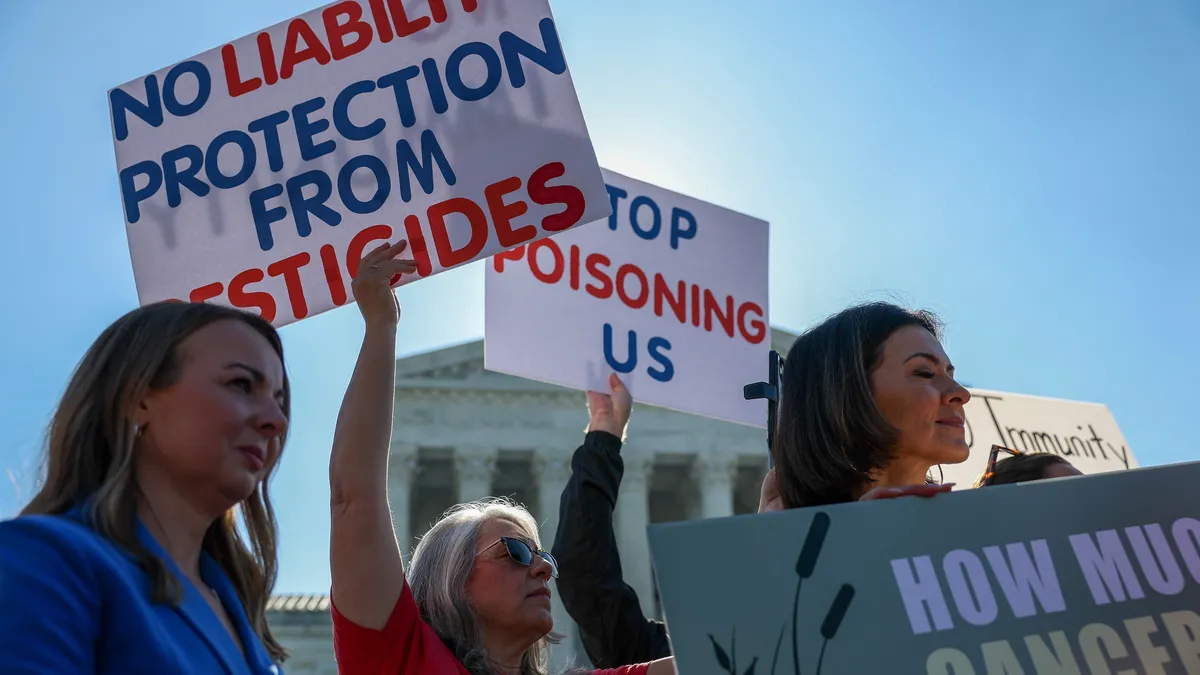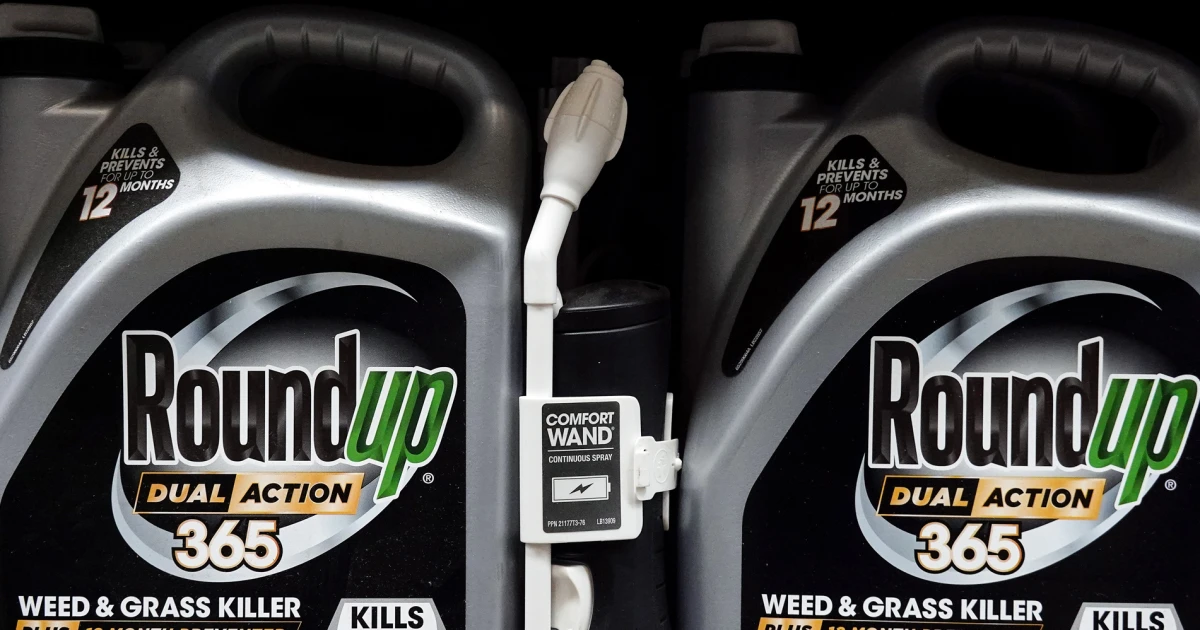
The case, Monsanto Company v. Durnell, concerned a dispute over cancer warning labels. John Durnell, a community gardener in St. Louis, was diagnosed with non-Hodgkin lymphoma after decades of using Roundup in his work. He sued Bayer, Monsanto’s parent company, for failing to disclose that glyphosate, the active ingredient in the weed killer, is likely a carcinogenic agent. The Environmental Protection Agency has found that glyphosate is unlikely to cause cancer, but the complainants in hundreds of thousands of “failure to warn” lawsuits, Durnell’s most prominent among them, have alleged otherwise, and Bayer has agreed to pay over $18 billion in settlements to date. A Missouri state court awarded Durnell a $1.25 million settlement in 2019.The Supreme Court reversed that decision in a 7-2 ruling. Writing for the majority, Justice Brett Kavanaugh said that because the EPA has not concluded that glyphosate is a carcinogen, federal regulation does not require Bayer to put a warning label on Roundup containers, and in fact prohibits it from doing so when those warnings would contradict the EPA’s judgment on its risks. Further, he held, the Federal Insecticide, Fungicide, and Rodenticide Act of 1972 preempts Durnell, or anyone else, from asking states to impose warning label requirements on herbicides. Justice Kentanji Brown Jackson dissented, joined by Justice Neil Gorsuch.
MAHA vs. Monsanto
The Supreme Court sided with the maker of Roundup in a case that has revealed limits of the MAHA movement’s support for the Trump administration.
2,049 words~9 min read