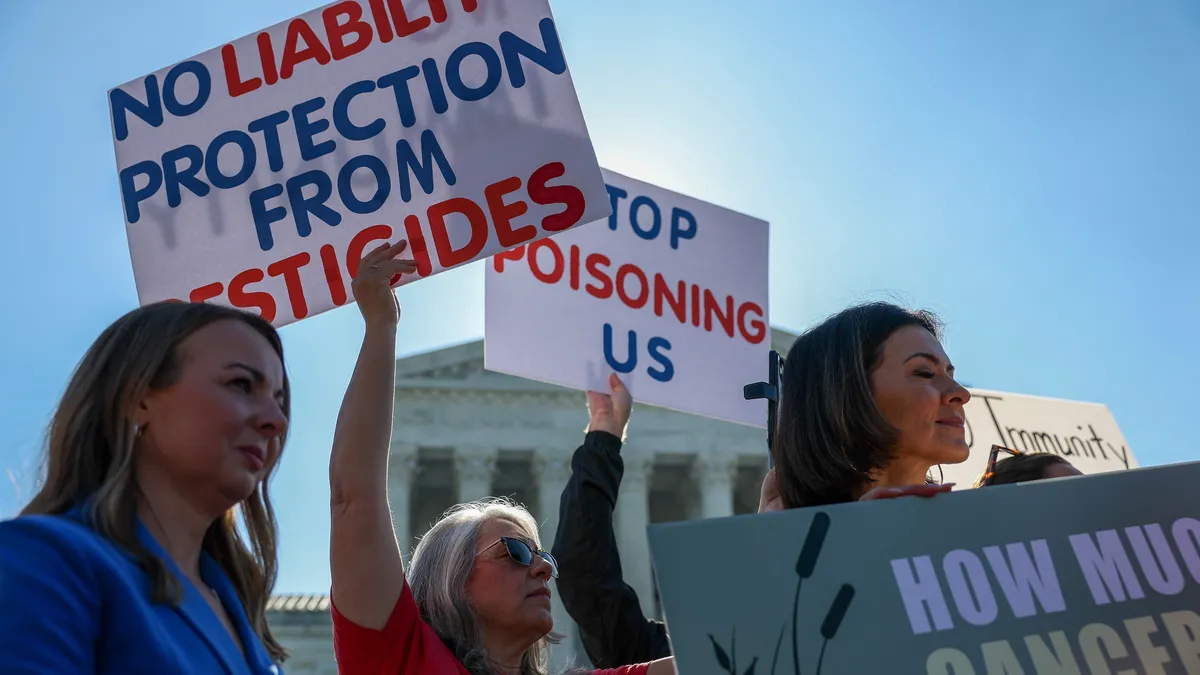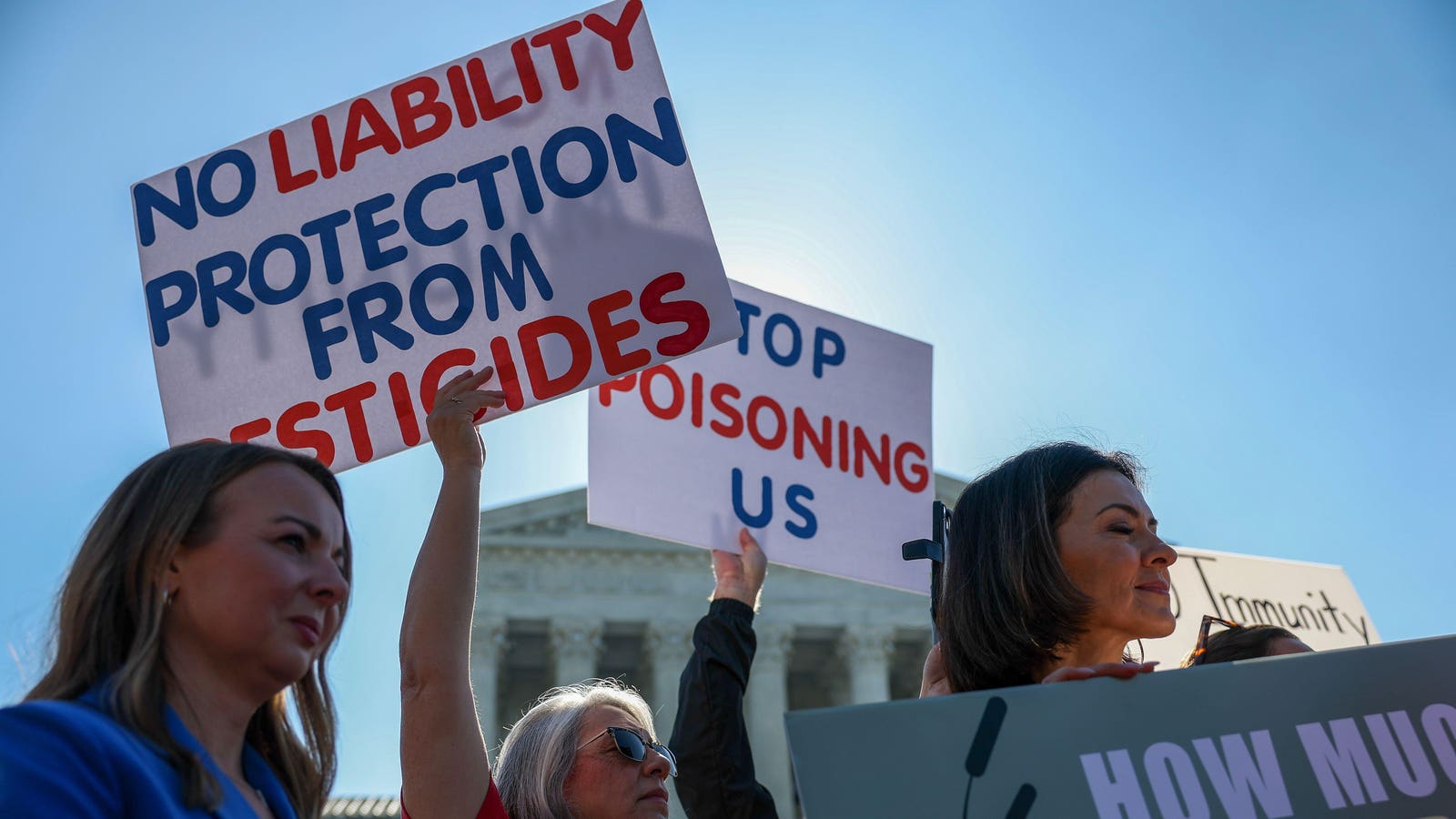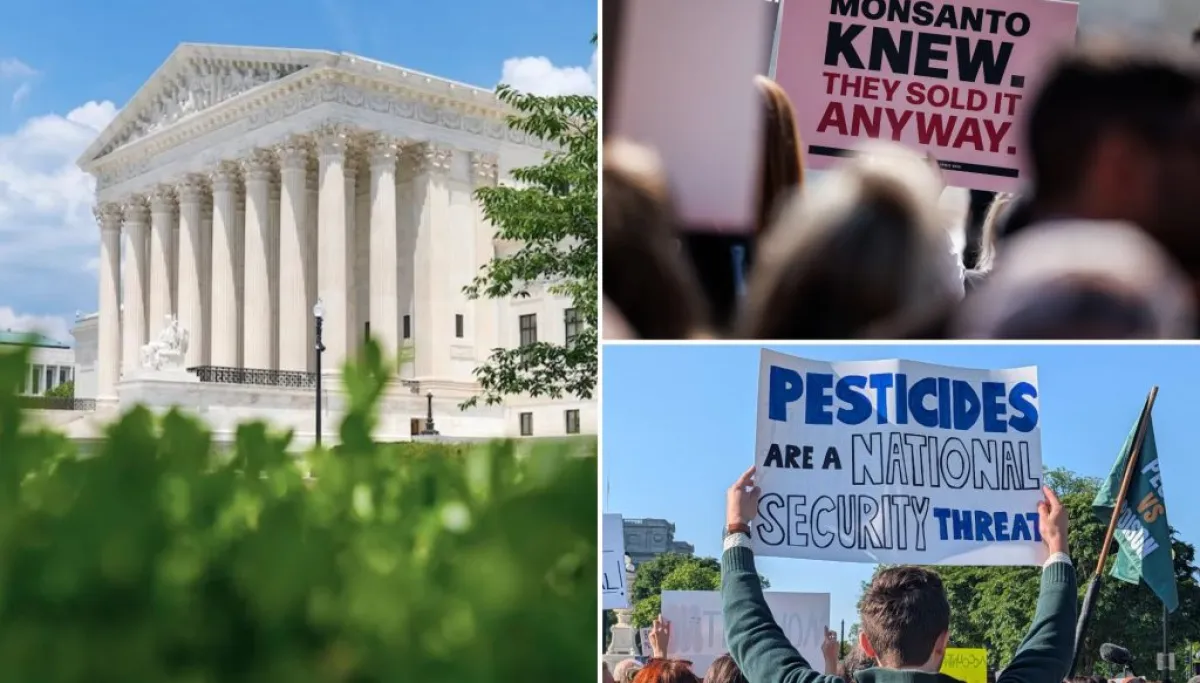
The Supreme Court has granted legal immunity to Bayer, maker of the weedkiller Roundup, from lawsuits alleging that the chemical glyphosate causes cancer. The majority held that after the Environmental Protection Agency decides the appropriate warnings for a pesticide’s label, a manufacturer is legally required to use that label unless and until EPA subsequently approves or requires a new label.
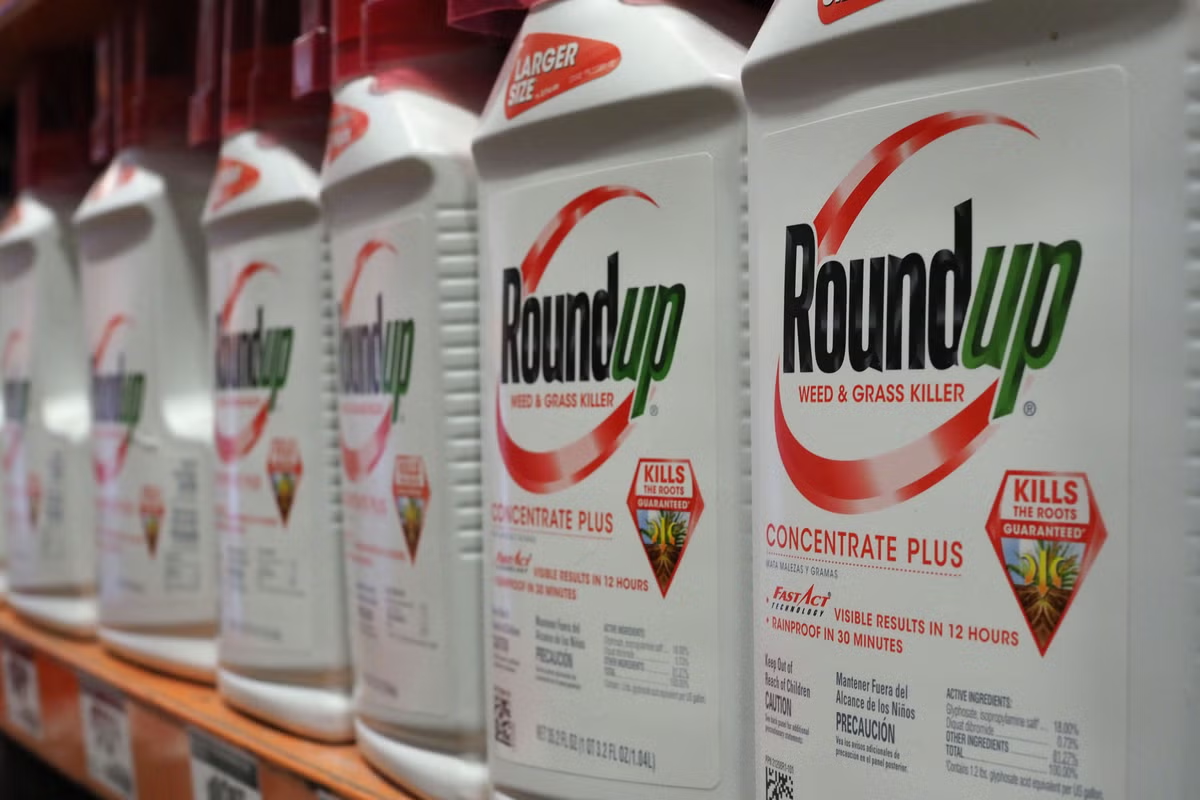
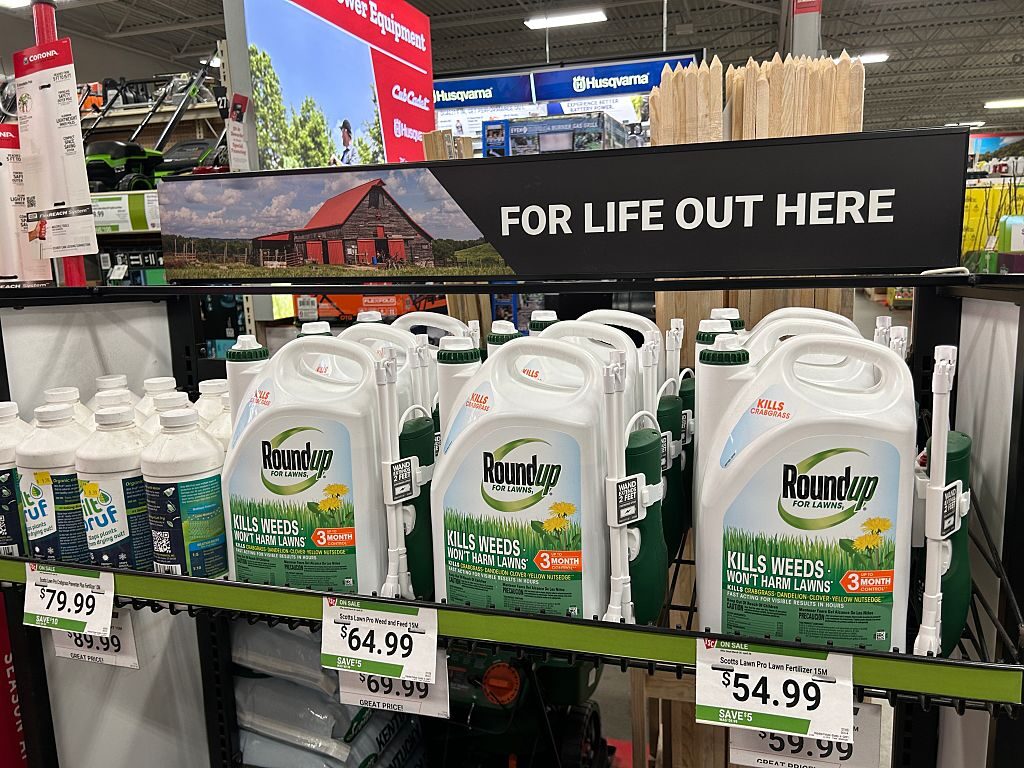
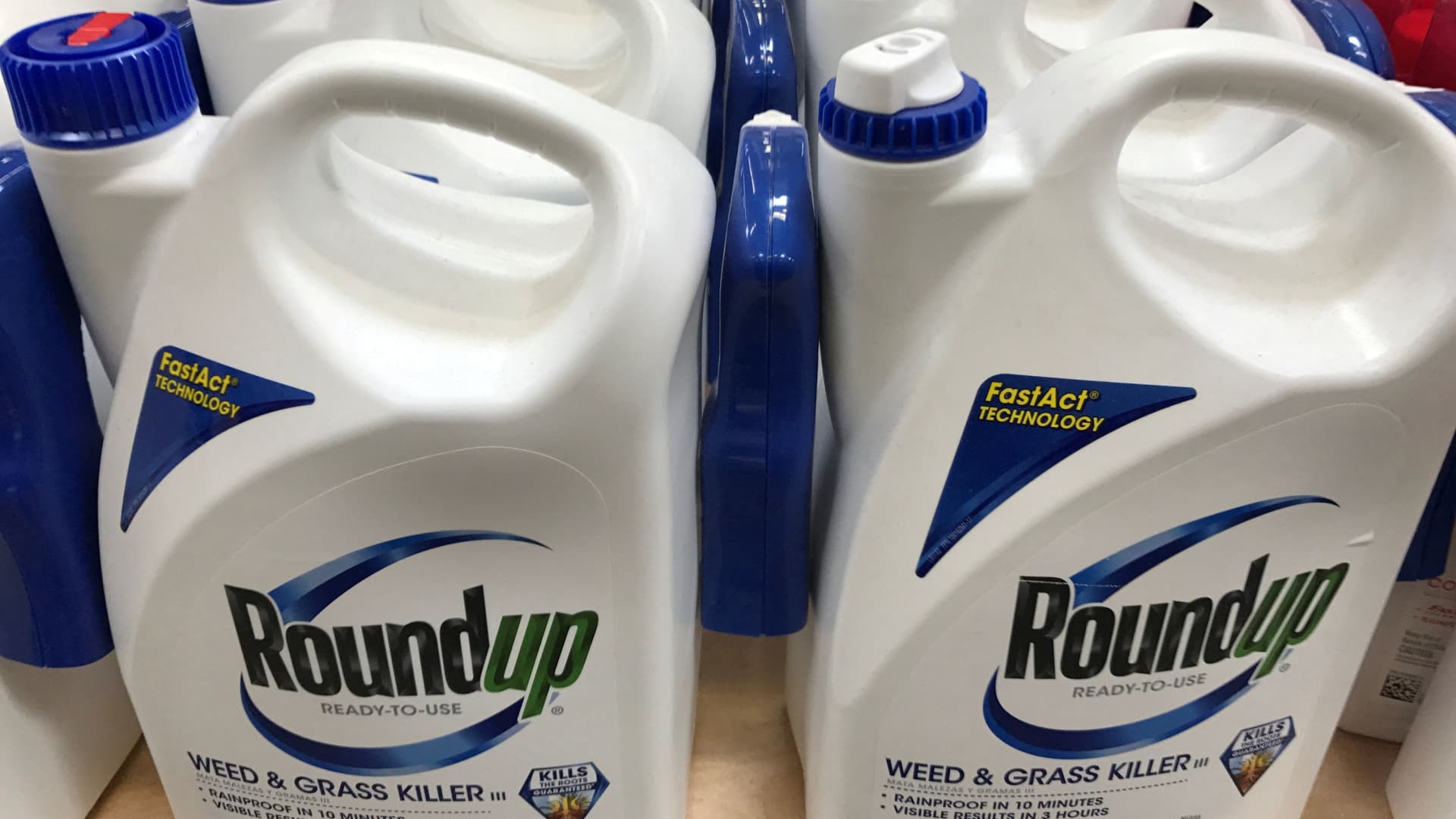
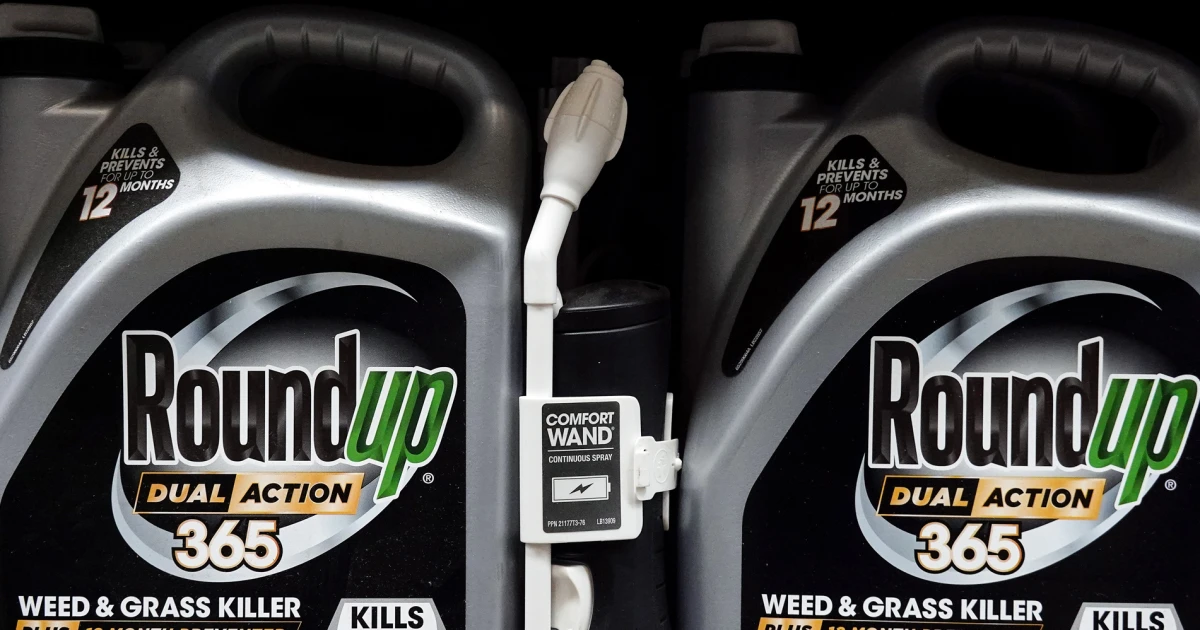
Pesticide reform has long been a goal of the grassroots health and wellness cause, which eventually morphed into the MAHA movement when future Health and Human Services Secretary Robert F. Kennedy Jr. joined forces with President Donald Trump on the 2024 presidential campaign trail.Glyphosate is the most common weedkiller and agricultural pesticide in the United States. Roughly 280 million pounds of glyphosate is sprayed on nearly 300 million acres of farmland each year, according to the EPA.MAHA advocates say glyphosate is responsible for both rising cancer rates among agriculture workers and the increase in gluten intolerance and other metabolic dysfunction issues, making the Supreme Court’s decision to grant liability to Bayer a loss for the movement. The case, Monsanto v. Durnell, revolves around whether the Federal Insecticide, Fungicide, and Rodenticide Act gives the EPA sole authority to determine what warning labels can be on regulated products, including warnings that a product may contain cancer-causing chemicals.Bayer, the parent company of Monsanto and maker of glyphosate, has faced billions of dollars in civil litigation claims, saying that it failed to warn consumers that Roundup, the commercial name for glyphosate, may be linked to the cancer non-Hodgkin lymphoma. So-called “failure to warn” cases against Bayer started after a working group of the World Health Organization’s International Agency for Research on Cancer classified the chemical as “probably carcinogenic to humans” in 2015.The plaintiff, John Durnell, alleges his cancer was triggered by agricultural glyphosate exposure. A Missouri jury in 2019 awarded Durnell $1.25 million in damages, citing the failure of Monsanto to warn consumers of the cancer risk. A Missouri appellate court sided with Durnell, and the state Supreme Court declined to take up Monsanto’s second appeal. The federal Supreme Court agreed to hear the case after the Department of Justice intervened on behalf of Bayer, Monsanto’s parent company, arguing that warning labels should be based on EPA evidence rather than decided on a state-by-state basis or by civil juries.The EPA, which has regulated glyphosate since the 1970s, is scheduled to review the environmental and human health effects of the chemical later this year. Unlike the IARC, the EPA does not view the evidence as pointing to glyphosate being carcinogenic to humans. EPA Administrator Lee Zeldin told a group of MAHA supporters earlier this year that, at his agency, “there is no pre-judging of what the review is going to show.” “Whatever the science and the review shows, that is what gets communicated to the public,” Zeldin said at the event, adding that he does not want to “have a process where I’m telling scientists before it starts what I want the final product to show.”The ruling marks a devastating blow to the MAHA voting bloc ahead of the midterm elections this fall.Eden Giagnorio, communications director for the Democratic political strategist group 314 Action, which helps elect scientists and medical professionals to public office, told the Washington Examiner prior to the ruling that the case would be a make-or-break moment for the MAHA movement. “If immunity is granted, as the administration has sided with German manufacturer Bayer on this issue, MAHA will lose their minds,” Giagnorio said. “This will be the final straw for MAHA, and cancer patients will suffer as a result and will not have any recourse to sue for their injury.”A March poll conducted by 314 Action found that 76% of voters support reducing pesticides in agriculture, including 47% who strongly support such proposals. MAKING IOWA HEALTHY AGAIN IN THE GUBERNATORIAL ELECTIONAnother poll conducted in May by the health policy group KFF found that 2 in 3 voters, regardless of political affiliation or identification with MAHA, believe there is not enough regulation of pesticides in agriculture.Only 36% of respondents to the KFF poll said they were at least somewhat confident that the EPA could act independently on glyphosate without outside industry influence.