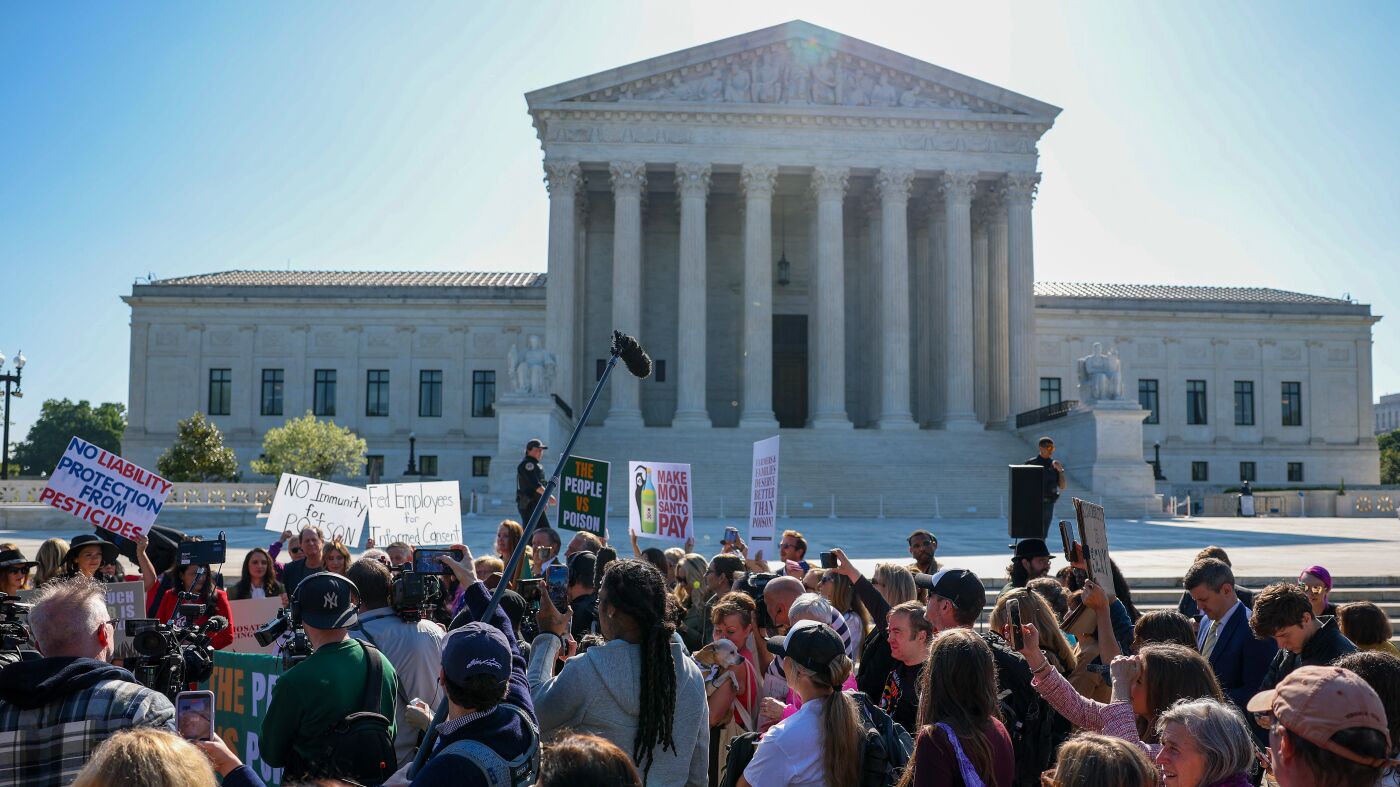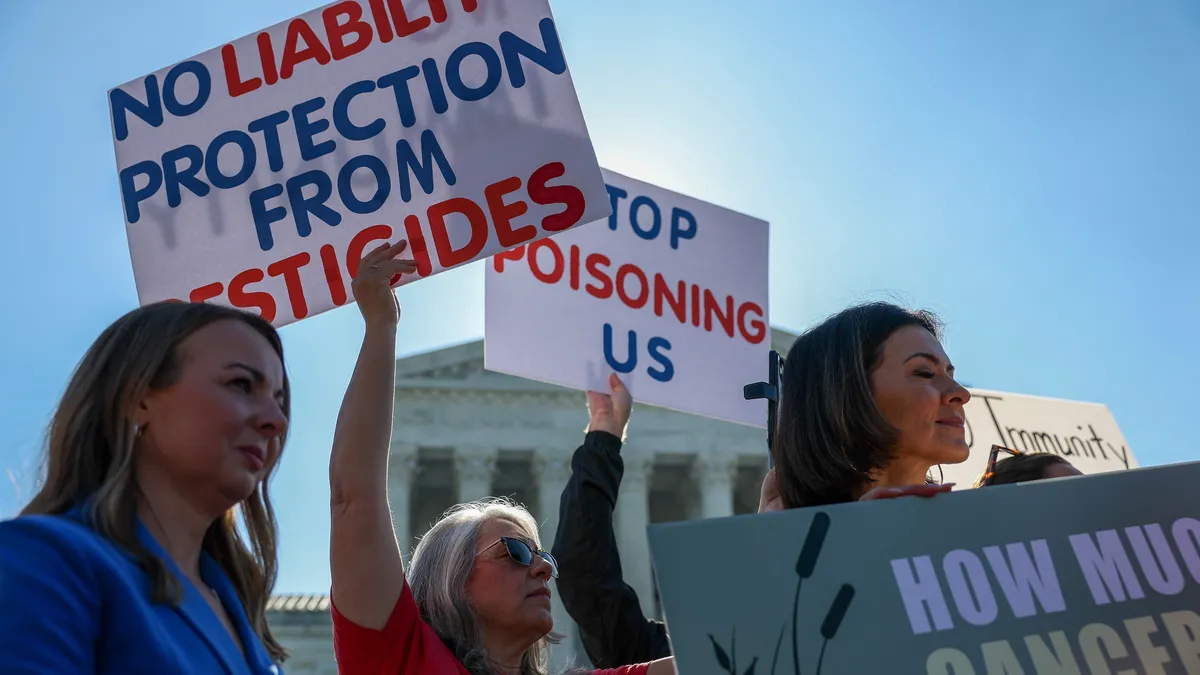
Show Caption
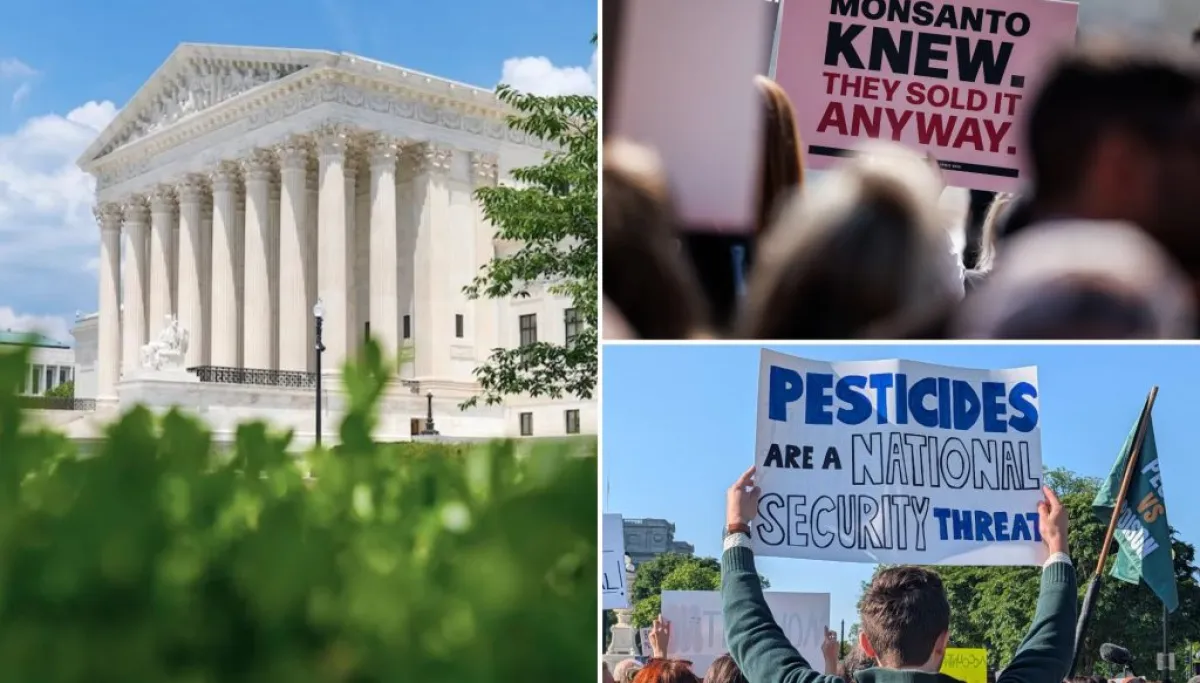
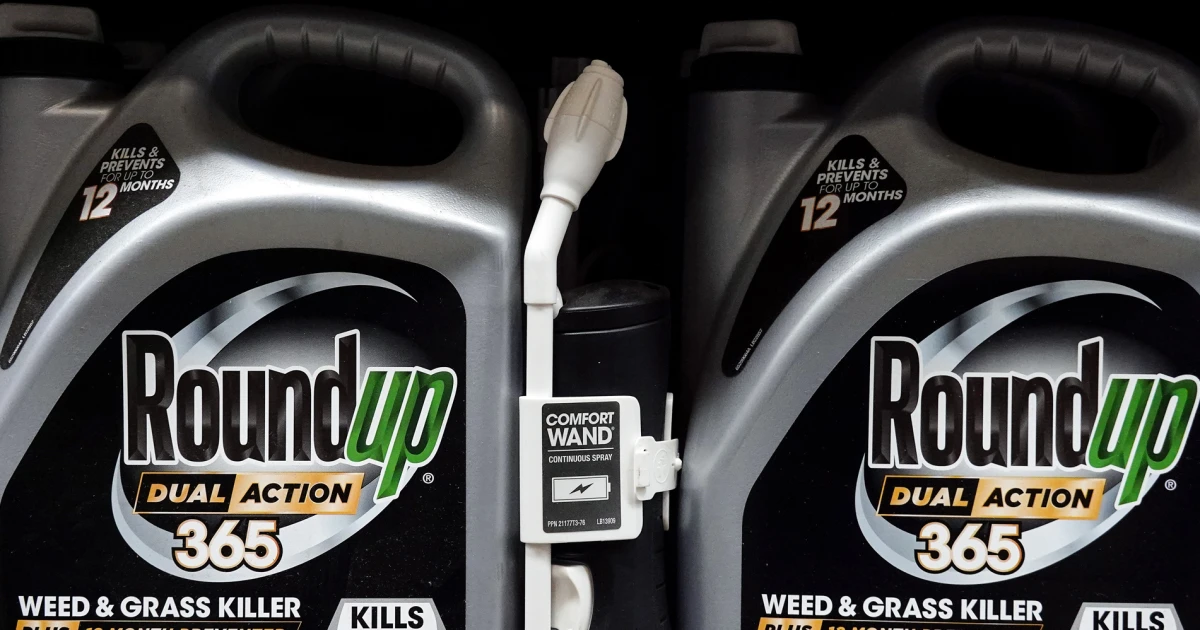
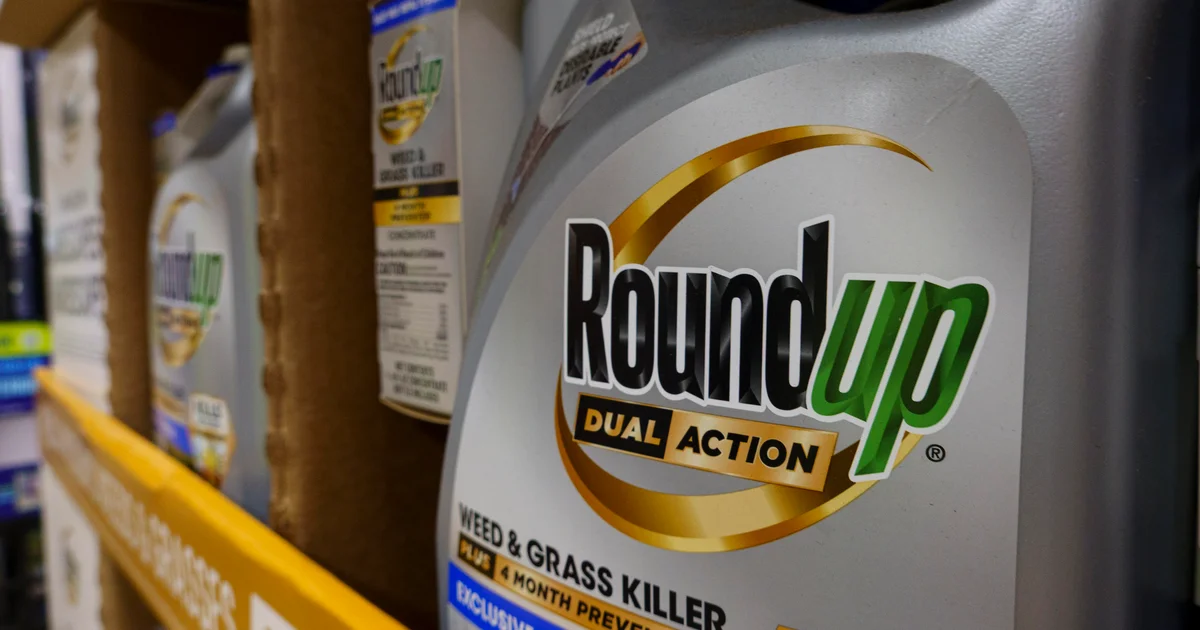
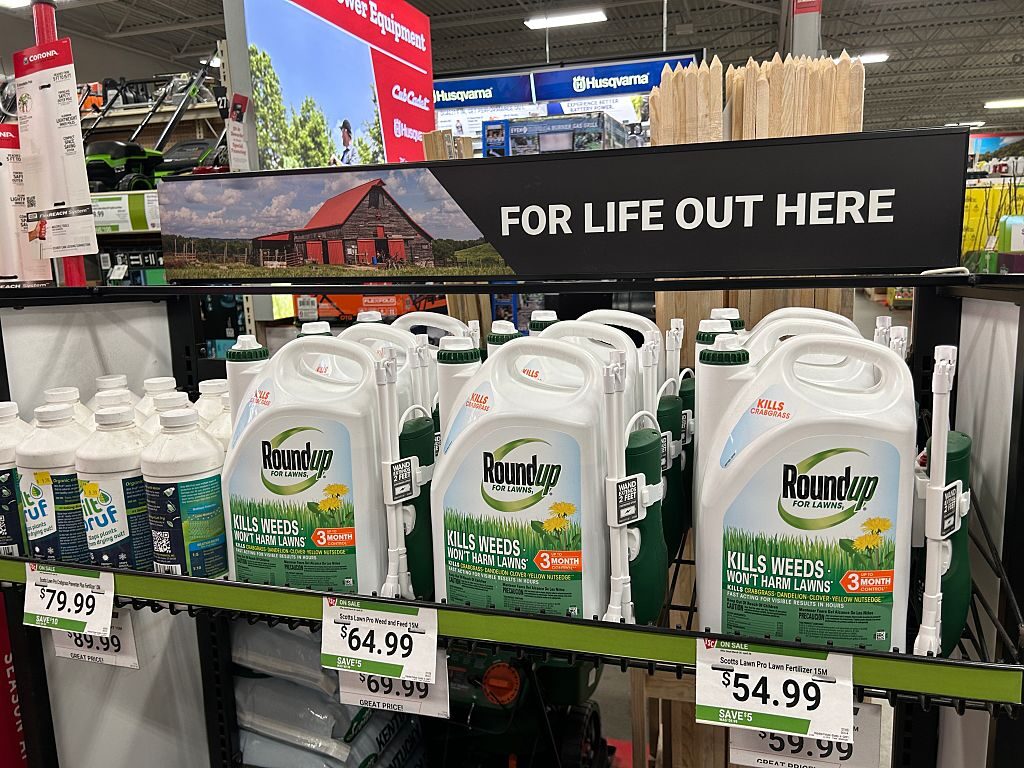
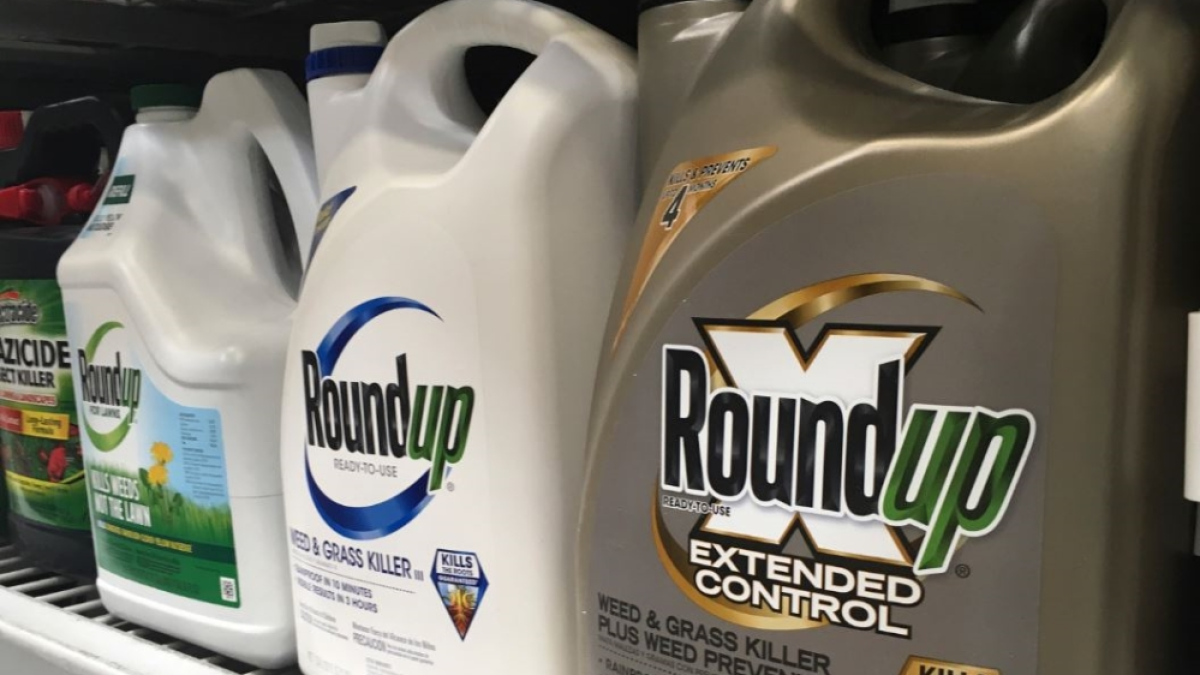
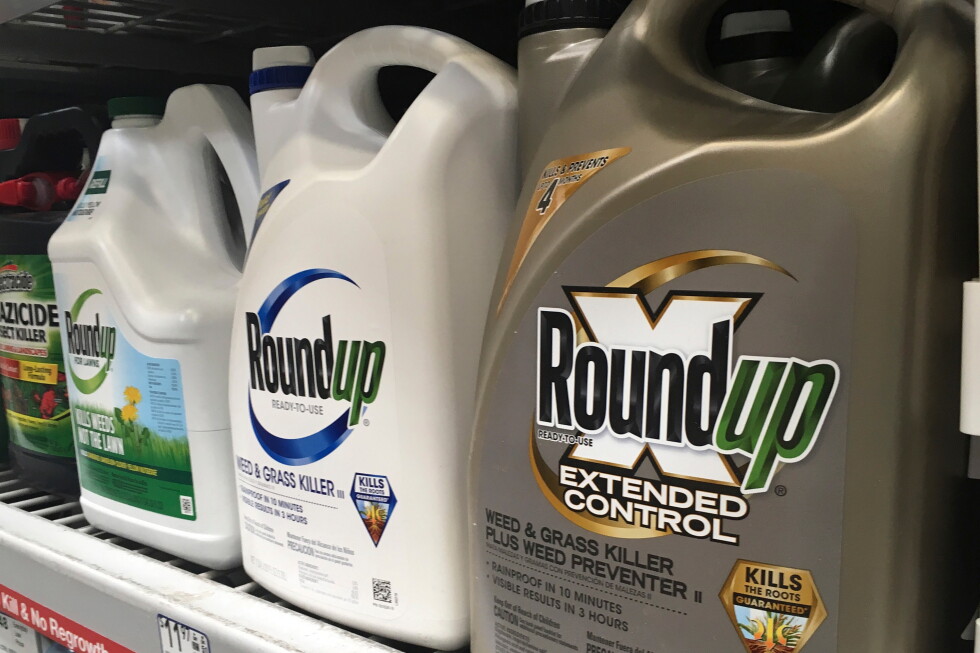
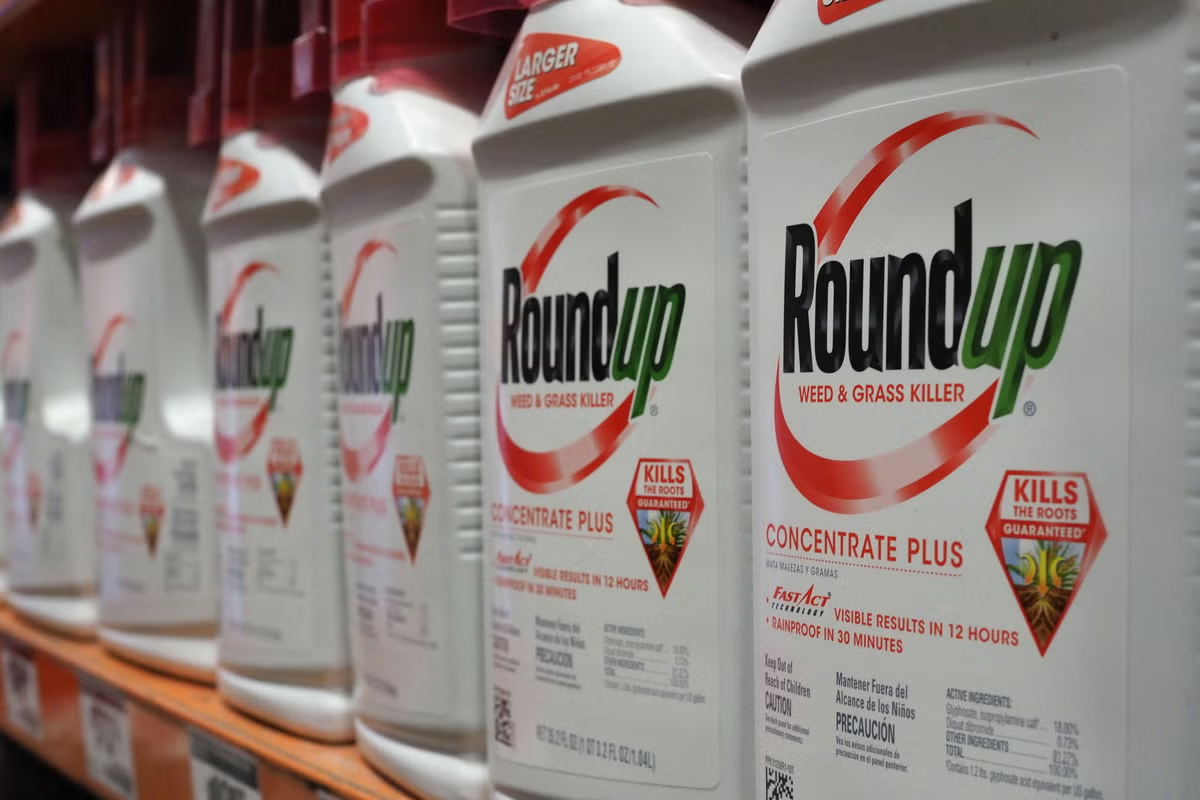
The Supreme Court ruled on June 25 that the manufacturer of weedkiller Roundup can’t be sued for failing to warn the product might cause cancer, blocking thousands of lawsuits against the company.Roundup users who have developed cancer argue the weed killer violates state laws about dangerous products, and public health groups say lawsuits are needed because the Environmental Protection Agency, which regulates pesticides, has failed to protect Americans from risks associated with glyphosate, the key ingredient in Roundup.The EPA has not determined that Roundup poses a cancer risk and does not require a label saying it does. Bayer, the company that bought Roundup maker Monsanto in 2018, maintains the product is safe for people to use.What are the health concerns around Roundup?Concerns about the negative health effects of glyphosate have been raised for years.In 2015, lawsuits against Monsanto began after a World Health Organization agency said glyphosate was "probably carcinogenic to humans," a finding the company disputes. In December, a widely cited 2000 scientific review purporting to show the chemical’s safety, was retracted over authors' conflicts of interest with Monsanto.John Durnell, who developed non-Hodgkin lymphoma, a type of blood cancer, after using the weedkiller for more than two decades, became one of the tens of thousands of Americans to sue the Roundup maker.Durnell argued Monsanto should have warned consumers that Roundup may be carcinogenic or that they should wear protective gear when applying it. A St. Louis jury sided with him.Bayer has stopped using glyphosate in Roundup products sold for residential use, but the company had said it might have to stop selling glyphosate to U.S. farmers if the lawsuits continue. Major agricultural groups warned that would pose a "devastating risk to America’s food supply."How is the MAHA movement involved?In a move that upset the Make America Healthy Again movement, who want to reduce pesticide use, the Trump administration previously backed Bayer.On Feb. 18, President Donald Trump issued an executive order saying that for the sake of national defense, he was increasing domestic supplies of glyphosate.U.S. Health Secretary Robert F. Kennedy Jr., who was tapped by Trump to lead the Department of Health and Human Services, said he supported the president despite backlash it drew from his MAHA followers.Kennedy, who sued Monsanto over Roundup when he was a practicing lawyer, cofounded one of the groups that filed a brief supporting Durnell.Vani Hari, a food advocate who has worked with the Trump administration on MAHA-aligned policies, said she was "sickened" by the court's latest decision.Hari criticized the administration’s support of Bayer, adding the ball is now in Congress' court."The Supreme Court handed Monsanto a victory. Now it’s up to Congress to decide whether justice belongs to the American people or to the most powerful corporate lobbyists in Washington," she said. "Every lawmaker will have to choose a side: families or the poison lobby. And voters are going to remember that choice in November."Contributing: Maureen Groppe, Eduardo Cuevas and Swapna Venugopal, USA TODAY