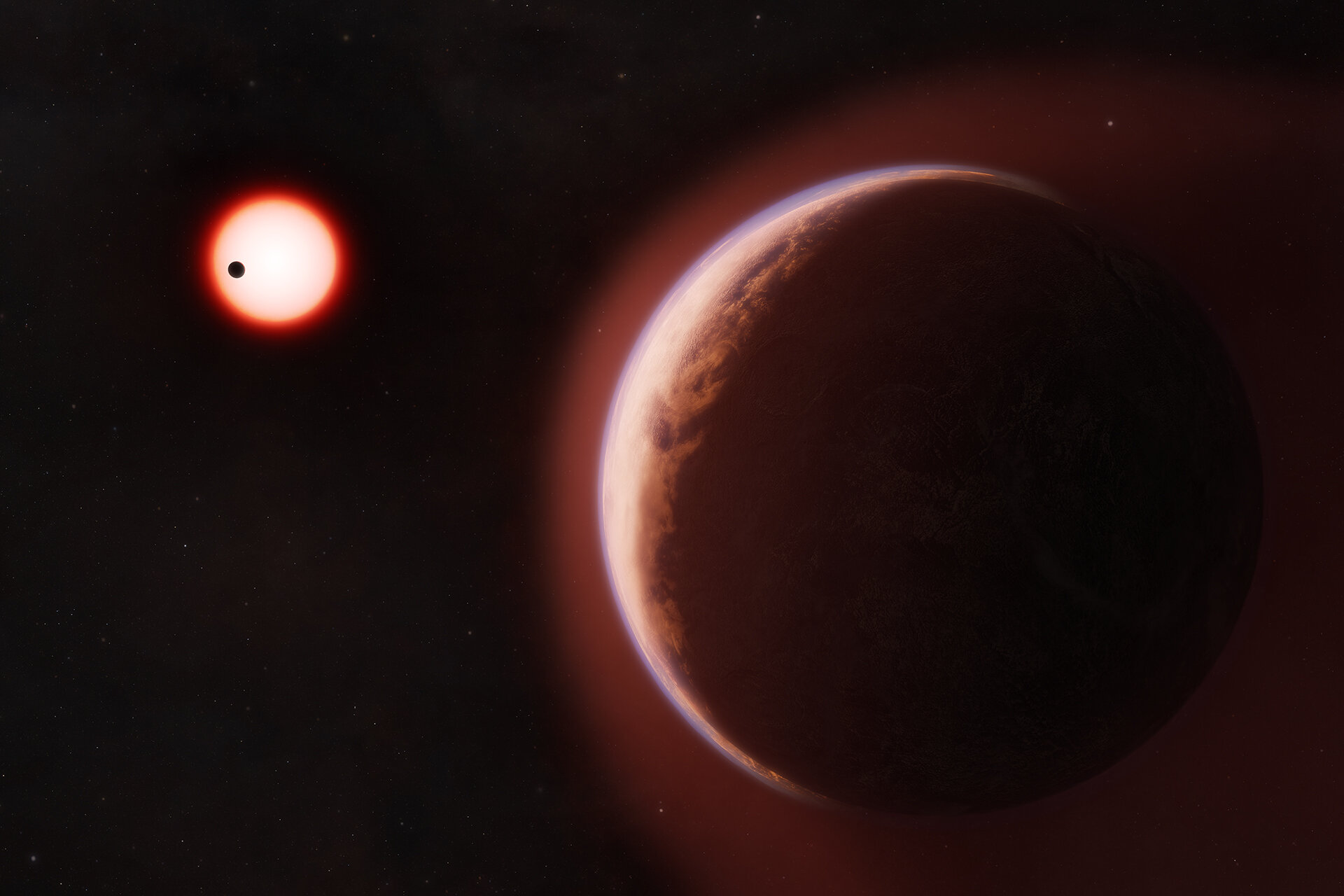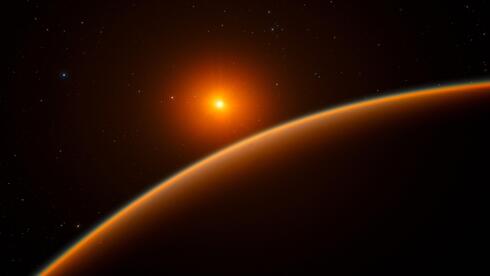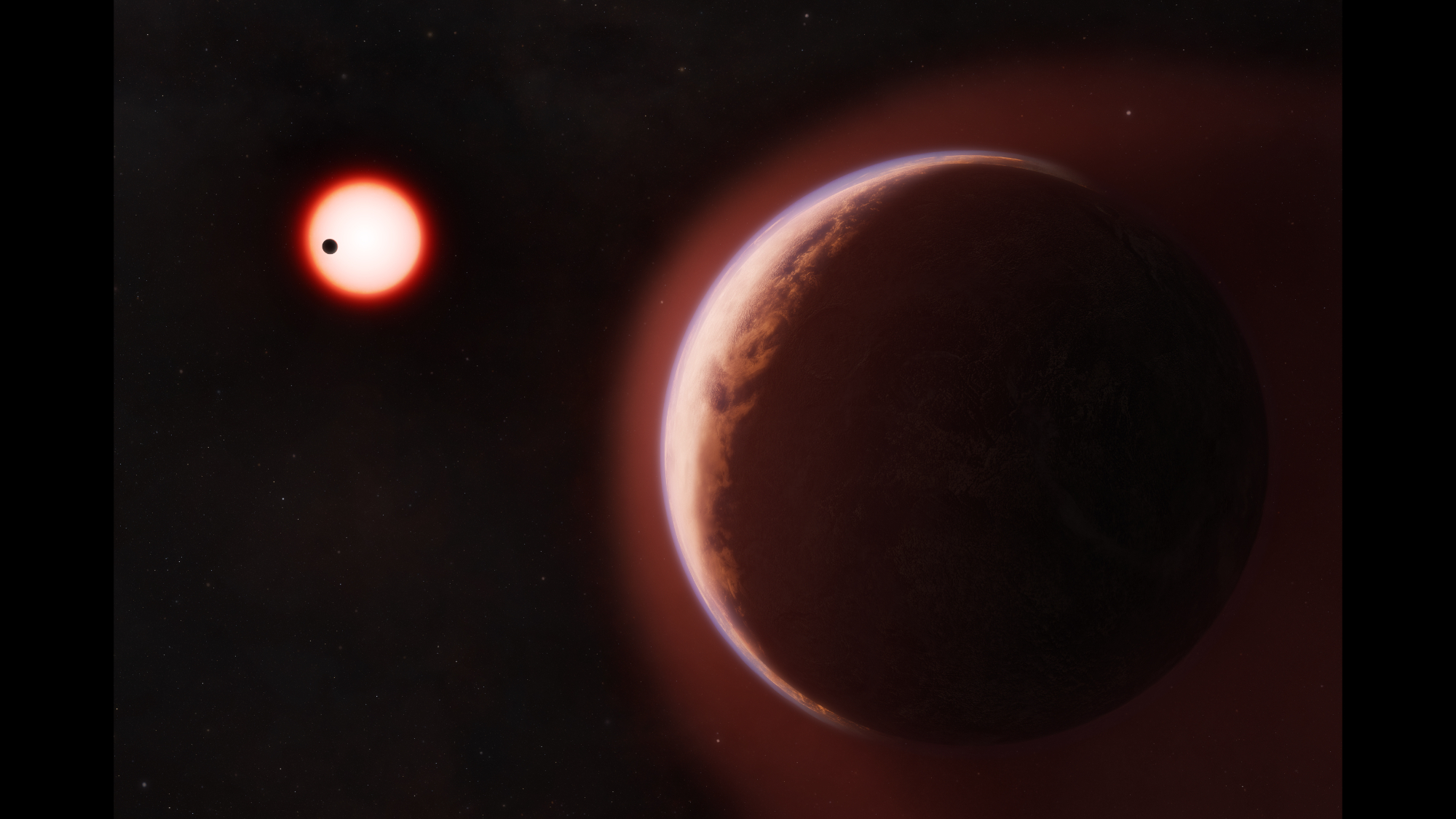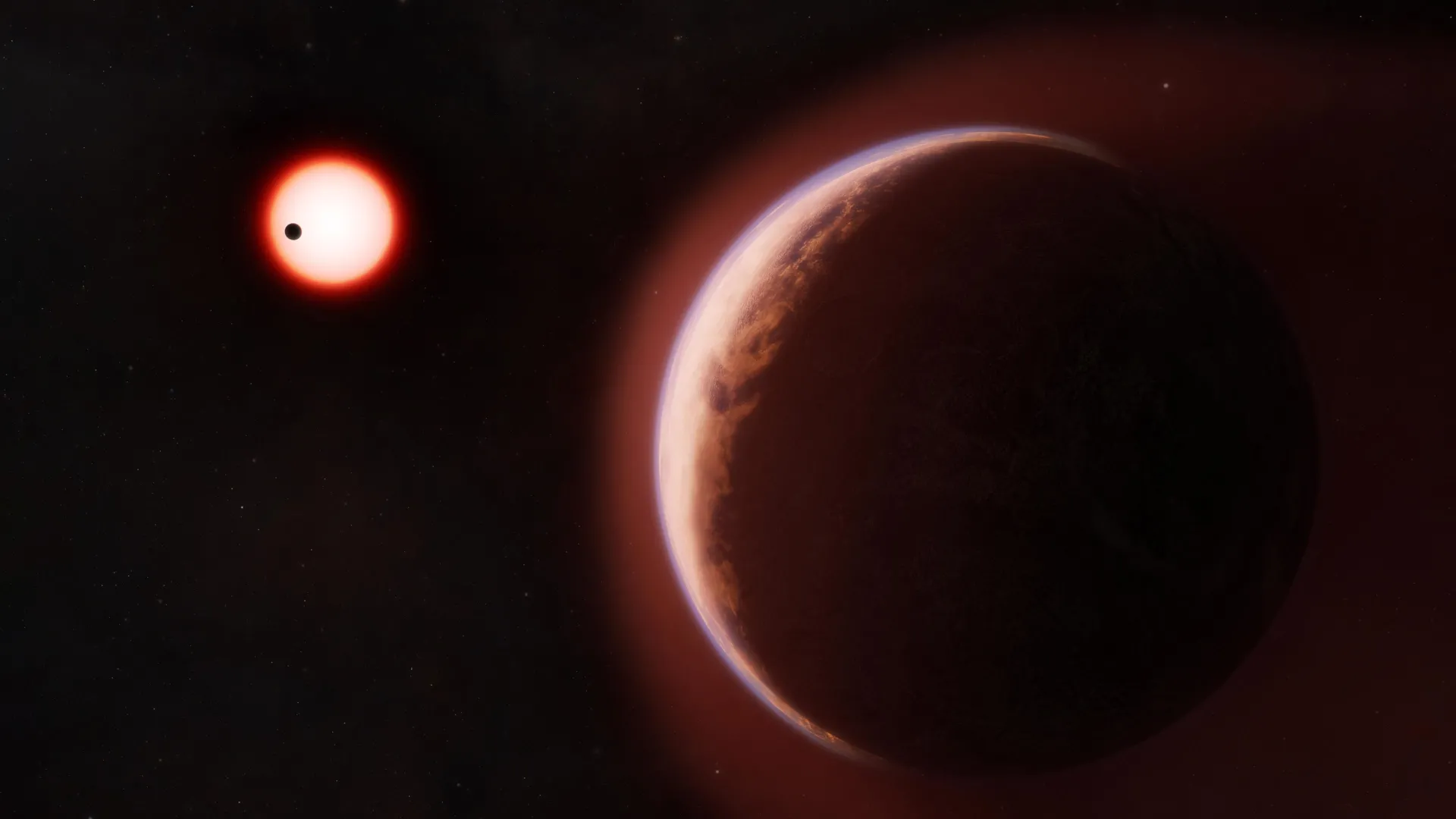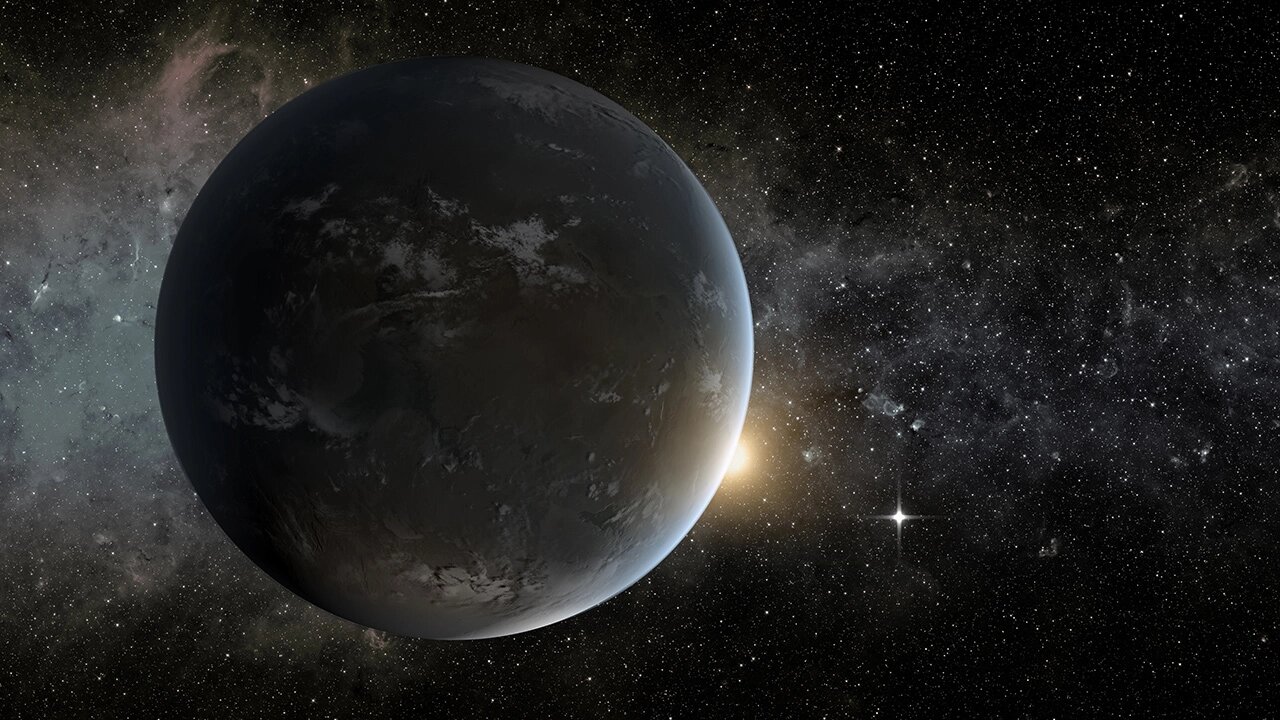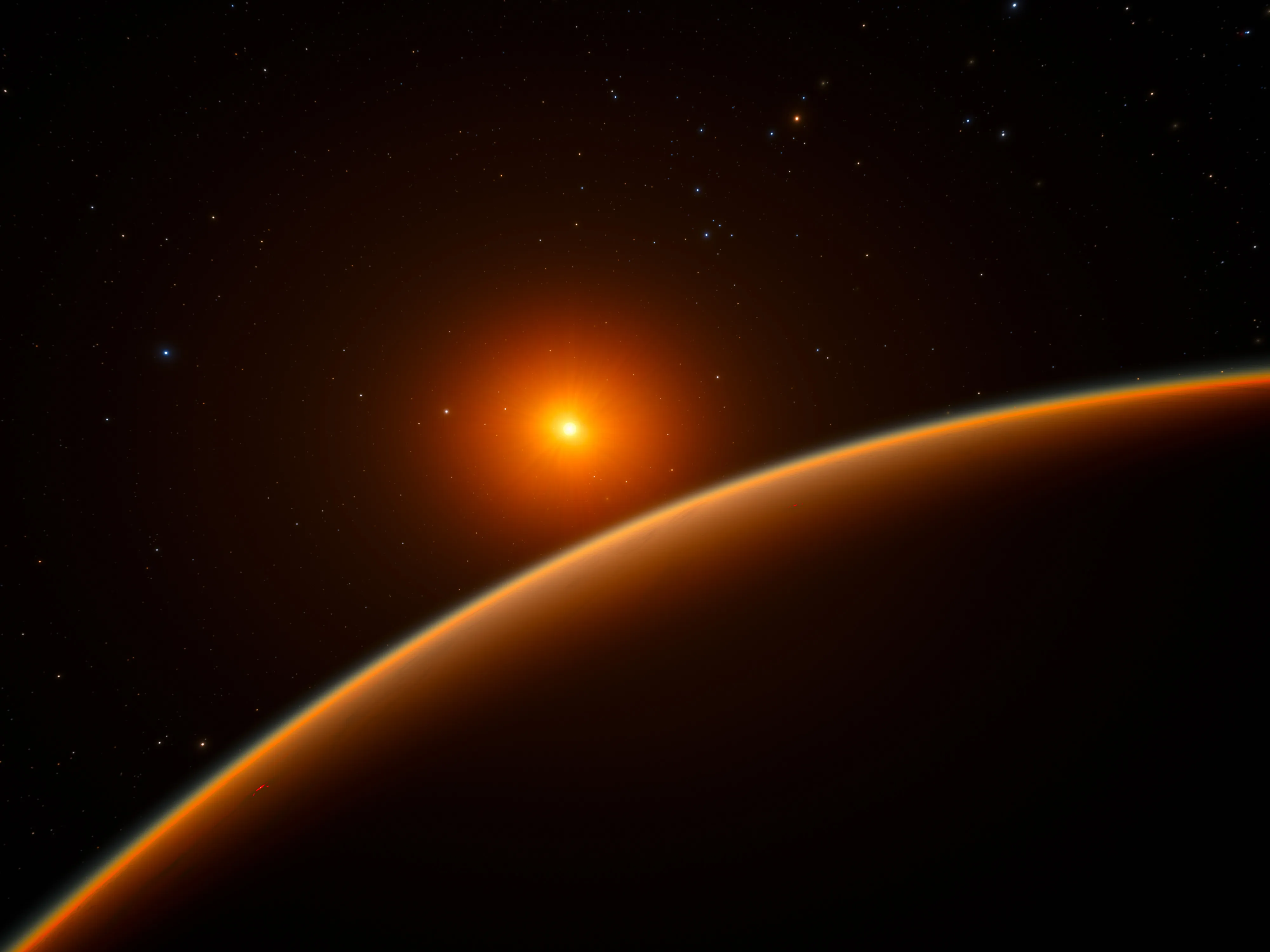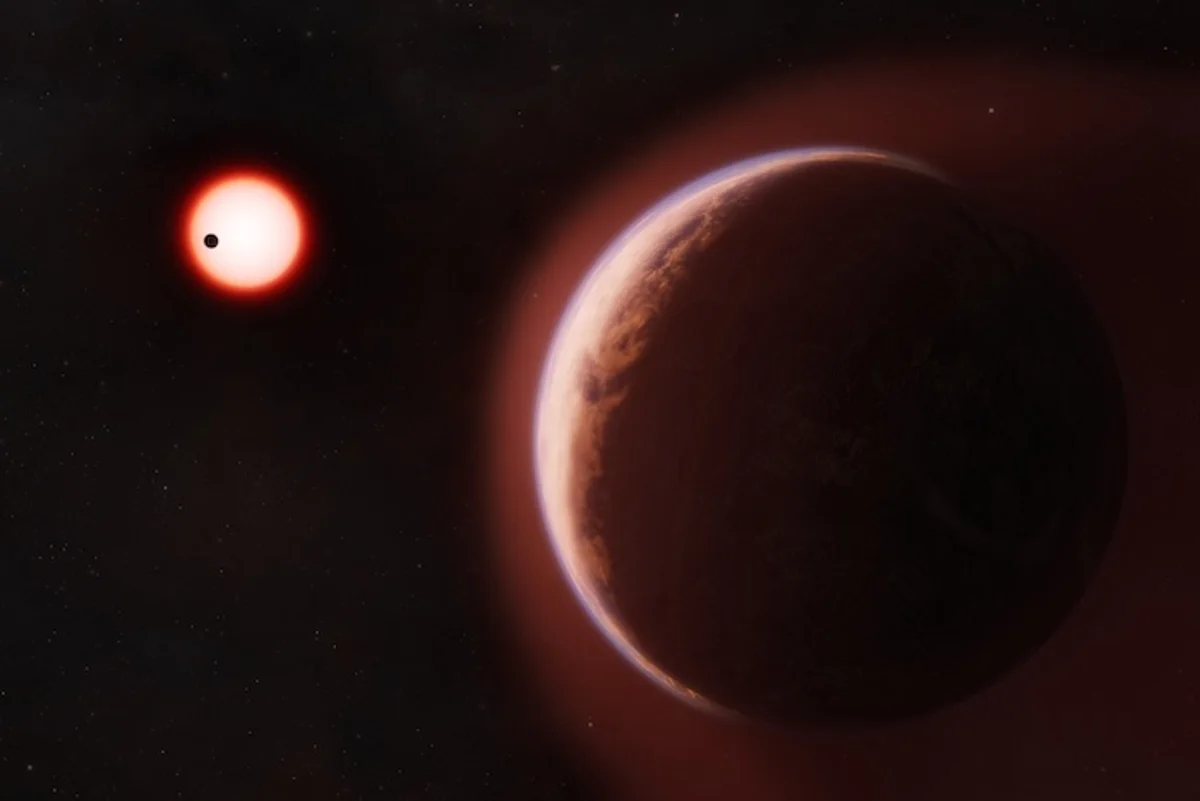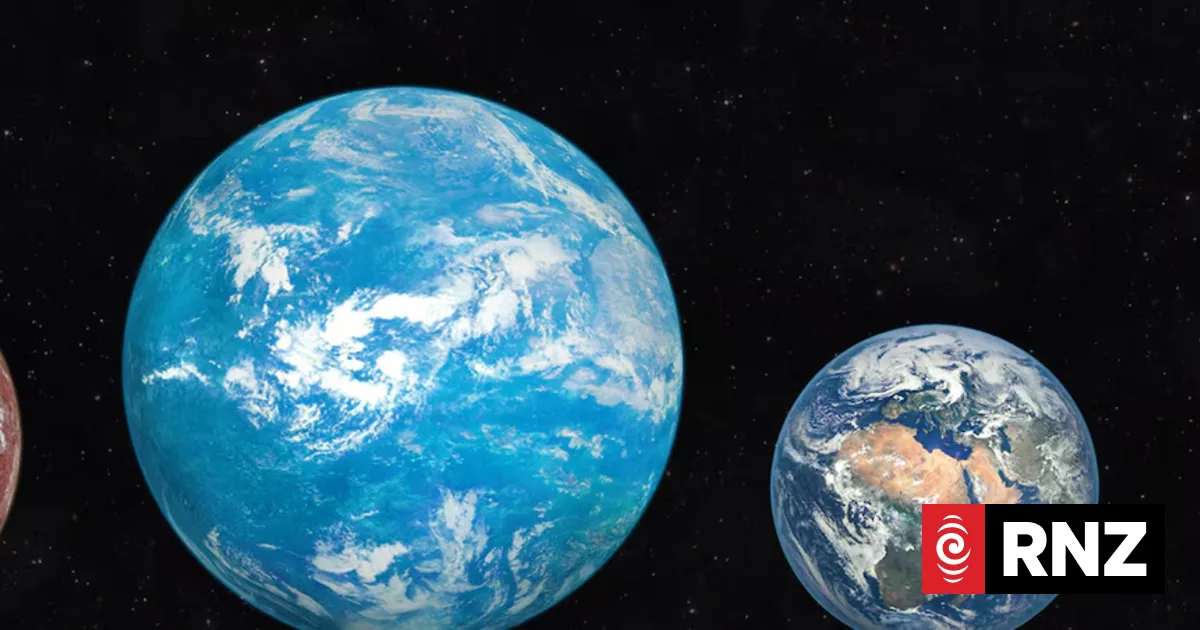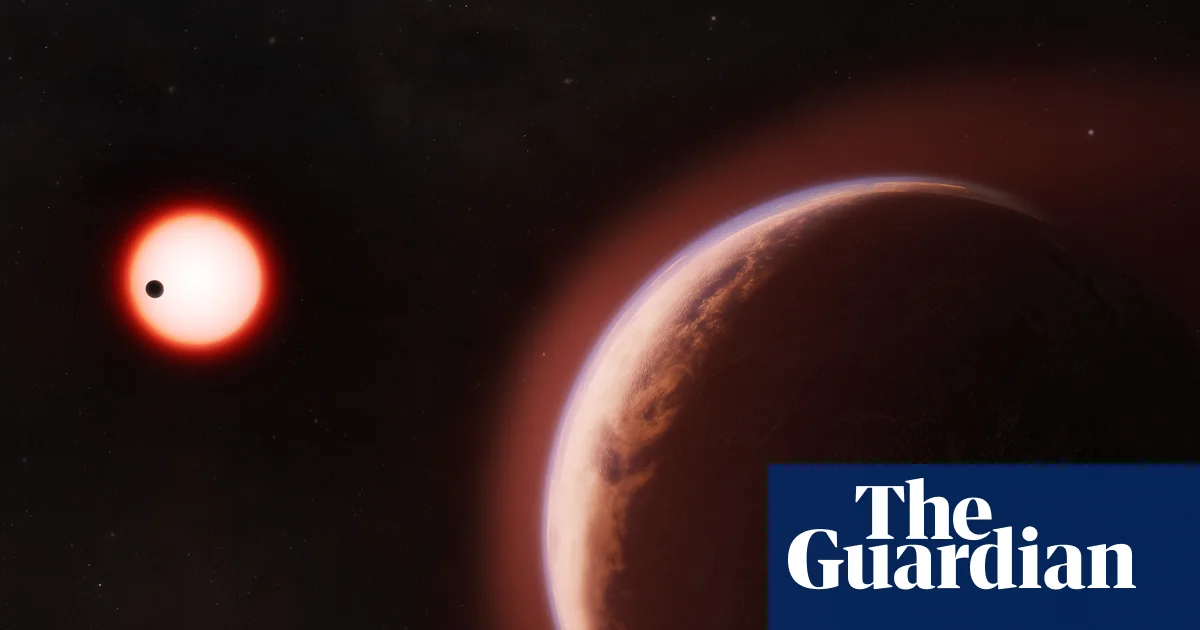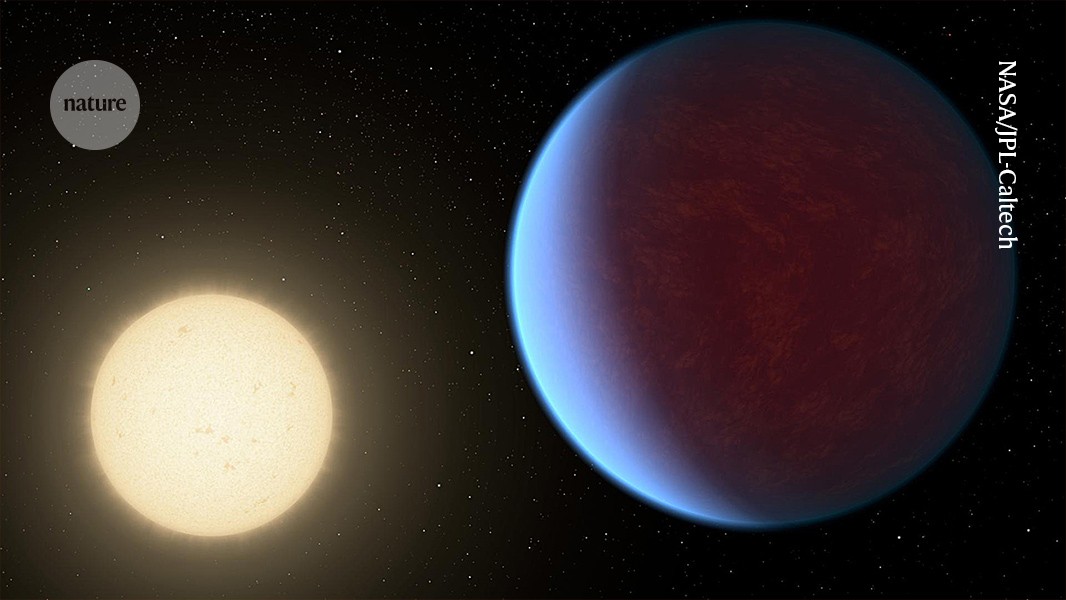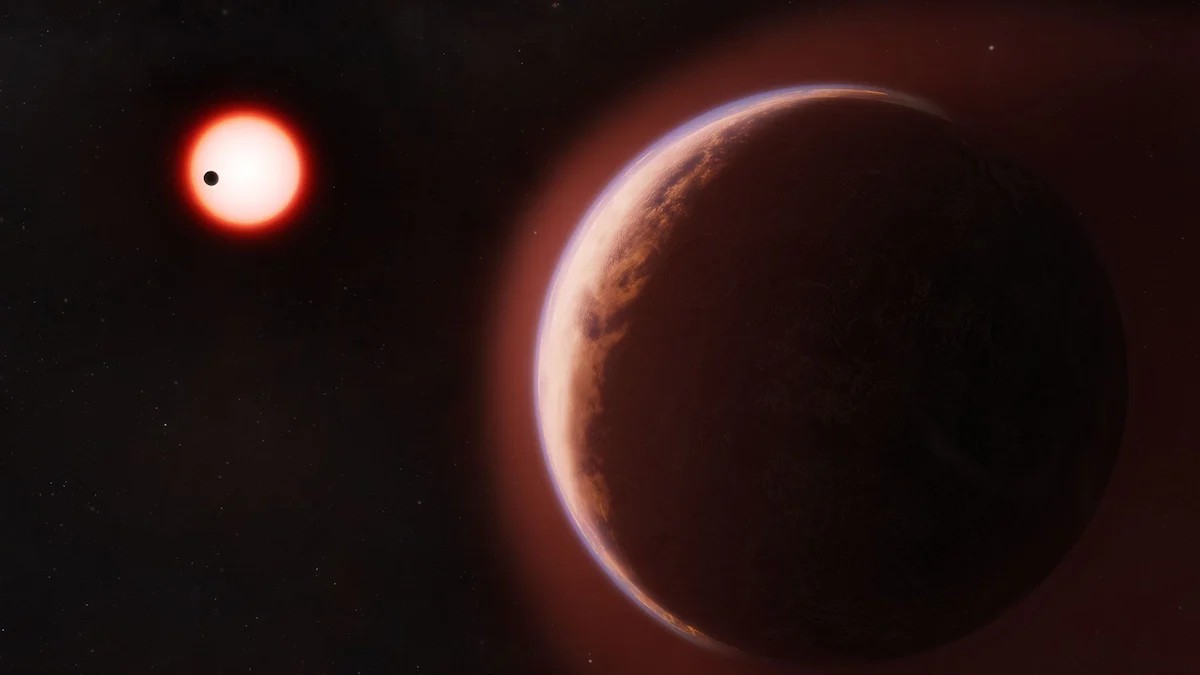
In a first for astronomy, a team of researchers has confirmed the presence of an atmosphere around a rocky planet sitting in the "habitable zone" of a star beyond our solar system, a discovery scientists are calling one of the strongest signs yet that Earth-like worlds capable of supporting life may exist elsewhere in the universe.LHS 1140 b's Distance From Earth LHS 1140 b sits about 48 light-years from our solar system, in the direction of the constellation Cetus, also known as "the Whale." Its host star, LHS 1140, is a faint red dwarf roughly 18% the mass of our Sun. According to published research on the system, LHS 1140 b ranks among the very closest temperate, Earth-sized planets to us that could potentially support liquid water, making it one of the most practical targets astronomers currently have for studying a habitable-zone world in detail.Why Discovery of new Earth-like planet MattersSince the search for planets outside our solar system began, astronomers have catalogued more than 6,000 such worlds, known as exoplanets. Many of these have been found orbiting within their star's "habitable zone",the region where temperatures are neither too hot nor too cold for liquid water to exist. Scientists often refer to this as the "Goldilocks zone," a nod to the fairy tale in which a young girl searches for porridge that is "just right."Out of the hundreds of planets found in this temperate zone, only a small number are rocky and roughly Earth-sized, making them the most promising candidates in the search for life. However, until now, not a single one of these rocky, temperate worlds had been confirmed to have an atmosphere — a crucial ingredient believed necessary for a planet to sustain life.LHS 1140 b has broken that pattern.LHS 1140 b Temperature Based on how much energy it receives from its star, scientists calculate LHS 1140 b's average (equilibrium) temperature at around 226 Kelvin, or about minus 47 degrees Celsius, well below freezing. However, this figure is a theoretical baseline that does not account for any warming effect an atmosphere might provide. Earth itself is a useful comparison: without its atmosphere, Earth's calculated baseline temperature would also be far colder than its actual surface temperature. Whether LHS 1140 b has a similar warming effect depends on the full composition of its atmosphere, which scientists are still investigating.What Was Actually FoundResearchers detected helium in the planet's atmosphere, likely concentrated in its upper layers. On its own, helium cannot support life. However, scientists say this does not rule out the presence of other, more life-friendly gases closer to the planet's surface, which current instruments have not yet been able to detect.The findings were published in the journal Science by a team that includes researchers from Harvard University.Dr Collin Cherubim of Harvard University, the study's lead author, called the discovery a landmark moment for planetary science. "This is the first time anyone has found an atmosphere on a rocky planet in the habitable zone of another star," he said, describing it as "a big deal."Fellow Harvard researcher Dr David Charbonneau said the true significance of the discovery lies in the broader question it edges closer to answering. He noted that people are fundamentally curious about whether life exists beyond Earth or our solar system, and said this study marks the first confirmed atmosphere on a rocky, habitable-zone planet outside our solar system.Importantly, the researchers themselves have been careful to clarify that this is not evidence of life, only evidence that the conditions required to search for it, starting with an atmosphere, can exist on a rocky world in the right temperature zone around another star.LHS 1140 b Gravity LHS 1140 b is considerably bulkier than Earth. It has roughly 5.6 times Earth's mass, packed into a planet only about 1.7 times Earth's radius, giving it a density close to Earth's own. Because of this combination of high mass and moderate size, scientists estimate that surface gravity on LHS 1140 b is significantly stronger than on Earth, with different studies putting the figure at somewhere between roughly 1.8 and 2.4 times Earth's gravitational pull.LHS 1140 b Oxygen As of now, oxygen has not been detected in LHS 1140 b's atmosphere. The only gas confirmed so far is helium, likely present in the planet's upper atmosphere. Scientists have not ruled out the presence of other gases, including possibly oxygen, closer to the surface, but current instruments have not been able to detect them. Determining the full atmospheric make-up of a distant, rocky exoplanet remains one of the most technically difficult challenges in astronomy today.Not the Only Candidate in the RaceLHS 1140 b joins a small but growing list of worlds under close watch by scientists searching for signs of life beyond Earth.Another planet that grabbed global attention is K2-18b, a larger "sub-Neptune" world believed to possibly have a water-rich interior. It made headlines after scientists reported detecting traces of dimethyl sulphide, a gas that on Earth is produced mainly by marine organisms. However, a follow-up analysis led by NASA in 2025 found that the signal was too weak to confirm the finding, and pointed out that the gas can also form through non-biological processes.Meanwhile, the seven rocky planets of the TRAPPIST-1 system continue to intrigue astronomers. NASA's James Webb Space Telescope has already ruled out an Earth-like atmosphere on one of them, TRAPPIST-1d, while data from another, TRAPPIST-1e, remains inconclusive.Taken together, these discoveries reflect how far exoplanet science has advanced, from simply detecting distant worlds to now probing what their atmospheres are actually made of. While LHS 1140 b is not proof of alien life, scientists say confirming an atmosphere on a rocky, temperate planet is a critical milestone on the long road toward answering one of humanity's oldest questions: are we alone in the universe?
LHS 1140 b Distance, Temperature, Gravity: What we know about an Earth-like place that has atmosphere, rocks
LHS 1140 b: Astronomers have confirmed an atmosphere around a rocky exoplanet. This planet, LHS 1140 b, orbits within its star's habitable zone. Researchers detected helium gas in the planet's upper atmospheric layers. This discovery marks a significant step in searching for life beyond Earth. Scientists continue to investigate the exoplanet's full atmospheric composition.
964 words~4 min read