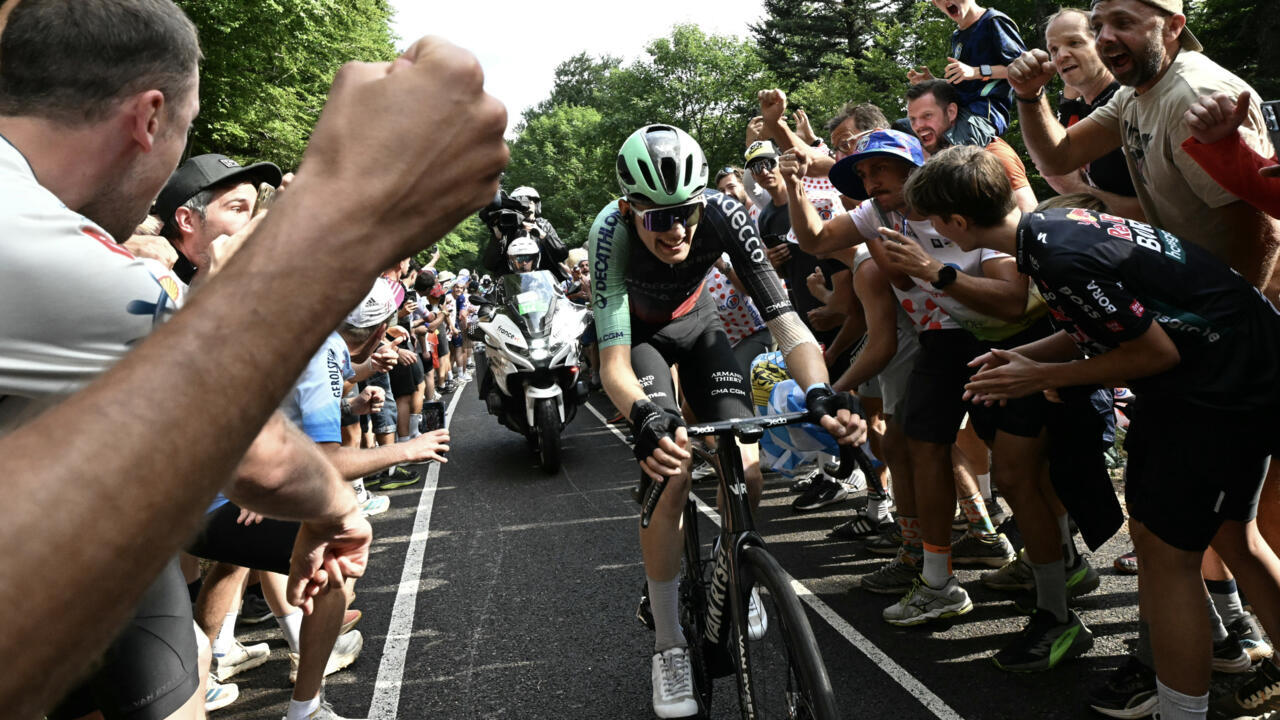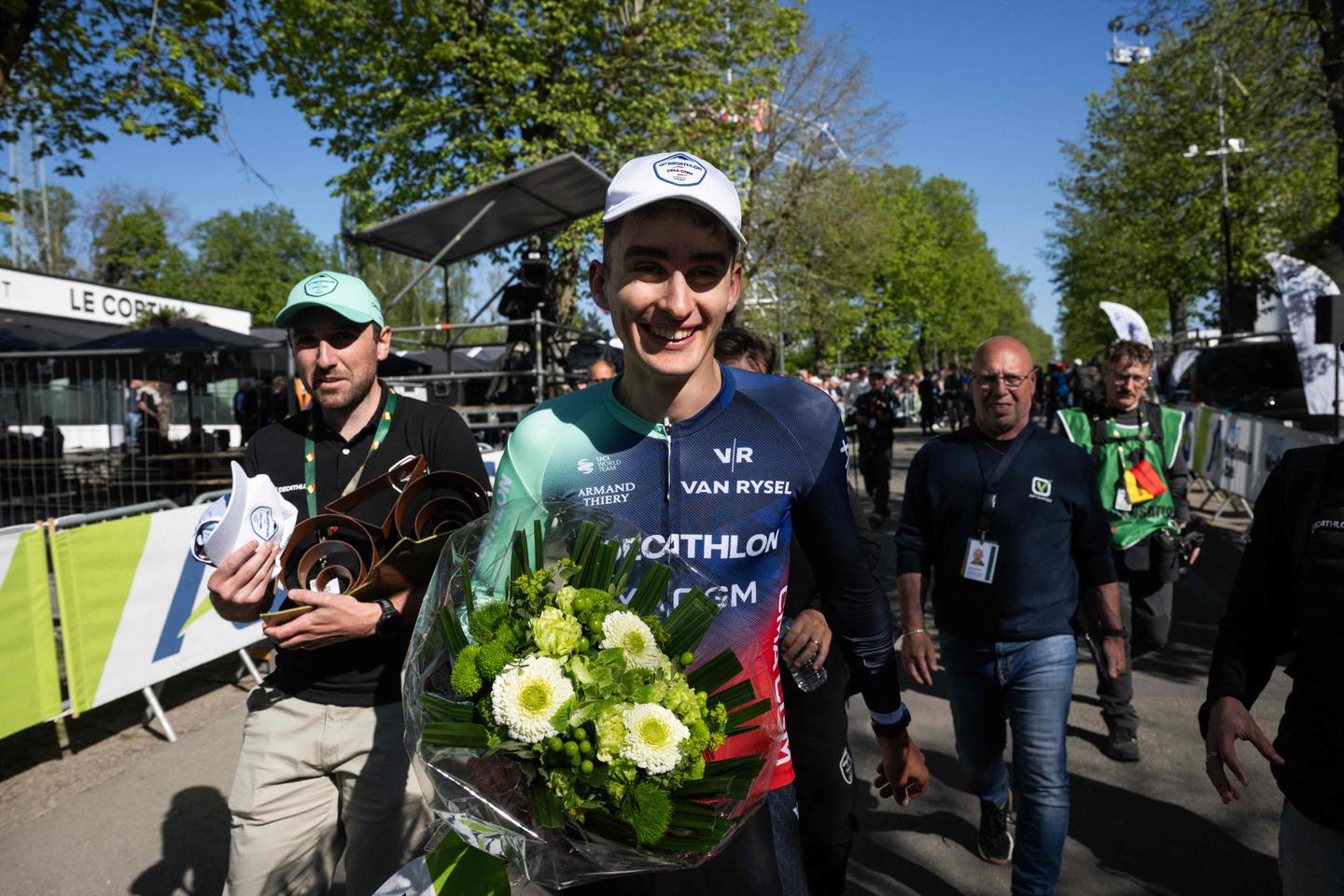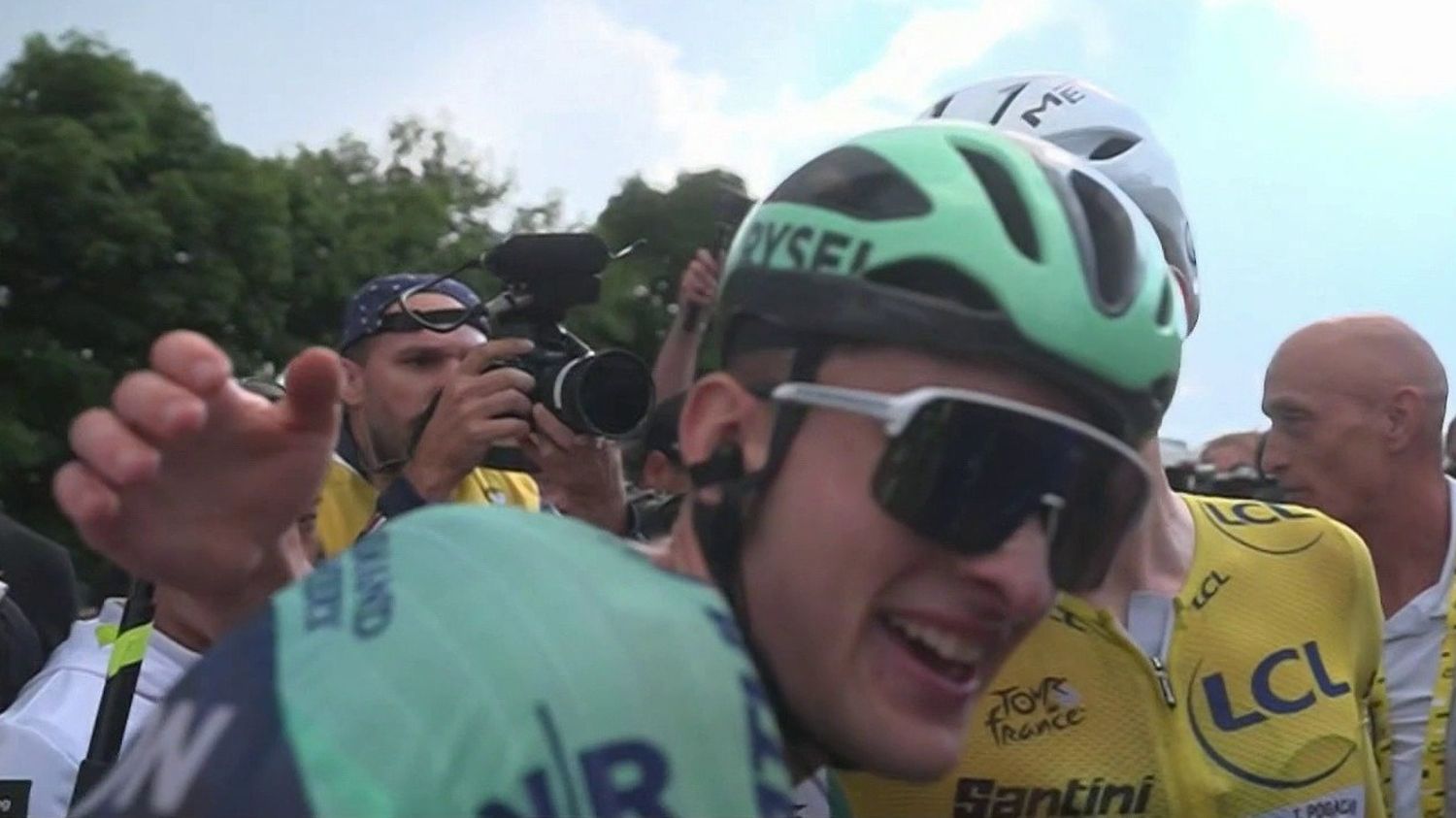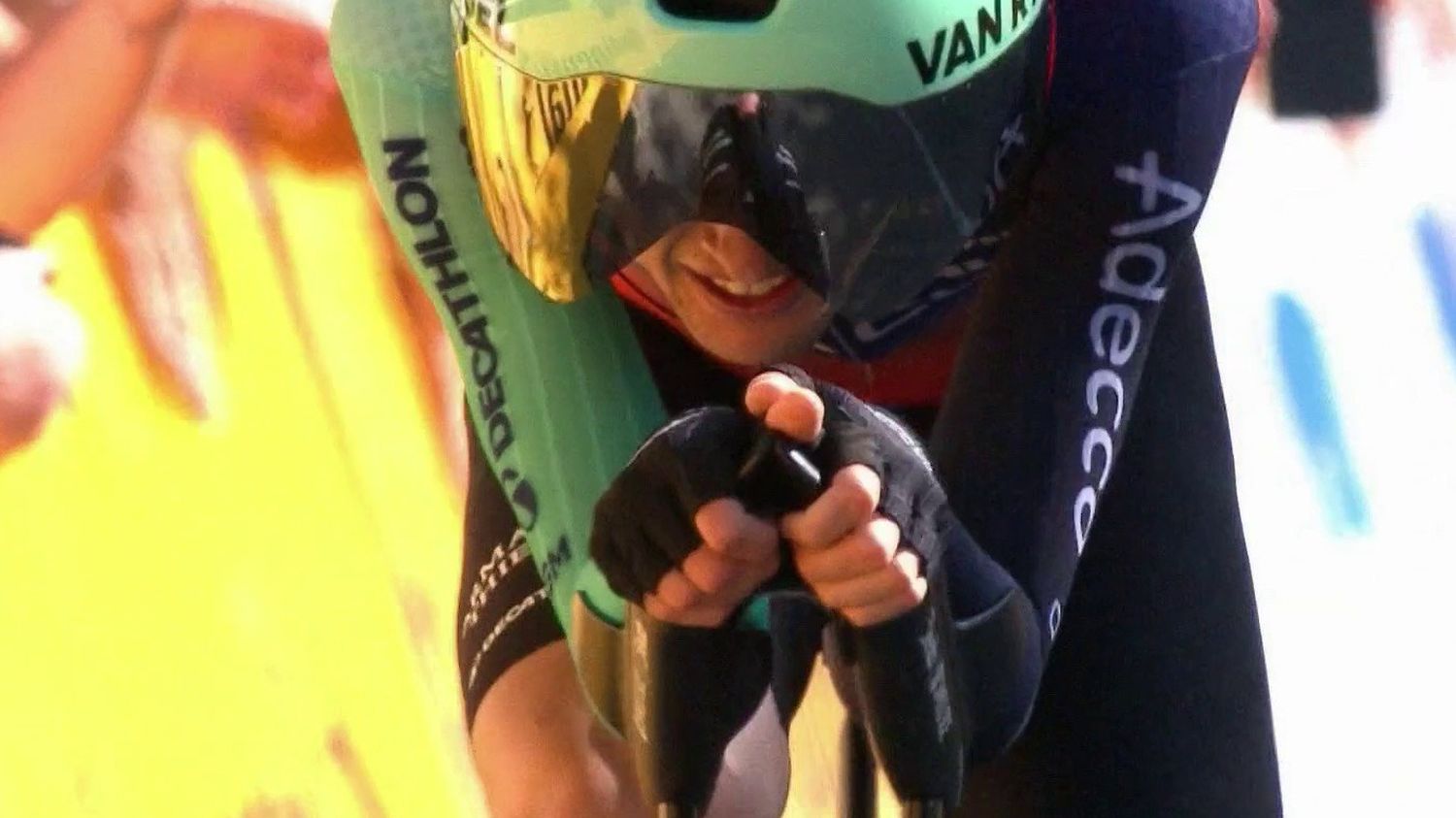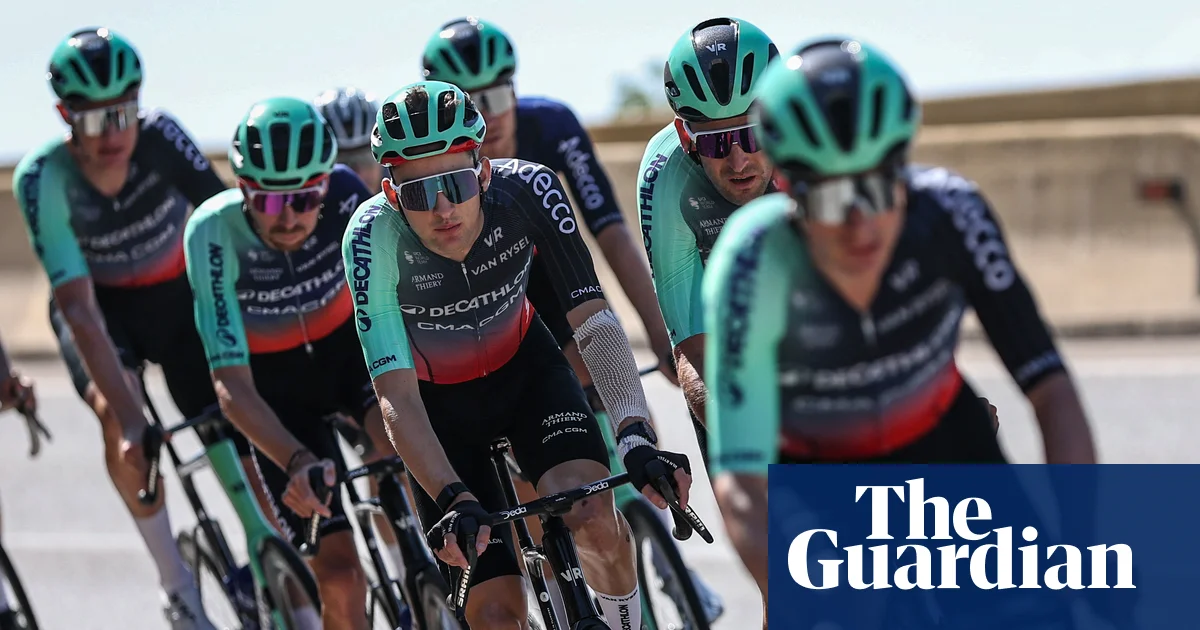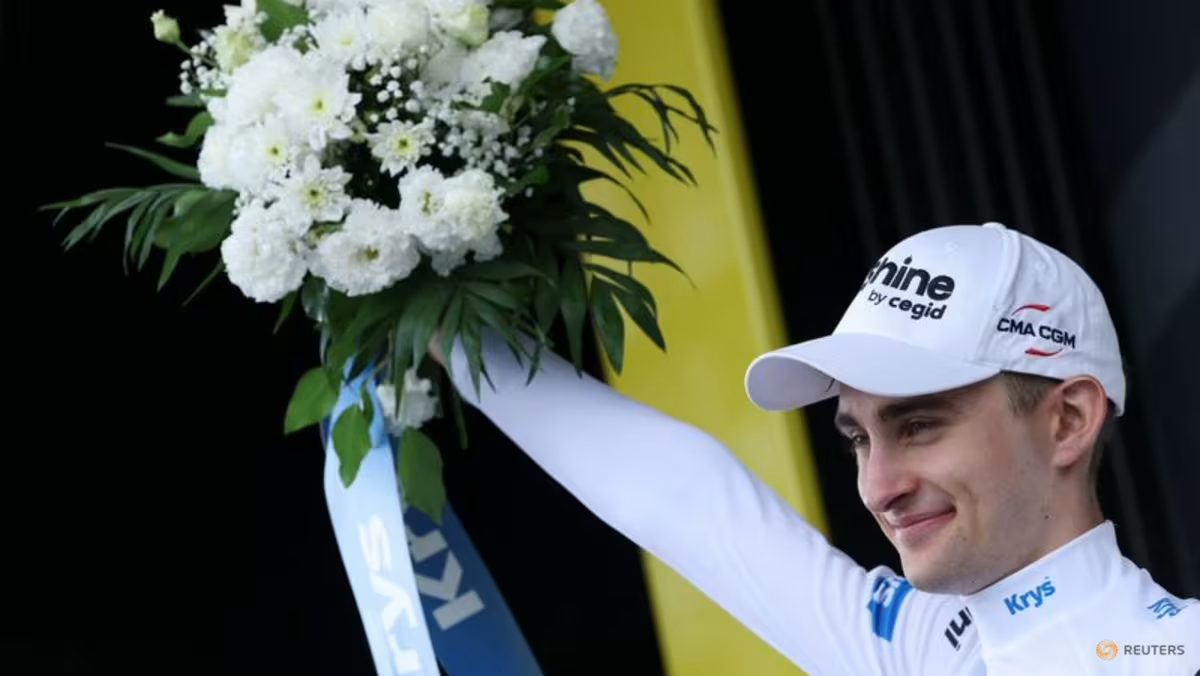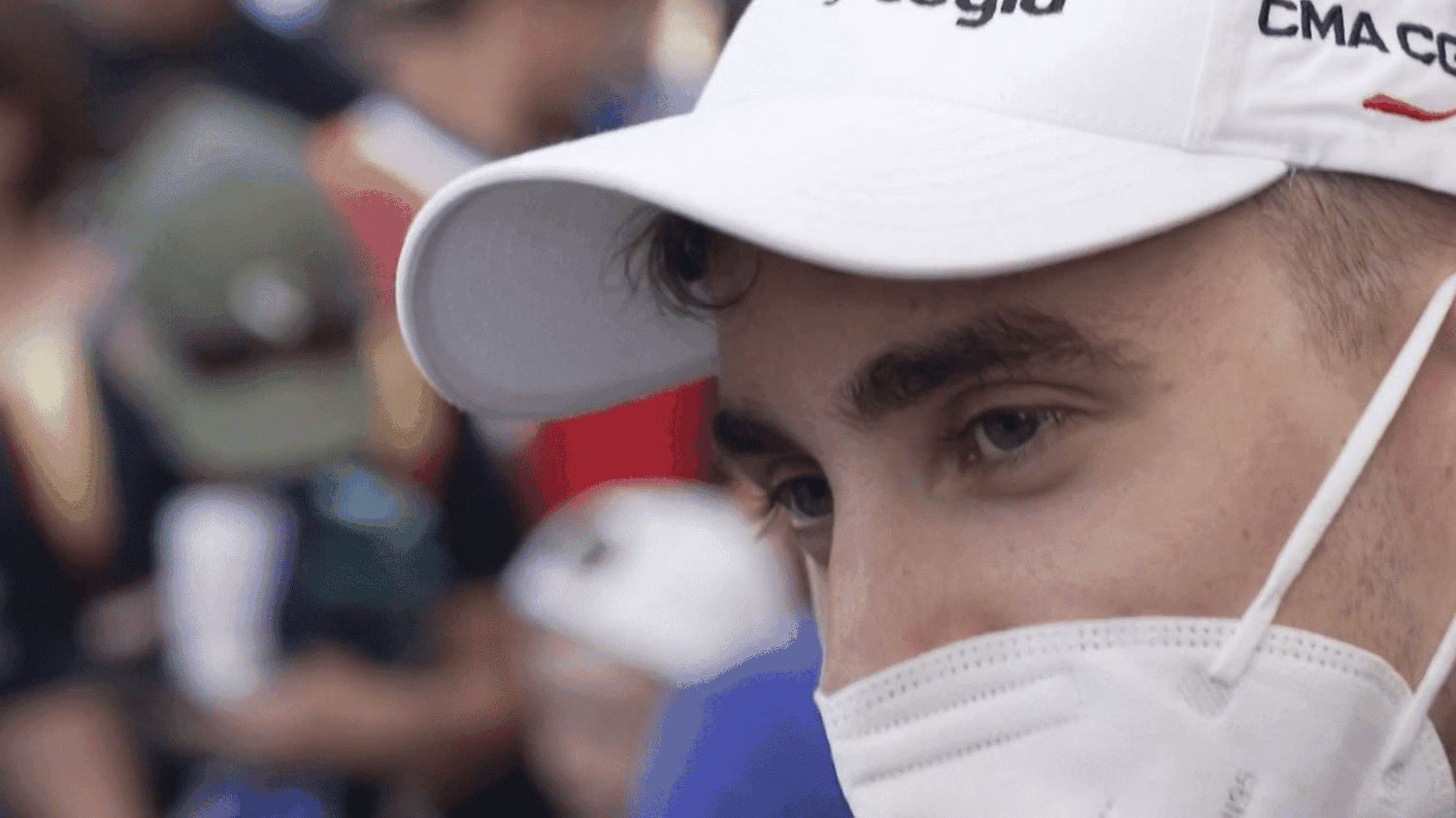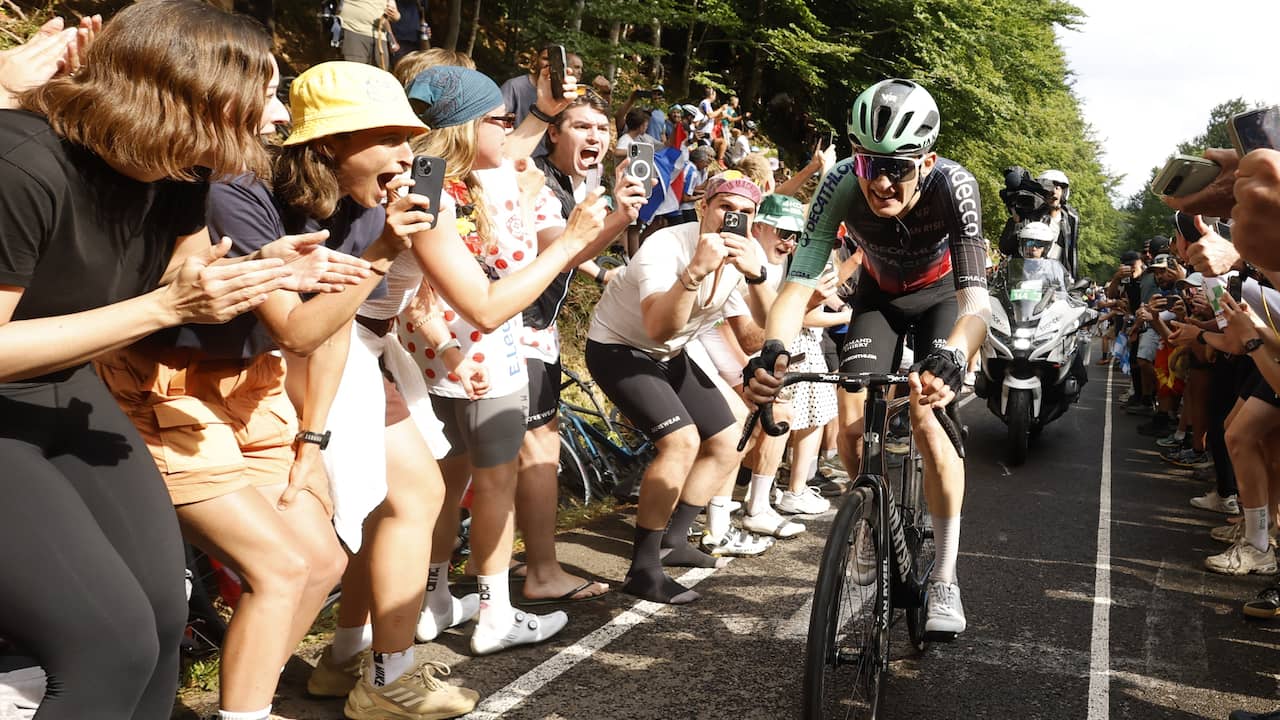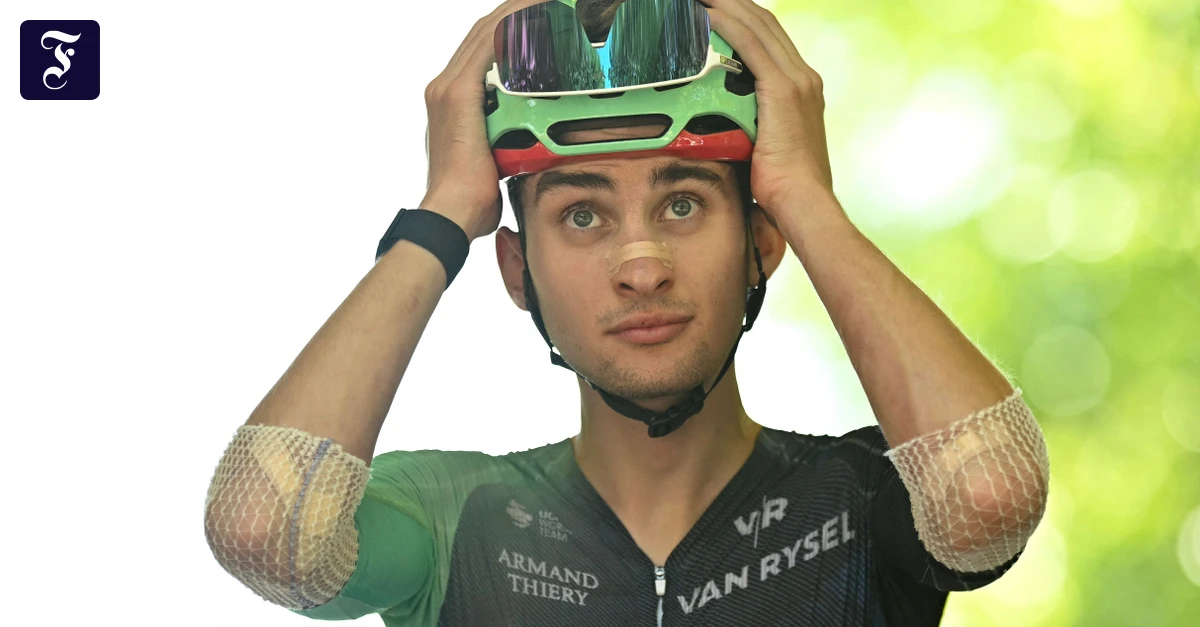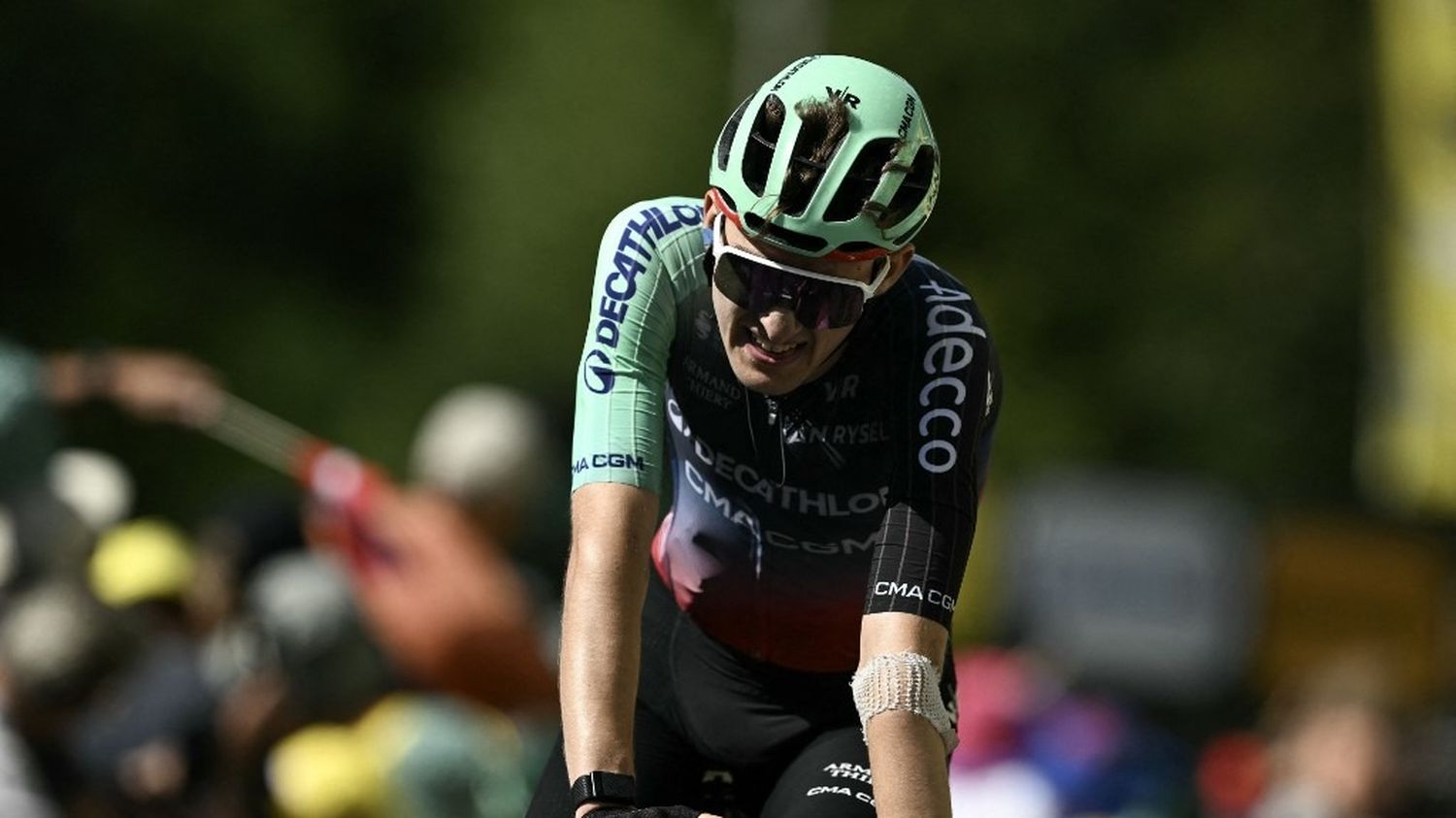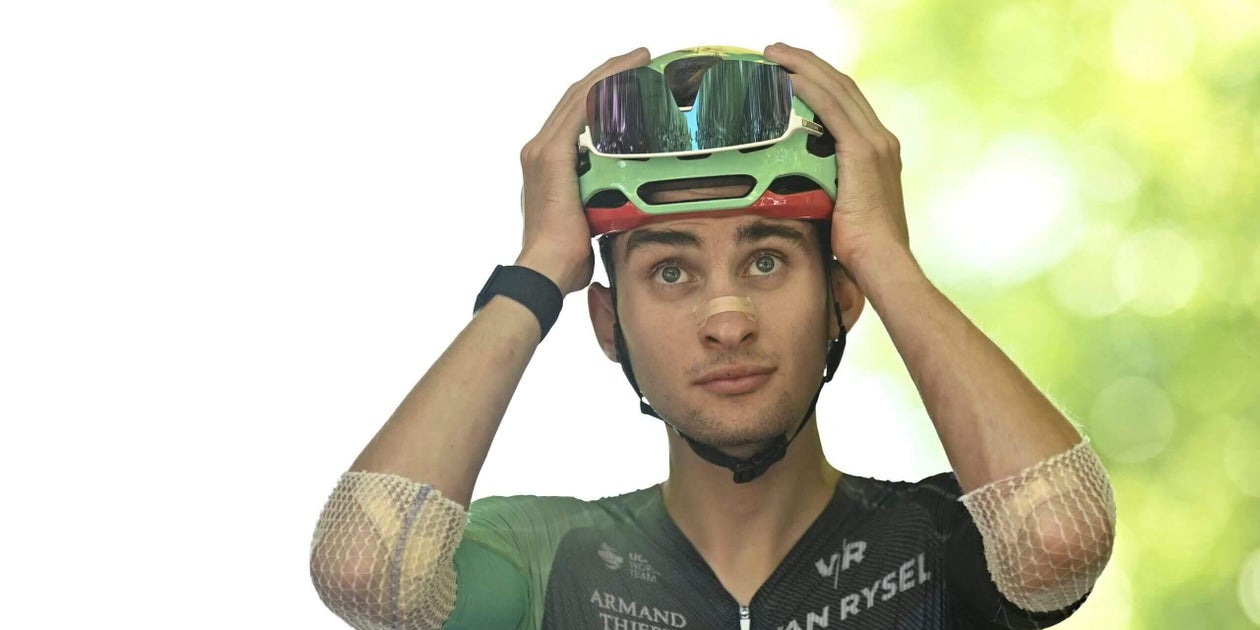
BELFORT, France — “Taisez-vous s’il vous plait!” Be quiet, please!The voice is slightly higher pitched and reedier than might be expected, but Paul Seixas’ intervention is the mark of a veteran. Surrounded by fans at Montjuic, on stage two of the Tour de France’s Catalan Grand Départ, the 19-year-old cannot hear the interview questions over the thrum and fervour of his promise. “Paul! Paul! Seixas!”He silences them with four polite words; the crowd, entranced, obey. After finishing his duties, Seixas spends five minutes greeting those now permitted to chant his name.Four days later, in the picturesque surrounds of the Pyrenees’ Cirque du Gavarnie, another crowd interrupts Seixas’ recovery — the entourage of French president Emmanuel Macron, who later calls the teenager “extraordinary”.“I hope he wins one or more stages,” Macron told France 2. “We’re behind him.”Seixas had just kept up with some of the world’s best climbers over the fearsome Col du Tourmalet, finishing fifth on the race’s first true mountain stage, yet at the finish, could only express his frustration that he had been unable to win the sprint for third.He is not that young rider who flies because he is unaware of his own limitations; Seixas is in the fight because he is aware of the magnitude of his gift.With the race entering Seixas’ home region, Auvergne-Rhône-Alpes, the youngest men’s Tour rider since World War Two sits sixth in the general classification (GC) — fewer than 30 seconds off the podium.The Tour is a national symbol — the thoughts of a first French winner in 41 years are wisps of breeze on a muggy evening. This year is not his year, but the next, and the one after that, and then so on? That is the promise Seixas’ debut represents. L’Équipe, the country’s biggest sports newspaper, has already appointed a reporter to concentrate solely on him.But Seixas wears expectations lightly, fastening them like an amulet around his neck. Behind him, his Decathlon CMA CGM team works relentlessly to minimise that pressure. The cloak fits snugly on his rounded shoulders — this is the boy that would be king.Can Seixas one day end France’s long wait for a home winner at the Tour? (Loic Venance / AFP via Getty Images)Beaujolais is French wine country, with Seixas born in the waning days of the harvest on September 24, 2006. The area’s grapes are known for their lightness, but it means the bottles they produce do not age well — lasting, at the very most, for 15 years. It was entirely appropriate then that the rural department’s biggest sporting star, perhaps ever, should burst forth as a teenager.Seixas has always been early: the youngest rider in the Tour, the youngest winner of a one-week WorldTour stage race, the youngest champion of the prestigious La Flèche Wallonne.“I remember a long hike in Valais, Switzerland, when he was two years old,” his father told L’Équipe last month. “He walked until he was exhausted and he loved it. In the mountains, kids sometimes sit down on a rock because they’re fed up. Paul was ahead of us, waiting. In two or three years, he started making lists for Santa Claus, with the peaks around us that he wanted to climb.”It had been unclear at the start of the season if Seixas would go to the Tour, but the speed of his development meant his participation was barely a question by late spring. He was supercharged over the winter, finishing second to Tadej Pogačar at both Strade Bianche and Liège-Bastogne-Liège, clear of the rest of the field on both occasions.“I remember, two years ago during the Tour, that one of my colleagues pointed out that this kid was winning races and that maybe we should get to know him,” says L’Équipe journalist Luc Herincx. “Then, when he won the (junior) world title in time trial, that was the first time he was mentioned in the newspaper. But it really became a big thing in June last year with the Critérium du Dauphiné (where he finished eighth).Seixas finished eighth at the 2025 Critérium du Dauphiné as an 18-year-old. (Anne-Christine Poujoulat / AFP via Getty Images)“It’s been such a long wait since our last Tour win, but also because we had Thibaut Pinot and Romain Bardet in the 2010s, and they’ve retired. They reached their peak almost 10 years ago, and since then we haven’t had any big names in the GC, so there’s been some slack.“Seixas coming was already some relief, but then when we noticed that he was so good at time trialling, which is something we didn’t even have with Pinot and Bardet, we started thinking that maybe he could be one for the Tour.”Decathlon were overwhelmed by interview requests for their young star, while L’Équipe made a documentary following him over the 2026 season. Every road led to the Tour, and France’s 41-year drought.
Being Paul Seixas, the boy king of the Tour de France
With eight stages of the 2026 race remaining, the 19-year-old can still dream of a podium finish
2,292 words~10 min read