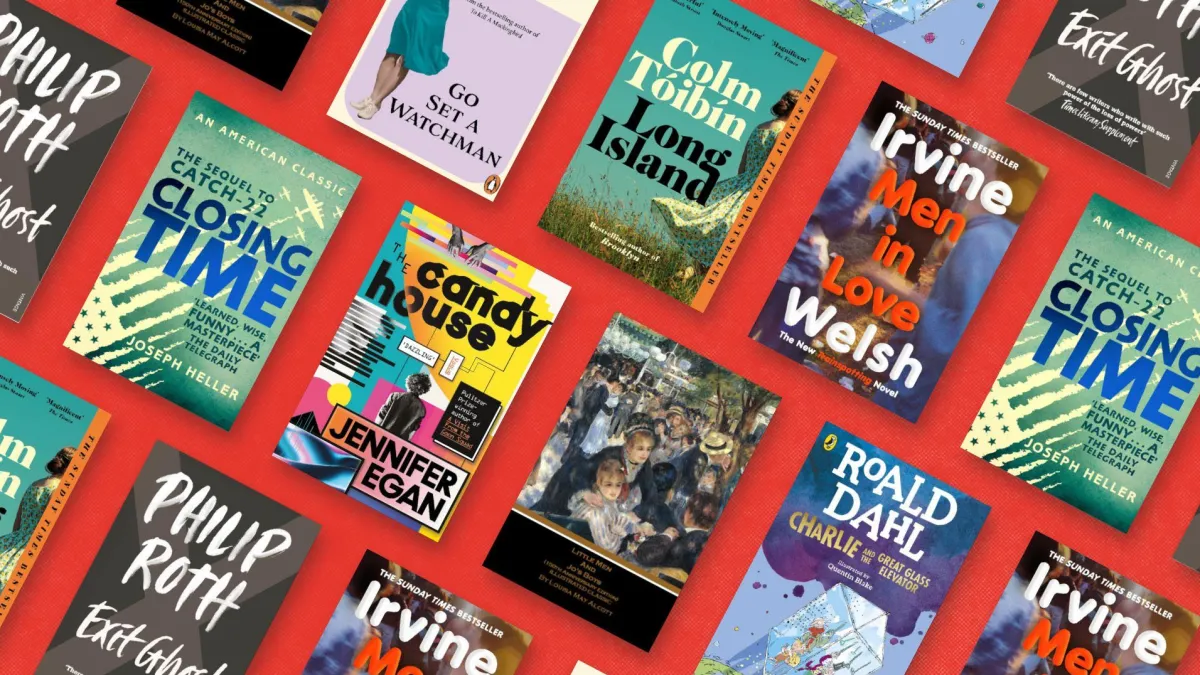
Why are sequels to great novels often disappointing? Because they are unnecessary.
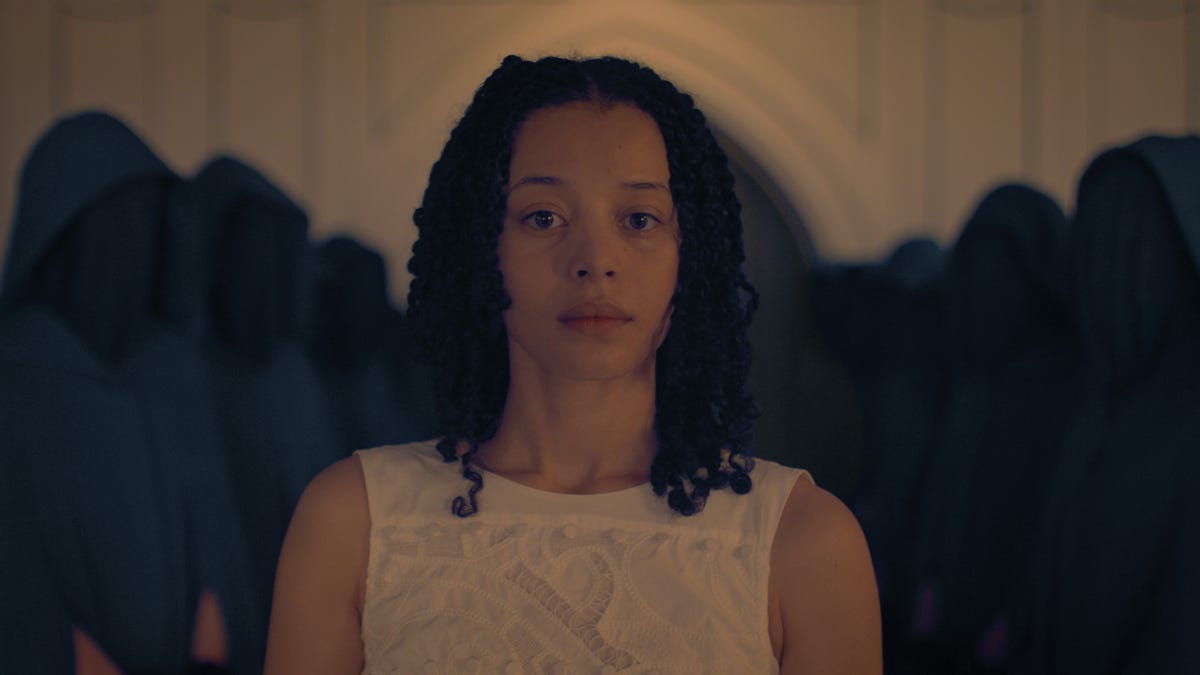
There are exceptions, of course. Margaret Atwood’s The Testaments won the Booker Prize while in Elizabeth Strout’s Lucy Barton novels we see the protagonist and the world changing in ways that would not have been possible in the first book alone.
More often than not, however, sequels are born of a writer’s need to write and not the reader’s need to learn any more about the characters. Many sequels are a sign of one of two things – a writer in a rut or a writer, and often a publisher, who knows readers of the original won’t be able to resist and wants to cash in. Here are 10 of the most disappointing.
Little Men by Louisa May Alcott
Even fans of Little Women, Louisa May Alcott’s classic and much adapted novel about the March sisters’ childhoods in 19th century New England, may be unaware of its two sequels. For good reason, as both Little Men and the final book in the trilogy, Jo’s Boys, fail to recapture the charm of the original.