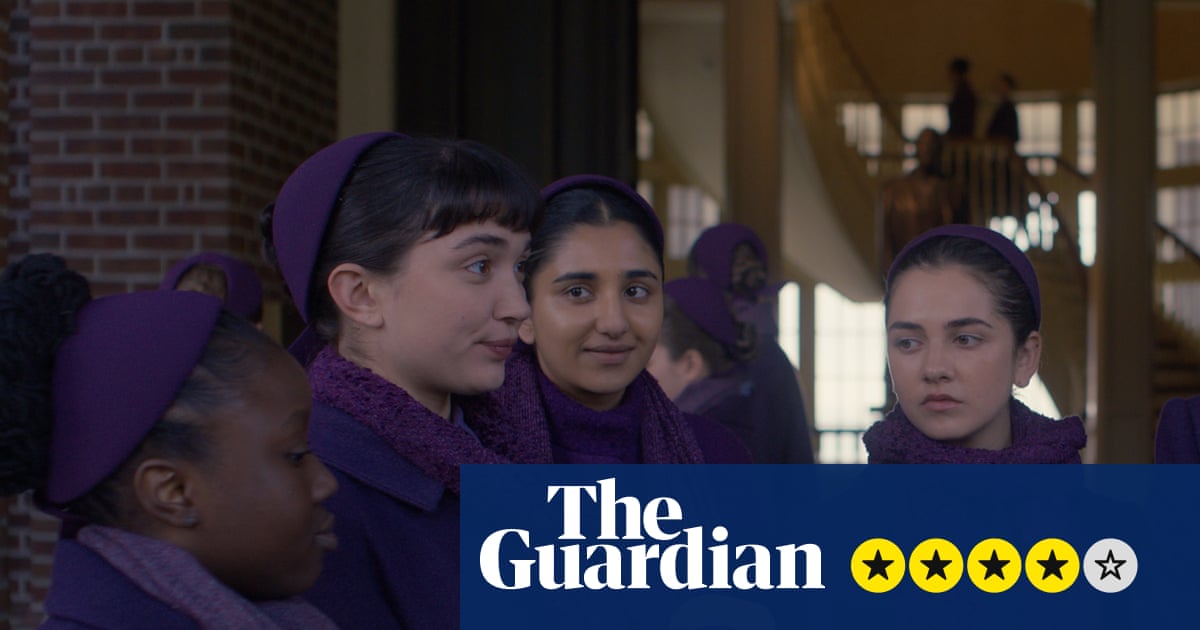
Don’t be fooled by the lighter tone of Margaret Atwood’s follow-on. June’s daughter is now grown up in Gilead, where daily horrors are still in full swing – and Aunt Lydia is back
I
had to give up on the TV adaptation of The Handmaid’s Tale quite early on – the mass mock execution scene did for me – because it was too relentlessly bleak, too full of dread, too awful, too true. Margaret Atwood’s future-dystopia tale, published in 1985, drew on nothing that had not already occurred in totalitarian and tyrannical regimes around the world. Translated to the screen, the visceral terror of it all was almost too much from the very beginning.
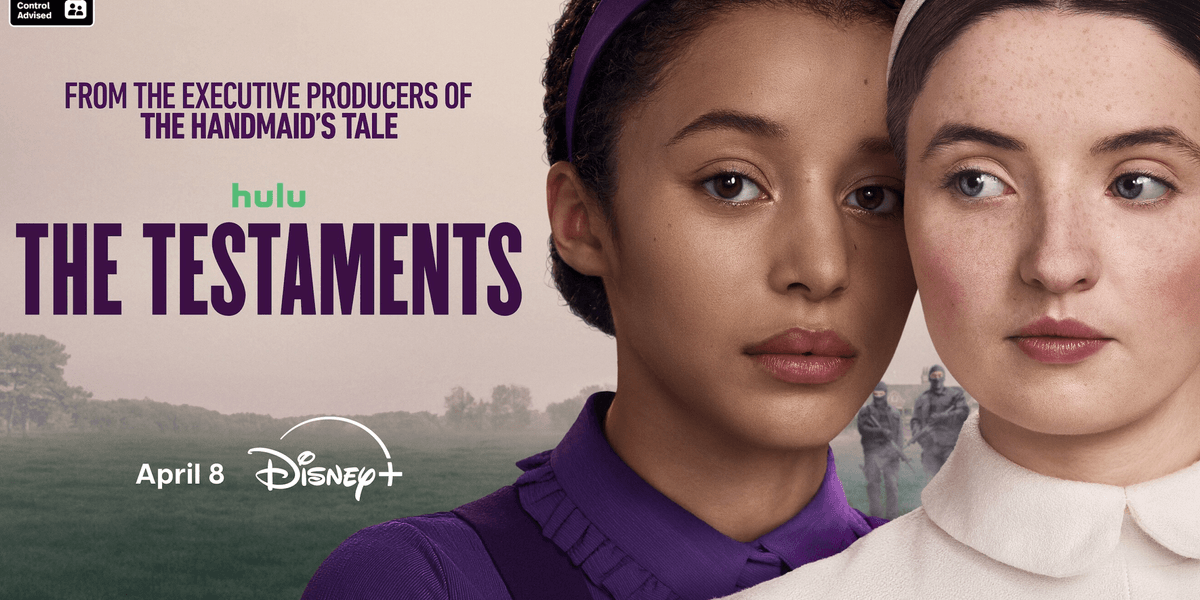
Now, the sequel Atwood published in 2019, The Testaments, has come for us, created by The Handmaid’s Tale’s showrunner, Bruce Miller. Brace yourselves.
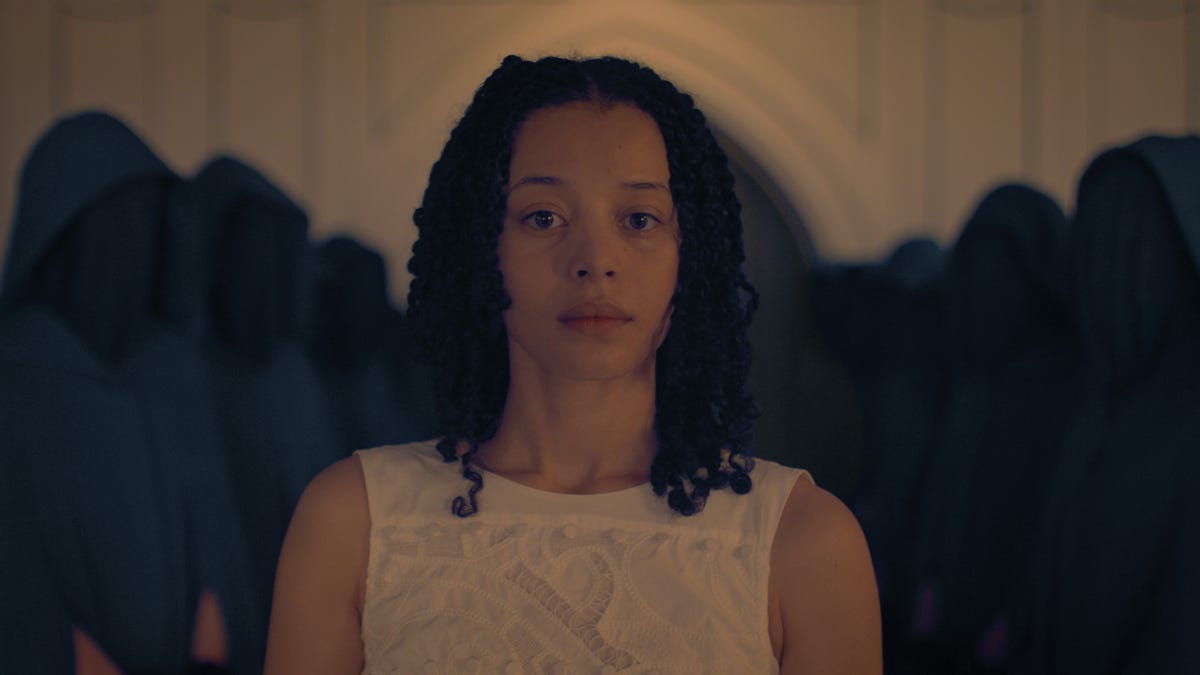
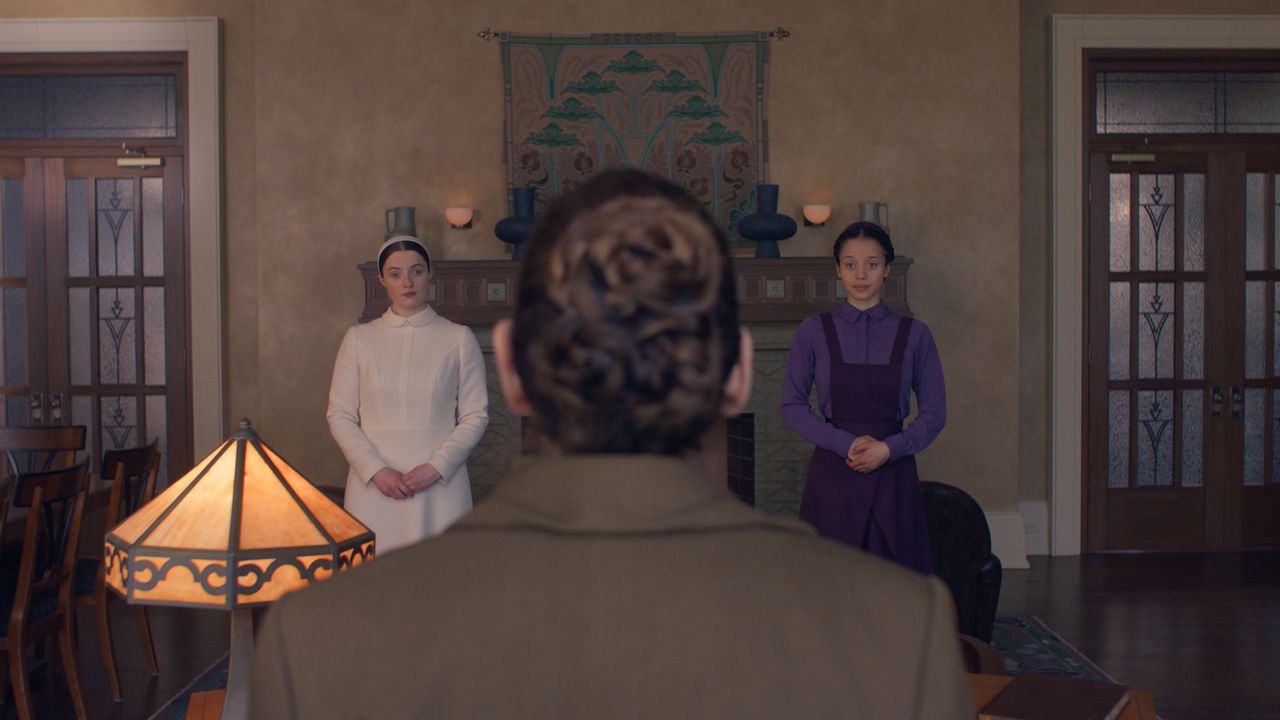
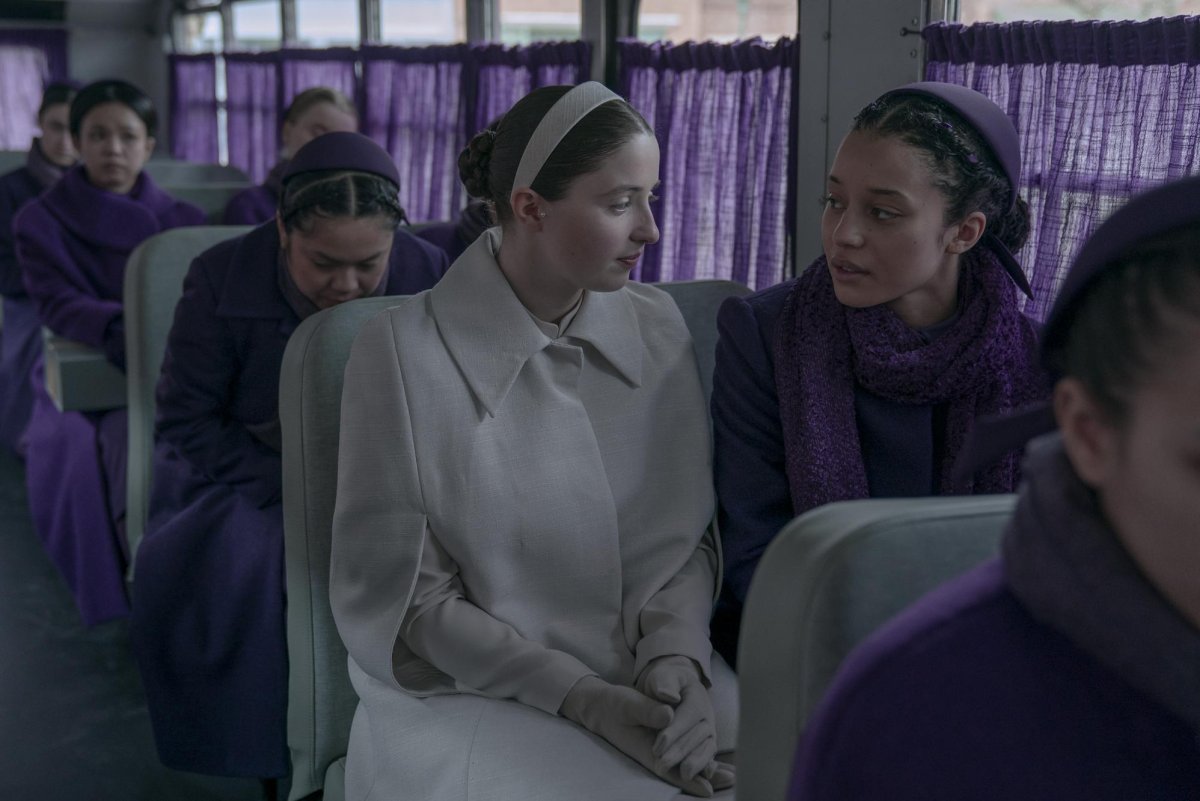
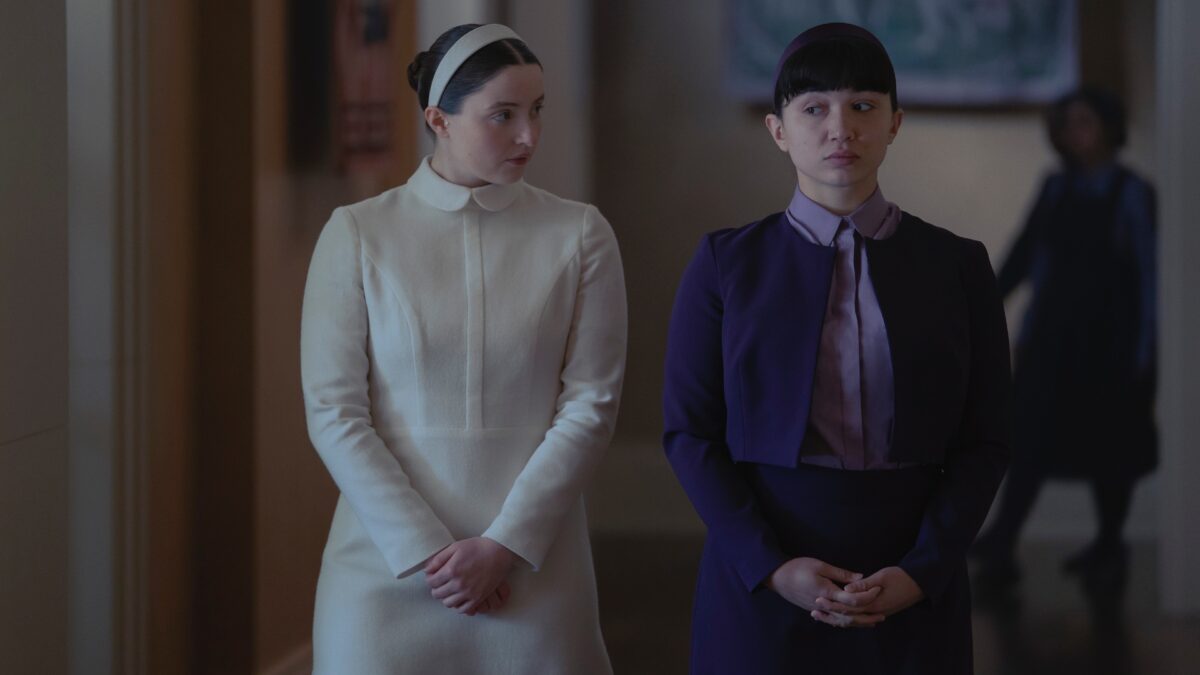
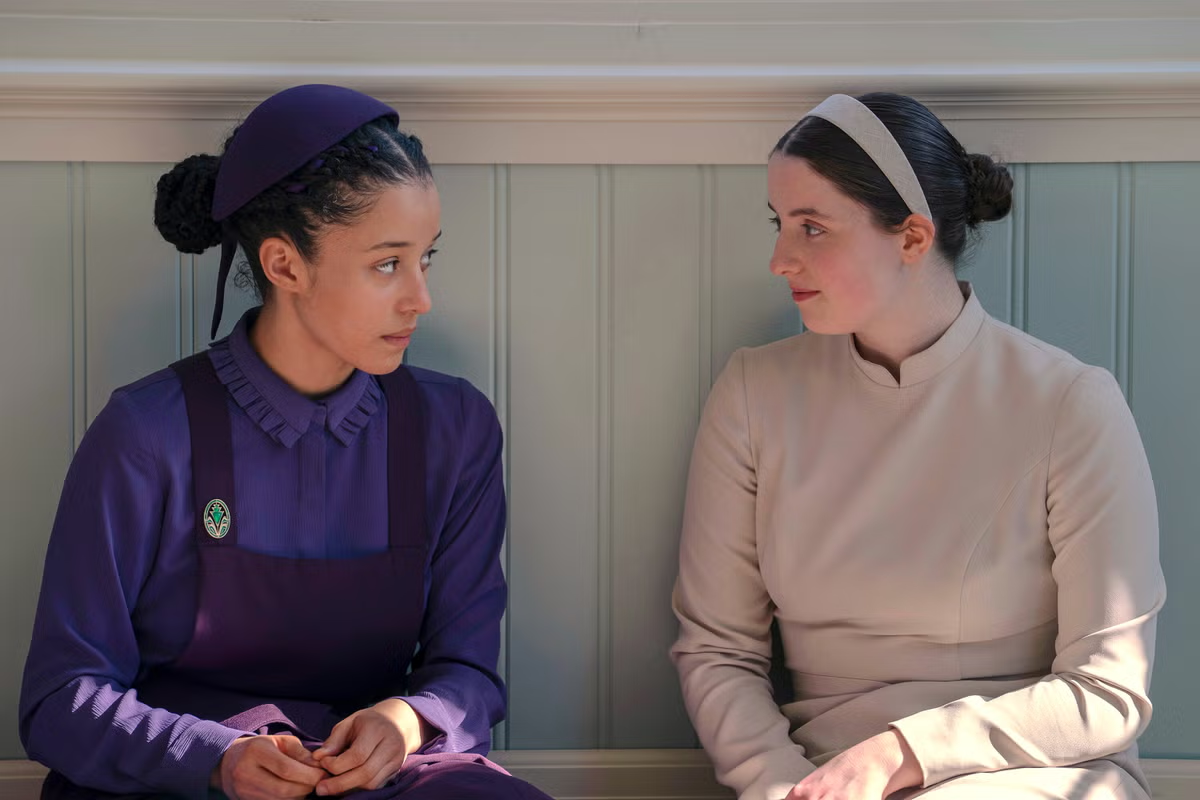
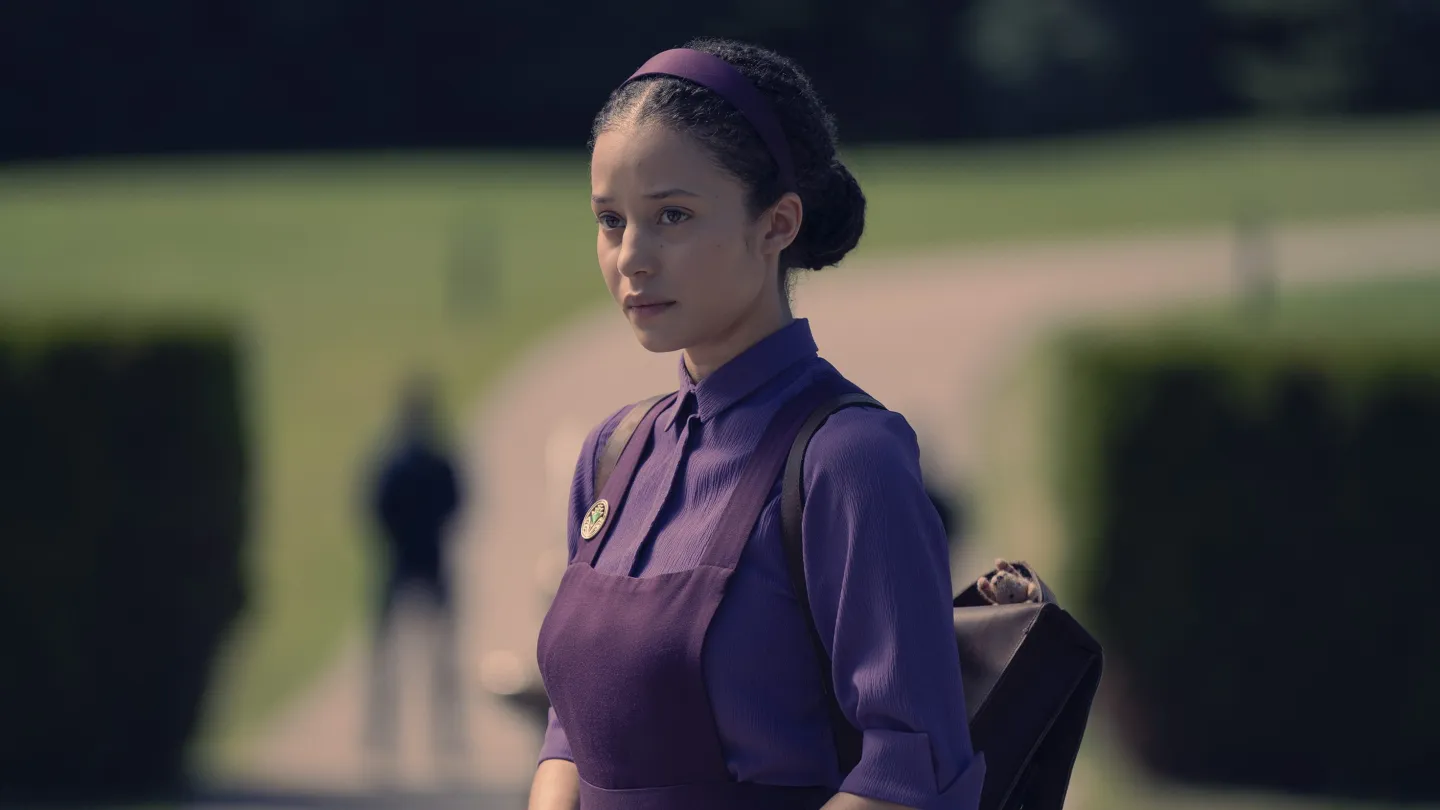
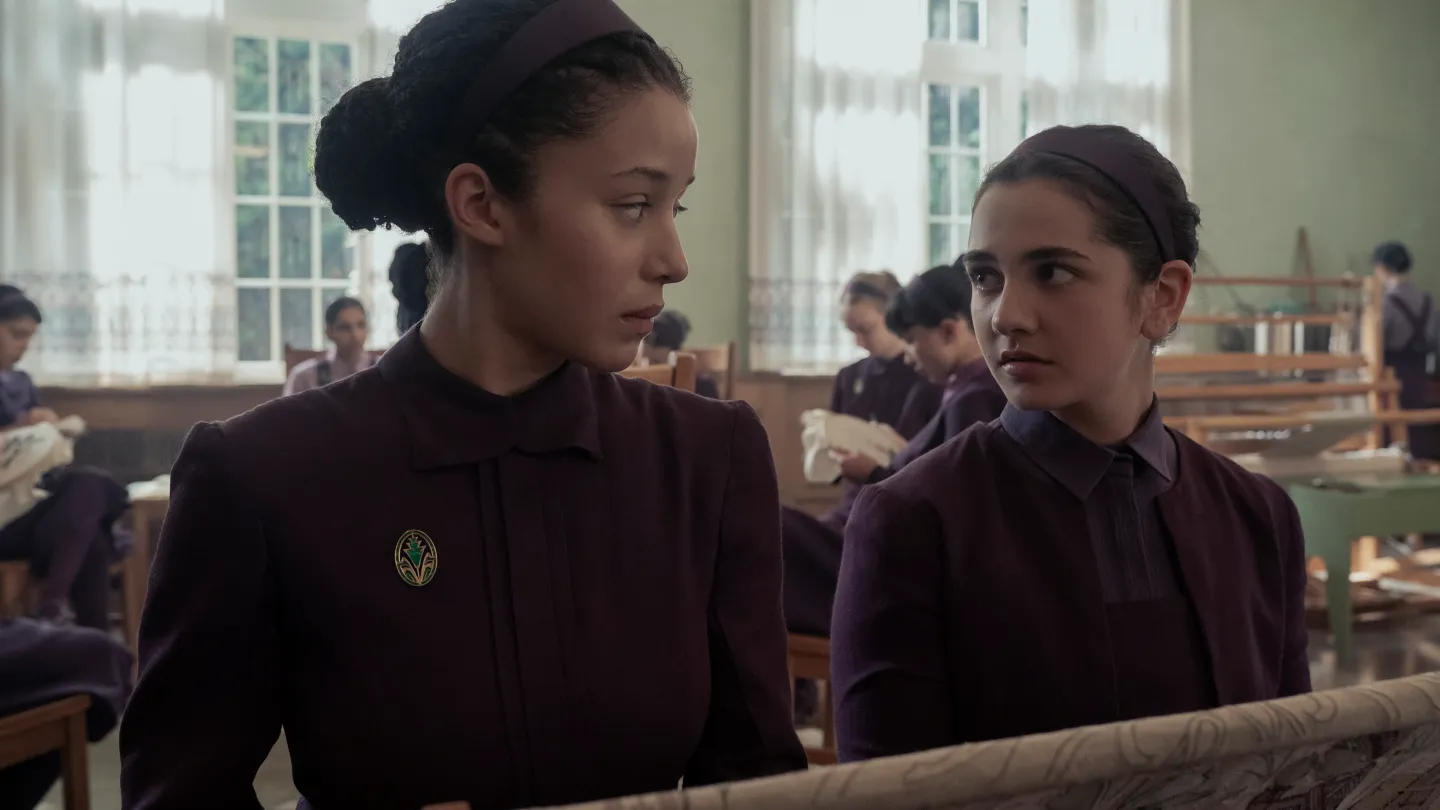
In some ways, it is slightly lighter and brighter than its precursor – a kind of YA reboot. Set a few years after the end of The Handmaid’s Tale, it focuses on the next generation of Gilead women. But it’s a YA version that still encompasses bloody punishments, rotting corpses swinging from gibbets and indoctrination and abuse – with the youth of the protagonists making it even harder to watch. The iconography remains ravishing, though. The colour palette has been expanded beyond red, white and green. Young girls of the right class are dressed in pink dresses and cloaks, the older ones (“Plums” with all the connotations of ripeness for the picking) graduate to purple (including headpieces that are mandatory but far more stylish than the blinkering bonnets the handmaids have to wear) and, then, if they are lucky enough to begin to menstruate, they move into wifely teal.