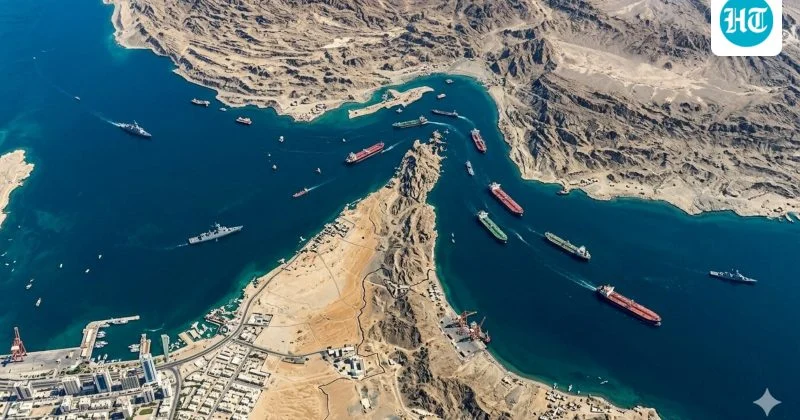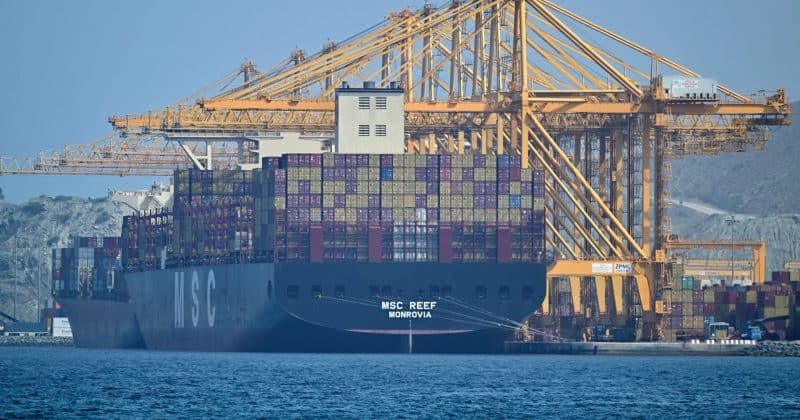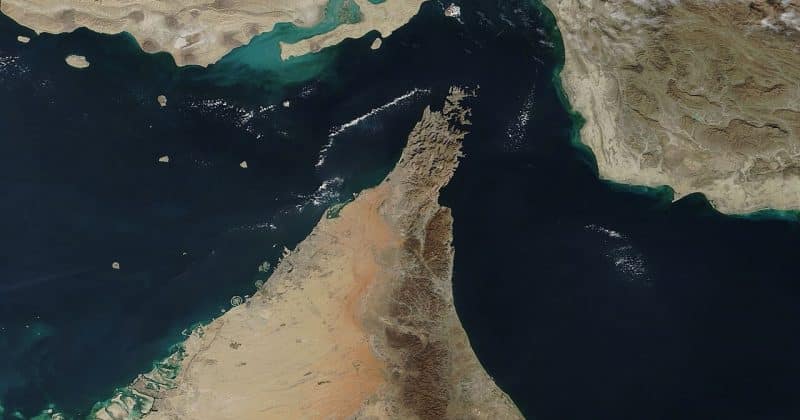
In light of recent developments, Iran’s leadership has demonstrated a willingness to impose significant hardships on its population to preserve the regime’s survival. This approach has surfaced prominently during the ongoing conflict with the United States and Israel, which began in early 2026 following the death of Supreme Leader Ali Khamenei due to coordinated strikes. The situation has led to heightened tensions and increased strategic reliance on partnerships with Russia and China. As part of its broader strategy, Iran appears focused on maintaining control over the Strait of Hormuz, a critical global oil transit chokepoint, potentially through the imposition of transit fees.
Markets have shown a keen interest in the possibility of Iran charging fees for vessels passing through the Strait of Hormuz by August 31, 2026. Current pricing suggests a 45.5% probability of such fees being implemented by this date. This movement appears consistent with Iran’s historical strategy of leveraging regional assets to impose costs, as highlighted in the Wall Street Journal’s analysis of Iran’s leadership tactics. The pricing suggests that market participants are carefully considering the potential for economic measures that align with Iran’s strategic objectives amid geopolitical pressures.