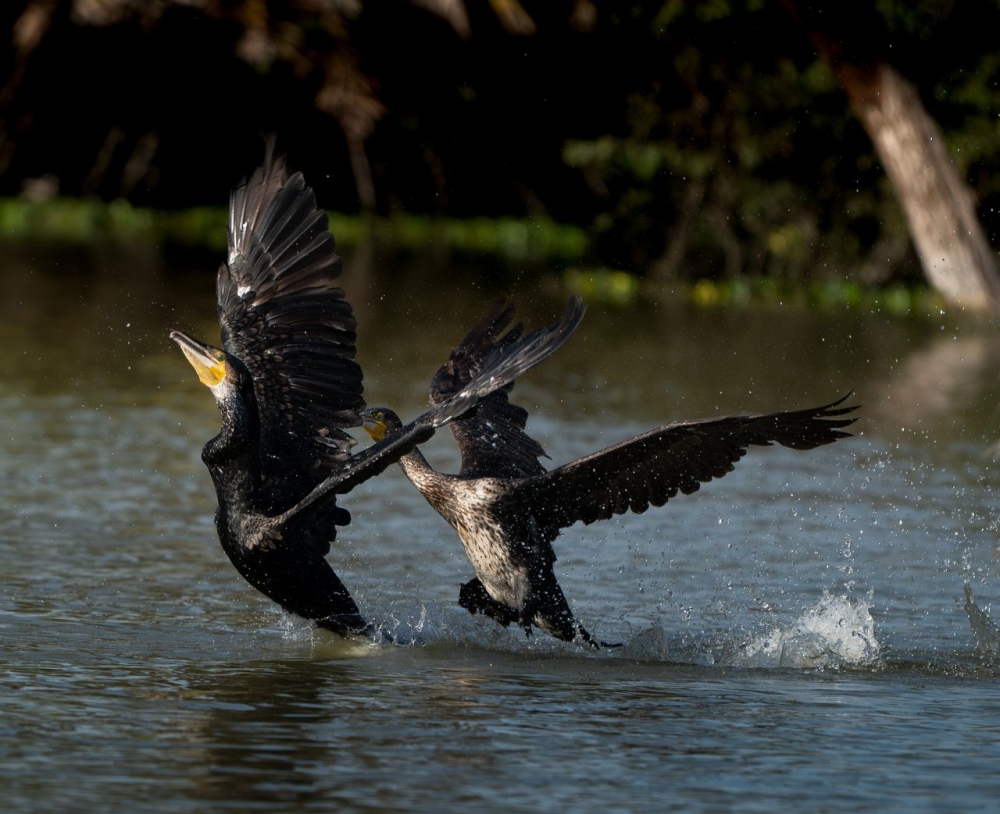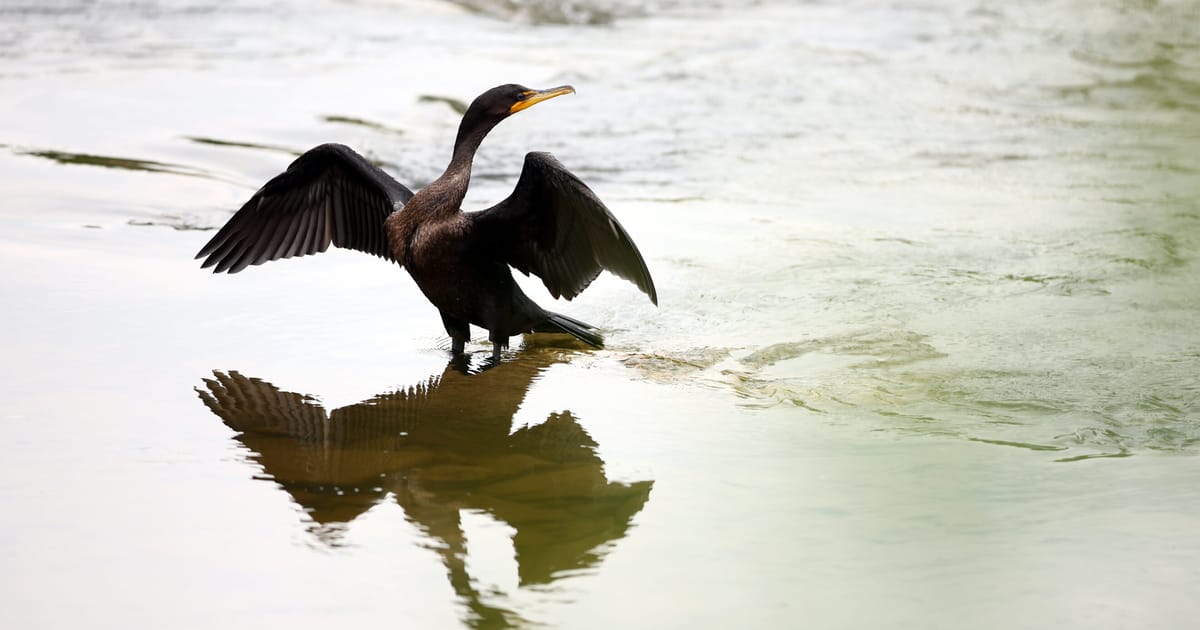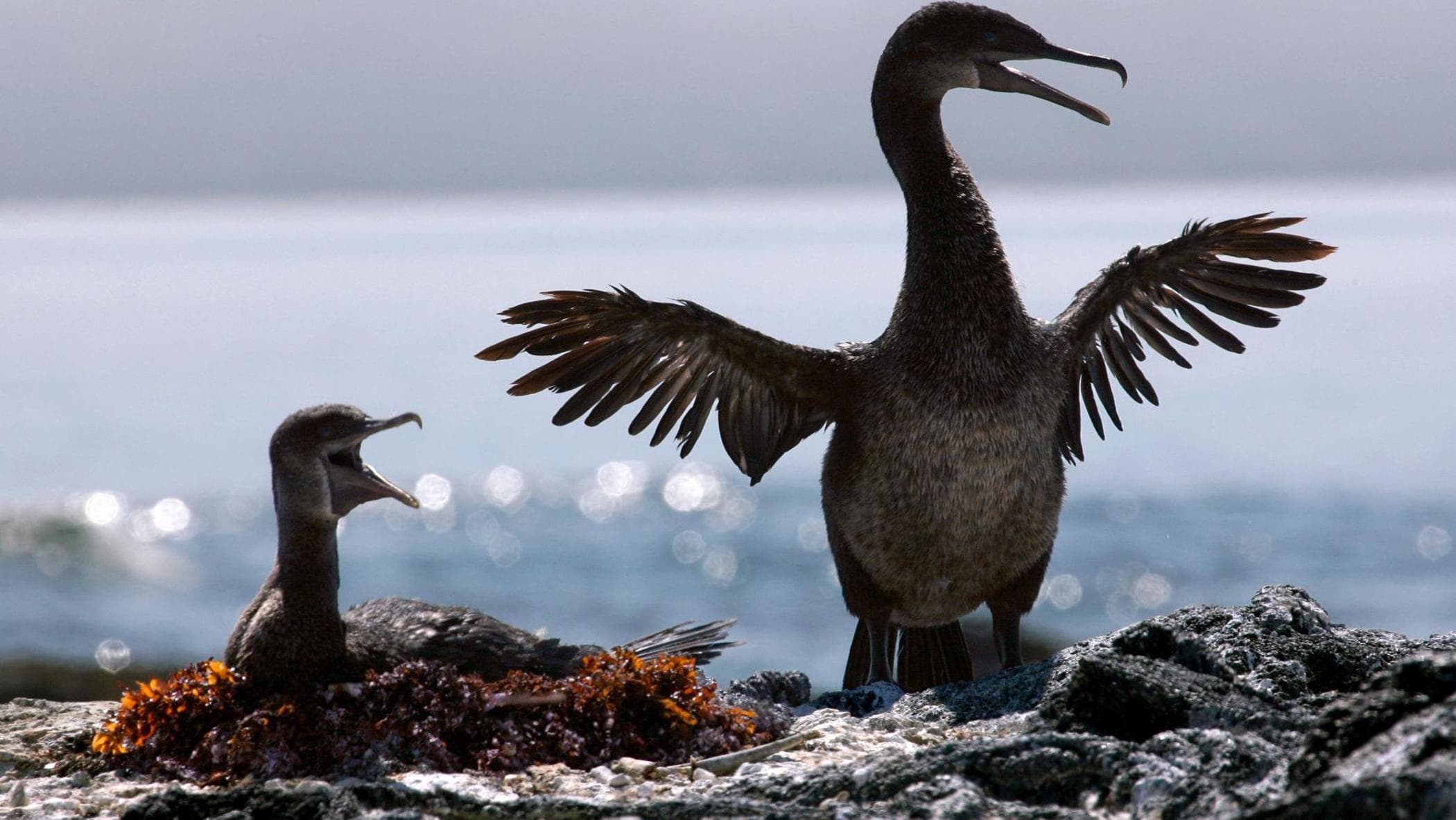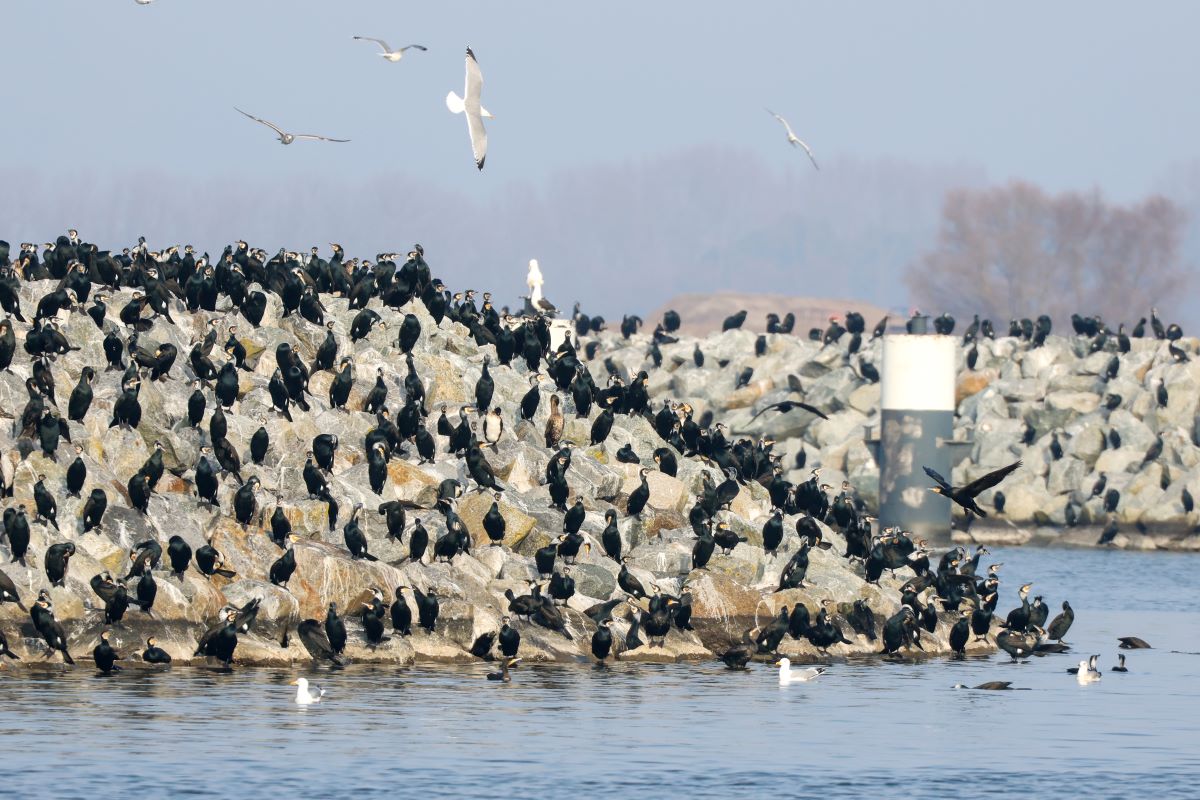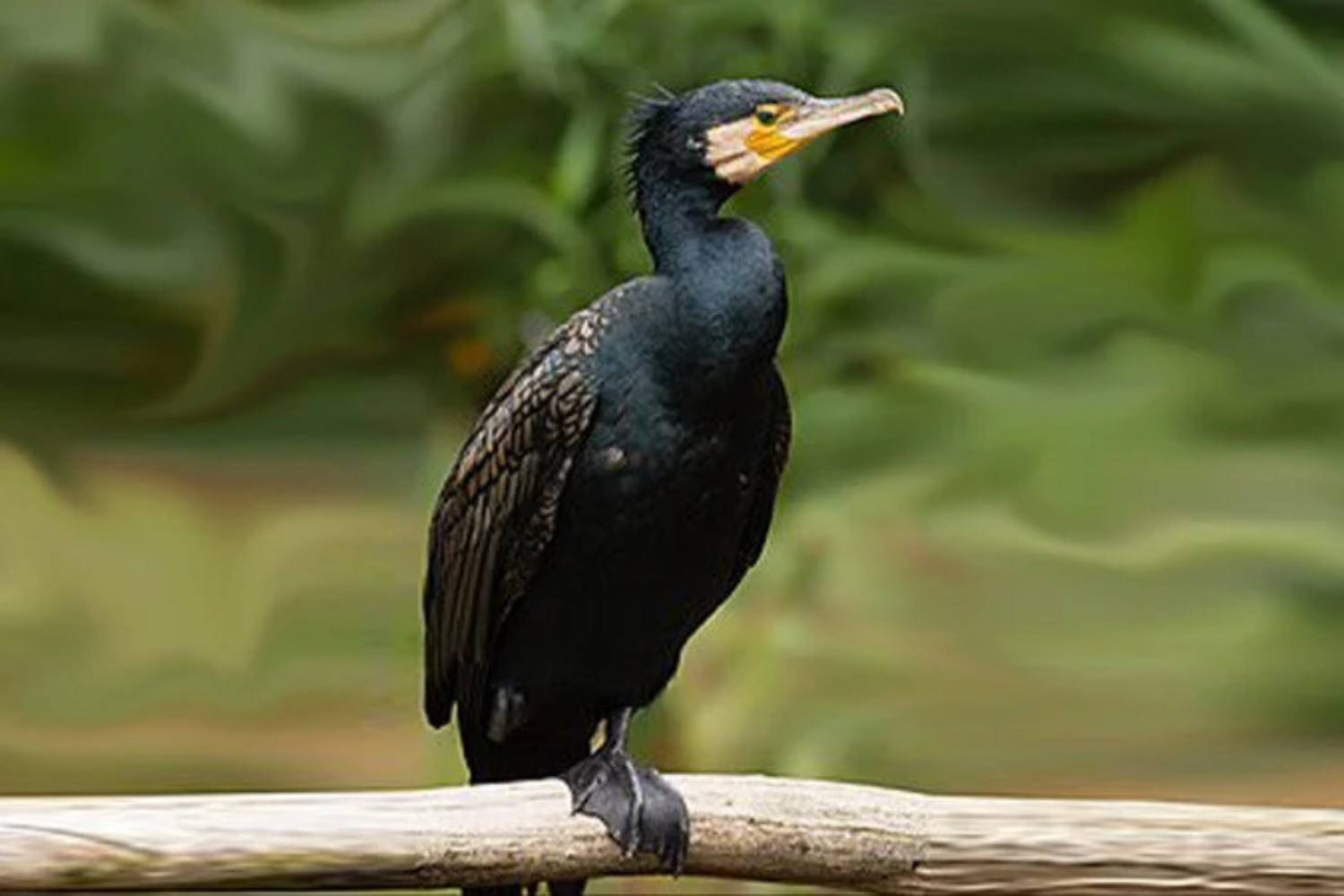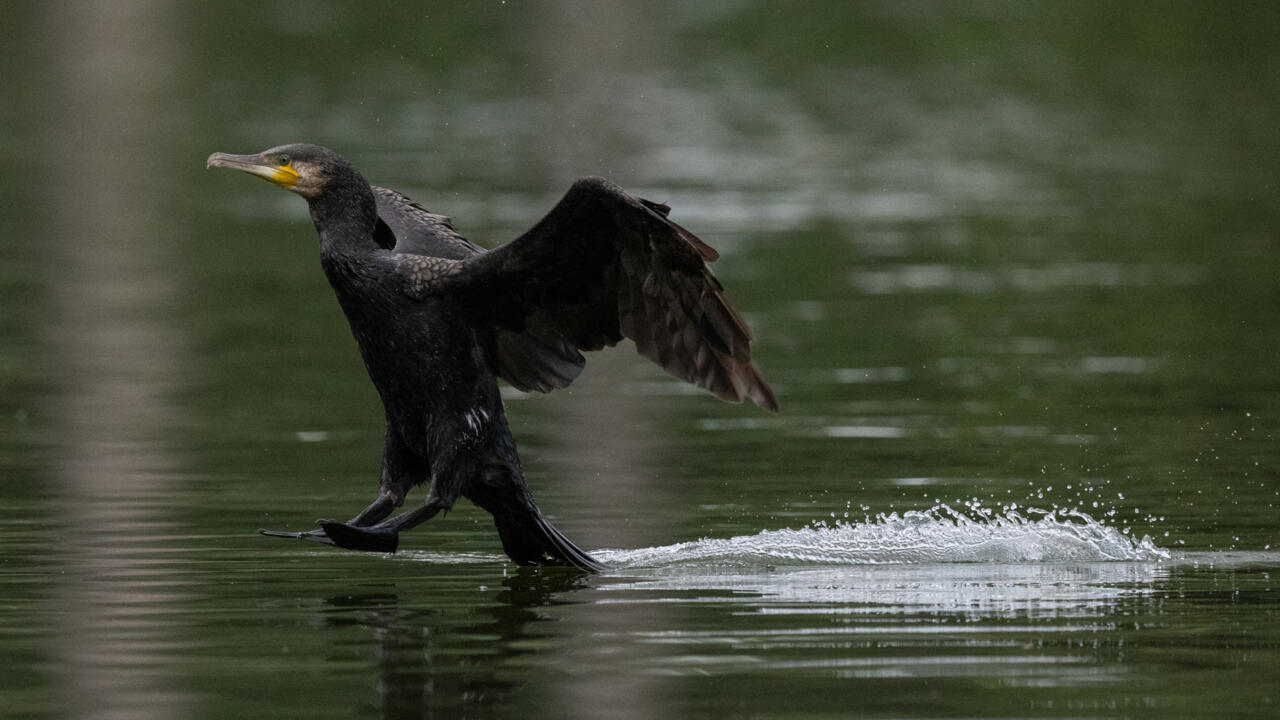
The large black bird's relentless raids on the continent's waters have recently led nine European Union members to urge an easing of the culling rules that have protected the species since 1979.In a note to Brussels in May, Croatia, the Czech Republic, Estonia, Finland, Latvia, Poland, Romania, Slovakia and Sweden asked for the bloc's cormorant population to be kept at "an ecologically and economically acceptable level"."The situation is very bad and keeps worsening," Peter Bozik from the Slovak Fishing Club told AFP, calling the bird "a terrorist"."When cormorants gather in wintering grounds, they can collect the entire fish population out of the unfrozen water in a moment, or damage it so that it will not survive," he added.Pavel Vrana, an ichthyologist at the Czech Fishing Union, said cormorants not only eat fish, but also often injure them or stress them out so they will not reproduce.
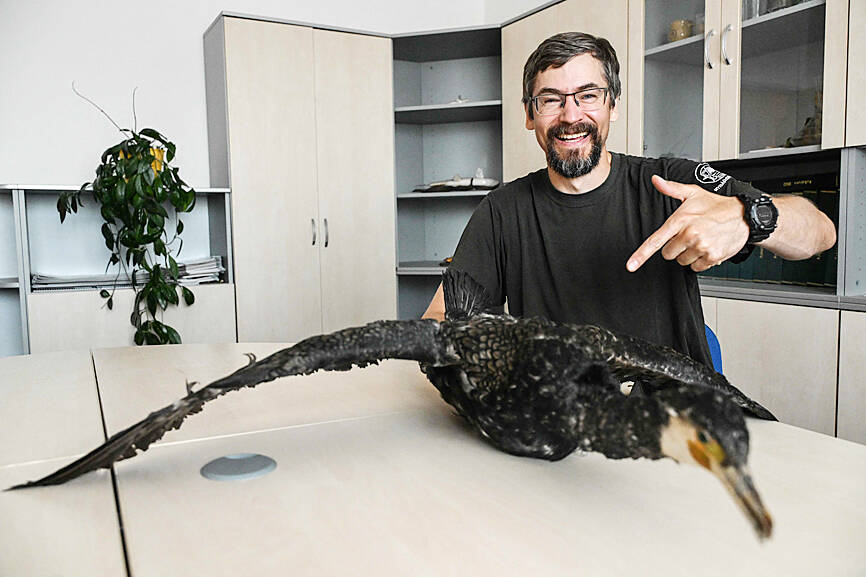
Pavel Vrana, an ichthyologist at the Czech Fishing Union, advocates culling cormorants © Michal Cizek / AFP
"When you have 3,000 cormorants descending on a place, it's a chainsaw massacre," he told AFP.Grigore Stefan, from the Murighiol Fishermen's Association in the Danube Delta, said Romania lost "millions of fish" to cormorants annually."It's a harmful animal," he said. "I don't know if there are any fish left in the delta this summer."'Fish tubs'In the past, Europeans systematically destroyed some cormorant colonies with the help of fire brigades and the military, according to a European Parliament report. Those efforts brought the species close to extinction. By the early 1960s, only a few thousand breeding pairs remained in the main breeding range of the Netherlands, Germany, Denmark, Sweden and Poland. But since being granted protected status, its numbers have soared to an estimated two million birds in Europe in 2026.